







When you first get into coffee beans, chasing too many flavors at once can easily overwhelm you. It's better to start with a bean that has a clear profile and works well across different brewers—keep the dose, grind, and water temperature consistent, then notice the differences in the first sip, sweetness, and finish. Over time, you'll build your own flavor coordinates.
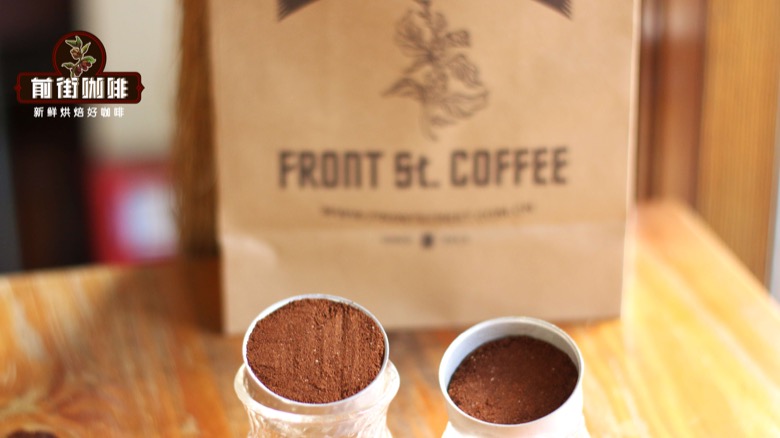
A moka pot is a device that works by steam pressure. When loading coffee, just fill the filter basket level—no need to tamp hard like with an espresso machine. A grind slightly coarser than espresso works best. For water, follow the markings on the base or keep it below the safety valve, and keep the dose consistent each time. Use low heat. When you see a steady flow and the color starts to lighten, take it off the heat. This helps avoid a lot of the bitterness and burnt notes that come from overheating.
Around the question "what coffee beans are suitable for a Bialetti moka pot," you can break the choice down into a few parts: flavor preference, usual brewing gear, drinking temperature, and daily usage frequency. For beginner-friendliness, first decide which factor matters most to you, then use the others to narrow down. This way you keep your personal taste while letting the beans show their clear characteristics in actual brewing.
Front Street Coffee Black Cocoa Blend features dark chocolate and roasted nut flavors, with a thick sweetness and low acidity. It works well for espresso, Americano, or milk coffee.
Front Street Coffee Papua New Guinea Paradise Bird has a clean, rounded mouthfeel with soft sweetness. Its flavor profile is similar to Blue Mountain and suits those who prefer low acidity and balance.
Front Street Coffee PWN Indonesia Golden Mandheling highlights herbal and dark chocolate notes, with a full body and restrained acidity. It suits dark roast lovers and works well for daily moka pot and Americano brewing.
When choosing beans, flavor matters—but how you handle them after opening matters just as much. Try to keep the beans sealed, store them in a cool, dry place, and buy only as much as you drink day to day so it's easier to track flavor changes. When brewing, first smell the dry aroma, then savor the first sip, sweetness, and finish. If the aroma is weak, check whether the grind is too coarse or the beans have been stored too long. The same bean can perform differently hot, iced, or with milk. Jot down a few parameter notes and you'll figure out your preferred cup style.
When choosing beans, brewing difficulty and flavor preference can be assessed separately. If you love floral and fruity notes, you'll need to accept the precise demands on water temperature, grind size, and pouring rhythm. If you prefer convenience, a nutty-cocoa blend is better for consistent daily cups. For households with multiple drinkers, start with a balanced bean as the shared option, then add single origins based on individual preferences. This makes comparing easier than buying many similar-style beans at once.
For a moka pot, start by setting the coffee-to-water ratio based on the base capacity, and just level off the coffee bed. If the taste is bitter, first try lowering the heat, taking it off the heat sooner, or using a coarser grind. If the flavor is too weak, then check the dose and the condition of the gasket.
Since gear, habits, and taste all change, it's a hassle-free approach to divide beans into two roles: everyday and exploratory. One handles consistent daily cups, the other lets you experience floral-fruity notes, nutty-cocoa profiles, or differences in processing methods. Once you've mastered one bean's flavor, switch roast level or processing method—your comparisons will be more meaningful.
The above content is compiled by CoffeeHunters, a coffee news website.

