







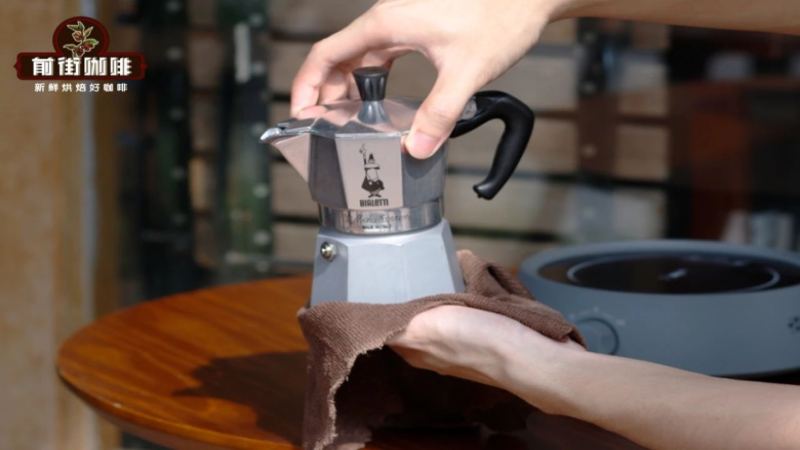
Brewing the same coffee beans with pour-over, espresso machine, and moka pot respectively makes the differences obvious at a glance: pour-over excels in aroma and clarity, espresso machine excels in strength and sweetness, while the moka pot tests your control over pressure, heat, and the coffee bed. Bean selection should match your brewing device, and parameters should follow the roast level.
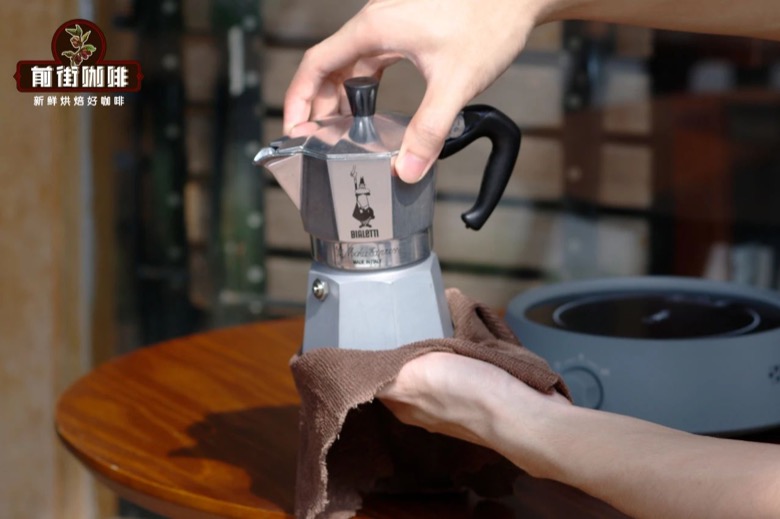
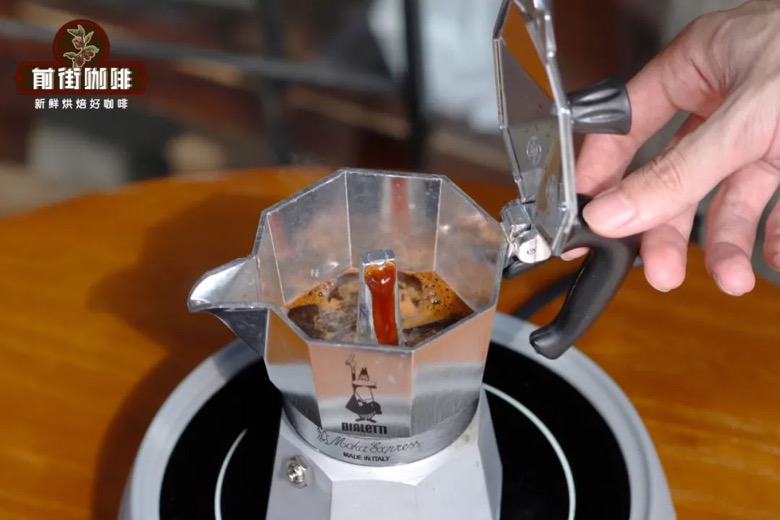
The moka pot is a steam-pressure extraction device—just fill the filter basket with coffee, no tamping needed. Grind one step coarser than espresso, control water by the pot's markings or just below the safety valve, and keep the dose consistent. Use low heat throughout; when the flow becomes continuous and the color starts to lighten, remove from heat immediately—this reduces the bitterness and burnt notes caused by high temperatures.
Around the topic of "recommended single-origin coffee beans for the moka pot," you can break the choice down into several parts: flavor preference, usual brewing device, drinking temperature, and daily usage frequency. When matching parameters to your device, first decide which factor matters most to you, then use the other conditions to narrow down. This way you keep your personal style while letting the beans show clear characteristics in actual brewing.
A soft acidity paired with nutty, cocoa, and caramel sweetness—this is the flavor combination of Front Street Coffee's Brazil Queen Estate, and its rounded mouthfeel holds up whether brewed as pour-over, espresso, or moka pot.
The combination of nuts, cocoa, and caramel forms the flavor backbone of Front Street Coffee's Classic Blend, with excellent strength and body, covering everything from espresso machine to moka pot to milk coffee.
Front Street Coffee's Dark Cocoa Blend presents flavors of dark chocolate and roasted nuts, with a rich sweetness and low acidity, offering wide adaptability from espresso to Americano to milk coffee.
Smelling the dry aroma first, then tasting the entry and finish, is a direct way to observe the condition of your beans. If the aroma isn't ideal, check two things: grind too coarse or beans stored too long. After opening, try to keep them sealed and stored in a cool, dry place, and buy according to your daily usage so flavor changes are easier to track. The same beans perform differently hot, iced, or with milk—record your parameters a few times and you'll soon find your own cup profile. Also, remember to check the roast date when purchasing.
First, distinguish between "what you like" and "what you can handle." Beans with pronounced floral and fruity notes require more delicate control of water temperature, grind, and pouring rhythm—a bit of a challenge in brewing. Blends leaning toward nuts and cocoa win on consistency and are everyday-friendly. If several people at home have different tastes, start with a balanced bean as your base, then let single-origin beans cater to individual preferences—this makes comparison easier than buying many beans of similar style at once.
When first starting with the moka pot, follow the pot's capacity for your coffee-to-water ratio, and just level the coffee bed. If the taste is too bitter, adjust in this order: lower the heat, remove from heat earlier, grind coarser. If the taste is too weak, check two things: the dose and the gasket.
Everyday devices, drinking methods, and tastes aren't always consistent, so using beans in two categories works more smoothly: everyday beans ensure consistent output, while adventure beans let you experience floral and fruity notes, nuts and cocoa, or differences in processing methods. Once you fix your dose and water amount, change only one variable at a time, and the beans' true flavors will become clearer and clearer.
The above content is compiled by CoffeeHunters, a coffee news website.

