







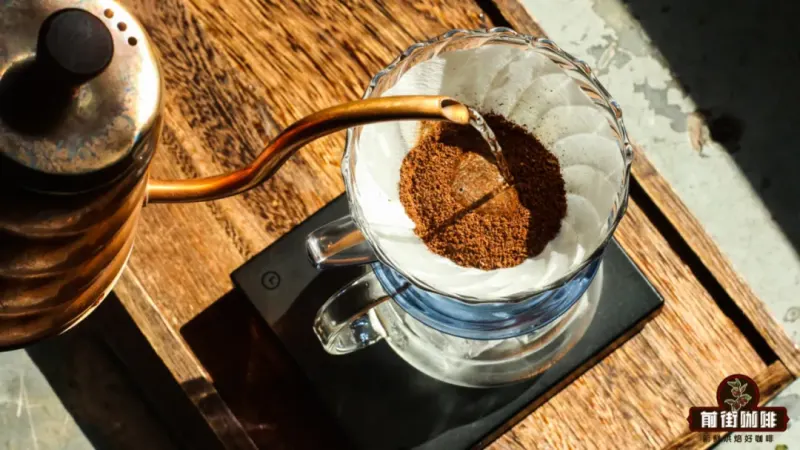
Why is immersion coffee brewing so easy and forgiving?
Immersion coffee brewing is a nearly zero-skill way to make a full, balanced cup: combine ground coffee and water, let the mix steep, then filter out the grounds. A French press, a Clever Dripper, or even two ordinary containers plus a filtering tool is all the equipment needed. With the coffee-to-water ratio, water temperature, and grind size set correctly, this hands-off method delivers even extraction and full flavor without complex technique.
The method also tolerates small errors: a slightly finer grind, slightly hotter water, or a longer steep seldom brings out bitter, harsh notes, because the water cools gradually during immersion and the rising concentration of the liquid slows further extraction. Many assume such a simple process cannot yield delicious coffee, but off flavors usually come from wrong parameters rather than the method itself, and the resulting cup tends to feel fuller and heavier than a pour-over.
Want to enjoy a good cup of coffee, but always feel like it requires mastering complex techniques or preparing a pile of equipment? There is actually a nearly zero-threshold method: immersion brewing. A Clever Dripper, a French press, or even two ordinary containers plus a filtering tool can get the job done easily. This article uses Front Street Coffee's hands-on practice as an example to break down the coffee-to-water ratio, water temperature, grind size, and time parameters for immersion coffee, explain why immersion coffee is not easy to over-extract, and compare it with pour-over coffee in terms of mouthfeel and flavor. If you also want to make a balanced, full-bodied cup of coffee consistently in the simplest way, this content is worth a look.
You can see that most satisfying cups of coffee either require a certain level of skill or a lot of tedious preparation beforehand. For people who just want to grab a quick cup of coffee, these steps can really be off-putting.
So is there a way to make delicious coffee without needing any skill, without having to gather complex equipment, and without going through troublesome operations?
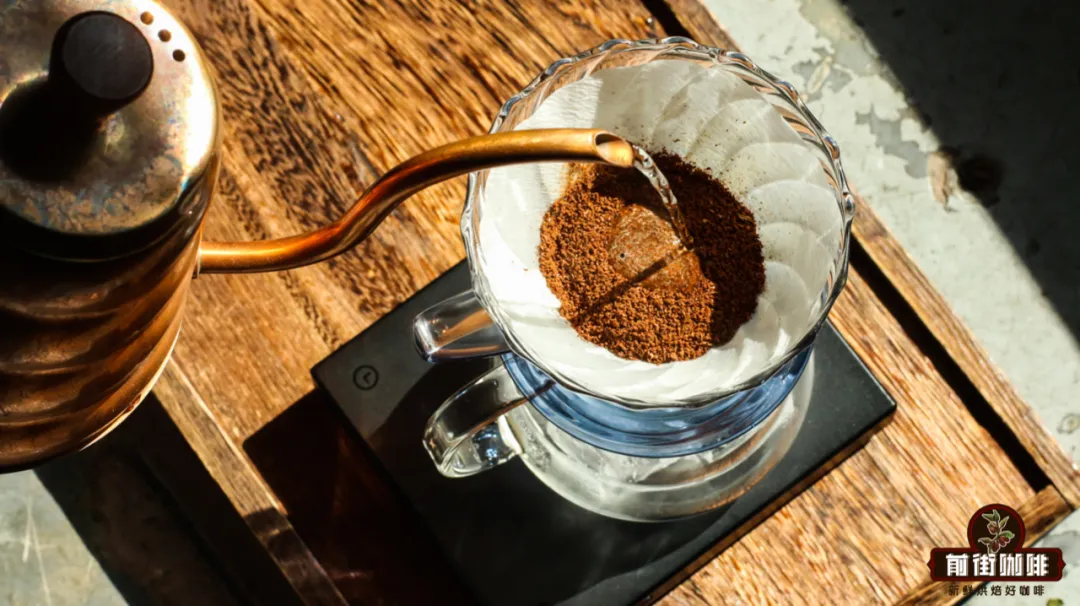
The answer is: of course there is! And Front Street Coffee has mentioned this method repeatedly before, such as in previous articles on the Clever Dripper, French press, drip bags, and yesterday's cupping article. That's right, it's immersion.
Mix coffee grounds and water together, let them steep for a period of time, then filter out the grounds, and you get a cup of coffee with full flavor and even extraction. Many people, because the method is so simple, assume right away that it won't taste good. But in reality, most of the time coffee tastes bad because the parameters are wrong. As long as the parameters are right, immersion-brewed coffee is actually quite delicious.

Not only that, immersion brewing also has two very appealing advantages. First, it doesn't require much equipment. A French press, a Clever Dripper, or just any two containers plus a filtering tool, and you can start making coffee. Very convenient. Second, it has a high tolerance for error. As Front Street Coffee has always said, coffee does not over-extract that easily. Even if the grind is slightly finer, the water temperature slightly higher, or the immersion time slightly longer, bitter and harsh notes won't easily come through.
There are three reasons: during immersion, the water temperature is not constant and gradually drops over time; the concentration gradient principle slows the dissolution rate of substances as the liquid concentration increases; and during immersion, the coffee grounds are not agitated much. These three factors combined make it even harder for the slower-dissolving bitter and harsh notes to be released, so the coffee naturally does not over-extract easily. That's why Front Street Coffee says that as long as the parameters are right, brewing a good cup of coffee with immersion is not difficult. Today, Front Street Coffee will share again how to easily brew a delicious cup of coffee.
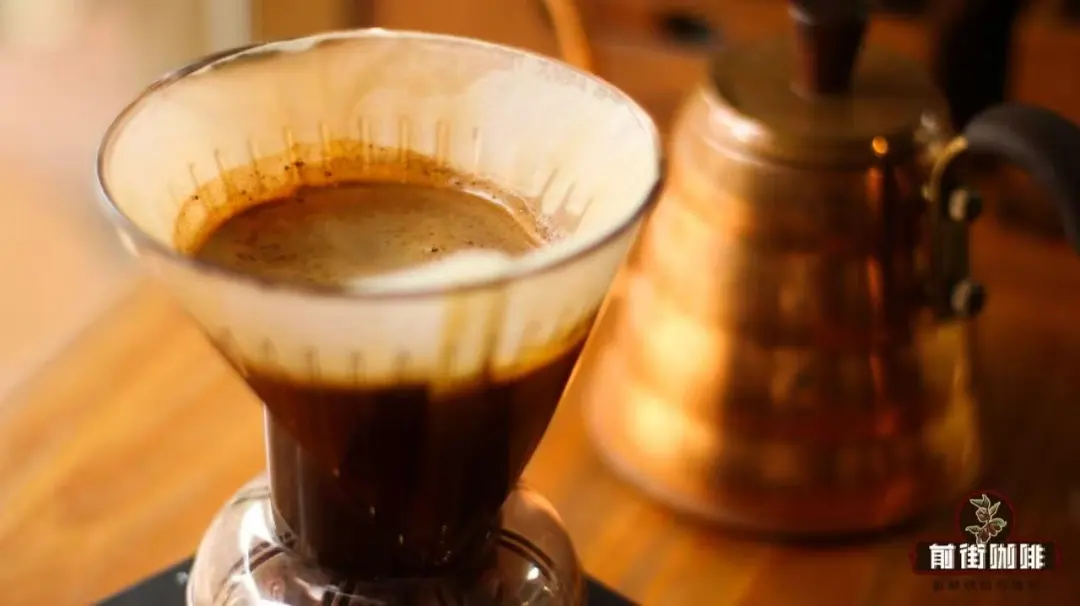
Brewing Guide For equipment, if you have a Clever Dripper or French press, just use it directly; if not, as Front Street Coffee mentioned earlier, prepare any two containers and one filtering tool. One of the containers is best if it has a pouring spout, making it easier to pour out the coffee. For the filtering tool, you can choose a paper filter dripper, a mesh filter, or a cloth filter. If you want a cleaner mouthfeel, use a paper filter dripper; if you want a fuller body and richer aroma, choose a mesh filter or cloth filter.
For parameters, the grind size needs to be adjusted according to the roast level of the coffee beans, while other parameters remain the same. Specifically: coffee-to-water ratio 1:15; brewing water temperature can be used as soon as it is boiled; for grind size, light to medium-light roasted coffee beans should have a 75%~80% passing rate through a No. 20 sieve, and medium-dark to dark roasted coffee beans should have a 70%~75% passing rate through a No. 20 sieve, which is the regular hot brew grind size, about the size of granulated sugar. Immersion time is 8 minutes. If you need to shorten the time, you can increase the number of stirs during the process. The coffee beans used in this Front Street Coffee demonstration are the Ethiopian Huakui from our bean list, one of the beans in this event. The event ends tonight, so friends who haven't caught it yet should take note. This is a medium-light roasted coffee bean, and the dose used is 20g.
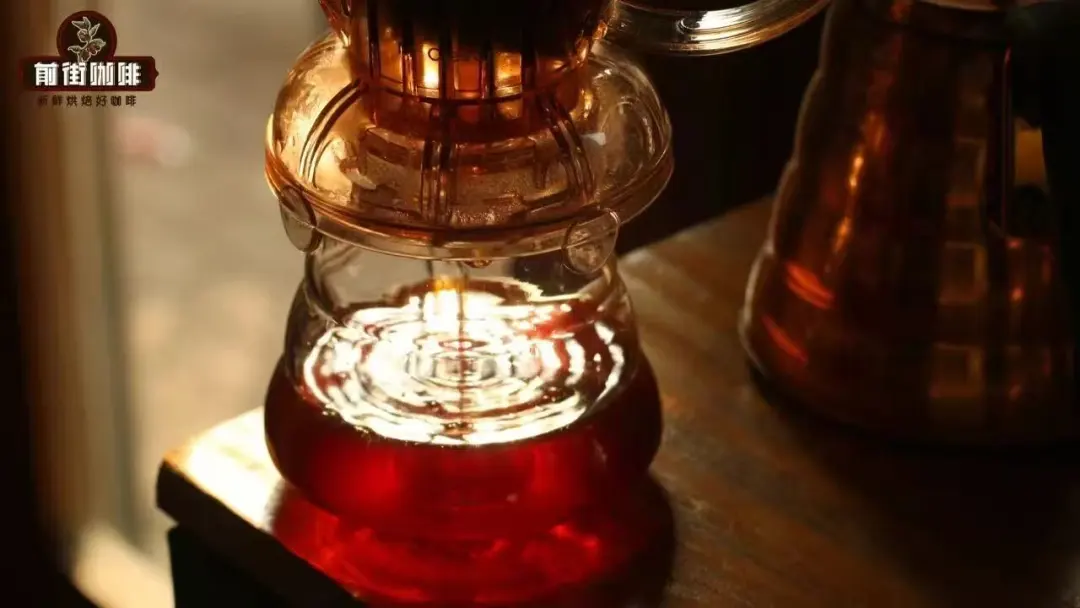
First, pour the coffee grounds and hot water into the sharing pitcher in order. Since Front Street Coffee is using a dose of 20g, the amount of water poured here is 300ml.
After pouring the hot water, let it sit for 4 minutes. After 4 minutes, use any tool to push down the coffee grounds floating on the surface, then wait another 4 minutes.
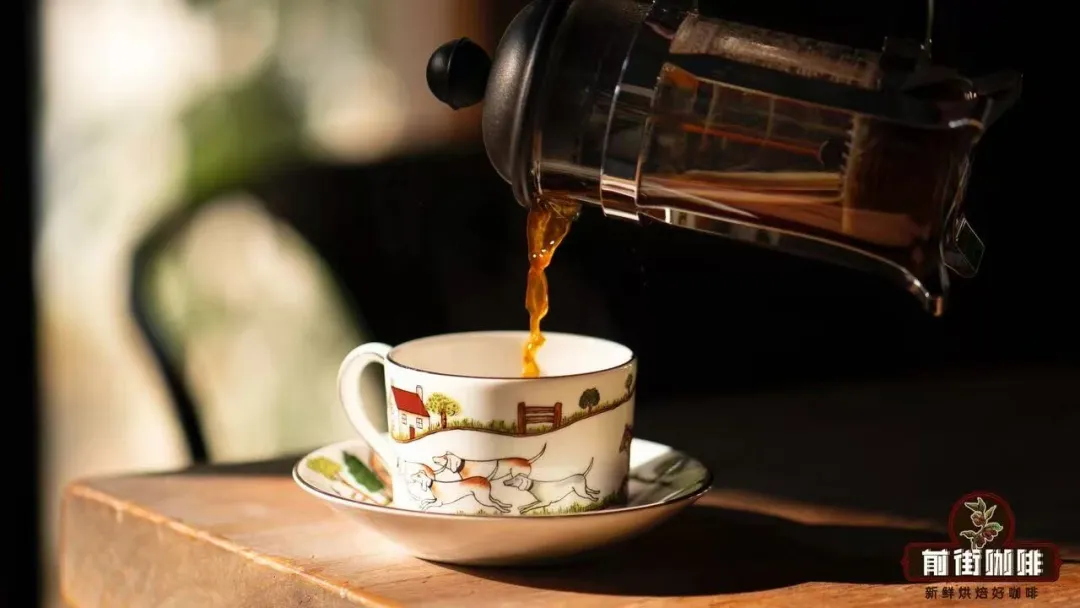
When the time reaches 8 minutes, you can prepare the filtering tool and filter out the coffee grounds. If using a paper filter dripper combination for filtration, the filtration time is about 1 minute. Remember to give it a gentle swirl before filtering.
Coffee brewed this way tastes and feels very different from pour-over. Pour-over coffee has a shorter brewing time and less even extraction, so the final cup has more layers and complexity. The characteristics of immersion coffee, as Front Street Coffee has shared before: because the coffee grounds are all submerged in water, the extraction efficiency they experience is roughly the same, and the substances dissolved are also roughly the same. Because of this, the coffee made this way has a very balanced taste, higher sweetness, and a fuller body. The flavor performance is equally impressive — strawberry, citrus, berries, oolong tea, all very nice.

That's all for this sharing. I highly recommend everyone give it a try. Compared to pour-over or most other coffee brewing methods, immersion is much simpler, with a very low learning curve. Just grind the coffee, boil the water, mix and steep according to the ratio, and you're done. Give it a try.
- END -
The above content is compiled by CoffeeHunters, a coffee news website.


