








Adjusting Brewing Parameters for Aged Coffee Beans
Coffee beans stored properly can still make good coffee within two months after roasting. The main change is aroma loss, not a complete loss of flavor. As carbon dioxide escapes over time, extraction efficiency increases, which can lead to bitterness or astringency if you keep the same brewing recipe. Understanding gas loss helps explain why stale beans need different handling.
To compensate, lower the water temperature, coarsen the grind, shorten brew time, and adjust the coffee-to-water ratio. These changes reduce over-extraction and bring back sweetness. For example, a Hacienda La Esmeralda Green Label Geisha stored for nearly two months can be brewed in one minute and fifty-two seconds, still yielding a full-bodied cup with pleasant acidity and no negative flavors.
Does coffee really only taste bitter and muddled after sitting for a long time? In fact, as long as it is stored properly, it can still brew good coffee within two months after roasting. The key is understanding how gas loss affects extraction efficiency. Based on Front Street's practical experience, this article analyzes the essential reasons behind the flavor decline of stale beans and provides specific solutions such as lowering the water temperature, coarsening the grind, shortening the time, and adjusting the coffee-to-water ratio. Finally, using a Hacienda La Esmeralda Green Label Geisha that has been stored for nearly two months as an example, it fully demonstrates a 1-minute-52-second brewing process to help you still obtain a cup of coffee with full sweetness and no negative flavors even when it is not fresh.

When coffee beans enter the stage of flavor decline, they do not immediately become undrinkable; compared with their peak state, the aroma is simply no longer as full and expressive. However, if you brew such beans into a cup of coffee with prominent bitterness, messy flavors, and obvious astringency, then the problem is most likely in the brewing process, not the beans themselves.
Front Street often receives similar feedback: after the beans have been left for more than a month, when brewed again, not only do the flavors decline noticeably, but they are also accompanied by unpleasant bitterness and off-flavors. This leads many people to mistakenly believe that this is the inevitable negative result after coffee beans have been stored for a long time.
But as Front Street said above, this is actually caused by improper brewing. Although as storage time lengthens, the probability of negative flavors such as bitterness and off-flavors does indeed rise, as long as we reasonably regulate the extraction parameters, we can still make a good cup of coffee.
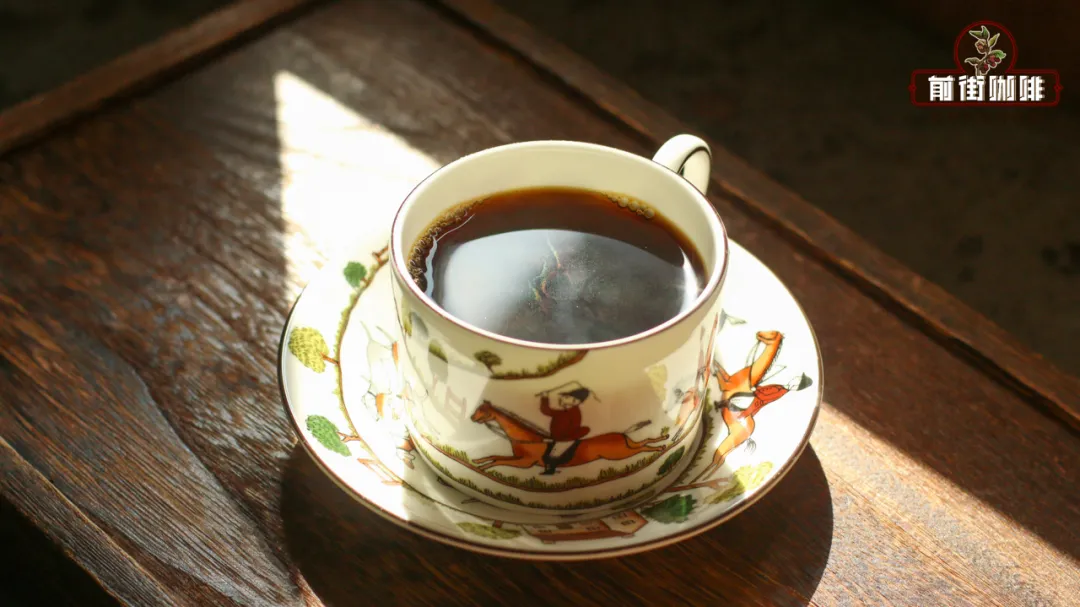
As long as the storage method is appropriate, coffee beans can still brew a satisfying taste within two months after roasting is completed. It is just that the longer they are stored, the thinner the aroma layers of the finished coffee become. The reason is that most of coffee's aroma components are volatile and will continuously escape into the air.
Even so, we can still taste full-bodied acidity and sweetness in the coffee, because these flavor substances are basically non-volatile and will not disappear over time.
However, the loss of gas brings a chain reaction to extraction—the extraction efficiency during brewing will quietly increase. Originally, a large amount of carbon dioxide was locked inside the coffee beans, and we needed a longer blooming time and higher extraction parameters to offset its obstruction in order to fully extract the ideal flavor substances.
But when the beans have been left for a long time, carbon dioxide and some flavor substances are lost together, and the extraction resistance decreases accordingly. As a result, the various components in the coffee are actually easier to extract. This includes those substances that bring unpleasant tastes such as bitterness, off-flavors, and astringency—because the overall extraction has become easier, their dissolution rate naturally rises as well.
If the brewing parameters remain unchanged, we will unknowingly make a cup of coffee that is over-extracted and full of negative flavors.
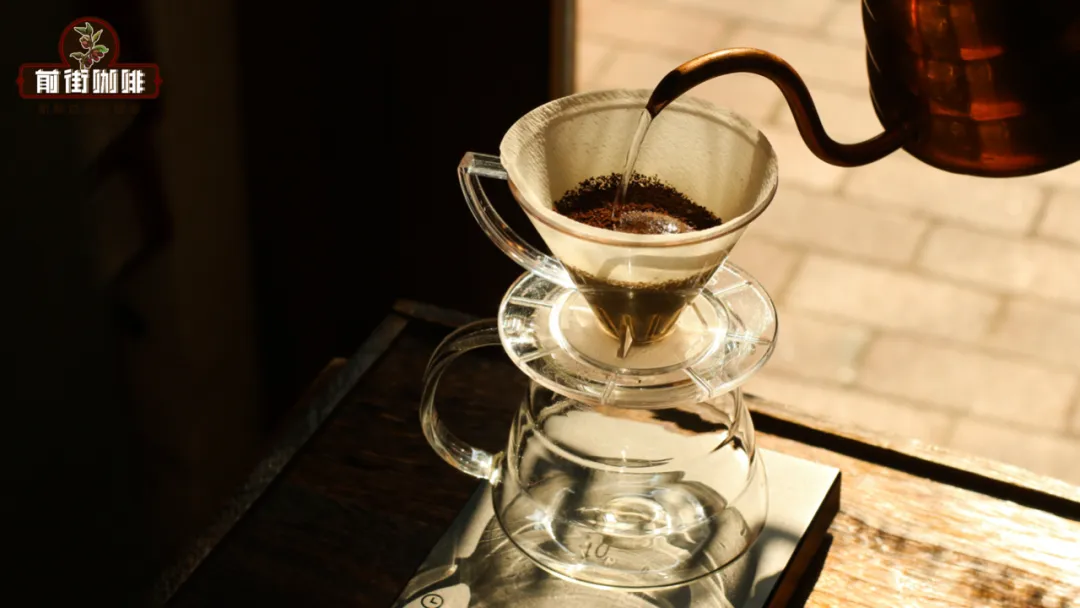
If you do not want to fall into this situation, Front Street's suggestion is to appropriately adjust the extraction parameters and reduce the proportion of negative substances in the cup by lowering extraction efficiency. In this way, the coffee will perform much better.
The operation is not complicated: lowering the water temperature, coarsening the grind size, and shortening the extraction time are all very effective options. However, everyone should be reminded that coffee stored too long has, after all, lost more flavor, so the aroma when drinking will not be so abundant. If you want to brew a cup of coffee that is both tasty and relatively concentrated in aroma using beans older than one month, then the coffee-to-water ratio is also worth including in the adjustment range.
The coffee-to-water ratio refers to the ratio between coffee grounds and the hot water used. Front Street shared in yesterday's post: the larger the coffee-to-water ratio value, the stronger the brewed coffee, and vice versa, the lighter it is. By increasing the coffee-to-water ratio, we can raise the concentration of the coffee, making the taste more concentrated, and the aroma naturally becomes easier to perceive.
Coincidentally, Front Street happens to have a batch of coffee beans roasted at the end of October, nearly two months since roasting was completed. It had been portioned out earlier for experimental needs, but then, because things got busy, it was forgotten and has been left until now. Since today's topic is exactly how to brew long-stored beans so they taste good, next Front Street will use it to demonstrate in practice how to brew a coffee that has been stored too long and is not very fresh.

Brewing Sharing The beans Front Street is using this time are Front Street Hacienda La Esmeralda · Green Label Geisha from the bean list. The extraction parameters are as follows: Dose used: 15g Brewing water temperature: 92°C Grind level: 75%~80% passing rate on a No. 20 sieve Coffee-to-water ratio: 1:14 (If you do not want it too strong, you can switch to 1:15) Filter cup used: V60
The water temperature and grind size remain the same. The focus of Front Street's adjustment this time is time. Originally, brewing Green Label Geisha would keep the total time between 2 minutes 15 seconds and 2 minutes 20 seconds (because of its higher density, the time would be slightly longer). This time, Front Street will compress the time to within 2 minutes, which can effectively avoid the release of a large amount of negative substances.
Besides the overall extraction time, the blooming time can also be shortened accordingly. The original purpose of blooming is to help the coffee release a large amount of carbon dioxide, and when there is little carbon dioxide left in the beans due to volatilization, we naturally do not need to spend so long degassing. Therefore, for the first pour, use water at twice the dose of coffee grounds and bloom for 20 seconds.
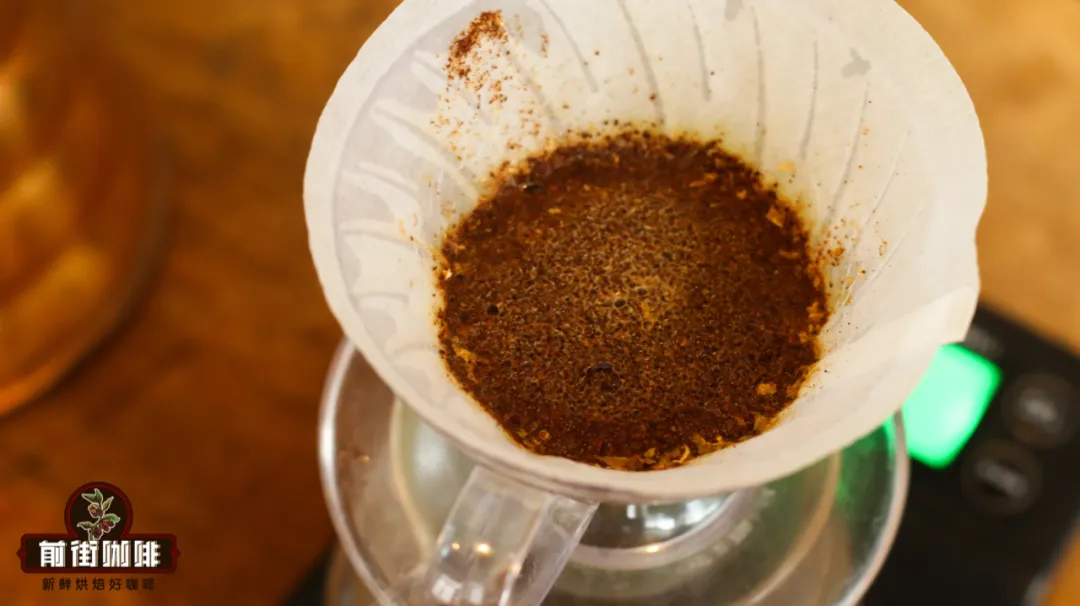
After blooming ends, pour the second portion of hot water, 110ml in total, using a moderate stream and pouring in large circles. When this portion of hot water has mostly permeated through the filter cup, you can begin pouring the third portion.
For the third portion of hot water, use a strong stream and pour in small circles around the center of the coffee bed, for a total of 70ml in this stage. The purpose of using a strong stream is to compress the extraction time and reduce the amount of dissolved negative substances.
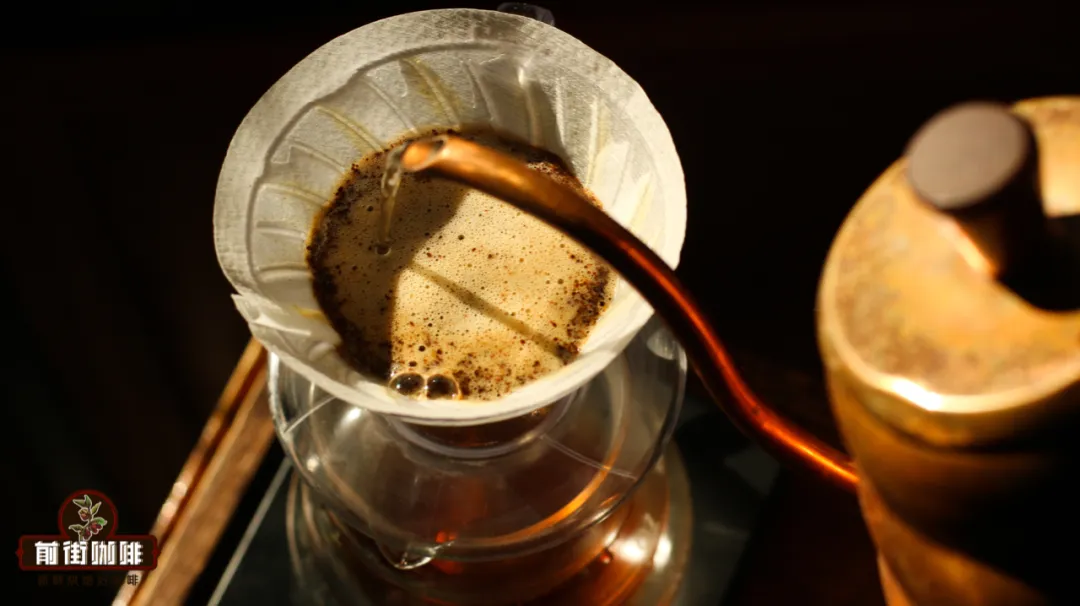
After the liquid has completely drained from the filter cup, remove the filter cup, and extraction is complete.
Total time: 1 minute 52 seconds! The Green Label Geisha brewed this way has very high sweetness, a honey-like sweetness, with no negative flavors at all. In terms of flavor, it presents citrus, berries, oolong tea, and a faint floral note. Although it is not as stunning as Green Label Geisha within its optimal drinking period, its performance is already quite good.
The above is the brewing approach for long-stored coffee beans. You can refer to it and adjust the parameters yourself. However, Front Street still recommends that you do not store beans for too long—although it can still brew a good cup of coffee, from the above description you can see that its aroma performance is far inferior to beans within their optimal drinking period. Coffee is still best when fresh.
- END -
The above content is compiled by CoffeeHunters, a coffee news website.


