







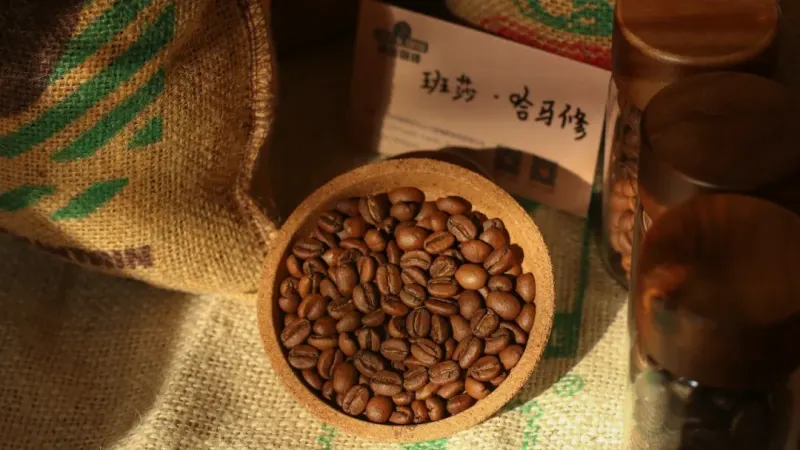
How Do Ethiopian Coffee Processing Methods Shape a 74158 Natural?
The Hamasho processing station in the Bensa region of Ethiopia prepares its 74158 variety by the natural method, drying whole cherries so the fruit character stays in the bean. Combined with the area's growing conditions and a disease-resistant variety, the cup shows a layered profile, from the dry aroma released during grinding to the shifts in flavor after sipping.
Hamasho village sits north of Bensa town, and its name means snake in the Sidama language, a local symbol of strength. Production there rests on smallholder farmers, and since the station began working with Daye Bensa Coffee, founded in 1996, quality has risen. The trader links dozens of processing stations and thousands of farmers, buying green coffee beans and offering technical guidance that lifts both quality and commercial value.
This coffee that Front Street is presenting this time comes from the Hamasho processing station in the Bensa region of Ethiopia, processed by the natural method, of the 74158 variety. The combination of superior terroir, meticulous post-harvest processing, and a single disease-resistant variety allows this bean to display a distinctive flavor profile. From the dry aroma during grinding to the layered changes after sipping, it left a deep impression on Front Street. This article will introduce in detail the background of the Hamasho processing station, the characteristics of the 74158 variety, and the natural processing flow, and share the parameters and flavor experience Front Street actually used when brewing this bean, for coffee lovers' reference.
Today, Front Street wants to talk with everyone about this bean, produced at the Hamasho processing station in the Bensa region, naturally processed, of the 74158 variety. Outstanding origin conditions, refined processing techniques, and excellent variety genetics make this coffee's flavor especially unique. Front Street was already deeply attracted by the dry aroma it released during grinding—it truly is a rather outstanding bean~
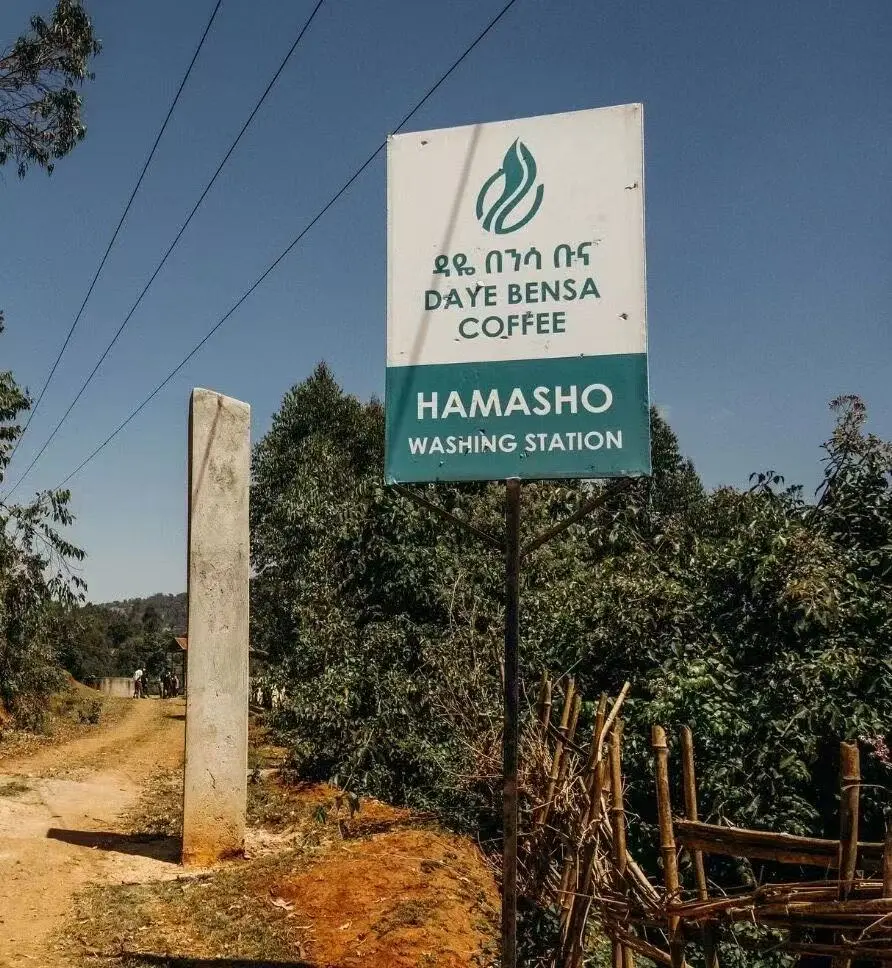
Hamasho Processing Station The Hamasho processing station is located in Hamasho Village, north of Bensa Town. In the Sidama language, Hamasho means "snake," which in local culture represents strength and spirit. Similar to many production areas in Ethiopia, coffee production here is also mainly based on smallholder farming. Because the local area has very ideal coffee-growing conditions, the quality of the coffee produced should not be underestimated. Especially after the Hamasho processing station began cooperating with Daye Bensa Coffee, the coffee quality rose to a new level.
Daye Bensa Coffee is a well-known local coffee trader, founded in 1996, and has accumulated a good reputation in the industry with extremely high-quality coffee beans. At present, the company maintains deep cooperative relationships with dozens of local coffee processing stations and thousands of coffee farmers. They not only produce high-quality green coffee beans, but also provide technical guidance to coffee farmers, thereby improving the overall quality and commercial value of the coffee. When Front Street previously introduced Elto Coffee, it mentioned that Elto Coffee's founder Eliyas once served as operations manager at Daye Bensa, where he accumulated rich knowledge related to green coffee beans and met his wife Atiklit Dejene.
Anyway, after cooperating with Daye Bensa, the quality of coffee beans produced by the Hamasho processing station indeed rose to a new level. With excellent quality and a unique flavor profile, the Hamasho processing station has become a frequent name on the award lists of Ethiopian green bean competitions, and the coffee beans it produces are also favored by many coffee lovers. In terms of planted varieties, the coffee at the Hamasho processing station is mainly based on the 74 series disease-resistant varieties released by JARC (Jimma Agricultural Research Center). The Hamasho coffee Front Street acquired this time is exactly 74158 from the 74 series.
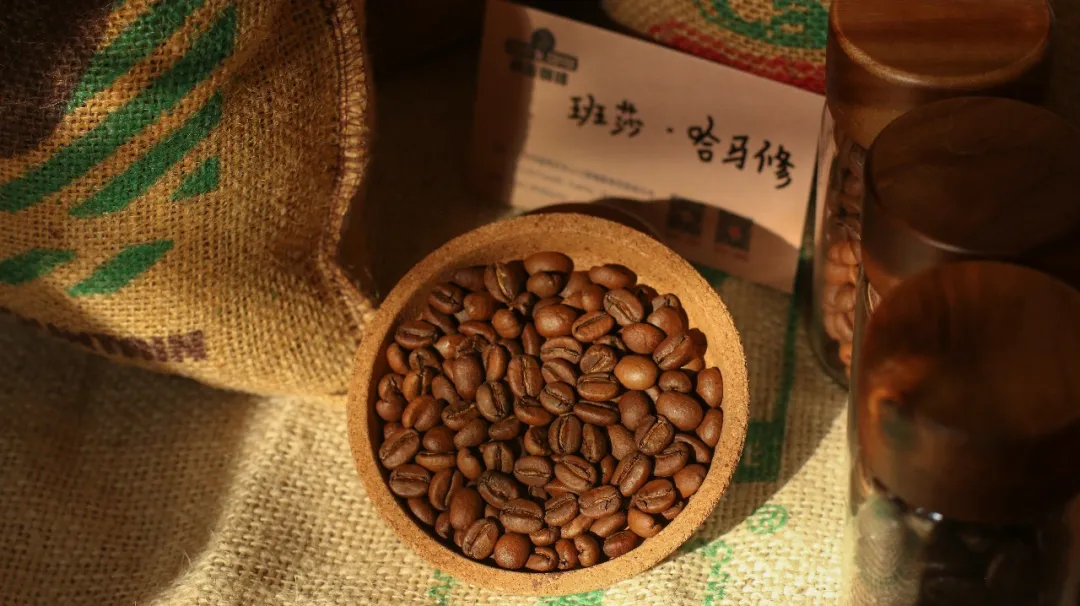
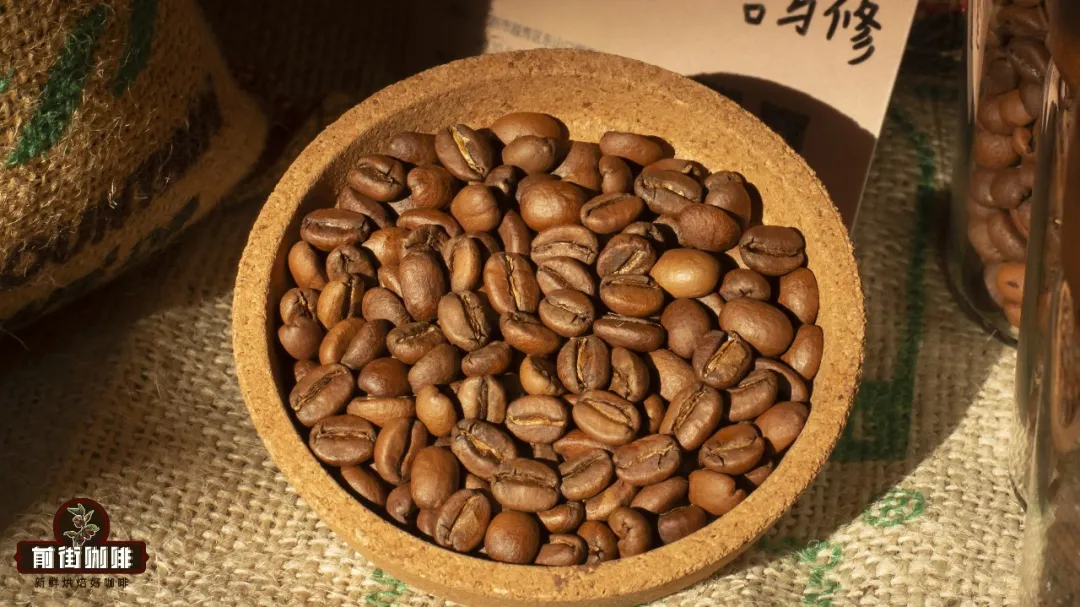
As can be seen, this bean is not like the commonly seen Ethiopian beans of the past with uneven sizes and irregular appearance; these are similar in particle size, small and round, with a screen size of about 10~12 mesh. Such a uniform appearance is due on one hand to being a single variety, and on the other hand inseparable from the rigorous processing methods of the Hamasho processing station. In order to control green bean quality, all coffee beans processed by the Hamasho processing station use fully ripe red cherries, and they flexibly apply different post-harvest processing methods to display each batch's coffee flavor as perfectly as possible.
The 74158 that Front Street acquired this time uses natural processing! Before formally entering the natural drying stage, workers conduct a second sorting of the fully red cherries collected from coffee farmers, removing overripe and underripe fresh cherries, and only then begin natural processing.
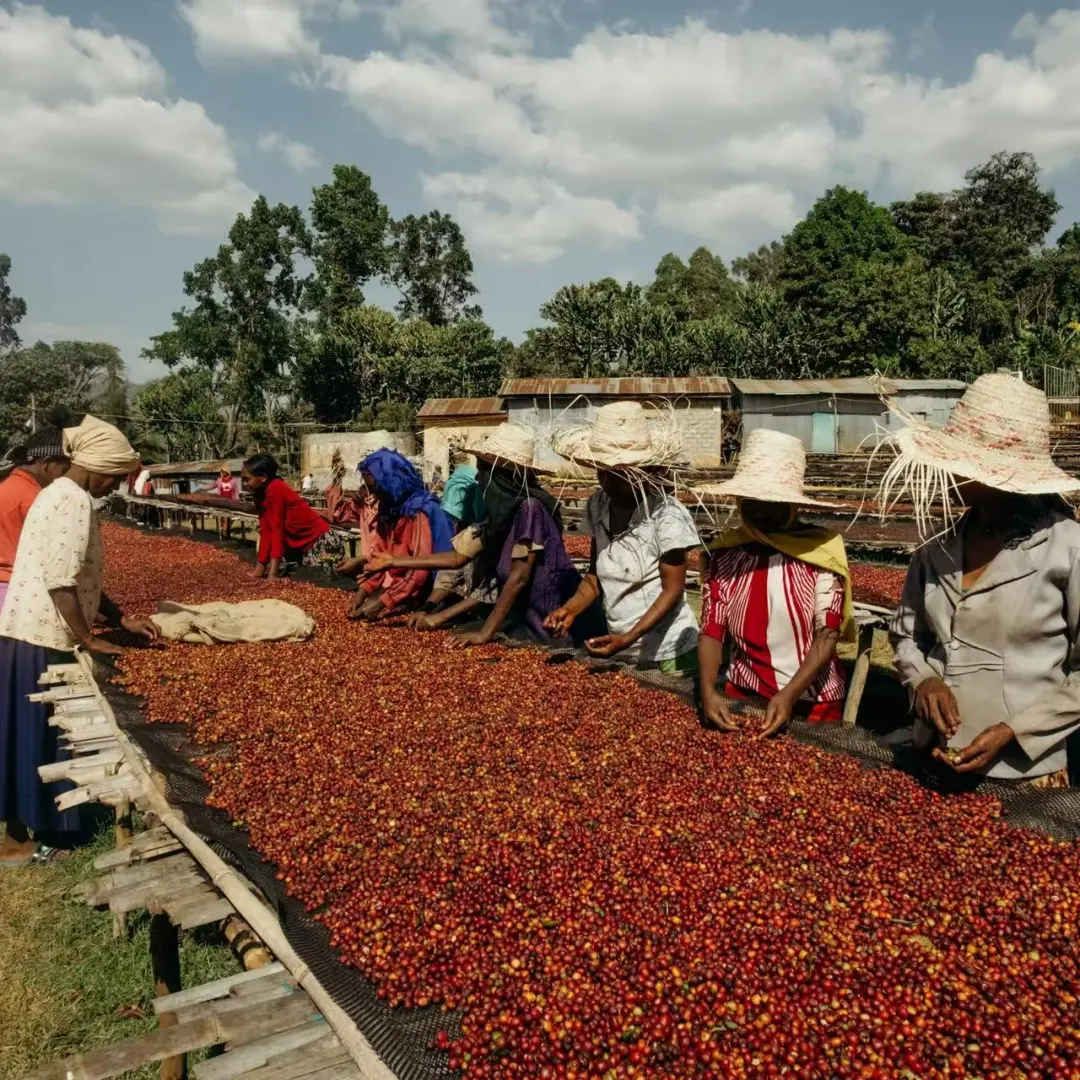
Natural processing is not complicated to describe: simply spread the coffee beans on drying beds to dry. But to ensure stable quality, workers need to frequently turn the coffee cherries on the drying beds so that the drying degree of the coffee cherries tends to be consistent, while also preventing mold growth. The whole process lasts 2~3 weeks. When the moisture content of the coffee cherries drops to a certain level, they can be transported to the warehouse for hulling, and then await export. In order to fully display the excellent flavor of this coffee bean, medium-light roasting is naturally the most suitable choice. Therefore, Front Street used several different medium-light roasting curves to roast it, and finally through cupping selected the best-performing roasting curve for subsequent production~
Ethiopia · Hamasho Processing Station Natural Process 74158 Region: Ethiopia · Bensa Region Processing Station: Hamasho Processing Station Altitude: 1920~2020 meters Processing Method: Natural Process Variety: 74158
Flavor: strawberry, floral, guava, sweet orange, honey, green grape
As Front Street said at the beginning, this Hamasho 74158 already gave off a captivating dry aroma during grinding, and we could clearly smell sweet notes reminiscent of perfume lemon, strawberry, and star fruit. So Front Street immediately began brewing. Since it is a medium-light roasted coffee bean, Front Street here also uses brewing parameters for medium-light beans, for everyone's reference: 15g dose, 1:15 coffee-to-water ratio, 92°C water temperature, grind setting with a 20-mesh sieve passing rate of 75%~80%, extraction time 2 minutes.
As soon as the coffee entered the mouth, Front Street sensed very clear sweet aromas of strawberry, star fruit, and green grape, then a faint floral note gradually emerged, and finally it finished with an oolong tea aftertaste. As the temperature dropped slightly, the coffee's sweetness not only did not weaken but actually increased. Tasting it again at this point, Front Street also captured the high-sweetness flavors of guava and sweet orange. Overall, the coffee is mainly sweet with acidity as a supporting note, has a light mouthfeel, and a long-lasting aroma. It is rich in layers while also making one feel very comfortable—a coffee bean that quite surprised Front Street~ - END -
The above content is compiled by CoffeeHunters, a coffee news website.


