







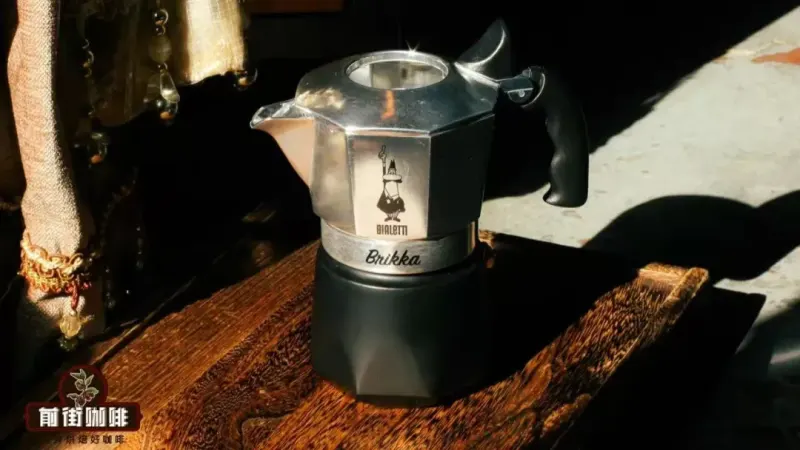
How Does Valve Count Change a Moka Pot?
A moka pot works the same way whether it has one valve or two: water in the lower chamber is heated until steam builds enough pressure to push hot water up through the coffee bed and into the upper chamber. The valve count changes how much pressure can accumulate, which affects extraction strength and body rather than the basic brewing principle.
Single-valve models release excess pressure earlier, giving a gentler, more forgiving extraction, while double-valve versions hold pressure longer and can produce a stronger, denser cup. Three-valve versions exist but add confusion for newcomers. Buyers who mainly drink milk coffee may prefer the fuller result of a double-valve unit, and beans such as an espresso blend or a single-origin lot suit moka pot brewing.
For making coffee at home, the moka pot has become the top choice for many beginners thanks to its affordability, portability, and simple operation. But when buying one, a common dilemma always comes up: should you choose a single-valve or double-valve model? There are also three-valve versions on the market, which confuse newcomers even more. From Front Street's perspective, this article first compares the core structural differences between single-valve and double-valve models, then analyzes how the pressure valve affects extraction pressure and coffee strength, and finally gives targeted buying advice based on whether you make milk coffee. We also recommend two coffee beans suitable for moka pots—Front Street Strawberry Candy Espresso Blend and Front Street Queen's Estate SOE—to help you avoid bitterness while finding your preferred flavor direction.
To make all kinds of coffee at home, many people are planning to get a coffee brewer. Thanks to its affordability, portability, and simplicity, the moka pot has become the first choice for many when picking out equipment.
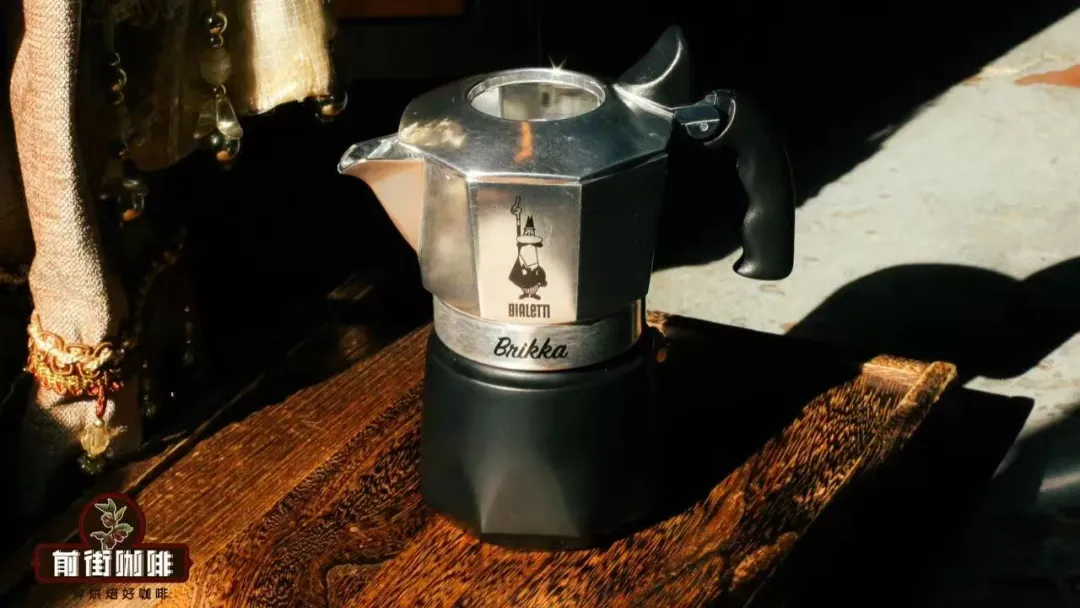
"Should I choose a single-valve or a double-valve?" This is a question many people struggle with when buying a moka pot. Today's moka pots not only come in different brands but also differ in the number of valves. Single-valve, double-valve, and even three-valve models leave many beginners confused. Even if you search online for which is better, you only get ambiguous answers.
That's why friends often ask Front Street this question when buying coffee beans at Front Street stores: single-valve or double-valve, that is a question worth pondering! So today Front Street will share with you what exactly the differences are between single-valve and double-valve moka pots, and how beginners should choose~
What's the difference between single-valve and double-valve moka pots?
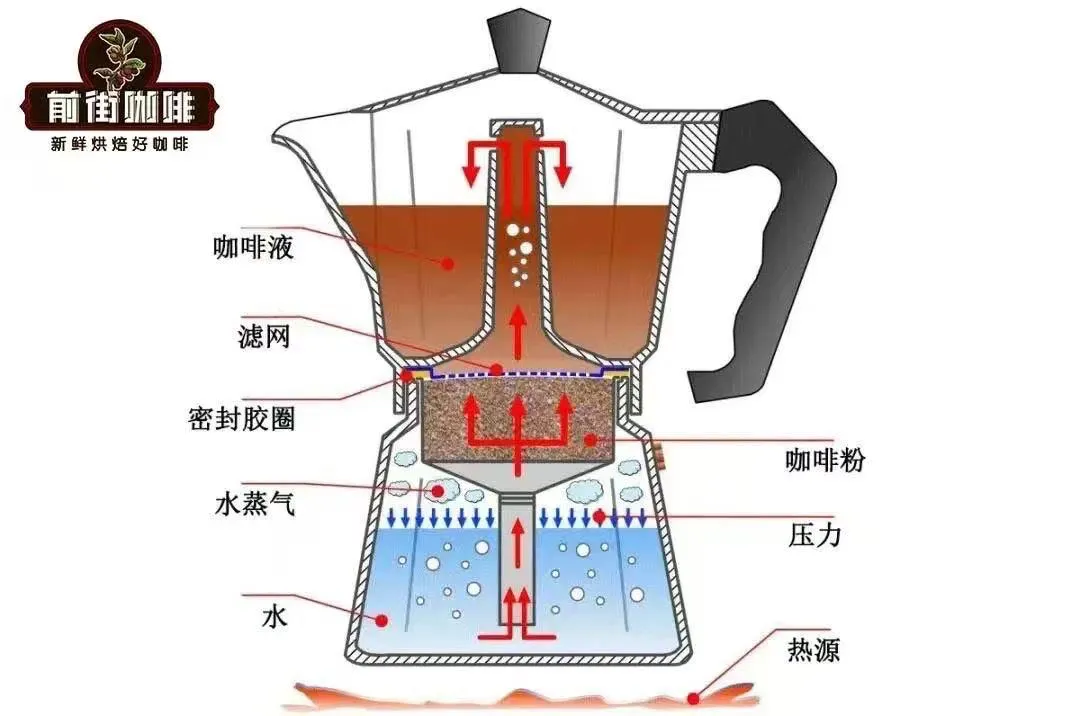
Structurally speaking, there isn't much difference between single-valve and double-valve moka pots. Both consist of a water chamber, a filter basket, and an upper chamber that holds the coffee liquid.
By heating the water in the lower chamber, steam generation accelerates, and the accumulating pressure pushes hot water upward to extract the coffee. Finally, the hot water dissolves the soluble compounds in the coffee and becomes coffee liquid that seeps out from the spout of the upper chamber. This is the entire moka pot extraction process, and it's the same for both single-valve and double-valve moka pots.
However, the difference from single-valve models is that double-valve moka pots have an extra valve. Above the lower chamber of a moka pot, there is a valve that looks like a switch—this is the safety valve that every moka pot is equipped with. Its purpose is to release steam in time when pressure builds up too much, preventing the pot from exploding. Double-valve moka pots have an additional valve called the pressure valve. As the name suggests, it is used to increase extraction pressure.
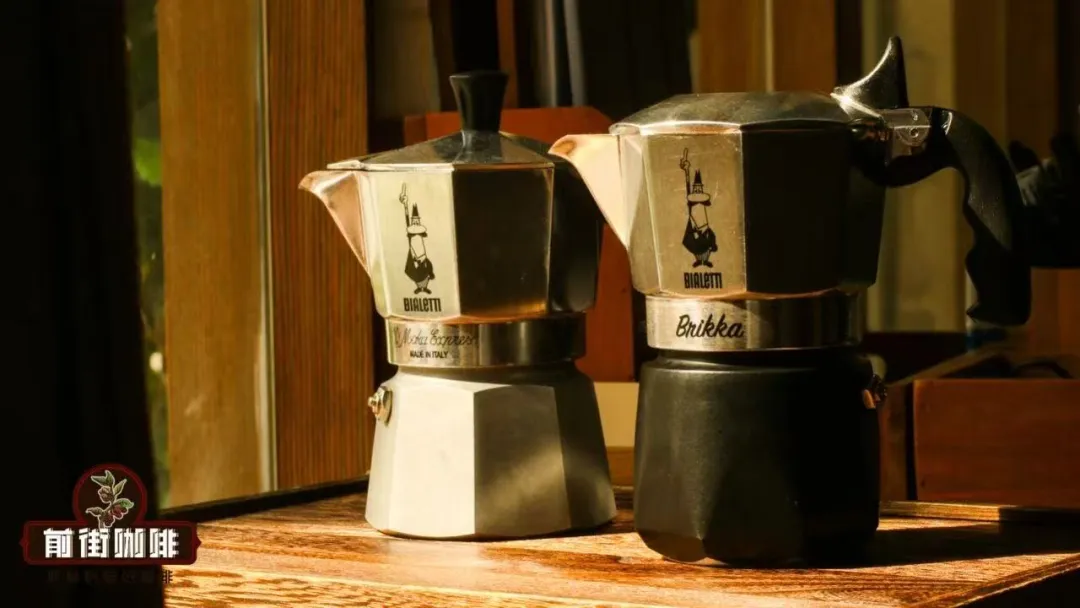
If you've searched for posts about single-valve vs double-valve moka pots, Front Street believes you've probably seen comments in some post's comment section that look like fans of two rival brands going at each other, such as: "Double-valve moka pots are more likely to brew bitter coffee than single-valve ones," or "Coffee brewed with a single-valve moka pot isn't as strong as with a double-valve one"...
Well, none of these statements are wrong! Under the same parameters, coffee brewed with a double-valve moka pot is indeed stronger than with a single-valve one, and it is indeed more likely to brew a bitter pot of coffee. The reason is that the double-valve moka pot has an extra pressure valve.
As Front Street mentioned earlier, the pressure valve's function is to increase the pressure during extraction. The higher the pressure involved in extraction, the higher the extraction efficiency, and the stronger the coffee's flavor, because more substances are dissolved. But precisely because more substances are dissolved, it's also easier to dissolve large amounts of negative compounds like bitterness, off-flavors, and astringency during extraction, resulting in a noticeably unpleasant coffee experience.
Of course, the flavor of moka pot coffee mainly depends on the beans. If you want to avoid bitterness, go for Front Street Strawberry Candy Espresso Blend. It combines beans from three major regions—Colombia, Ethiopia, and Costa Rica—with flavors of rose, grape, dried blueberry, almond, and sweet wine. It's perfect for moka pots and home espresso machines.
If you like creamy nutty aromas, go for the medium-dark roasted Front Street Queen's Estate SOE. This is a Yellow Bourbon variety from high-altitude Brazil, and when brewed with a moka pot, it delivers distinct flavors of creamy peanut, baked toast, cookie, and caramel.
But we need to know that although over-extraction is easy, it's only relative—moka pots are actually quite forgiving! As long as we control the parameters and method well, the coffee we make won't easily be over-extracted.
So back to the point: should you choose a single-valve or double-valve moka pot?
Should you choose a single-valve or double-valve moka pot?
They say buy new, not old, and there's some truth to that. Compared to single-valve moka pots, Front Street would recommend double-valve moka pots more. Because they can make stronger black coffee, and besides meeting our daily black coffee needs, they can also be used to make milk coffee. Since the coffee base is more concentrated, the milk coffee made with it will have a richer, more fragrant expression.
But this doesn't mean single-valve moka pots are bad—they have their own advantages too! If you don't like milk coffee and are sure you'll never make it, then a single-valve moka pot is more suitable for you. Because it's relatively more compact in size, and its price has dropped thanks to the arrival of double-valve moka pots, making it relatively more cost-effective.
Of course, the strong coffee brewed with a single-valve moka pot can also make a fragrant milk coffee—it's just that compared to coffee brewed with a double-valve moka pot, its strength won't be as high and the mouthfeel will be slightly thinner.
In summary, if you need milk coffee, or if black coffee alone isn't enough for you, then Front Street would recommend a double-valve moka pot; but if you just want a pure cup of black coffee and don't have much need for milk coffee, specialty drinks, or other fancy coffee, then a single-valve moka pot is more cost-effective.
And after you buy a moka pot, if you don't know how to use it or how to brew a fragrant, delicious coffee, you can search through Front Street's previously shared articles to learn. Lastly, note that Front Street's Taobao Tmall store only sells coffee beans, not moka pots...
The above content is compiled by CoffeeHunters, a coffee news website.


