







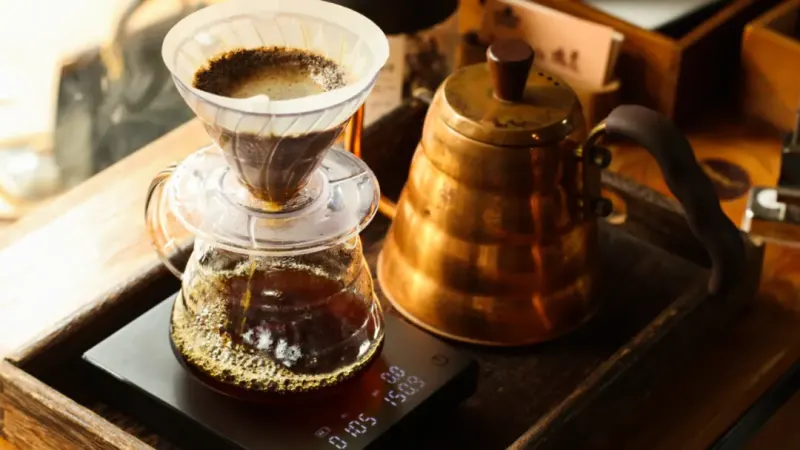
How should coffee brewing change with the roast level?
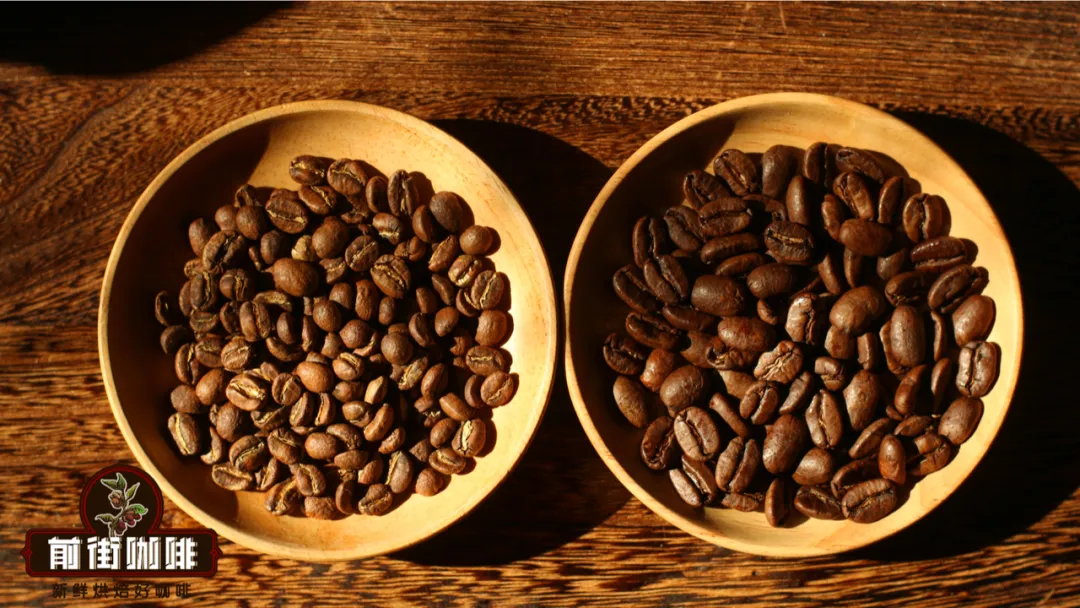
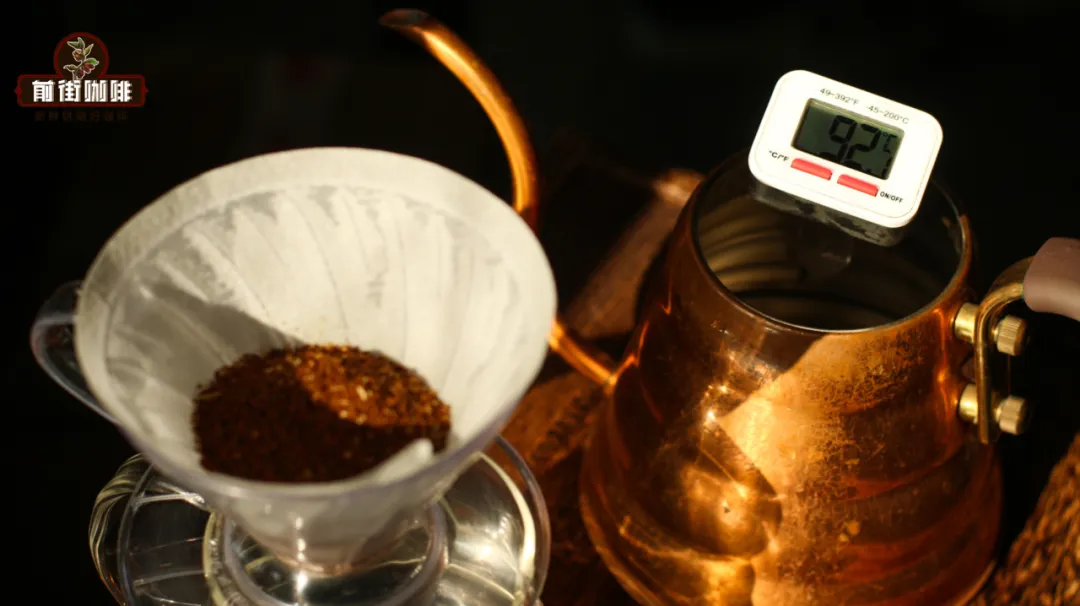
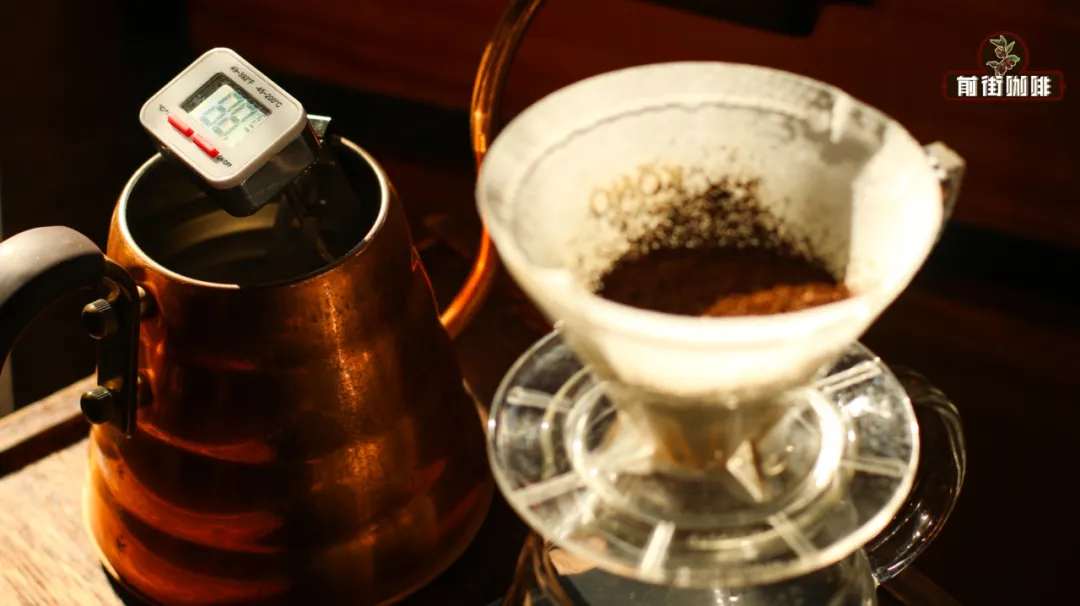
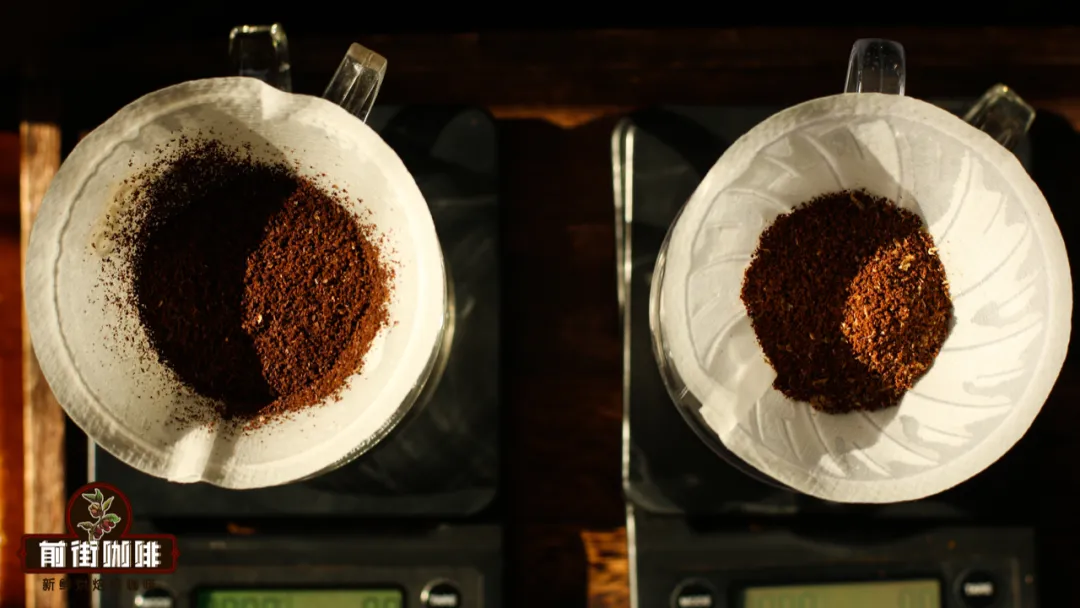
Roast level sets the starting point for coffee brewing. Light-roasted beans call for higher water temperatures around 90°C to 93°C and a finer grind, while dark-roasted beans do better at roughly 86°C to 89°C with a coarser grind. The aim in both cases is to balance flavor and avoid over-extraction.
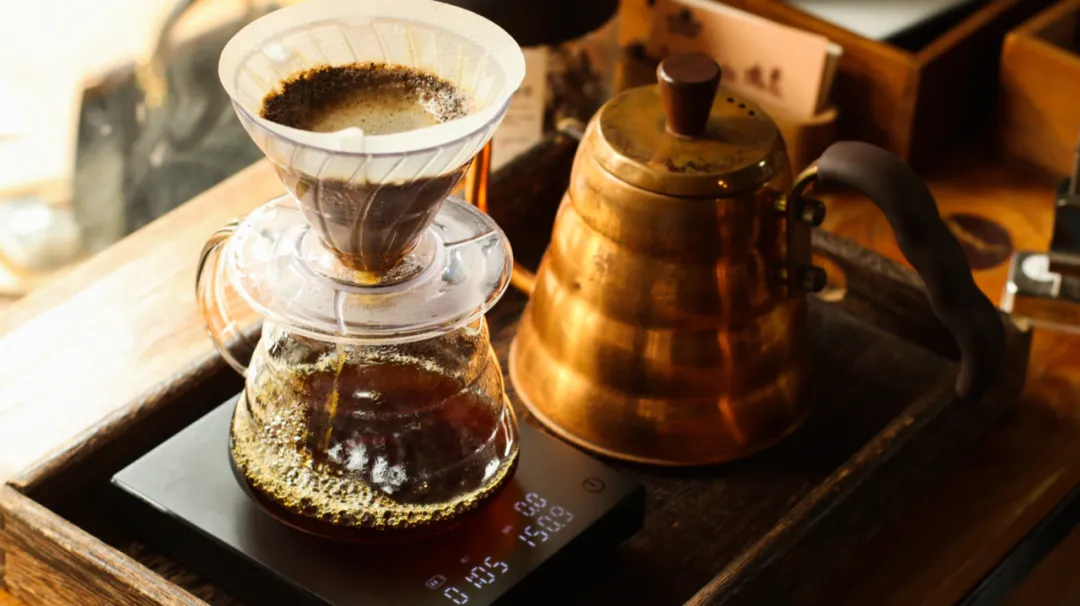
Brewing time and the coffee-to-water ratio stay the same across roast levels, usually about two minutes at a ratio of 1:15. Only water temperature and grind size need adjusting. Changing those two variables first keeps daily brews stable, because the remaining parameters no longer shift with every new bag of beans.
In coffee brewing, the roast level directly influences the choice of extraction approach. Light-roasted beans typically require higher water temperatures and a finer grind, while dark-roasted beans are better suited to lower water temperatures and a coarser grind, in order to balance flavor and avoid over-extraction. This article will compare in detail the differences in brewing methods between the two roast levels, and explain why the time and coffee-to-water ratio remain consistent. By understanding these core variables, coffee enthusiasts can adjust parameters more flexibly, improving the stability and taste of their daily brews. The article also includes practical recommendations from Front Street Coffee to help readers get started quickly in practice.
For example, if the coffee beans used are on the lighter side of the roast spectrum, then a higher water temperature is recommended, roughly between 90°C and 93°C, and the grind should be set finer; conversely, if dark-roasted beans are chosen, the water temperature should be lowered to around 86°C to 89°C, and the grind particles should be correspondingly coarser. As for the brewing time and coffee-to-water ratio, these two parameters are the same in both cases, usually controlled at around two minutes, with a coffee-to-water ratio of 1:15.
The above content is compiled by CoffeeHunters, a coffee news website.


