







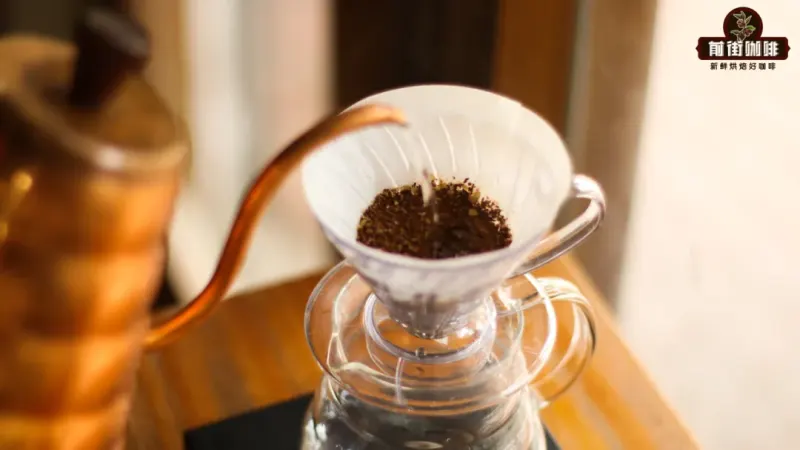
How does the coffee-to-water ratio change extraction?
In pour-over brewing the coffee-to-water ratio sets both strength and extraction yield. A larger ratio value means less water and a stronger cup; a smaller value means more water and a weaker cup. But tests with 1:10, 1:15 and 1:20 ratios returned measured strengths of 1.93%, 1.35% and 1.04%, showing that water volume also shifts how much is extracted.
Changing only the water amount alters extraction time and total dissolved solids, so strength and yield move together rather than independently. To find a ratio that suits your taste, keep grind size, water temp for brewing coffee and pour pattern constant, then adjust one variable at a time and taste the result before moving on.
In pour-over coffee, the coffee-to-water ratio is a seemingly simple yet far-reaching parameter. The amount of hot water poured in not only directly determines the strength of the coffee, but also influences the final flavor profile by changing the extraction time and total extraction yield. The larger the ratio, the less water used and the stronger the coffee; the smaller the ratio, the more water used and the weaker the coffee—but it's far from being that simple. Through measured data, Front Street Coffee has found that merely adjusting the coffee-to-water ratio also causes a noticeable change in extraction yield. So how exactly should you find a coffee-to-water ratio that suits you? And how should you balance strength and extraction yield? Starting from Front Street's experiments, this article will break down the influence of the coffee-to-water ratio on extraction one by one and offer adjustment strategies to help you make wiser choices in your daily brewing.
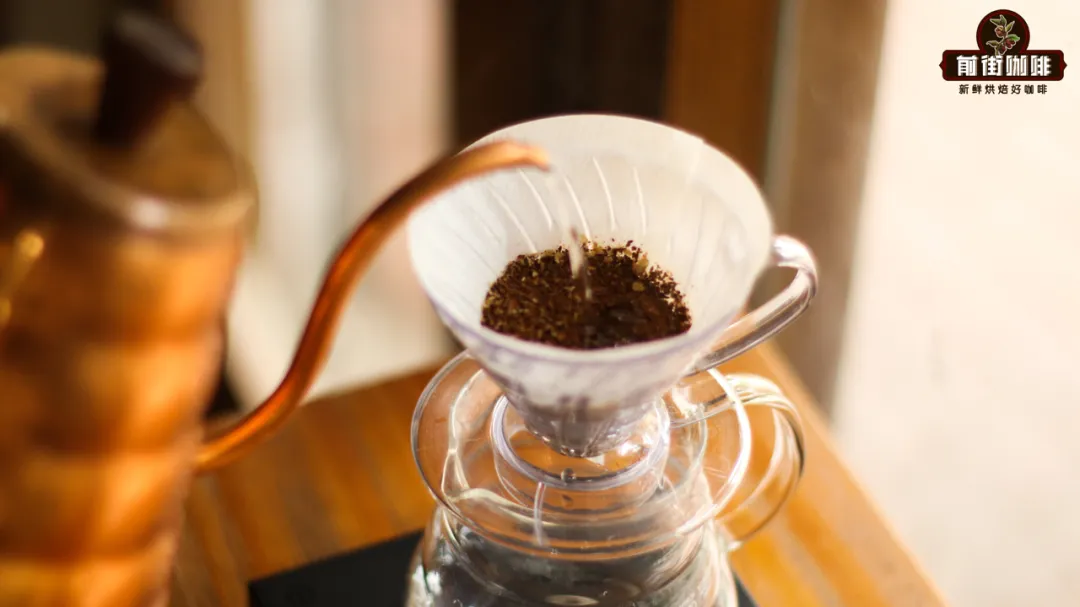
The larger the coffee-to-water ratio value, the less hot water is poured in total; the smaller the value, the more water is used. This ratio is tied to many variables in the extraction process, so whether it is chosen appropriately directly determines whether the coffee tastes good in the end. Today Front Street will talk about how the coffee-to-water ratio affects extraction and how we should determine an appropriate value.
What effects does the coffee-to-water ratio have on coffee?
The coffee-to-water ratio's effect on extraction is mainly reflected in two aspects, the most core of which is coffee strength. Strength refers to the proportion of coffee substances dissolved in the water. Under the premise that all other extraction conditions remain the same, the larger the coffee-to-water ratio, the higher the coffee strength obtained; the smaller the coffee-to-water ratio, the lower the strength naturally.
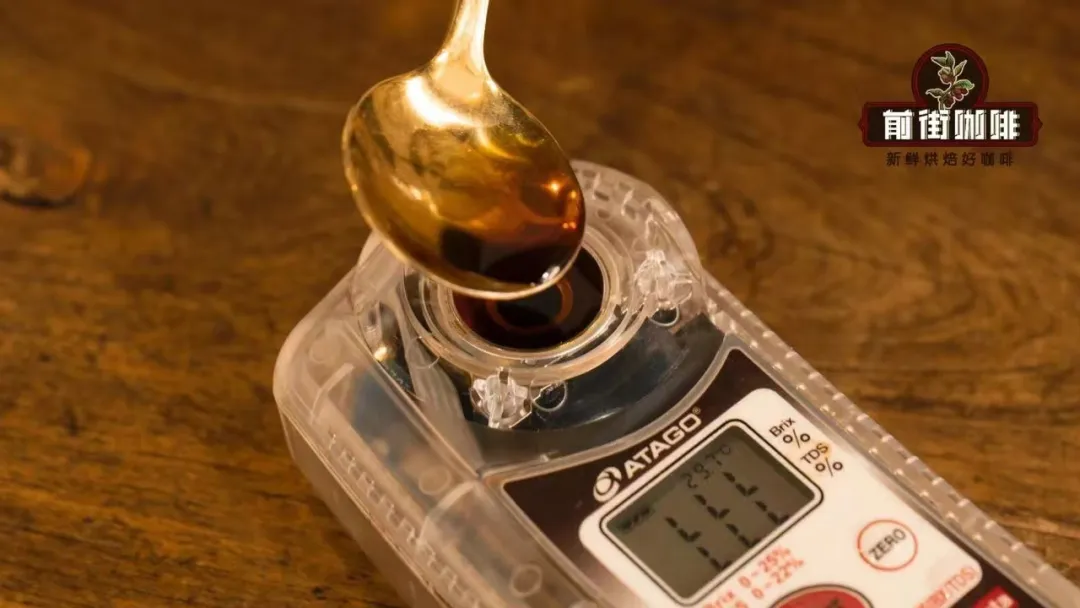
Front Street once conducted a set of comparative experiments: brewing with three different coffee-to-water ratios, namely 1:10, 1:15 and 1:20, and the results measured with a refractometer were 1.93%, 1.35% and 1.04% respectively.
However, the influence of the amount of water poured is not limited to strength alone. Many people tend to do this in daily brewing: if they want a stronger cup, they add less water; if they want a weaker cup, they pour in more water. In principle this is not wrong, but doing so can easily cause the coffee's flavor to deviate. The reason is that the coffee-to-water ratio also involves another key indicator—extraction yield.
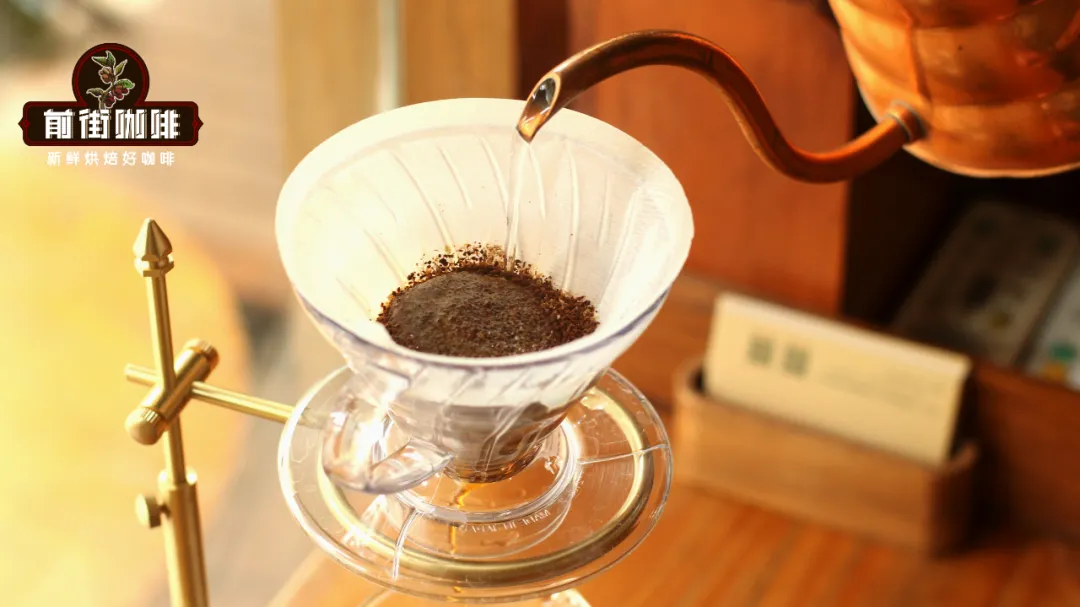
Assuming all other parameters remain unchanged, the larger the amount of water poured, the longer the time spent extracting the coffee. At the same time, the hot water also brings out more soluble substances from the coffee grounds. Taking Front Street's experiment as an example again, under the condition of changing only the coffee-to-water ratio, the extraction yields of the three pots of coffee were: 16.43% for 1:10, 18.55% for 1:15, and 19.72% for 1:20.
This is the rise in extraction yield brought about by increased water and longer time.
And coffee has a range of extraction yield within which the flavor performs relatively well; once it exceeds or falls below this range, most people will not find the coffee tasty. Therefore, we cannot simply adjust strength by adding more or less water; we also need to simultaneously change the pouring technique, grind size or water temperature to ensure the final extraction yield falls within the appropriate range.
The above content is compiled by CoffeeHunters, a coffee news website.


