







Which Coffee Machine Fits Convenience or Flavor Control?
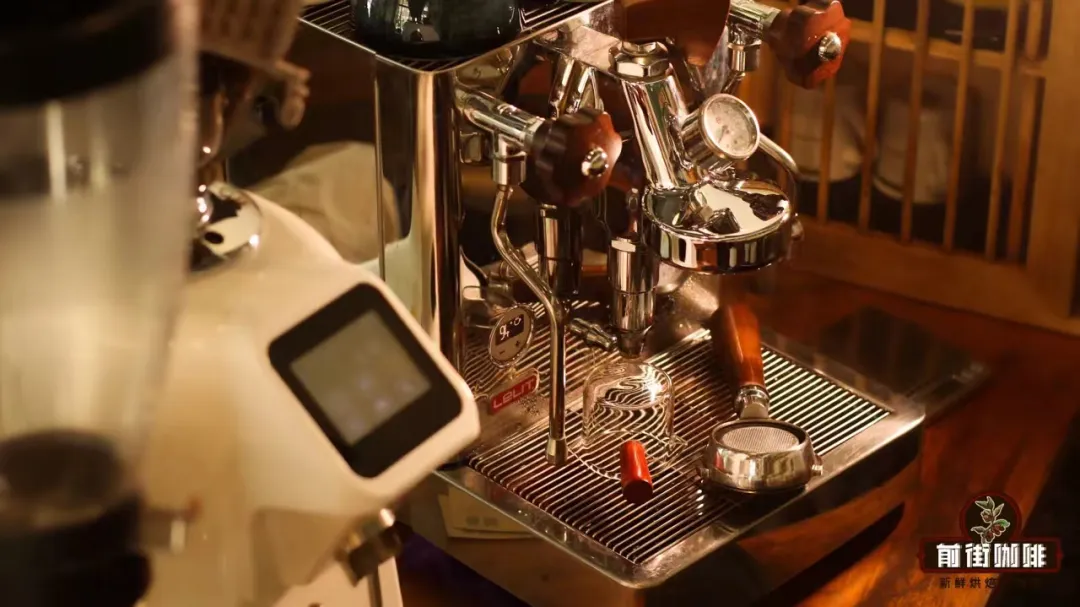
A fully automatic coffee machine completes grinding and extraction on its own after one button press, using preset parameters, so the user only waits. A semi-automatic coffee machine leaves grinding, dosing, tamping, and shot timing to the operator, which demands more skill but gives direct control over the result.
The split comes down to priorities. Those who want a simple coffee fix with a low barrier to entry tend to favor the automatic route, while anyone willing to learn extraction variables, including grind setting and yield, can use a semi-automatic machine to tune flavor. Knowing how to make coffee from a coffee machine starts with that choice.
Coffee culture has become increasingly ingrained in people's lives, and more and more people are beginning to enjoy the pleasure and invigorating effects of a cup of coffee. However, when choosing a coffee machine, how to decide between a fully automatic and a semi-automatic one has become a source of confusion for many. This article, from the perspective of Front Street Coffee, provides a detailed breakdown of the essential differences between fully automatic and semi-automatic coffee machines, analyzes the usage scenarios each is suited for, and shares recommended approaches and specific operating steps for semi-automatic coffee machines, helping coffee enthusiasts make a more suitable choice based on their own needs. Whether you pursue convenience or focus on flavor, you can find direction here.
As coffee culture continues to spread, more and more friends are drawn to this unique beverage. Whenever it becomes hard to concentrate or drowsiness sets in, they'll order themselves a cup of coffee. It refreshes the mind and delights the palate—two benefits in one.
However, when placing an order to buy one, besides price and brand, many people face an unexpected dilemma: should they go for a fully automatic coffee machine or a semi-automatic one?
Since most people have never actually used a coffee machine, their understanding of it remains at "it's just a machine that extracts espresso," and they don't even know there's a distinction between fully automatic and semi-automatic. No worries—today Front Street Coffee is here to talk about how semi-automatic and fully automatic coffee machines actually differ, and how to make a choice.
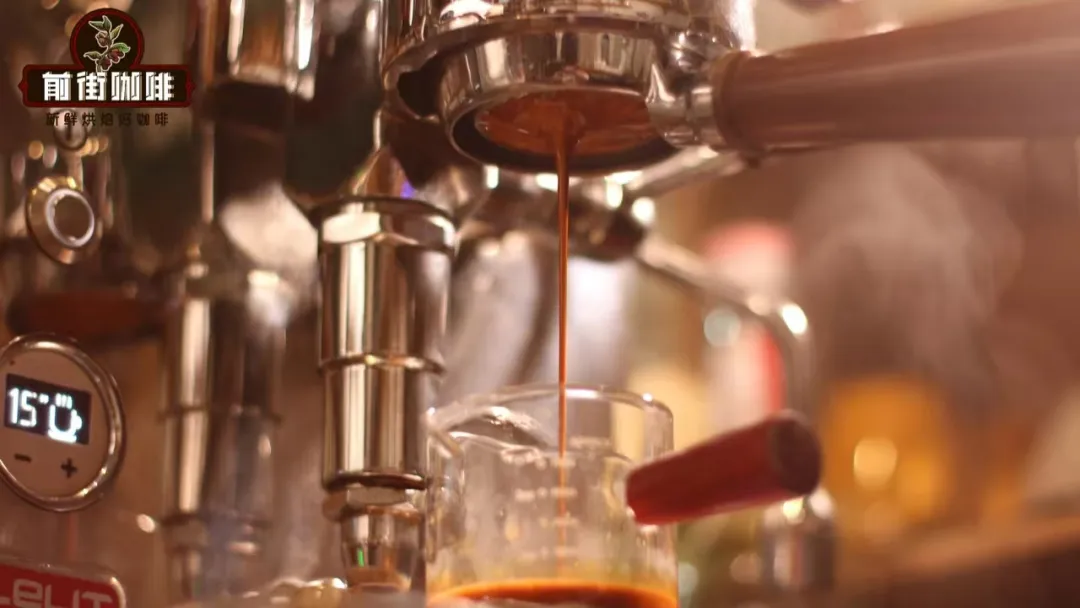
Actually, it's quite simple. A fully automatic coffee machine means: after we press the corresponding function key, the machine automatically completes the entire process. For example, when you press the espresso extraction button, the coffee machine automatically grinds the beans and extracts according to preset parameters. All you need to do is wait patiently for the coffee to be ready.
The strength of a fully automatic coffee machine lies in its simplicity, convenience, and low barrier to entry. If you don't want to deal with too many complicated steps, don't have high demands for flavor, or aren't willing to delve deeply into coffee extraction (you just want a simple coffee fix), then a fully automatic coffee machine is a great choice. Because the machine handles all the steps for you, it's very hassle-free to use.
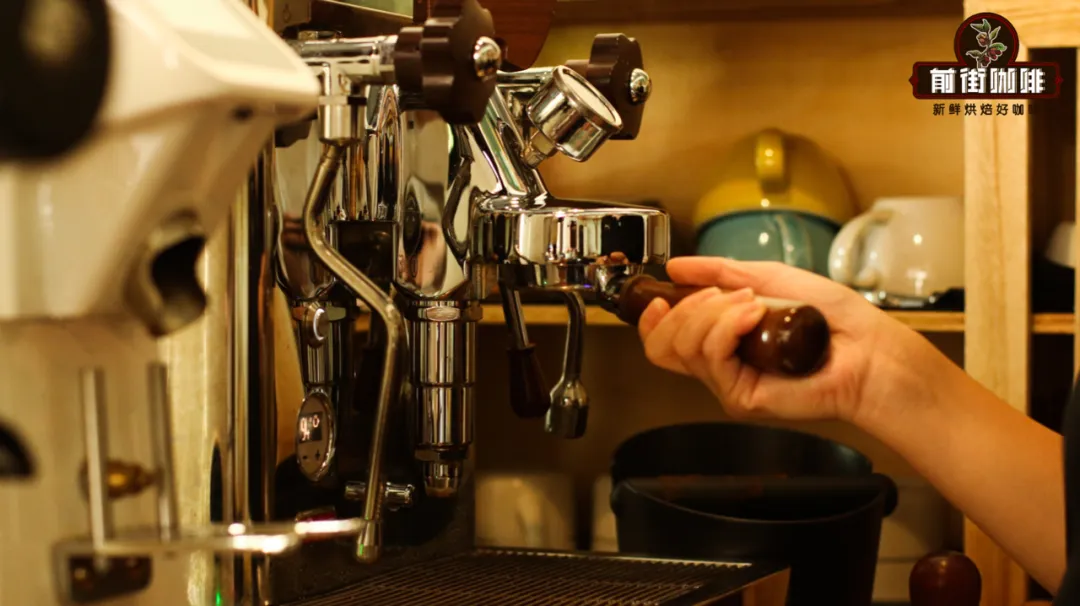
But its shortcomings are equally prominent: limited flexibility and not easy to adjust. Even with a limited budget, many functions cannot be adjusted, such as grind size. Once functions are missing, the quality of a cup of coffee depends entirely on how well the beans match the machine.
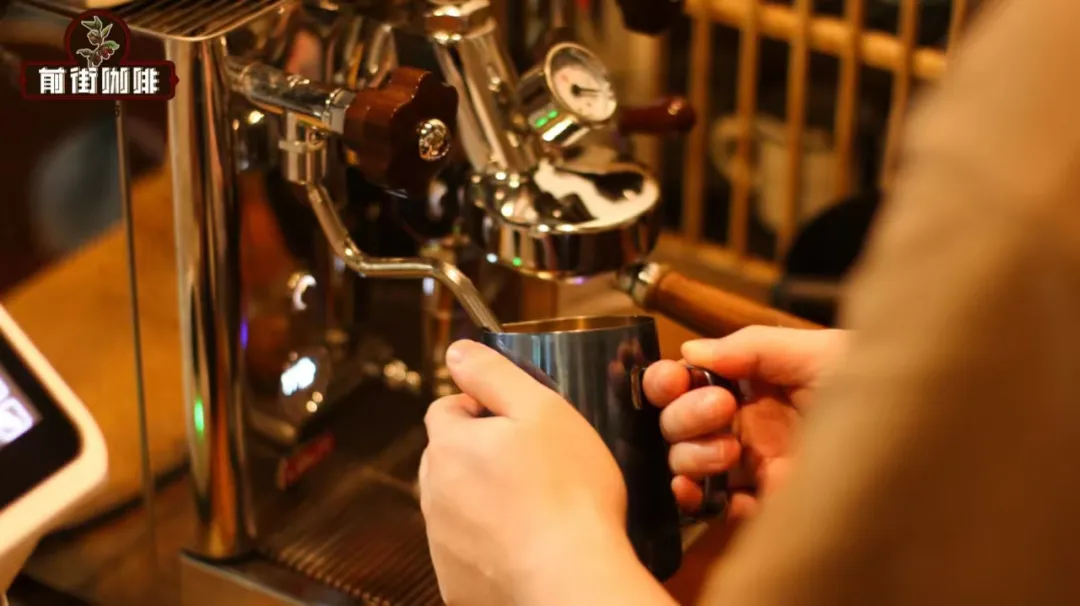
Moreover, many fully automatic coffee machines simply cannot be adjusted because they lack the corresponding functions. That's why Front Street Coffee says that only when you don't have high expectations for coffee taste should you consider buying a fully automatic coffee machine. Alternatively, places like offices that need to provide coffee for multiple people would be equipped with fully automatic coffee machines. If you pursue flavor, then choosing a semi-automatic coffee machine is the safer bet.
The above content is compiled by CoffeeHunters, a coffee news website.


