







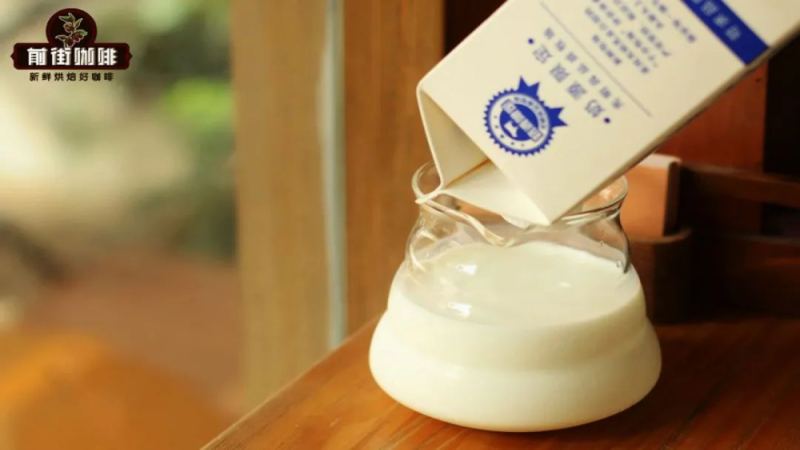
Serving Tips for an IceBock Dirty
IceBock milk can be drunk straight, and it tastes savory and cheese-like with a thick, viscous body. It is freeze-concentrated fresh milk: milk is frozen and then allowed to thaw, so water separates out and protein, fat, and sugars become more concentrated. Serve it cold and avoid stirring a Dirty too soon so the layers stay visible.
Making an IceBock Dirty at home needs a fridge, fresh milk, and time: freeze the carton, then collect the first drips during thawing. Cup size, extraction parameters, and the latte coffee milk ratio decide the result; a smaller cup and a slow, thick pour keep the espresso sitting on top of the chilled milk instead of blending in.
Can Eisbock milk be drunk straight? Is it actually hard to recreate an Icebock Dirty at home? This time, Front Street steps up personally, starting from the principle of freeze purification, demonstrating step by step how to make a rich and mellow Icebock using a fridge and fresh milk, and putting it to the test against regular fresh milk to compare their concentration differences. The article also shares the complete process of making a Dirty with Icebock, including cup size selection, extraction parameters, and flavor performance. If you're also curious about this purified milk with its cheesy, savory note and viscous texture, why not follow along with Front Street and give it a try yourself.
Last week, while visiting a café, Front Street happened to catch a barista processing Icebock. Through the transparent container, you could see the thick milk liquid dripping down drop by drop — that scene made you want to immediately order a Dirty made with Icebock. Unfortunately, the barista said there wasn't enough left for a full cup, so Front Street had to leave with regret, and the thought kept lingering in their mind after returning.
Since that's the case, Front Street decided to splurge today and recreate it themselves~
What is the principle behind Icebock?
The word "Icebock" comes from the transliteration of the German word Eisbock, originally referring to a freeze distillation process used to concentrate beer. Its principle isn't actually complicated: different substances have different freezing points, and during melting, the various components are released in a different order, allowing some water to be removed and achieving purification. Apply this idea to milk, and the concentrated liquid you get is what baristas commonly call Icebock.
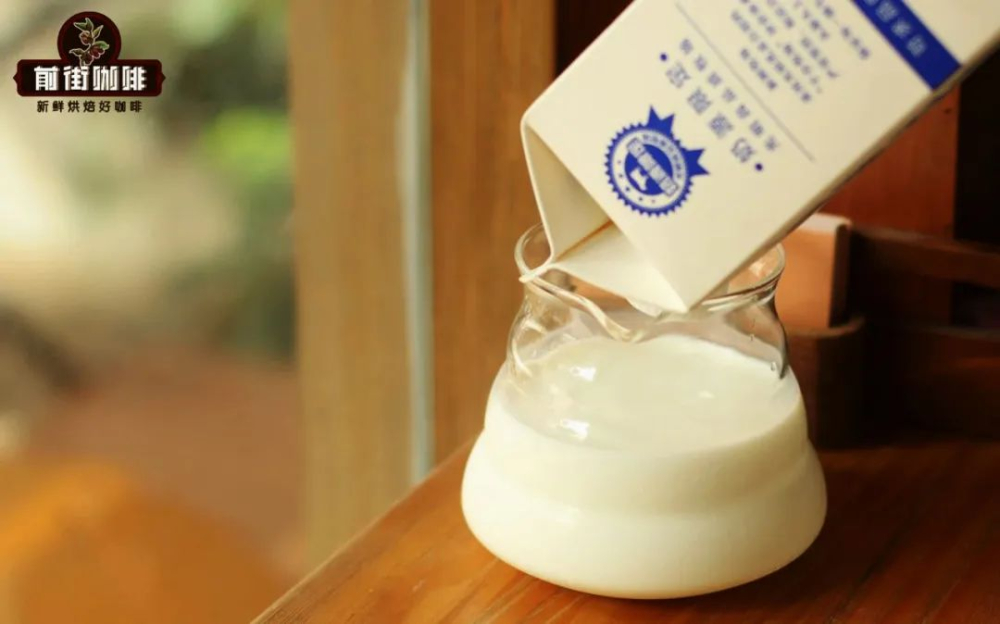
Everyone probably knows that the largest component of milk is water, with the rest being solid substances like protein, fat, and sugars. Water freezes at 0°C, while the other components have freezing points below that. So when milk is placed in the freezer, the water freezes first, followed by the other substances, and only then does the entire carton freeze into a solid block.
The order during melting is exactly the opposite: components like protein and fat thaw first, while water comes later, resulting in the separation of water and milk. For milk, after removing some of the water, the concentration of other substances in the Icebock increases accordingly, the flavor becomes thicker and more mellow, and it also brings out a hint of cheesy saltiness.
How do you make Icebock?
Making Icebock at home is, you could say, extremely~ simple. All you need is a fridge, a carton of milk, and a container to catch the Icebock, and you can get started right away.
Step one: place the entire carton or bottle of milk into the freezer compartment and freeze until it's rock solid. This time, Front Street used a 950ml carton of Bright·Fresh Pasture fresh milk, put it in the freezer the night before, and when taken out the next morning, it had completely frozen into a block of ice. (Front Street heard that if it were winter in Northeast China, just leaving the milk outside for a while would achieve the same effect~)
Next, you need to make a small opening in the frozen "ice brick," in a similar way to how you'd normally open milk. Then invert the carton over a pre-prepared pitcher, and wrap the part exposed to air with plastic wrap to let it melt naturally. This serves two purposes: first, to prevent the milk liquid from being contaminated by the outside, such as small flying insects getting in; second, to secure the structure and prevent it from tipping over.
As for the melting environment, Front Street thinks leaving it at room temperature is fine — usually purification is complete within a few hours. This time, Front Street spent 3.5 hours and ultimately collected 400ml of Icebock, with a release rate of about 42%. Once done, just seal it well and store it in the fridge.
(If you really don't have time to keep an eye on it and fridge space allows, you can do it in the upper refrigerated section. Although the drip filtration time will be longer, this maximizes the chances of avoiding failure, and the purified milk stays at a low temperature throughout the entire process.)
Icebock Dirty — how does it taste?
To compare the difference between the two, Front Street used a concentration tester to measure regular fresh milk and freshly dripped Icebock separately. Regular fresh milk had a concentration of 12.11%, with other substances accounting for 14.39%; while Icebock, whether in concentration (16.22%) or in the proportion of components like fat and sugars (18.94%), was clearly a notch above regular fresh milk.
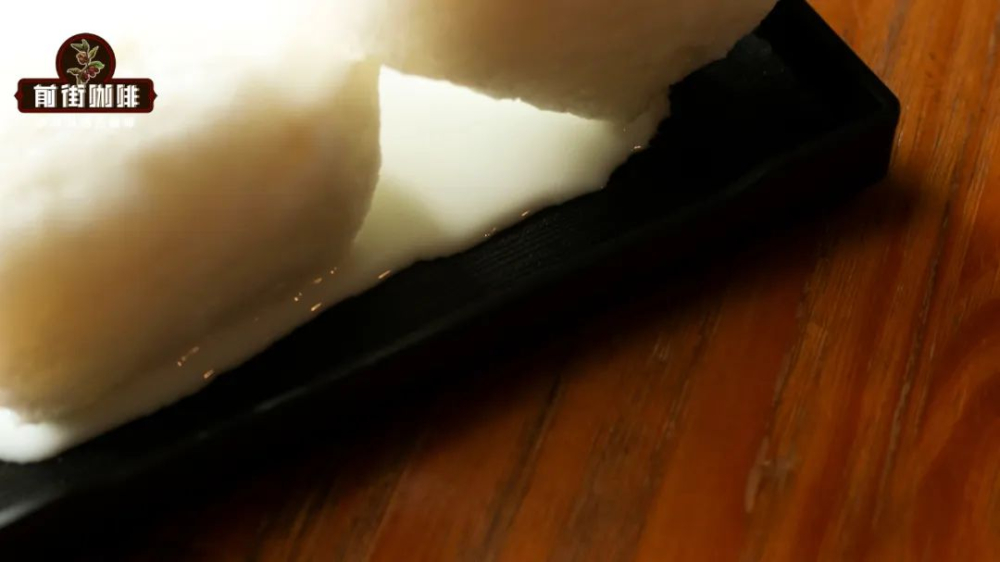
Front Street took a direct sip of the high-purity Icebock — the milky aroma was very rich, the sweetness from lactose was also high, and it was mellow and viscous on the palate. Then taking a sip of regular fresh milk, the latter seemed much thinner by comparison. However, precisely because Icebock's concentration is so high, drinking it straight easily becomes cloying, so it's best paired with espresso. Among these, Dirty with Icebock is widely recognized in the industry as the best combination.
Generally speaking, there's no fixed ratio for making a Dirty — it mainly depends on the capacity of the cup you're using. To make it look better in photos, Front Street chose a transparent open-mouth cup of about 250ml, first poured in 200ml of purified milk, then placed the cup directly under the portafilter to catch the coffee. (The espresso was extracted according to today's Warm Sun blend parameters, i.e., 20g of coffee grounds releasing 36ml of coffee liquid within 30 seconds.)
Because Icebock has a higher density than regular fresh milk, the crema can easily float on top, and the black-and-white layered effect is more pronounced and longer-lasting. On the first sip, Front Street could feel the rich cold milk and the bittersweet espresso colliding in the mouth, and after swallowing, there was the sweetness of White Rabbit candy mixed with hazelnut cookies. As the two gradually merge, it also brings out a cheesy saltiness, and the creamy, silky texture makes the whole cup of coffee much richer in layers.
The above content is compiled by CoffeeHunters, a coffee news website.


