








Is immersion brewing more forgiving than hand drip coffee?
Immersion extraction is more forgiving than hand drip coffee because the grounds steep in water rather than depending on a controlled pour. Devices such as the Clever Dripper and French press tolerate long steep times; even seven or eight minutes is unlikely to ruin the cup. Percolation, by contrast, punishes uneven flow rate, water volume and circling range.
With reasonable parameters, immersion can still produce a full body coffee with clear flavor, so the idea that it always tastes inferior to pour-over does not hold. The trade-off is less control over the extraction curve: the brewer sets grind, dose and time, then waits, instead of adjusting the pour as the brew develops.
Brewing a good cup of coffee requires both reasonable extraction parameters and a stable pouring technique. Front Street often reminds us that when making pour-over, hot water is poured in circles to evenly extract the coffee grounds in the dripper. However, the flow rate, water volume, and circling range are all controlled manually, and a slight mistake can lead to over-extraction or under-extraction. If you just want to easily enjoy a good cup of coffee, you might try a different approach—immersion extraction. Devices like the Clever Dripper and French press have a higher margin for error; even if you steep for seven or eight minutes, it is unlikely to produce an unpleasant taste. This article will compare the differences between immersion and percolation, answer whether immersion coffee really tastes inferior to pour-over, and explain that with proper parameters, immersion can also make delicious coffee.
"Not hard, anyone can do it!" "But if it's about brewing a tasty cup of coffee..." "Then it gets a bit tricky!"
To get a satisfying cup of coffee, besides having reasonable extraction parameters, you also need the ability to control the water flow freely. Front Street often emphasizes that when pouring hot water in pour-over, circling is done to let the hot water evenly contact the coffee grounds in the dripper, so that the final flavor performs well. The thickness of the water stream, the amount of water poured, and the circling amplitude—these extraction variables all require manual intervention, and they affect the result in different ways. You don't need to master them all, but if you want to brew a good cup of coffee, you should at least have a general understanding; otherwise, it's either over-extraction or under-extraction. Does just hearing this make you feel it's troublesome?
Right, Front Street thinks so too! So, if you just want to effortlessly enjoy a good cup of coffee and don't want to delve into these brewing theories, then besides practicing water control and learning the basics, there is another way! That is: don't brew at all!!!!
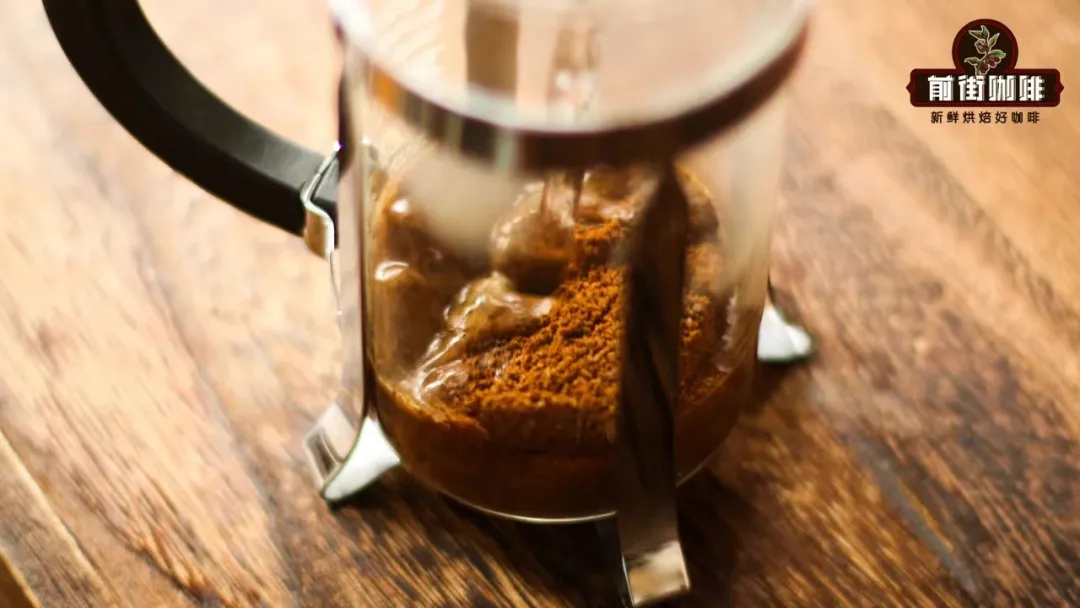
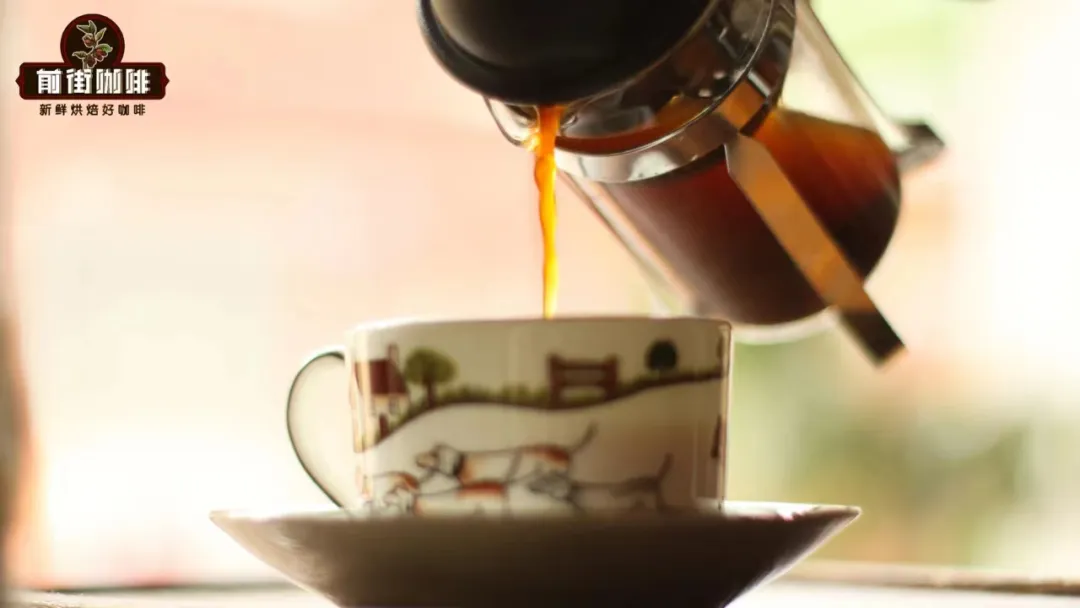
The methods for making single-origin coffee are not limited to percolation. If you want something more effortless and simple, immersion extraction might be a better solution. So-called "percolation extraction" refers to methods like pour-over coffee, where the coffee liquid flows out simultaneously during the pouring process. "Immersion extraction," on the other hand, is a method where the coffee grounds are first steeped in water, and after a period of time, the coffee liquid is filtered out (Clever Dripper, French press, etc.).
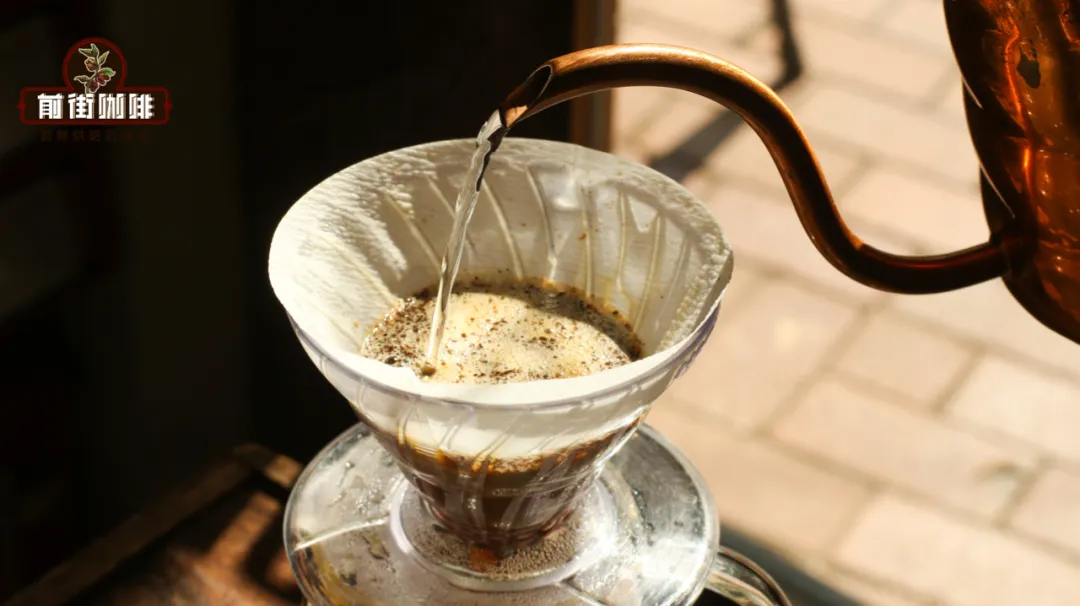
Compared to percolation, immersion has a larger margin for error and is extremely unlikely to over-extract. There are two reasons: first, during immersion, the water temperature is not constant but continuously decreasing; second, the coffee grounds remain stationary for a long time without stirring to agitate the bed, so the substances that hot water can dissolve are naturally limited. Therefore, immersion extraction has a higher fault tolerance than percolation! Even if you steep for seven or eight minutes, the coffee will not have the unpleasant taste of over-extraction. At the same time, because there is less human interference, we can more directly taste the flavor of the beans themselves.
At this point, some might think that most people are obsessed with pour-over because immersion coffee doesn't taste good enough. Is immersion coffee really inferior to percolation in taste? It's undeniable that percolation and immersion do differ. But they are not a matter of superiority or inferiority in taste, because changing the extraction method doesn't change the coffee's inherent flavor—it only shifts the emphasis of the extracted characteristics. For example, pour-over coffee has richer layers, while immersion coffee has a fuller body. The reason people feel immersion is inferior to percolation is often because the extraction parameters were not used correctly. When we make pour-over with wrong parameters, the coffee is equally unpleasant. So, as long as the parameters are correct, immersion can also make a good cup of coffee.

The above content is compiled by CoffeeHunters, a coffee news website.


