







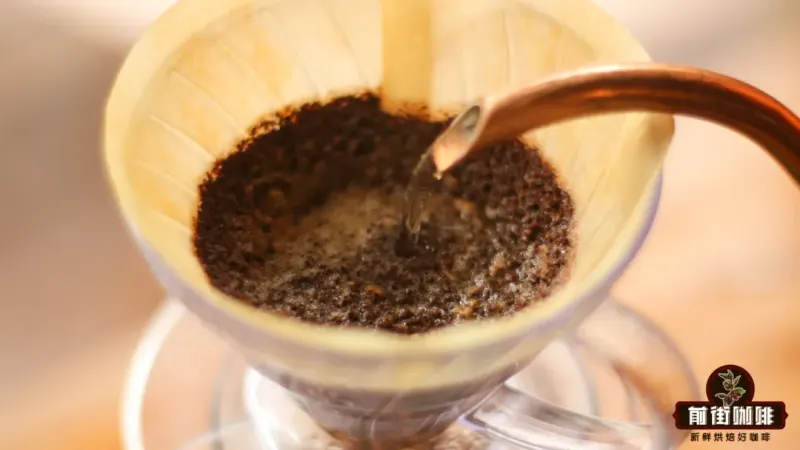
How to process coffee beans with staged pouring in pour-over brewing
In pour-over brewing, staged pouring means splitting the water after blooming into two or more pours with a wait between stages. Whether to pour only after the water fully drains, or while the bed is still nearly drained, changes total extraction time and flavor. Waiting for a complete drain lengthens extraction, and how much depends on bean density and hardness.
The waiting period serves three purposes: hot water contacts the coffee bed at the bottom of the dripper more fully, the dripper is less likely to overflow, and the overall extraction is extended. Blooming remains a standard first step in most brewing plans. Tasting the result at different timings is the reliable way to find a rhythm suited to a given coffee bean process.
Pour-over coffee's staged pouring is one of the core techniques that many enthusiasts focus on. So-called staged pouring means dividing the total water amount after blooming into multiple pours, with a waiting period between each stage to let the water in the dripper drain first. The choice of this waiting timing—whether to wait for the water to drain completely before pouring the next stage, or to pour when the water level is about to reach the bottom but has not yet fully drained—directly affects the total extraction time and the final flavor. Front Street Coffee once conducted a dedicated experiment on this and found that waiting for the water to finish draining completely before pouring again extends the extraction time, and the extent of the extension depends on the density and hardness of the coffee beans. Starting from Front Street's answer, this article will systematically sort out the purpose of staged pouring, the differences in pouring timing, and the criteria for judgment in actual operation, to help pour-over enthusiasts find a brewing rhythm that suits them.
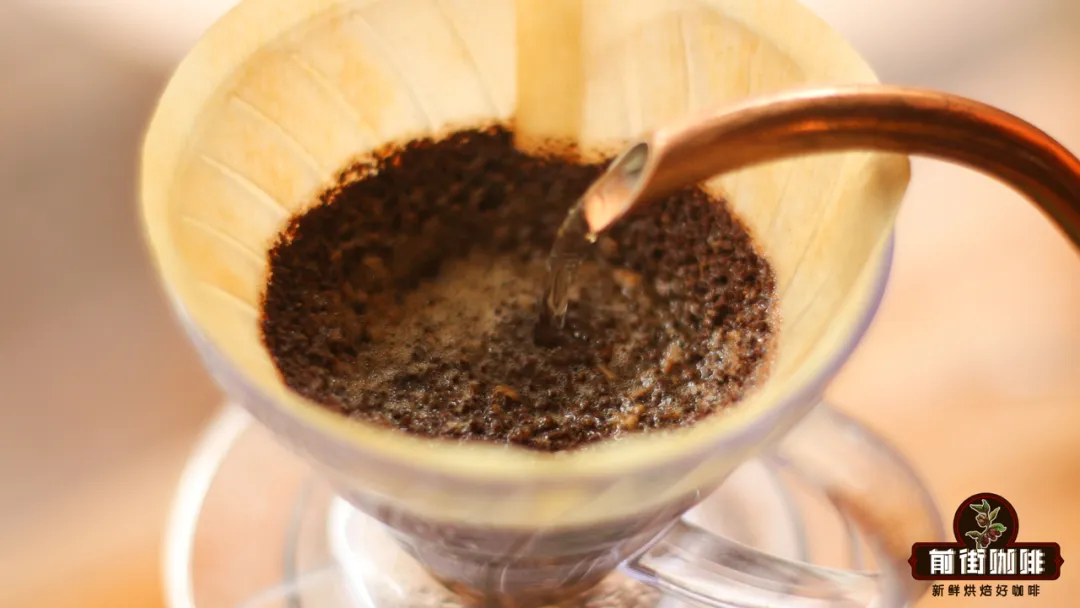
Before getting to the main topic, Front Street will first explain to friends who are new to pour-over what staged pouring means. Simply put, it means splitting all the pouring volume other than the blooming step into two or more pours. The purpose of blooming is to allow the subsequent hot water to more effectively extract the flavor substances in the coffee, so it is almost an unavoidable step in all brewing plans (of course, whether to bloom specifically still depends on the condition of the beans and the brewing approach).
When using staged pouring, after each pour a waiting period is arranged, with the aim of allowing the water previously poured into the dripper to drain down first.
This mainly brings three benefits: first, it allows the hot water to more fully contact the coffee powder layer at the bottom of the dripper; second, it prevents water from overflowing because the dripper capacity is insufficient; third, it lengthens the time of the entire extraction process.
So here comes the question: should we wait for the previous stage of water to completely finish draining before pouring the next stage, or, as many bloggers demonstrate, pour the next stage when the water level is about to reach the bottom but has not yet completely drained?
For staged pouring, should you really wait for the water to drain before pouring the next stage?
Actually, the answer to this question is not complicated. As long as you understand what difference these two approaches produce, you can determine where the best pouring timing lies.
Front Street has previously conducted related comparative experiments, and interested friends can look back at previous articles. The conclusion is: during the interval stage of staged pouring, if you wait until the water has completely drained before pouring the next stage, the total extraction time will be extended on top of the original duration.
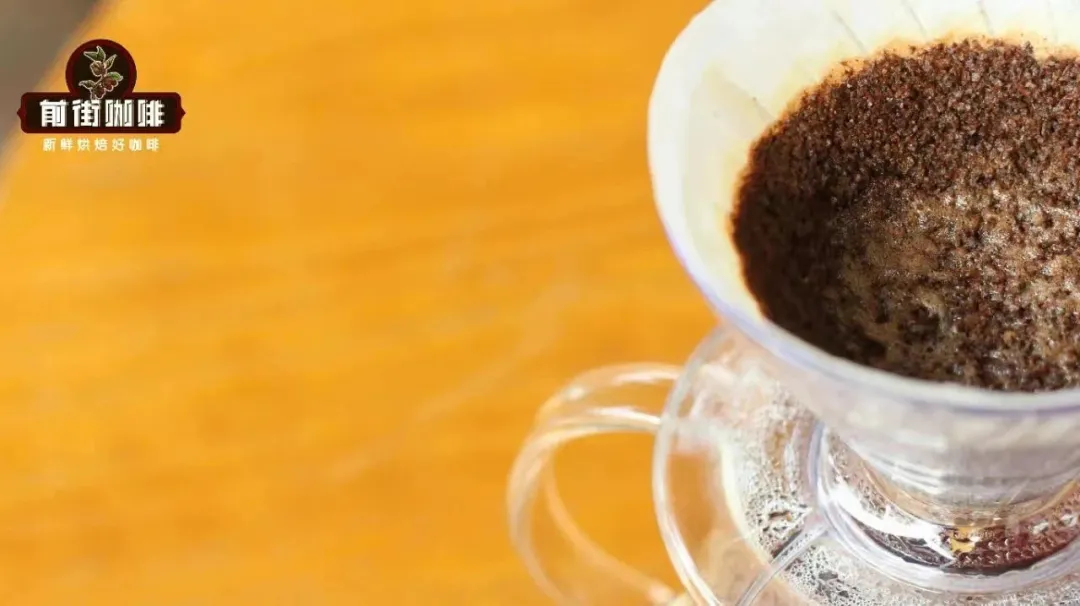
The specific extension time varies depending on the beans. The higher the density and the harder the texture of the coffee beans, the longer it takes for the water to completely drain.

The above content is compiled by CoffeeHunters, a coffee news website.


