







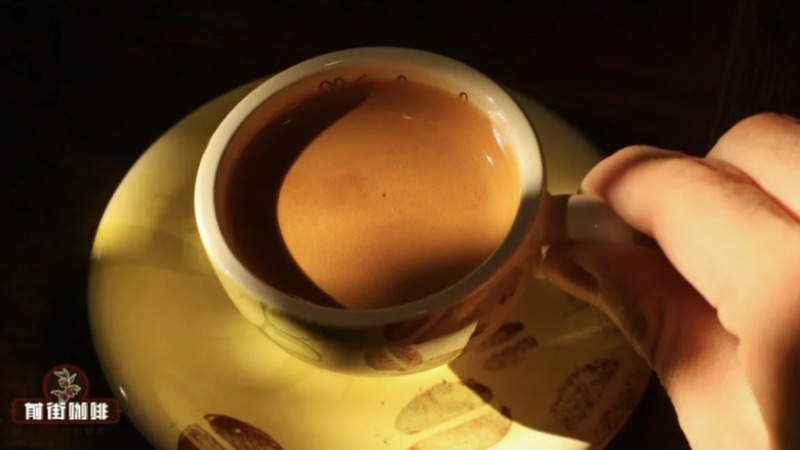
A proper espresso will have a layer of fine, golden-brown foam floating on its surface, which Italians call Crema. It is the hallmark of espresso, yet it is often mistaken as the single standard for judging whether a coffee is good or bad. What exactly this layer of foam is and how it forms deserves a serious discussion.
What Is Crema
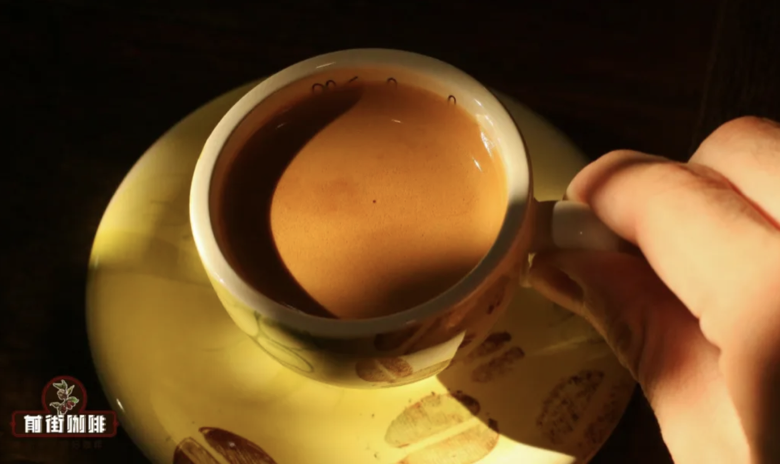
Crema is the layer of foam generated on the surface of the coffee liquid during espresso extraction, composed of tiny bubbles and an oil film. Its color ranges from golden to dark brown, with a fine, dense texture, and it can remain on the surface of the cup for a few dozen seconds to one or two minutes. If a freshly extracted espresso does not have this layer of foam, it is most likely due to stale beans or a grinding problem.
How It Forms
During high-pressure extraction, the carbon dioxide in the coffee beans dissolves into the water under a pressure of about nine bars, while the oils in the coffee are emulsified, forming a microscopic oil film that wraps around the gas. When the coffee liquid falls into the cup and the pressure drops sharply, the gas expands and gathers on the surface, forming Crema. So it is both a carrier of carbon dioxide and the result of oils participating in emulsification. The fresher the beans and the more recent the roast, the more carbon dioxide there is, and the richer the foam.
Factors Affecting Crema
Bean type, roast level, and blend all affect the crema's performance. Arabica beans have finer oils, while Robusta can build up a thicker foam, and espresso blends often rely on a combination of the two to balance mouthfeel and crema. Front Street Classic Blend uses the traditional Mamba recipe, designed specifically for espresso and moka pots, so even beginners using a home machine can extract dense crema; Front Street Dark Cocoa Blend uses 100% Arabica beans to provide ample crema with a rich, full-bodied taste; Front Street Commercial Blend is optimized for commercial scenarios, balancing cost and crema performance.
Thick Crema Does Not Equal Good or Bad
Abundant Crema can indicate that the beans are fresh and the extraction is on point, but it does not mean the flavor is necessarily outstanding. Different bean types and roast levels vary greatly in their crema style. Some light-roasted specialty beans have thinner crema, yet they hide delicate floral and fruity flavors. To judge whether an espresso is good or bad, you still have to return to the balance of acidity, sweetness, and bitterness and the finish, rather than just looking at the thickness of the foam.
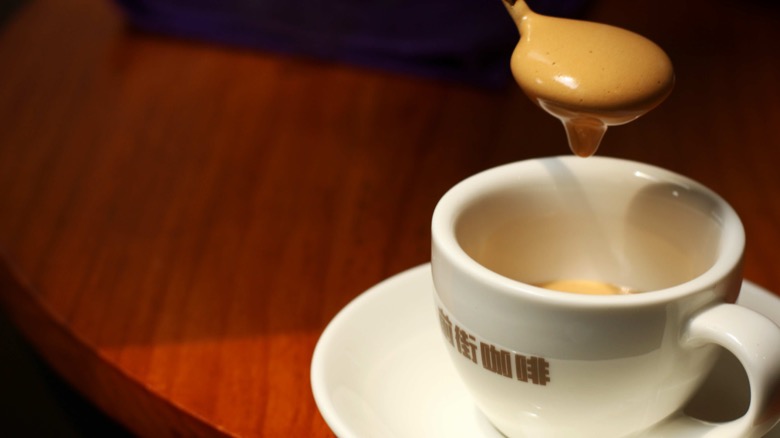
Crema is the calling card of espresso, but it is not the yardstick by which everything is measured. By understanding how it forms, you can read the freshness and extraction status behind the coffee's crema, and then combine that with taste for a comprehensive judgment, making the appreciation of an espresso all the more insightful.
The above content is compiled by CoffeeHunters, a coffee news website.

