







Why does the 2024 hurricane season threaten Central American coffee?
NOAA forecast an unusually active 2024 Atlantic hurricane season, with risk up to three times normal. Hurricane Beryl intensified to Category 5 with sustained winds near 169 mph and swept the Caribbean, hitting Jamaica, Haiti and the Dominican Republic, where flooding, landslides and washed-out coastal roads disrupted coffee areas and exports.
Mexico's main coffee regions sit in the south, away from Beryl's track, but infrastructure damage and shipping delays can still ripple through the wider central American coffee supply chain. Hurricanes Eta and Iota in 2020 showed how storms landing during flowering and harvest can cut yields and add to international price swings.
The 2024 Atlantic hurricane season has been predicted by NOAA to be "extraordinary," with risks reaching up to three times the usual level. The first hurricane of July, "Beryl," rapidly intensified to Category 5, severely impacting the Caribbean region and posing a direct threat to the coffee industries in Jamaica, Haiti, the Dominican Republic, and other areas. Although Mexico's main coffee-producing regions are located in the south and the hurricane's path is skewed north, damage to infrastructure and disruptions in shipping could still indirectly affect the entire Central American coffee supply chain. Looking back at the devastation caused by "Eta" and "Iota" in 2020, the impact of the hurricane season on the coffee flowering and harvesting periods is particularly deadly and may further exacerbate fluctuations in international coffee prices.
As early as the beginning of June, the National Oceanic and Atmospheric Administration (NOAA) released a report stating that the peak phase of the hurricane season would begin in June. The report also particularly emphasized that this year's Atlantic hurricane season would exhibit "extremely abnormal" characteristics, with potential risks as much as three times higher than in normal years.
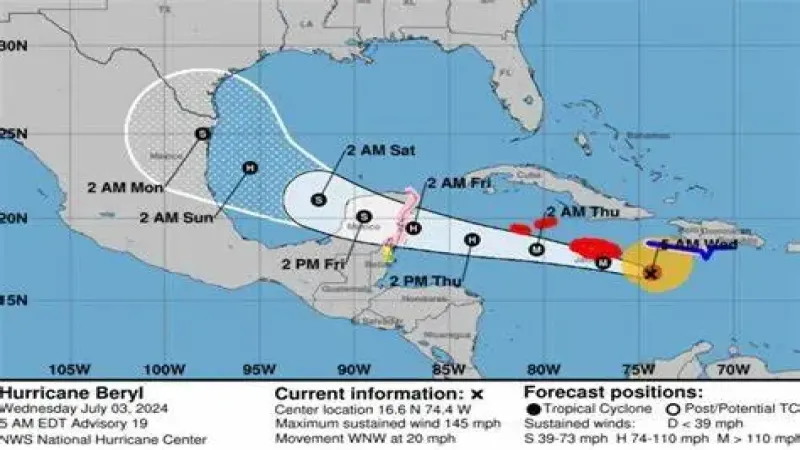
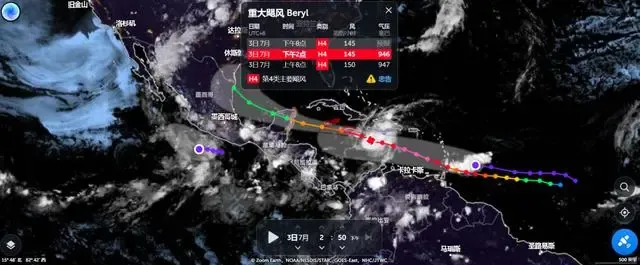
Entering July, the hurricane season officially began, and the first named hurricane, "Beryl," had already formed. According to monitoring data from the National Hurricane Center, "Beryl" once intensified into a top-level Category 5 hurricane, with sustained wind speeds reaching 169 miles per hour (approximately 272 kilometers per hour), and swept across the Caribbean region, causing severe damage to countries such as Jamaica, Haiti, and the Dominican Republic, while also posing a major threat to coffee production and exports in the Caribbean area.
The National Hurricane Center further pointed out that the heavy rainfall brought by the hurricane had already triggered life-threatening flooding and landslides in most parts of Jamaica and southern Haiti. Due to sustained high winds and torrential rain, many coastal roads in Jamaica were washed out, and officials from the Jamaica Public Service Company also stated that they were prepared for power outages. In light of this, the Jamaican government declared a nationwide state of disaster.
In addition, Hurricane "Beryl" also caused extensive flooding in Sucre State in northeastern Venezuela, resulting in 3 deaths and 4 missing persons so far. The torrential rain also damaged more than 8,000 houses, of which over 400 were completely destroyed.
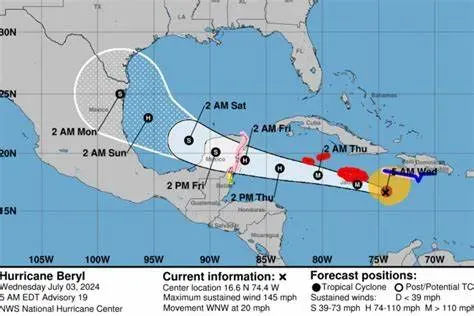
Currently, the hurricane center has issued a warning that "Beryl" is about to make landfall on Mexico's Yucatan Peninsula, and will subsequently affect Mexico's coastal areas as well as the southern coast of Texas in the United States. Although, based on the current hurricane path map, "Beryl" will pass through northeastern Mexico, while Mexico's coffee-producing regions are mainly distributed in the south, it will not be directly hit by the hurricane.
However, the areas the hurricane passes through may still pose a threat to Mexico and its surroundings. Strong winds and torrential rain may trigger large-scale flooding, landslides, and other disasters, and damage local infrastructure, thereby indirectly affecting production and exports in coffee-producing regions.
In fact, the hurricane season has always been a thorny issue for coffee-producing countries in Central America. In 2020, two historic hurricanes, "Eta" and "Iota," occurred, causing severe damage to Central American coffee-producing regions at the time and seriously affecting the region's coffee production and exports that year.
Typically, May to June is the flowering period for coffee-producing regions in Central America, and October to January of the following year is the harvesting period. If hurricanes occur during these two critical periods, heavy rainfall and fierce winds are both detrimental to the final yield, and they also affect the normal operation of ports along the Central American coast and the shipping of agricultural products such as coffee, ultimately exacerbating coffee price fluctuations.
According to forecasts by the National Oceanic and Atmospheric Administration, due to abnormal climate conditions, more hurricanes will occur in this year's Atlantic hurricane season. In the past, there were about 14 storms per year on average, but this year the number may increase to 17 to 25, and their destructive power will also exceed that of the past. The agency calls on all countries to take preventive measures in advance.
The above content is compiled by CoffeeHunters, a coffee news website.


