







What Makes Yellow Bourbon Coffee from Mogiana Stand Out?
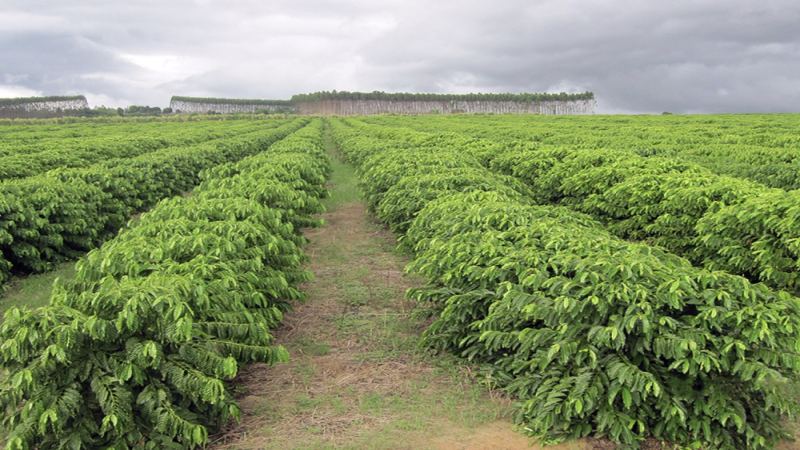
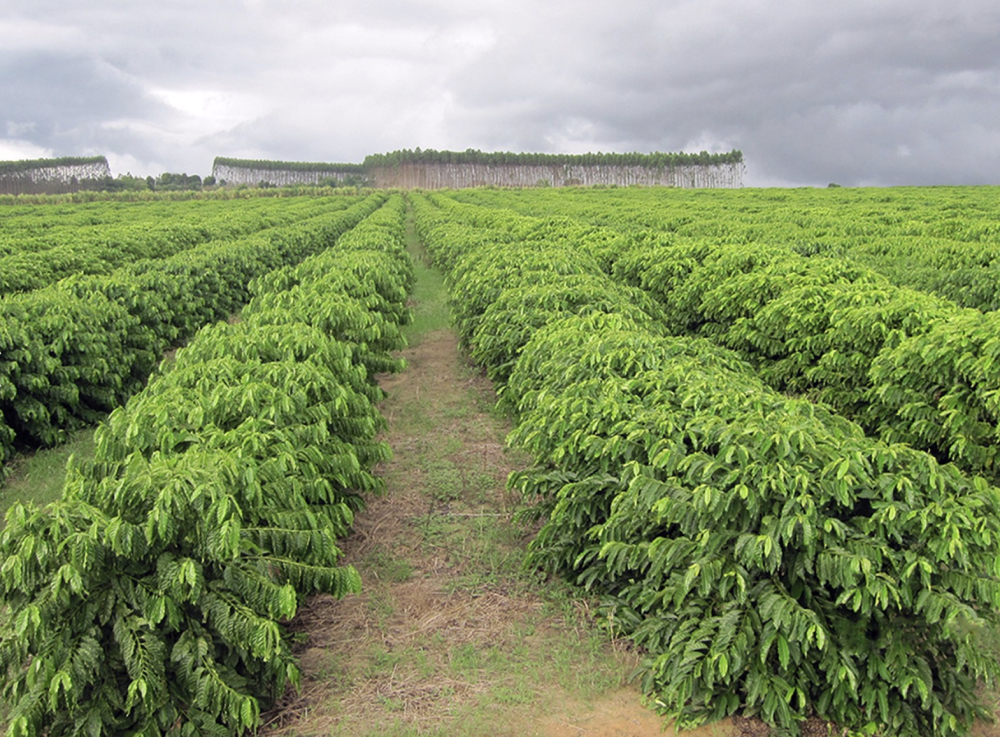
Brazil is the largest coffee producer and exporter, shipping about one-third of the world's coffee, and the Alta Mogiana area of São Paulo state is known for its higher altitude and specialty tradition. Fazenda Rainha, or Queen's Farm, is one of the area's representative estates, and its Yellow Bourbon lots show how variety and terroir meet in the cup.
Brazil's tropical and subtropical climates, plus sedimentary volcanic tuff, red-yellow and brown clay soils rich in organic matter and minerals, suit coffee cultivation well. Seventeen of Brazil's 26 states grow coffee, with Paraná, São Paulo, Minas Gerais and Espírito Santo accounting for 90 percent of output, and Arabica making up 80 percent of national production. Processing method and brewing then shape the flavor.
Brazil, as the world's largest coffee producer and exporter, holds a pivotal position in the coffee industry. Among Brazil's many producing regions, the Alta Mogiana area in São Paulo state stands out for its higher altitude and specialty cultivation tradition, and Fazenda Rainha (Queen Farm) is one of the most representative estates in this area. This article focuses on the Yellow Bourbon variety from Fazenda Rainha, outlining Brazil's geographical and climatic advantages for coffee, the distribution of major producing regions, introducing the characteristics of the Bourbon family and the unique features of Yellow Bourbon, and providing information on the producing region, processing method, and brewing flavor of Front Street Coffee's Brazil Fazenda Rainha Yellow Bourbon coffee beans for coffee enthusiasts' reference.
Brazilian coffee holds an important position in the global coffee market, as Brazil is the world's largest coffee producer and exporter, with its coffee exports accounting for one-third of the world's total coffee exports.
Brazil
Brazil is the world's fifth-largest and South America's largest country, bordering ten countries including Uruguay, Argentina, Peru, Colombia, and Suriname. Brazil's terrain is mainly divided into two parts: one part is the Brazilian Highlands distributed in the central and southern regions at elevations above 500 meters, and the other is the plains and Amazon River basin distributed in the northern and western regions at elevations below 200 meters.
The reason Brazil can become the largest coffee producer lies in its advantageous geographical conditions and climate. Brazil mainly has a tropical climate, with a tropical rainforest climate in the north, a tropical savanna climate in the central region, and a subtropical monsoon humid climate in the south. Three main types of soil are distributed within Brazil: sedimentary volcanic tuff soil, red-yellow soil, and brown clay soil. These soils are rich in organic matter and minerals, with good drainage. Combined with numerous rivers and a suitable climate, they are very well-suited for coffee cultivation.
Alta Mogiana Producing Region
Brazil has 26 states in total, 17 of which produce coffee. Among them, Paraná, São Paulo, Minas Gerais, and Espírito Santo account for 90% of total production. Arabica accounts for 80% of Brazil's total production, with the remaining 20% being Robusta. The main varieties grown include Bourbon, Catuai, Typica, and Mundo Novo.
Within these states there are many well-known sub-regions, such as the Cerrado region in Minas Gerais. Front Street Coffee has a semi-washed Cerrado coffee that serves as an entry-level representative, carrying chocolate notes and nutty aromas with a balanced mouthfeel. Alta Mogiana is a well-known sub-region of São Paulo state and is one of the higher-altitude areas, producing mostly specialty coffee beans. There are many growing families here, and the combination of modern technology with mixed mountain coffee-growing culture has produced high-quality green coffee beans.
Fazenda Rainha (Queen Farm)
Fazenda Rainha (Queen Farm) is located in the Alta Mogiana region of São Paulo state, in the northern part of São Paulo. This estate is very well-known in Brazil and is owned by the Carvalho Dias family, which owns four major estates. Since the first Brazil Cup of Excellence (COE) competition in 1999, they have won awards every year, with more than 12 awards over 7 years. Fazenda Rainha mainly grows specialty coffee of the Bourbon variety, primarily Yellow Bourbon. Of the estate's 280 mu, 200 mu of hillside are planted with Yellow Bourbon.
Bourbon
The Bourbon variety and the Typica variety both belong to the oldest surviving coffee varieties. On Bourbon coffee trees, the leaf nodes are close together, and the coffee cherries are mainly red, yellow, and orange (pink). The green beans are mainly round-shaped. The overall tree shape is relatively large but somewhat fragile, susceptible to damage from nematodes, coffee berry disease, and leaf rust, requiring careful attention. Yields are average, but it is suitable for growing at high altitudes, where the quality is better.
For common Bourbon fruits, from flowering to ripening, the color gradually changes from green to slightly yellow, to red, and finally to fully ripe dark red. This changing coffee cherry is what we commonly call Red Bourbon. Yellow Bourbon, however, is a Bourbon mutation unique to São Paulo state, Brazil. Due to the influence of a recessive gene, the fruit does not turn red when ripe but instead presents an orange-yellow color, hence the name "Yellow Bourbon."
Front Street Coffee Brazil Fazenda Rainha Yellow Bourbon Coffee Beans
Producing Region: Alta Mogiana
Estate/Processing Plant: Fazenda Rainha
Altitude: 1400-1950 meters
Variety: Yellow Bourbon
Processing Method: Semi-washed
Flavor: Sugarcane, Black Tea, Nuts, Chocolate
Front Street Coffee's Brazil Fazenda Rainha Yellow Bourbon coffee beans come from the Alta Mogiana producing region of São Paulo state. Front Street uses a KONO dripper, a 1:15 ratio, and brews at 90°C. The cup has fruity sweetness on entry, with sugarcane, chocolate, and peanut-like nutty flavors, a faint clean bitterness, and a smooth, delicate mouthfeel. https://www.gafei.com/kafeibiji-132125
The above content is compiled by CoffeeHunters, a coffee news website.


