








What Makes a Deep Roast Worth Drinking Despite the Bitterness?
Bitterness in coffee is not a single compound but largely a burnt note formed during roasting. Roast length decides how much acidity and bitterness survive. A deep roast trades floral and fruity brightness for caramel, nutty, and chocolate-like steadiness, plus a thick, smooth body that lighter profiles struggle to match.
During roasting, green beans absorb heat until the bean body cracks and releases a pop, the first crack. Dropping right at its start preserves abundant acidity; continuing the roast lets that acidity fade while bitterness and coffee aroma compounds develop. Some varieties need a deep roast to accent their strengths and hide their weaknesses.
Light roasts are known for their floral aromas, fruity acidity, and rich layers, while dark roasts are often simplistically dismissed as a cup of bitter water. However, bitterness is not all that dark roasts offer—caramel, nutty, chocolate-like steady aromas, and a thick, smooth, full-bodied mouthfeel are also qualities that light roasts struggle to replicate. Where exactly does coffee's bitterness come from? How does the "first crack" during roasting determine the direction of acidity and bitterness? This article will sort out the relationship between roast level and flavor from the beginning, analyze the unique charm of dark roasted coffee, and explain why some bean varieties actually need dark roasting to accentuate their strengths and avoid their weaknesses. If you are also curious about the value of bitter coffee, read on.

Light roasted coffee often exhibits layers of rich aromas, with elegant and varied floral notes, and a smooth, juice-like roundness on the palate, full of character. In contrast, the seemingly monotonous bitterness of dark roasted coffee is, to those not yet accustomed to coffee, simply like a cup of Cantonese herbal tea.
So the question arises: if those who prefer light roasts are savoring flavor, what exactly are those who enjoy bitter coffee savoring?
How is coffee's bitterness produced?
The sources of coffee's bitterness are not singular, but what is commonly called coffee bitterness refers to the burnt bitter note formed during roasting. Coffee beans must undergo roasting to go from raw to roasted, and the length of roasting time directly determines the depth of the roast level, as well as how much acidity and bitterness the beans ultimately retain.
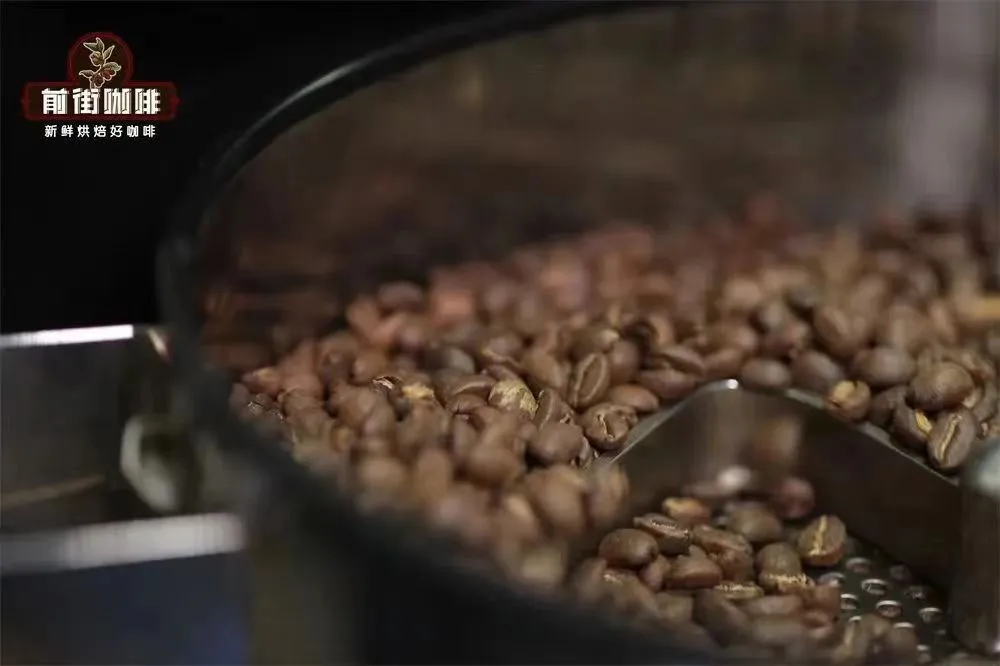
During roasting, the green beans continuously absorb heat to build up energy. When the heat accumulates to a certain level, the bean body can no longer withstand the continuous influx of thermal energy, and it cracks open to release the internal heat, simultaneously emitting a "pop" sound. When the coffee beans in the roaster first emit this sound densely, that is what we call the "first crack." The appearance of the first crack means the beans are already roasted, and from that point on, they can be dropped at any time.
If dropped right at the beginning of the first crack, the batch of beans will retain a very abundant acidity; but if one chooses to continue roasting, the acidity will gradually diminish as roasting time lengthens. Until the sound of the first crack completely disappears and it enters the quiet period, there is almost no acidity left. At the same time, the burnt bitter note continuously accumulates as roasting time increases.
Although nowadays people prefer coffee with acidity, for the reason stated earlier—rich and varied flavors—not all coffee beans are suitable for light roasting. Some beans, when roasted light, do not present the gentle fruit acidity one might imagine, but instead taste aggressively sharp, even mixed with a large number of negative flavors. At this point, one needs to rely on the burnt bitterness of dark roasting to mask these defects.
However, Front Street Coffee is not saying that dark roasted coffee exists only to cover up the shortcoming of beans unsuitable for light roasting—that is merely a need in certain individual cases. Even if dark roasted coffee cannot display the rich and varied flavors of light roasts, they also have their own strengths.
The unique charm of bitter coffee
Distinctive aromas:
Most people who like bitter coffee are pursuing not just bitterness, but also aroma.
As Front Street Coffee says, prolonged roasting brings coffee aromas of caramel, nuts, chocolate, toasted bread, and more. Compared with the lively character of light roasted coffee, these flavors lean more toward steady and profound, exceptionally alluring.
Full-bodied mouthfeel:
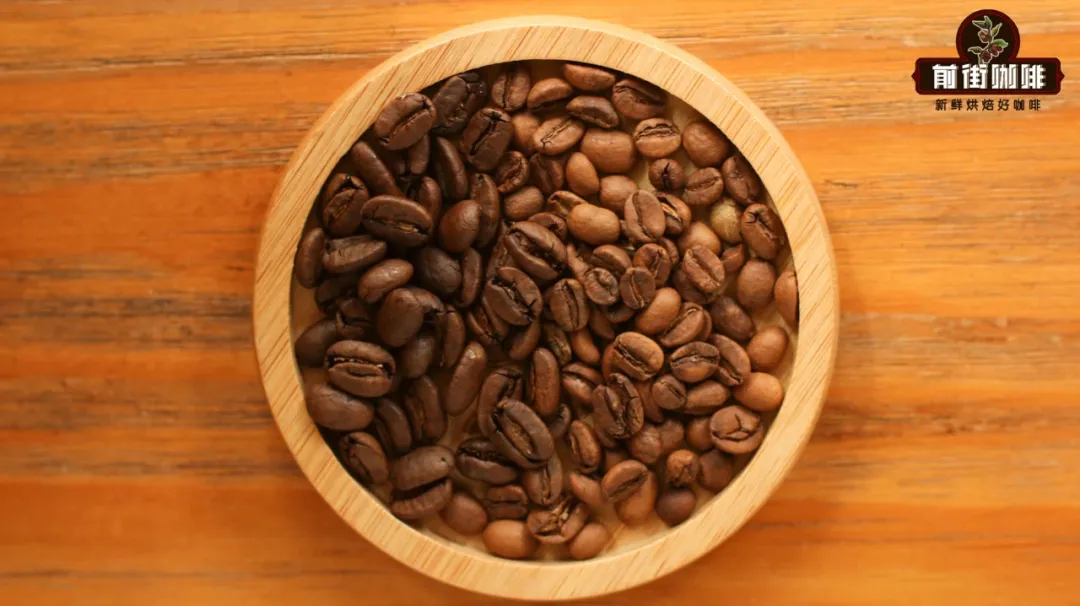
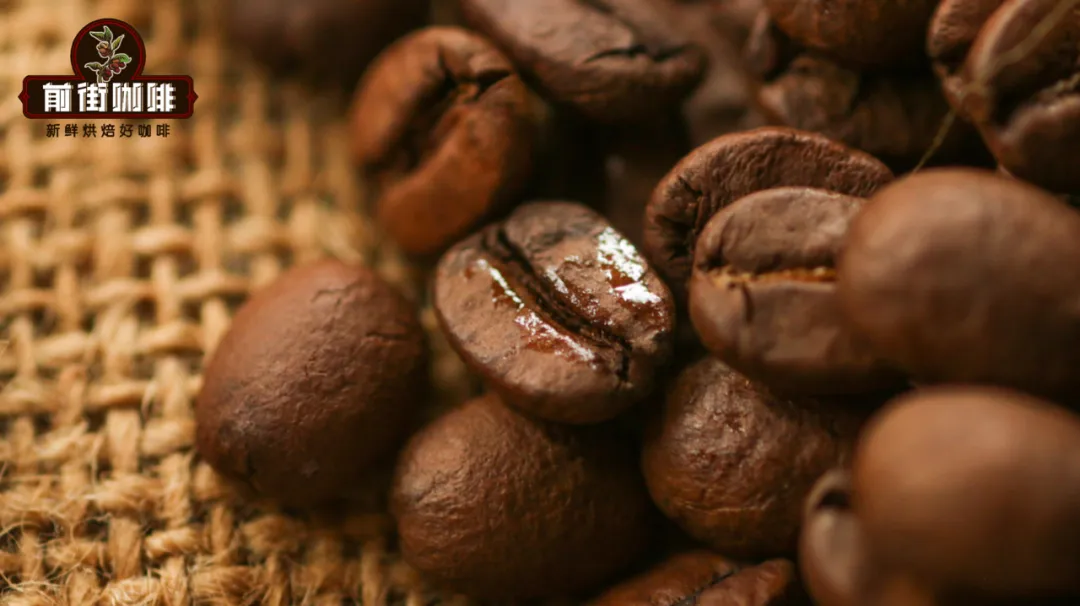
After deep roasting, the oils of the coffee beans overflow from inside the bean body to the surface, which makes the coffee's mouthfeel thicker and very smooth to drink. Mild yet sweet and mellow—this is a characteristic that light roasted coffee can hardly possess.
Front Street Coffee (FrontStreet Coffee)
No. 10 Baoqian Street, Yandun Road, Dongshankou, Yuexiu District, Guangzhou City, Guangdong Province
The above content is compiled by CoffeeHunters, a coffee news website.


