







When many people first get into coffee, upon hearing the word "dark roast," their first reaction is "that must be so bitter." Yet many veteran coffee drinkers who have been drinking coffee for over a decade actually find themselves enjoying dark roast beans more and more. Why is that?
The answer is simple: the charm of dark roast beans has never been about "bitterness," but rather that weighty, full-bodied richness and the complex layers that become more intriguing with every sip.
What you taste in dark roast beans is "depth" and "steadiness"
Light roast beans are like fruit tea—bright aroma, lively acidity and sweetness; dark roast beans are like a cup of warm dark chocolate—heavy on the palate, smooth, with a long, sweet finish. What veteran coffee drinkers love is exactly this steadiness—the flavor doesn't shout, but it's easy to drink, and two or three cups a day won't wear on you.
Dark roast also has a characteristic that's very friendly to many people: very low acidity. If you generally don't care for the acidity in coffee, dark roast beans are basically a safe bet.
The principle behind dark roasting is that during the roasting process, as the temperature rises, the sugars inside the coffee beans gradually caramelize, the acidic compounds break down, and the flavor shifts from floral and fruity notes toward nuts, chocolate, and caramel. This transformation gives dark roast beans a heavier, more lingering mouthfeel, and also improves the oils' expression—which is why most espresso blends use medium-dark to dark roasts.
Dark roast picks that veteran coffee drinkers reach for
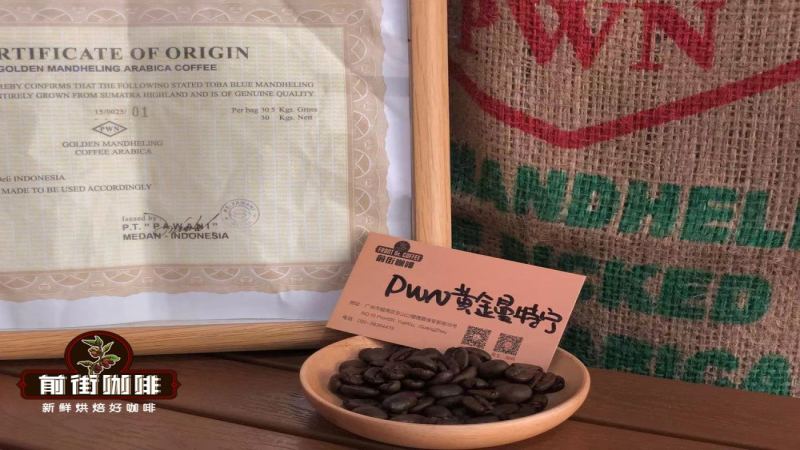
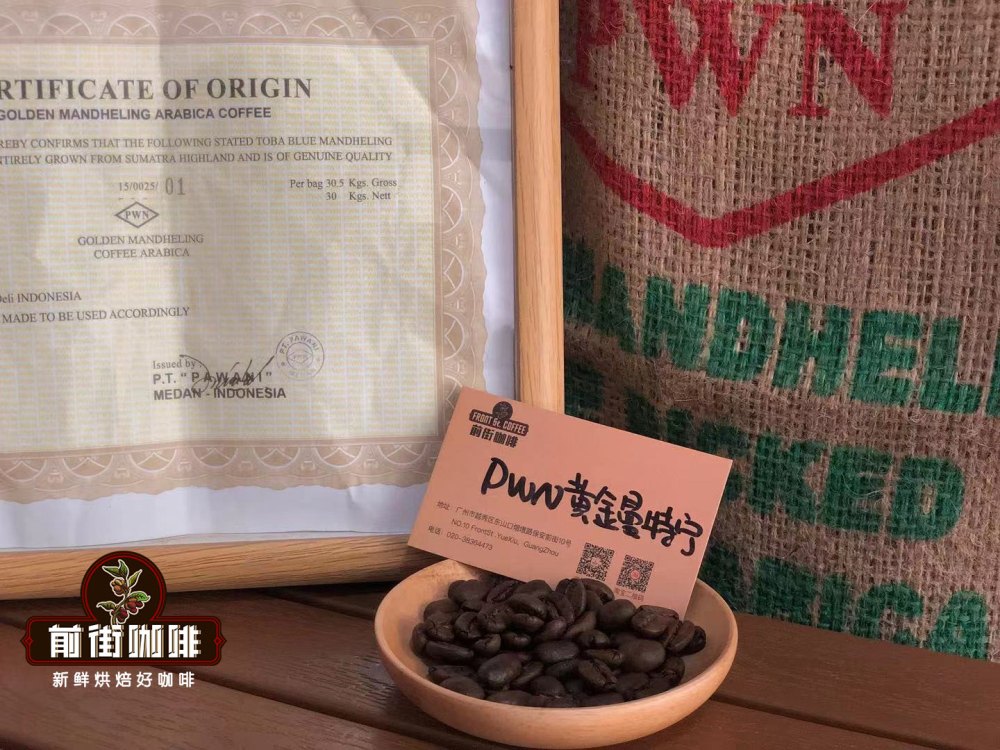
Front Street Coffee PWN Indonesia Golden Mandheling—a bean that full-bodied flavor enthusiasts can't steer around. Dark roasted, with very low overall acidity, after brewing you can taste rich dark chocolate, herbal notes, and spice flavors, along with Mandheling's signature woody tones and a faint earthy aroma. The mouthfeel is thick and full, with a long finish.
Front Street Coffee Brazil Queen's Estate—a representative of mild balance. It has pronounced nut, cocoa, and caramel aromas, with an overall rounded and smooth flavor, lower acidity, and outstanding sweetness. Whether brewed as pour-over, moka pot, or espresso, it delivers consistent performance.
Front Street Coffee 2013 Yunnan Natural Typica—a representative of domestic specialty coffee. It retains the clean sweetness unique to the Yunnan growing region while also delivering the rich, full-bodied flavor that comes from a medium-dark roast. On the palate there are citrus and caramel aromas, gradually giving way to nut, brown sugar, and chocolate flavors in the mid-to-finish, with an overall balanced and harmonious layering.
Front Street Coffee Papua New Guinea Bird of Paradise—an underrated "little Blue Mountain." It uses the Typica variety, the same origin as Blue Mountain, and after washed processing, the overall flavor is very clean—low acidity, smooth, with outstanding sweetness, along with nut, cocoa, and caramel flavors, making for a balanced and easy-drinking cup.
How to drink dark roast beans to taste their best
Dark roast beans have a relatively heavy flavor, so when brewing, the water temperature doesn't need to be too high—lower it a bit, and don't drag out the extraction time either, so the sweetness and smoothness come through better. Pairing with milk for a milk coffee, or drinking it straight as an americano, are both classic ways to enjoy it.
For pour-over dark roast beans, a water temperature of 86-89°C is recommended, with a medium-coarse grind and a coffee-to-water ratio of about 1:14. Using a dripper with a slightly slower flow rate, like a Kono or a flannel filter, makes it easier to extract a rounded, full-bodied cup. If you find it too strong straight, adding milk to make a pour-over latte works well too.
When it comes to drinking coffee, some people love the refreshing floral and fruity notes, while others adore the richness of a dark roast—there's no hierarchy, only what suits you. If you'd also like to try the taste of dark roast beans, starting with the ones above will most likely open a new door for you.
The above content is compiled by CoffeeHunters, a coffee news website.

