






What connects Gori Geisha and Panama Geisha?
Panama Geisha became famous in 2004 through Hacienda La Esmeralda, and its lineage traces back to Ethiopia. Gesha 1931 was collected in 1931 by a British border garrison in Ethiopia's Gesha forest and later reached Panama, while Gori Gesha was found in the same forest during a later search for related native varieties.
Claims that these two are not Geisha varieties stem from the naming, not from a separate species. Ethiopia holds tens of thousands of native varieties, so matching a gesha coffee bean to the Panama line is difficult. Both keep the name because they were recovered from the forest associated with the original Geisha population.
Ever since Hacienda La Esmeralda in Panama shot "Geisha" to fame in 2004 with a bean that stunned the world with its floral and citrus flavors, coffee-growing regions around the globe have turned their eyes to the birthplace of Geisha—Ethiopia. People set out to search that primeval forest for varieties sharing the same lineage as Panama Geisha, and thus Gesha 1931 and Gori Gesha came into being. Yet claims that "they are not Geisha varieties" often circulate online—so what exactly is going on? This article traces the discovery of these two beans, sorts out their connections to Panama Geisha, and explores why both bear the name "Geisha."
However, doubts that "they are not Geisha varieties" frequently crop up online regarding these two beans. This inevitably leaves onlookers wondering: when the name "Geisha" appears right there in both, why would such claims be circulating? To unravel this puzzle, it helps to first trace the origins of these two Geishas.
The Origins of Gesha 1931 and Gori Gesha
In 2004, Hacienda La Esmeralda rose to fame with a bean brimming with intense floral aromatics and citrus honey sweetness. Afterwards, people in every growing region were haunted by that unforgettable flavor, longing to possess such a stunning bean themselves.
When everyone learned that all of this came from the noble bloodline of "Geisha," they turned their gaze to the birthplace of Geisha, hoping to recover from there the "Geisha variety" that now shines so brightly in Panama. And so a mission to trace Geisha's origins got underway.
Surprisingly, people really did succeed in finding the source of Panama Geisha! In 1931, a British border garrison collected it in Ethiopia's Gesha forest along with other native varieties, and after decades of being passed from place to place, it finally ended up settling in Panama.
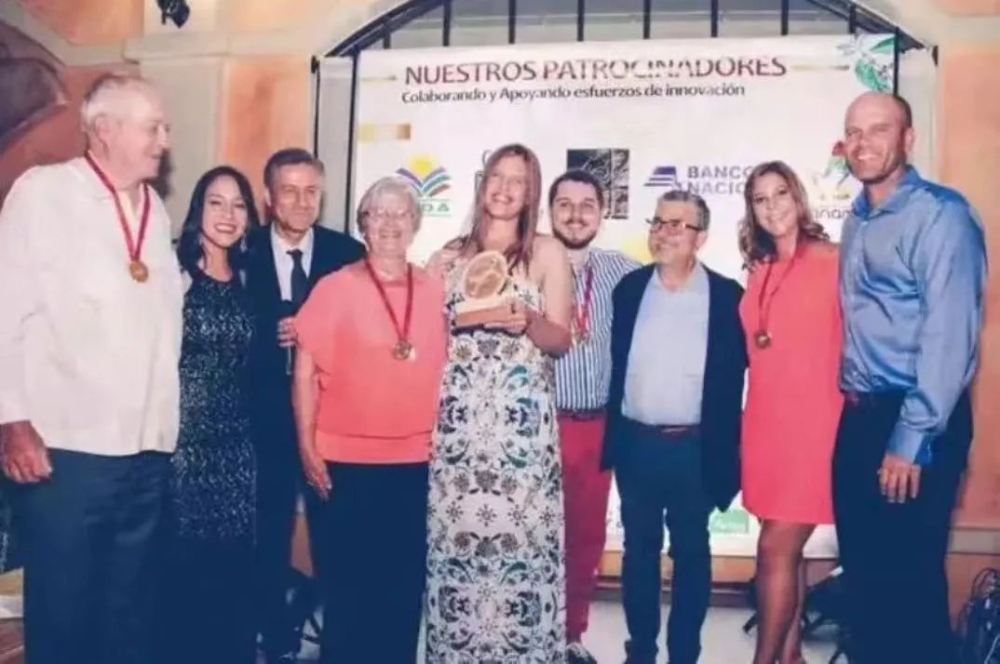
Once the news spread, people scrambled to search that region for varieties of the same lineage as Geisha. But you have to understand—Ethiopia's native varieties number in the tens of thousands, so the odds of finding a same-lineage variety among them are extremely slim.
It wasn't until 2007 that Adam Overton, a director of coffee documentaries, came to Ethiopia to film. As the shoot progressed, he gradually developed a strong interest in coffee and became deeply fascinated by it. So in 2009 he once again set foot on Ethiopian soil.
Unlike the previous trip, this time he was led by Willem Boot, the owner of Finca La Mula. Their goal was crystal clear: to enter the very forest where Geisha had been "discovered" back then, and find the Geisha variety of Hacienda La Esmeralda within it.
In the end, based on plant appearance and cupping flavor, they found a variety whose flavor profile and genetic matching were both very close to Geisha. Accordingly, they named this bean variety "Gesha 1931."
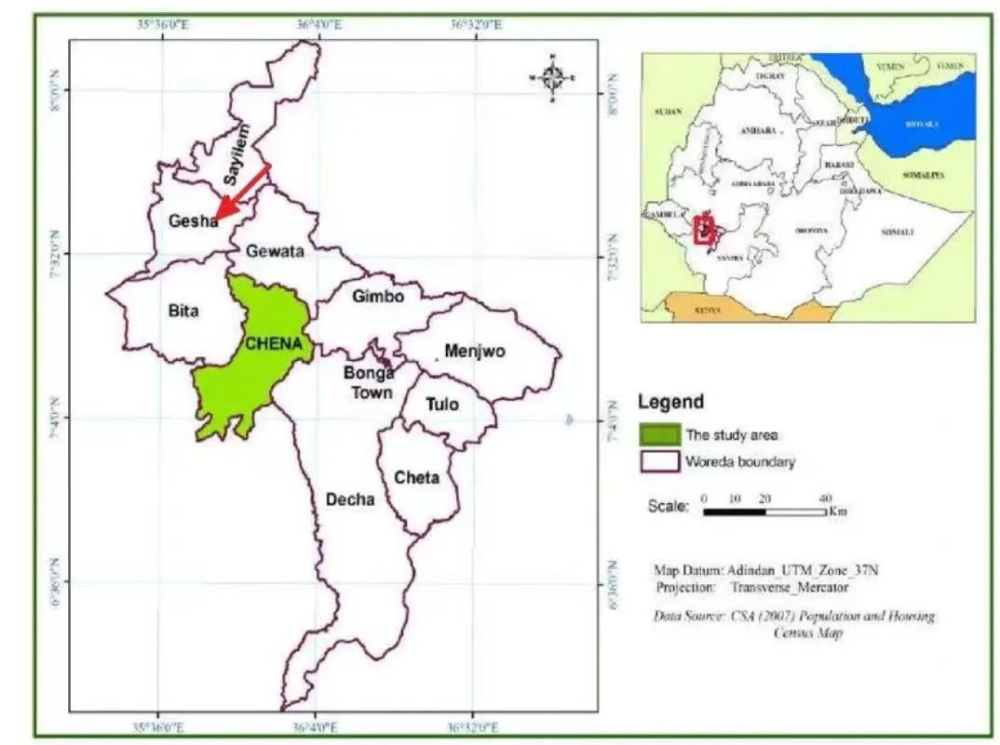
In 2011, the couple Adam and Rachel established a farm in southwestern Ethiopia. Because the farm sits within the boundaries of Gesha Village, it was named "Gesha Village Coffee Estate."
That same year, Adam discovered a bean variety in the Gori forest near the estate that closely resembled Geisha, so he brought it back to the estate to plant. Because it was a Geisha-like variety found in the Gori forest, it was named "Gori Gesha."

By this point, I believe everyone understands: whether it's Gesha 1931 or Gori Gesha, they merely used Panama Geisha as a reference template and are similar varieties found in Geisha's birthplace—which does not prove that they are of the same lineage as Panama Geisha.
Still, they do all come from the same Gesha forest region, so adopting the same naming approach and calling them all Geisha is entirely reasonable. So how you view these two Geisha varieties produced by Gesha Village depends on your own understanding.
Front Street Coffee
No. 10, Bao'an Qian Street, Yandun Road, Dongshankou, Yuexiu District, Guangzhou, Guangdong Province
The above content is compiled by CoffeeHunters, a coffee news website.


