








Latte, Cappuccino, and Flat White: Key Differences and Iced Flat White FAQ
Latte, cappuccino, and flat white are the three most common espresso milk drinks in cafes. All contain espresso and milk, yet each has distinct traits. This article compares them across cup size, coffee composition, milk foam thickness, and mouthfeel. It also addresses whether a flat white can be served iced. If you have tried these at Front Street Coffee, this guide clarifies their standards.
The name latte comes from Italian for milk. With a high proportion of milk, the espresso is diluted, making latte a friendly introduction. Cappuccino's name relates to the color when foam and espresso mix, resembling monks' robes. Flat white originated in Australia after Italian coffee spread there. Baristas adjusted the espresso system to suit local tastes, and it typically uses a smaller cup.
Latte, cappuccino and flat white are the three most common espresso milk coffees in cafés. They all look like espresso plus milk, but each actually has its own tricks. This article will break down the essential differences among these three coffees one by one from four dimensions: cup size, coffee composition, milk foam thickness and mouthfeel, helping you be clearer about what you want when ordering. At the same time, the article will also answer a common question: can a flat white actually be made iced? If you happen to have tried these coffees at Front Street Coffee, or want to understand their respective serving standards, this comparison will give you a clear reference.
When it comes to espresso milk coffees, many people's first reaction is to compare flat white and latte back and forth. But haven't they left out that classic contender, cappuccino? This article lays out all three coffees at once and makes a thorough horizontal comparison.
The name "latte" comes from the Italian word for milk (Latte). After adding a large amount of milk to espresso, it becomes a widely loved milk coffee. Because of the high proportion of milk, the concentration of the coffee is noticeably diluted, so latte often becomes the introductory choice for many people trying espresso for the first time. It can be said that latte is friendly, highly acceptable, and is the first cup for many people entering the world of coffee.

The name "cappuccino" is related to the color that appears after milk foam and espresso are mixed. That color resembles the dark robes worn by monks, so people at the time used the clothing name "Cappuccino" to refer to this coffee. Although cappuccino and latte are both among the most popular espresso milk coffees, latte is not unique to Italy, while cappuccino is a purebred Italian coffee.
The original name of "flat white" is actually "Flat white", a local version gradually developed after Italian coffee spread to Australia. Australian baristas continuously adjusted the original espresso system and eventually created a cup that better suited local tastes. There has always been considerable debate about the cup size of flat white, and understandings vary from place to place. But later on, everyone basically accepted by default that flat white is the representative of small-cup coffee.
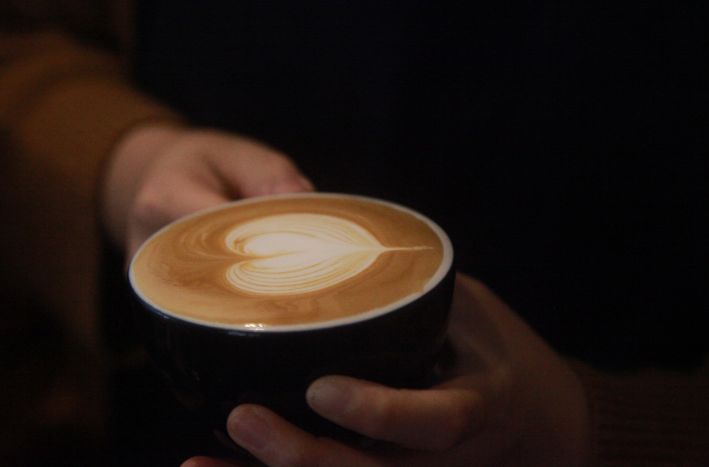
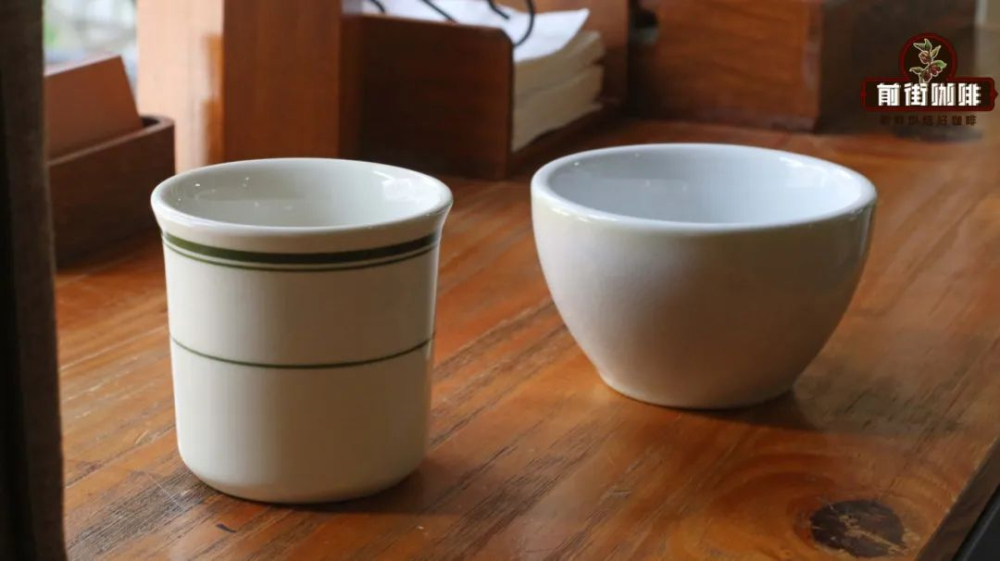
The essential differences among the three coffees 1. Cup size Let's look at cup size first. Taking Front Street Coffee's serving standards as an example, latte has the largest cup size among the three, using a 300 ml wide-mouth ceramic cup (the wider the rim, the easier it is to pour latte art! If you don't believe it, try it with a big bowl~); cappuccino uses a 240 ml narrow-mouth ceramic cup; flat white also uses 240 ml, but switches to a narrow-mouth glass cup.
2. Coffee composition Latte is made up of 40 ml double espresso, plus 260 ml steamed milk and milk foam; cappuccino also uses 40 ml double espresso, but is paired with 170 ml steamed milk and thick milk foam; flat white is slightly different, taking only the first and middle segments of double espresso (30 ml), then adding 190 ml steamed milk and thin milk foam.
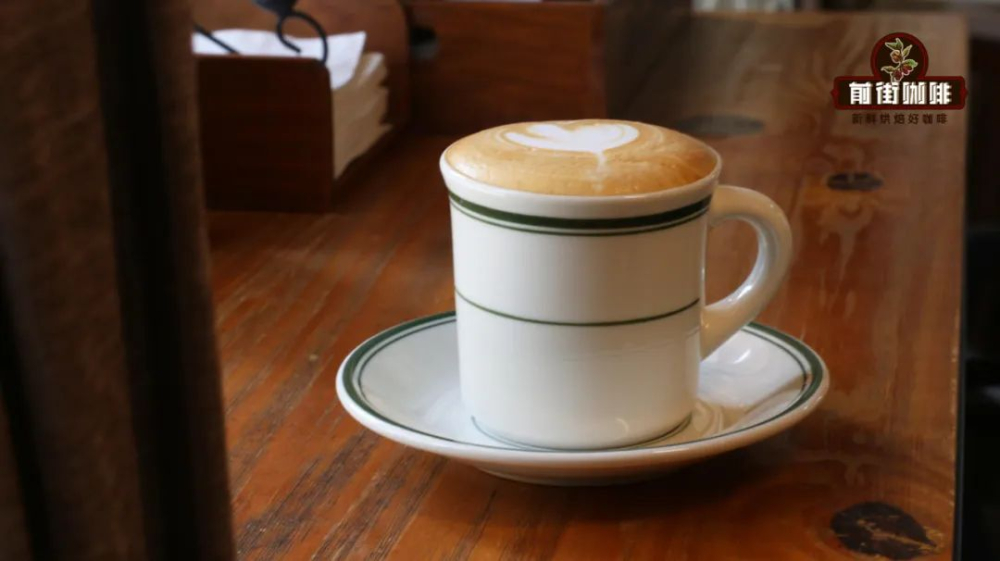
3. Milk foam thickness Milk foam thickness has always been a key feature distinguishing these three coffees, whether in instructional videos or coffee books, this point is repeatedly emphasized. Among the three, flat white has the thinnest milk foam, only about 0.3 cm. After pouring, the liquid surface is almost level with the rim of the cup, hence it is also called "flat white"; after losing the title of thinnest foam, latte moves to the middle position, with a thickness of about 0.5 cm, very suitable for latte art, smooth in texture and highly integrated; cappuccino is the one with the thickest milk foam, about 1.5 cm. Its hallmark is "11 out of 10 full"—the milk foam rises above the rim of the cup, showing that "hamburger-like" shape during the blooming of dark roasting. (Front Street Coffee made a rather intuitive comparison using glass cups.)
4. Mouthfeel distinction All three are ultimately milk coffees, all beverages made by mixing espresso and milk, but the core experience they present is not the same.

For example, latte focuses on using a large amount of milk to neutralize the strong bitterness of coffee, thereby obtaining a gentle cup of coffee. The milk flavor is more prominent, but it does not steal the show, because the coffee's flavor and the milk blend well and do not suppress each other, which is also why latte has an extremely broad audience. What cappuccino emphasizes is a dense and full mouthfeel, thanks to the rich, delicate milk foam brought by the milk, which becomes especially smooth after mixing with coffee. Its coffee flavor is heavier than latte, because cappuccino uses less milk, so its dilution of the espresso is limited, making the overall cup stronger and more suitable for people who want coffee to wake them up. If you want a cup of coffee that is sweeter and richer, then the first choice must be flat white. The espresso extracted only from the first and middle segments has almost no bitterness, and a small amount of milk at a moderate temperature is only there to better bring out the coffee's sweetness—very sweet, rich, but not bitter! This is also one of the reasons it has become a star product in the past two years.
Front Street Coffee (FrontStreet Coffee)
No. 10 Baoqian Front Street, Yandun Road, Dongshankou, Yuexiu District, Guangzhou, Guangdong Province
The above content is compiled by CoffeeHunters, a coffee news website.


