








What Does Colombian Coffee Flavor Mean in Decaf Beans?
Low-caffeine coffee and decaffeinated coffee are not the same thing. Decaf removes most caffeine through a processing method, while low-caffeine coffee simply starts with beans that naturally contain less. Colombian decaf beans made with the Swiss Water process keep much of the flavor of regular Colombian coffee: balanced, full-bodied, with notes of nuts, cocoa, and caramel.
Adults are generally advised to keep daily caffeine intake under about 400 milligrams, roughly five cups of pour-over at 15 grams of grounds each. That ceiling is what drives interest in decaf. Does colombian coffee have more caffeine? Regular Colombian beans carry typical arabica levels, so choosing decaf is about the process, not the origin, and pricing reflects the extra decaffeination step.
Caffeine is the signature component of coffee. Moderate intake can sharpen the mind, but exceeding the recommended healthy amount puts a strain on the body. The daily caffeine limit for adults is about 400 milligrams, equivalent to 5 cups of pour-over coffee (based on 15 grams of grounds). It is precisely for this reason that decaf coffee has entered the public eye. So, are low-caffeine coffee and decaffeinated coffee actually the same thing? And what unique flavor and price characteristics do Colombian decaf beans have? This article will break it all down for you one by one, and introduce you to the Colombian decaf beans processed with the Swiss Water decaffeination method launched by Front Street Coffee, to see how it achieves a balanced, full-bodied flavor with the classic notes of nuts, cocoa, and caramel.

That coffee contains caffeine is common knowledge that almost everyone knows. Drinking some in moderation can help you stay alert, but once you consume too much, your health will be affected. It is generally recommended that adults keep their daily caffeine intake under 400 milligrams, which converts to roughly 5 cups of pour-over coffee (calculated at 15 grams of grounds per cup). In other words, the presence of caffeine limits the total amount of coffee you can drink, and low-caffeine coffee was born for this reason.

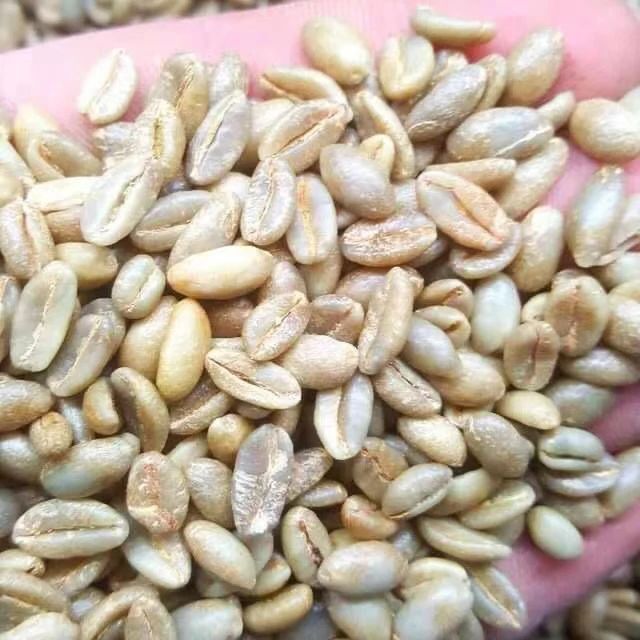
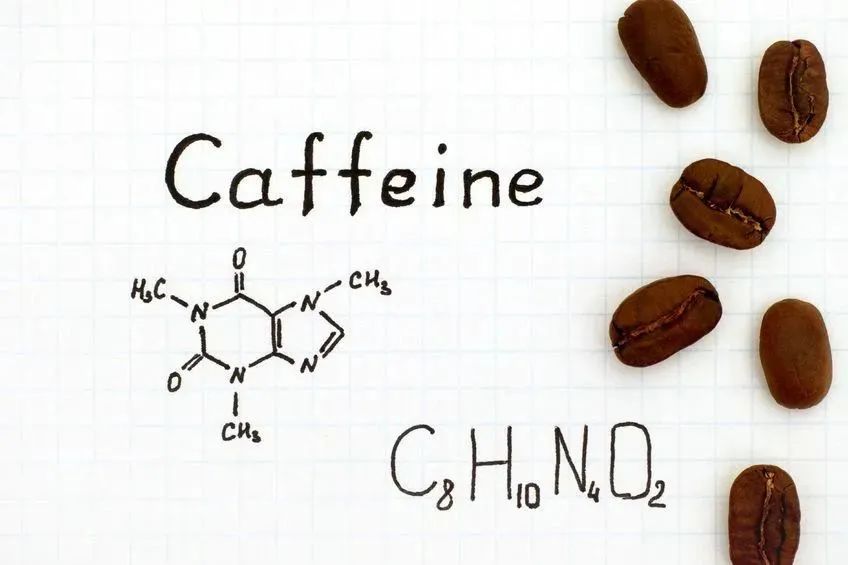
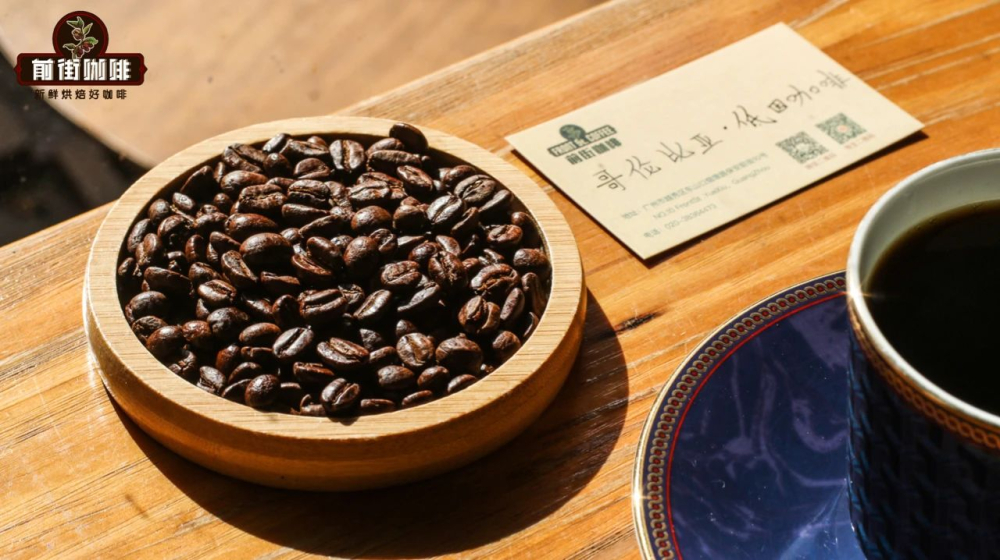
Low-caffeine coffee can indeed achieve extremely low caffeine content, but judging from the products currently on the market, the overall flavor performance of low-caffeine coffee is mostly rather ordinary. Front Street Coffee has also launched a Colombian decaf coffee, using the Swiss Water decaffeination method. The flavor performance of these beans is almost indistinguishable from regular Colombian coffee, presenting balanced, full-bodied notes of nuts, cocoa, and caramel. This performance may be related to the quality of the coffee beans themselves, and may also be related to the way the decaffeination process is handled.
The above content is compiled by CoffeeHunters, a coffee news website.


