







Why Does Espresso Lose Its Crema in Italian Coffee Latte?
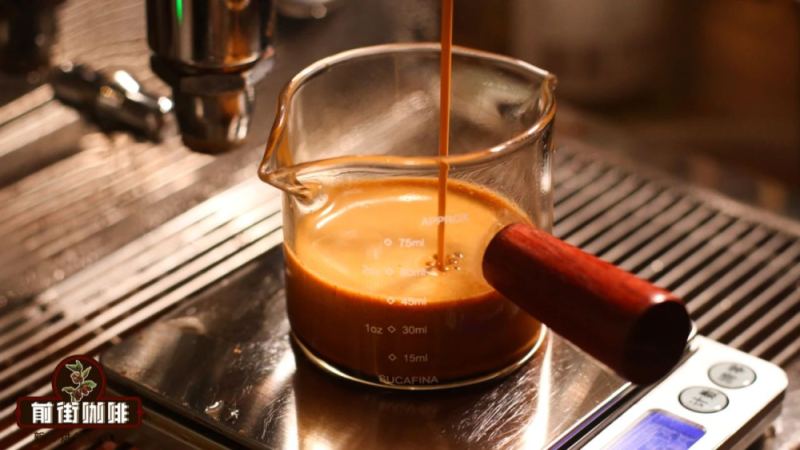
An espresso with no crema usually points to one of five causes: the coffee is roasted too light, the beans are stale, machine pressure is off, the grind is wrong, or the water temperature is incorrect. A normal shot should carry a golden crema about one-third of its depth, creamy when swirled and clinging to the cup.
Roast level matters most in Italian coffee latte and espresso work: darker roasts give richer crema, while lighter single-origin beans sold for pour-over produce a thin, pale layer. Check the beans' intended use before buying, then work through pressure, grind, and temperature in order. No one figure in who invented coffee solves this alone; the variables must line up together.
Extracting an espresso with a rich crema is the goal of many coffee lovers. But sometimes the espresso comes out with no crema at all—what is going on? A normal espresso should be topped with a golden crema about one-third of its depth, with a creamy texture when swirled. If the crema disappears, the problem may lie in the coffee beans, the machine, the parameters, or the technique. Drawing on Front Street Coffee's practical experience, this article systematically sorts through five common causes—roast level, freshness, machine pressure, grind size, and water temperature—to help you quickly troubleshoot the issue and master the correct way to make espresso.
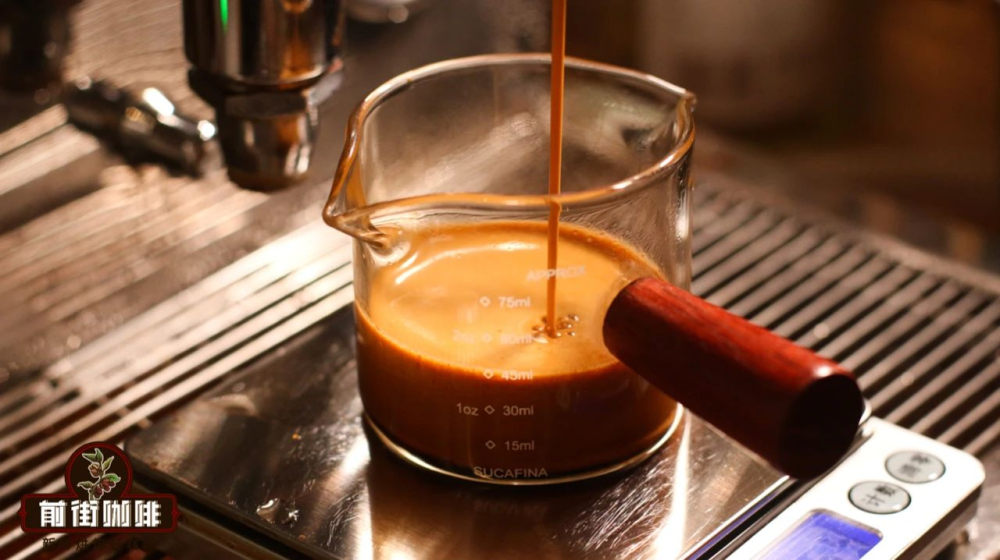
Pulling a shot of espresso with a thick, rich crema is a pleasure for anyone who loves intense flavor, and it's part of the daily routine when working the boiler to extract. But if one day the espresso suddenly comes out different from usual—the layer of crema on top is gone—first-timers are likely to panic a little. What exactly went wrong?
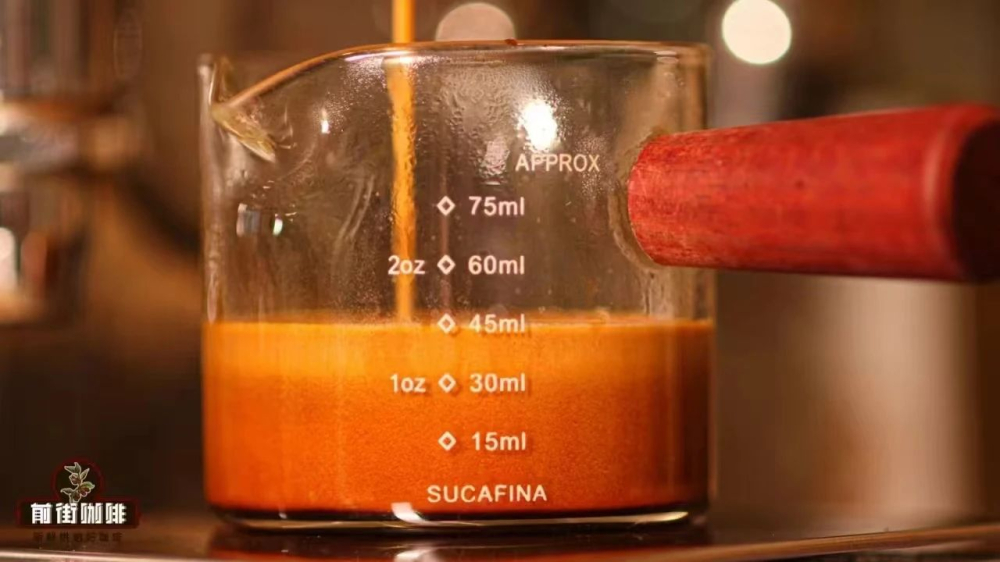
A normal espresso should have a golden crema covering about one-third of the depth above the dark coffee liquid, with a creamy texture when gently swirled and a pronounced cling to the cup.
Normal espresso appearance
Conversely, if the extracted coffee has no crema, something in the process has gone wrong—it could be the beans themselves, a machine malfunction, or a problem with parameter settings or technique.
Front Street Coffee has put together some common causes for you to check against.
① The coffee beans are roasted too light.
Coffee beans sold on the market are generally divided into beans for pour-over drip brewing and beans for espresso machines. The former are mostly single-origin beans with a lighter roast; the latter are mostly blend recipes, along with single-origin SOEs, generally roasted darker.
Crema from light-roasted coffee: relatively thin, paler yellow-white in color
The general rule is: the darker the roast, the richer the crema. If you use single-origin beans meant for pour-over to pull espresso, the crema will look thin—so be sure to check the intended use before buying.
For an espresso with rich crema, Front Street Coffee's classic blend is the top choice—the strength of Mandheling, the smoothness of Brazil, and the dense crema of Robusta combine to create rich flavors of butter, toasted bread, chocolate cookies, and caramel. Even beginners can easily pour beautiful latte art.
② The coffee beans are no longer fresh.
If the extraction itself seems fine, then it's most likely the beans aren't fresh enough. Espresso machines are quite sensitive to bean condition: beans that are too fresh produce unstable crema when extracted, prone to large bubbles that dissipate quickly; stale beans, on the other hand, produce almost no crema at all.
Espresso beans generally need to rest for 7 to 10 days—that is, around the seventh day from the roast date—before the extraction starts to stabilize. The peak flavor window for espresso beans is about 60 days; after two months they have basically lost their aroma and flavor, and the crema volume drops significantly. (This assumes proper storage; Front Street Coffee has not tested nitrogen storage.)
Espresso extracted from stale beans has scant crema
③ The espresso machine itself lacks pressure.
This problem is fairly common with home espresso machines. A thick crema usually relies on the machine's 9 bar of pressure to force the essence out of the puck. Some small espresso machines cannot provide a stable 9 bar extraction pressure, so naturally they can't produce a thick crema.
④ The coffee grind is too coarse.
When the grind is too coarse, the crema likewise won't be rich. This is easy to diagnose: during extraction the coffee flows extremely fast, accompanied by channeling that causes spurting, the crema is pale and thin, and the espresso tastes weak. You can use 20 seconds as a reference—if a double shot's worth of coffee liquid is extracted within 20 seconds, the grind is probably too coarse.
A messy extraction process
⑤ The water temperature is too low.
Many new coffee machines nowadays come with manual temperature adjustment. The water temperature for extracting espresso is generally around 93°C; if it's too low, the crema may fail to appear.
There's another common scenario with home espresso machines: it may take 10 minutes or even longer from power-on to fully heating up. If you start extracting before it's fully heated through, the water temperature may be insufficient, resulting in no crema and a coffee that tastes rather sharp and sour.
The above content is compiled by CoffeeHunters, a coffee news website.


