







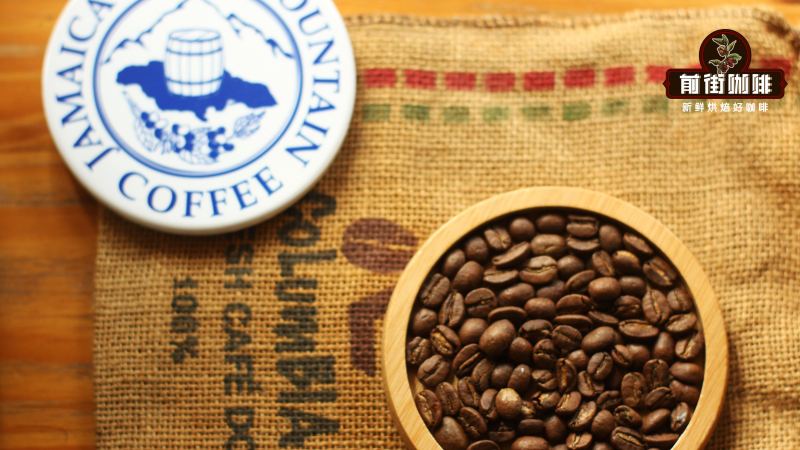
What makes Jamaican coffee from the Blue Mountains different?
Only coffee grown in Jamaica's Blue Mountain range can be sold as authentic Blue Mountain coffee. The range sits in eastern Jamaica, inside the coffee belt between 25 degrees north and 25 degrees south, and its highest peak reaches 2,256 meters. High altitude slows cherry ripening, so beans accumulate more aroma and nutrients, giving the cup a balanced, clean character.
Volcanic eruptions left mineral-rich soil, and steady rainfall plus constant mist let coffee trees grow without extra irrigation or fertilizer. Because the mountains are surrounded by sea, they take on a blue sheen in sunlight, which is where the Blue Mountain coffee name comes from. Careful washed processing and grading keep the flavor round rather than bitter.
Blue Mountain coffee is hailed as one of the world's top coffees, but where exactly is authentic Blue Mountain grown, and what does it taste like? Can Blue Mountain black coffee really help with weight loss? From Front Street's perspective, this article systematically covers the origin, terroir, variety characteristics, grade standards, and washed processing techniques of Jamaican Blue Mountain coffee, and shares in detail Front Street Blue Mountain No. 1's pour-over extraction parameters and brewing techniques, helping coffee lovers avoid the bitterness trap and fully appreciate Blue Mountain coffee's unique charm of balance and cleanliness.
Even people who rarely drink coffee have mostly heard of the great reputation of Blue Mountain coffee. As one of the most famous coffees in the world, high-quality Blue Mountain is known for its rich, full-bodied aroma and round, balanced mouthfeel. In this article, Front Street will guide you through what high-quality Jamaican Blue Mountain coffee actually tastes like.
What counts as真正的 Blue Mountain coffee?
Front Street first needs to clarify one point: only coffee beans grown in Jamaica's Blue Mountain range deserve to be called authentic Blue Mountain coffee. Jamaica is located in the Caribbean Sea, and its coffee-growing areas are mainly concentrated in the Blue Mountain range in the eastern part of the country. Surrounded by seawater, the mountains take on a captivating blue sheen under the sunlight, which is how Blue Mountain got its name. The area has beautiful scenery and clean air, and is also home to the highest peak in the Caribbean, reaching 2,256 meters, attracting many tourists for sightseeing and vacation.
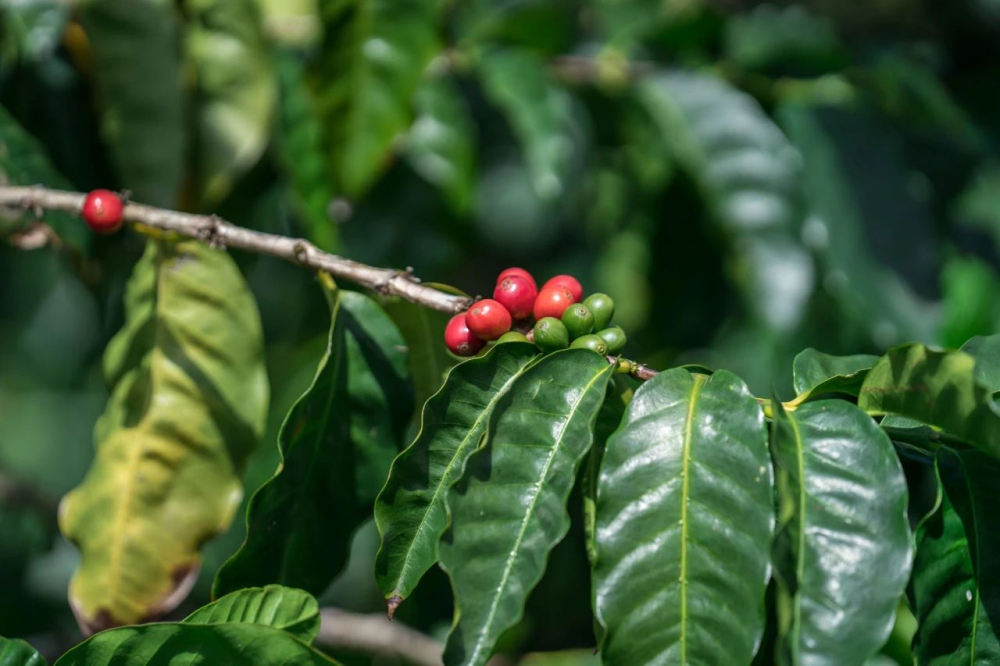
Like many specialty coffees, Blue Mountain coffee's delicate flavor also benefits from the area's unique microclimate. The Blue Mountain range lies within the coffee-growing belt between 25 degrees north and 25 degrees south latitude, in eastern Jamaica, with its highest peak at 2,256 meters. The high altitude creates a pronounced temperature difference between day and night, slowing the ripening of coffee cherries and allowing them to fully accumulate nutrients and develop a rich aroma. Local volcanic eruptions left behind fertile, mineral-rich soil, and with abundant year-round rainfall and pervasive mist, coffee trees can grow vigorously even without additional irrigation or fertilization.
In addition, the Blue Mountain area has a relatively enclosed island-type microclimate with very little air pollution. The Typica variety introduced in earlier years gradually adapted to the local terroir, maintaining its pure lineage while also developing strong disease resistance. Precisely for this reason, when most producing regions abandoned growing Typica one after another, Blue Mountain still insisted on this pure variety. Front Street believes this is also one of the reasons Blue Mountain coffee has its distinctive aroma.
Why is Blue Mountain coffee regarded as the world's best coffee?
The Jamaican government has designated areas above 1,700 meters in the Blue Mountain range as a nature reserve, so crops can only be planted below 1,700 meters. According to the standards of the Jamaican Coffee Industry Board (CIB), only Arabica coffee grown above 910 meters can bear the name Jamaican Blue Mountain coffee, while coffee from other lower-altitude producing areas is classified as Jamaican High Mountain coffee and Jamaican Supreme coffee. The higher the altitude, the greater the difficulty of cultivation management and harvesting, and the rarer the coffee beans produced, so the price naturally rises accordingly.
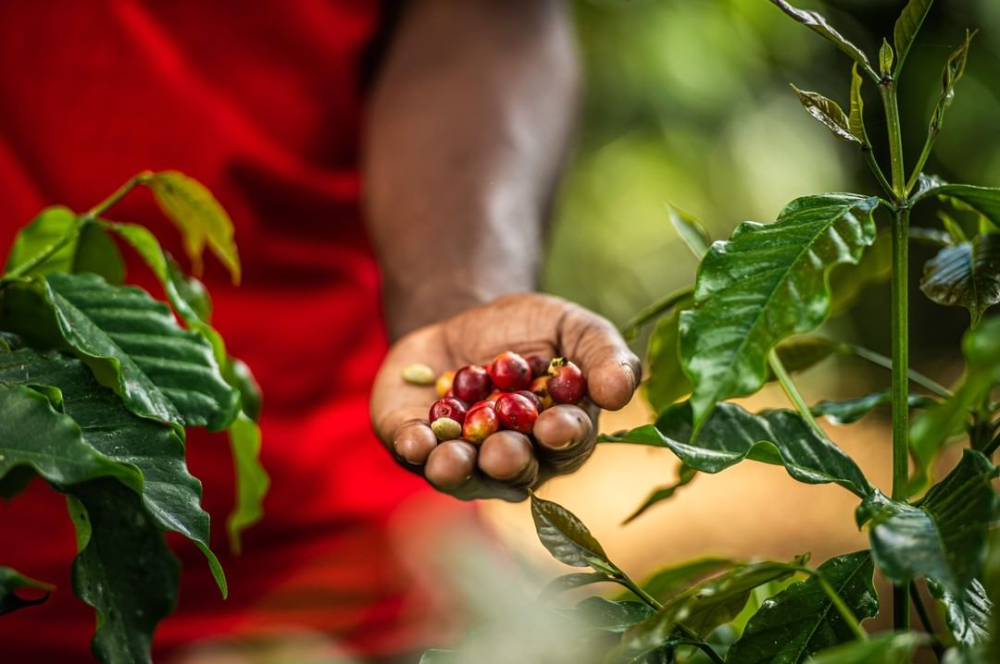
After the Jamaican Blue Mountain coffee cherries are picked, they are usually processed using the traditional washed method. The coffee cherries are first pulped by machine to remove the skin and flesh, then placed in tanks to ferment overnight. After fermentation is complete, the beans are moved to clean tanks and repeatedly scrubbed; through the friction between the beans and the washing action of water, the coffee beans are cleaned until smooth and clean. Finally, the parchment beans are dried for 2 to 3 weeks until the moisture content drops to 12% to 14%. Because the flesh and mucilage have already been removed before drying, reducing the influence of excess fermentation acidity, the aroma of the Blue Mountain beans themselves comes through in a more balanced and clean way.
After processing, Jamaican Blue Mountain green beans still need to pass multiple quality inspections, covering defect ratio, screen size, and cupping score. The highest grade, Blue Mountain No. 1 coffee beans, must reach a screen size of 17 to 18, have a defect bean ratio of no more than 2%, and possess just the right acidity, sweetness, bitterness, body, and aroma. It is not hard to imagine that the output of such exquisitely flavored top-grade coffee beans is extremely limited. If you want to appreciate Blue Mountain's refined flavor, Front Street recommends choosing the highest-quality Jamaican Blue Mountain No. 1 coffee. Front Street's Blue Mountain No. 1 coffee beans come from Clifton Estate.
How should top-grade Blue Mountain coffee be brewed to do it justice?
To bring out the rich aroma of Blue Mountain No. 1, Front Street believes the first prerequisite is to choose a bag of coffee beans at its optimal tasting period. Once coffee beans have passed their optimal tasting period, it is very difficult for their flavor to show in the cup. Front Street upholds the philosophy of "freshly roasted good coffee" and only ships coffee beans within 5 days of roasting, hoping every customer receives them at their flavor peak. As for the extraction method, if you want to taste Blue Mountain's purest core characteristics, Front Street Coffee (FrontStreet Coffee) believes pour-over is the most suitable choice.
Front Street uses the Kono dripper for brewing to present Blue Mountain No. 1's rich, rounded mouthfeel. Kono's ribs extend less than half the height of the dripper; this design is precisely intended to let the dripper cling tightly to the wall after wetting, restricting airflow, thereby extending the water absorption time of the coffee grounds, making extraction more even while enhancing body.
In addition, Blue Mountain No. 1 is a medium roast, and the internal structure of the beans is looser than that of light-roasted coffee, so it absorbs water better. To avoid over-extraction, Front Street chooses a grind size with 75% passing through a No. 20 standard sieve, paired with a water temperature of 88°C, and uses Front Street's usual three-stage pouring method.
Front Street's in-store brewing parameters for Blue Mountain No. 1 are as follows:
Dripper: KONO dripper
Water temperature: 88 degrees Celsius
Coffee-to-water ratio: 1:15
Coffee grounds: 15g
Grind size: granulated sugar coarseness (EK43s - setting 10.5 / 75% passing through a No. 20 standard sieve)
Front Street uses staged extraction, also known as the three-stage pouring method: first use 30g of water for blooming, with a blooming time of 30 seconds; in the first stage, pour in a small stream in circles until 125g, then stop; when the liquid level drops to just before the coffee bed is exposed, continue with the second stage, pouring until 225g to finish extraction. The total extraction time (including blooming) is 2 minutes 00 seconds. The Blue Mountain No. 1 black coffee brewed this way presents rich notes of dark chocolate, nuts, and caramel on the palate, with a creamy smooth texture, moderate body, a clean sweet finish, and balanced flavor.
Regarding pour-over coffee, Front Street often receives feedback from friends saying their Blue Mountain No. 1 tastes too bitter. When this happens, it is mainly due to an excessively high extraction yield, causing too many bitter macromolecules in the coffee to be released. To improve this problem, Front Street has summarized the following points for everyone to reference and adjust according to their own brewing situation.
1. If the grind is too fine, substances dissolve more efficiently, and the extraction time is also prolonged, making the coffee taste bitter and muddled. It is recommended to adjust the grind coarser.
2. If the water temperature is too high, scorched bitterness becomes obvious. Front Street recommends keeping the water temperature between 86 and 93°C. For medium-dark roasted beans like Blue Mountain No. 1, 87 to 89°C is recommended.
3. If the pouring stream is too strong or the agitation too vigorous, it is easy for too many substances in the coffee to be released, dissolving more bitter components. Front Street believes that using suitable brewing parameters and maintaining a steady pour can also extract the coffee's aromatic substances.
Professional coffee knowledge exchange For more coffee bean information, please follow Coffee Workshop (WeChat public account: cafe_style)
For more specialty coffee beans, please add the private WeChat of Front Street Coffee (FrontStreet Coffee), WeChat ID: qjcoffeex
The above content is compiled by CoffeeHunters, a coffee news website.


