







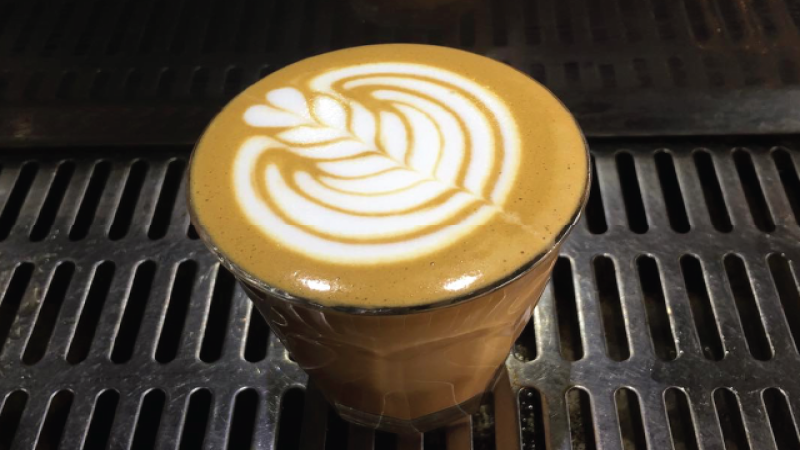
How does Australian coffee culture shape the piccolo latte?
The piccolo latte is a small, milk-based espresso drink that is common in Australian cafes alongside the flat white, yet it is almost absent from Chinese menus. Australian coffee culture blends immigrant espresso traditions into a style built around drinking quickly at the bar, and that setting suits a small cup. In China, cafes function more as places to sit and socialize.
The flat white crossed over partly because Starbucks launched its own version in China in 2015, giving the drink a familiar name. The piccolo latte never got that push, and its small volume fits poorly with long cafe visits. Coffee consumption patterns, not flavor alone, explain why one Australian drink spread and the other stayed local.
In Australian cafes, Flat White and Piccolo Latte are equally common, but the former has long since blossomed everywhere in China, while the latter rarely appears on menus. Why does this disparity exist? What kind of coffee is Piccolo Latte exactly, and what makes its taste unique? From the perspective of Front Street, this article sorts out the background of Piccolo Latte's popularity in Australia, its origins with Flat White, and the influence of the domestic market environment on the acceptance of this small-cup coffee, giving you a comprehensive understanding of this underrated coffee beverage.
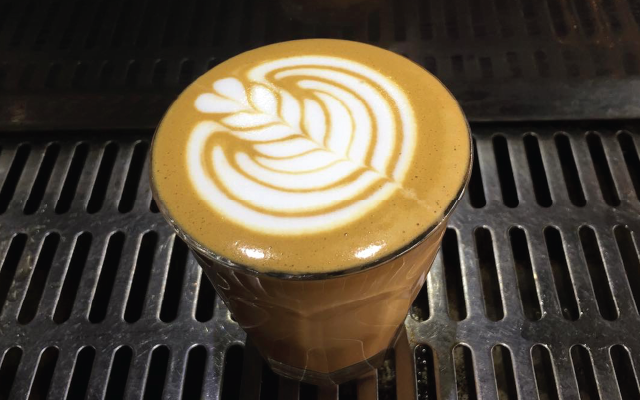
In Australian coffee shops, Flat White and Piccolo Latte are both highly popular choices. But back in China, Flat White has already penetrated cafes on every street and alley, while Piccolo Latte is almost nowhere to be found. Today, Front Street will talk about the coffee known as Piccolo Latte.
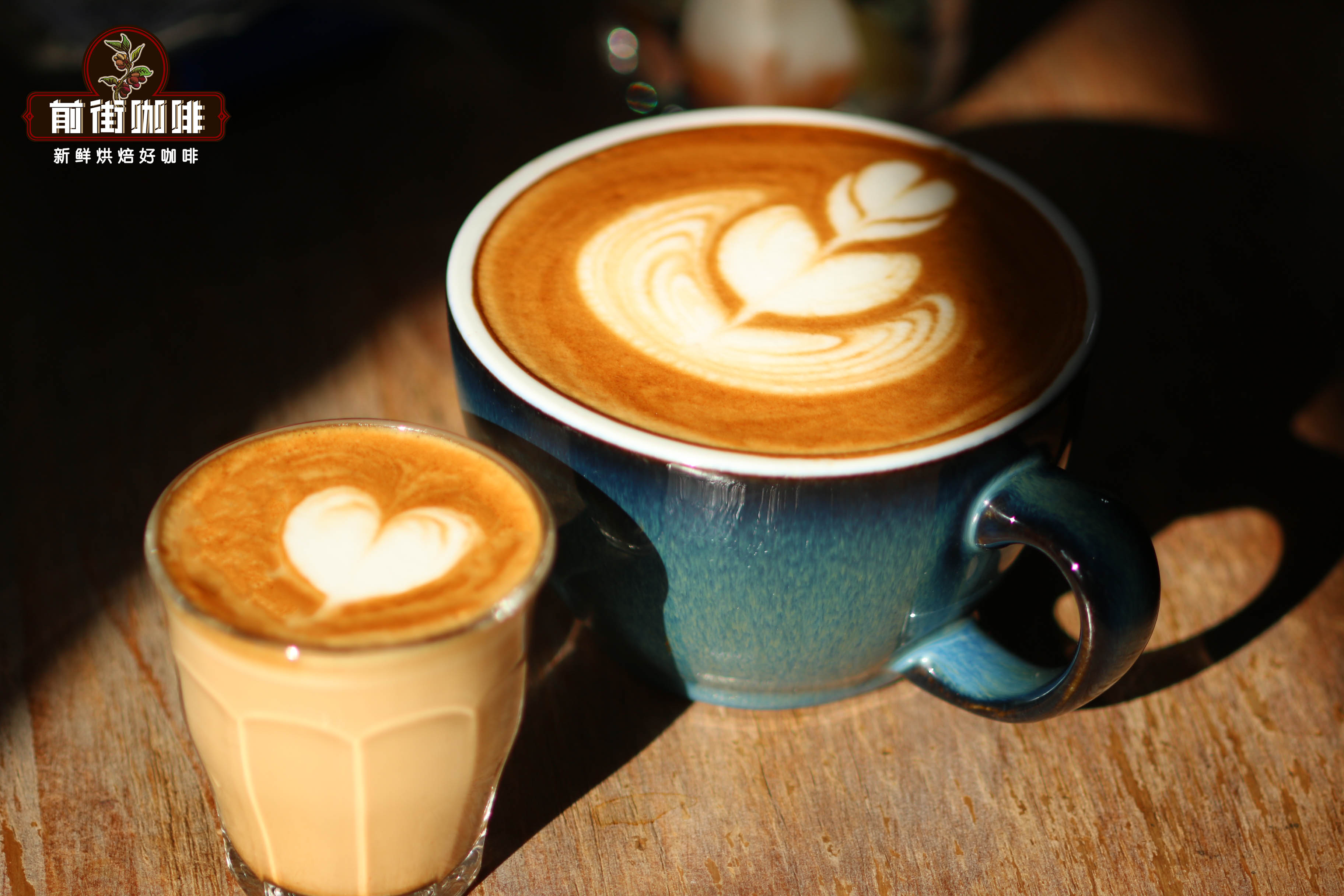
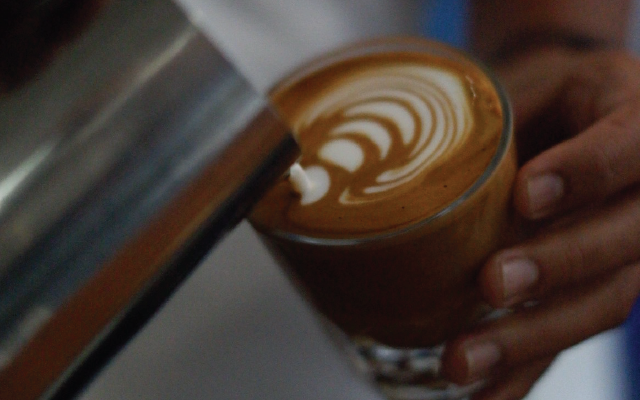
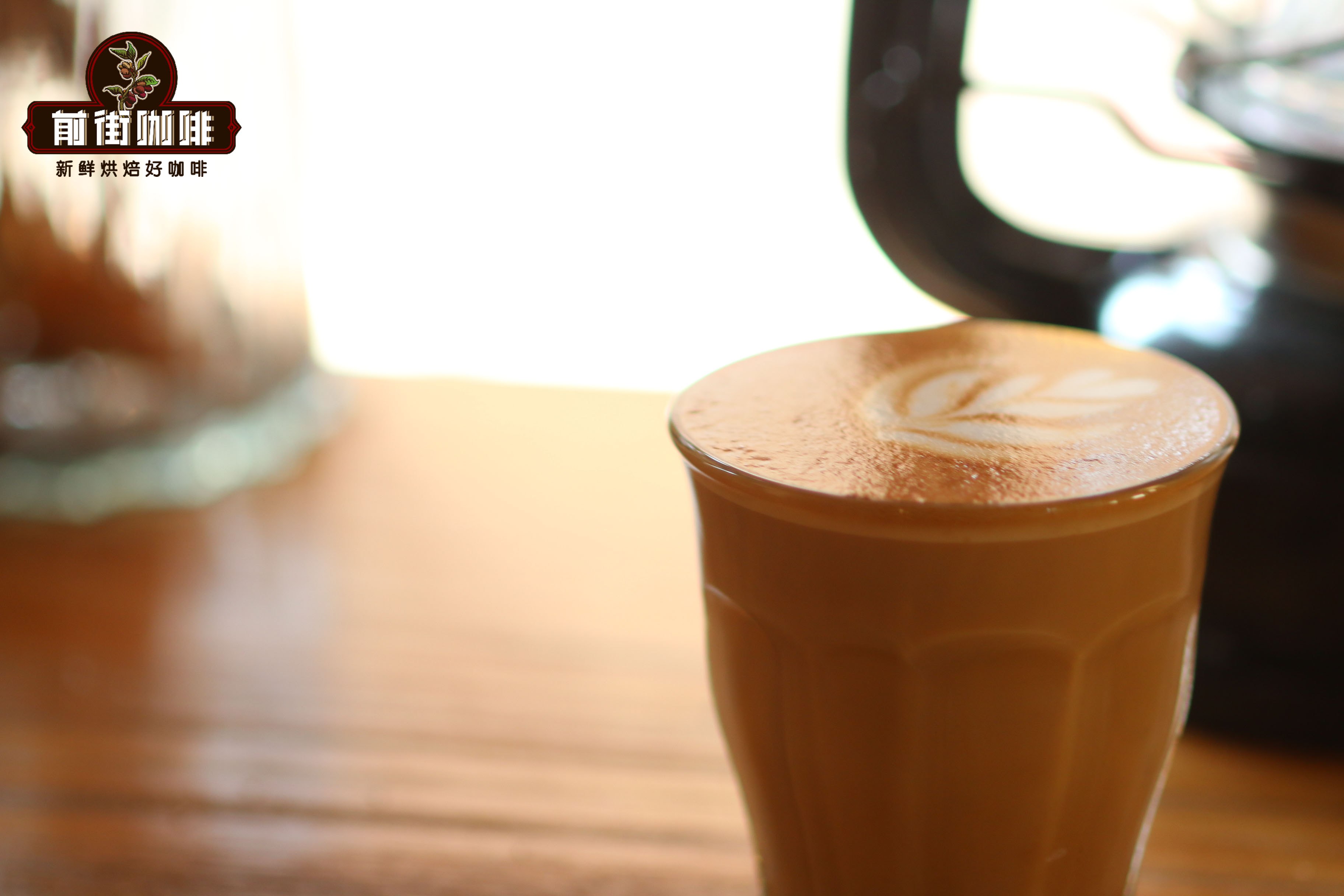
The reason Flat White and Piccolo Latte became popular in Australia largely stems from the fusion and collision of local coffee cultures. And the fact that Flat White could cross the ocean and become popular in China—Front Street believes Starbucks played a key role. In 2015, Starbucks launched a drink called "Fu Rui Bai" across its stores in China, which was actually Starbucks' version of Flat White.

On the other hand, it is also related to cultural differences in the coffee consumer market. Abroad, much coffee consumption is truly centered on the coffee itself—customers buy a cup of coffee and leave after drinking it. In China, however, cafes serve more as places for socializing and resting, so the small-cup Piccolo coffee is naturally not within most people's range of choices.
The above content is compiled by CoffeeHunters, a coffee news website.


