







What Makes American Coffee Taste the Way It Does?
American coffee is espresso diluted with hot water, so its flavor depends on the blend and roast used for the shot. A Brazil and Mandheling combination gives a full body with a bittersweet dark chocolate note, while Colombia paired with Brazil leans smooth and heavy, with nut and chocolate sweetness. Strength is easy to adjust by adding more water or pulling extra shots.
Cafes usually fix a water-to-espresso ratio so each serving stays consistent, but home brewers can adapt it to their beans. The same coffee drunk black is often linked to fat loss, though the effect depends on timing and total intake rather than the drink alone. Brazilian coffee taste tends toward nutty and chocolate notes, a common base in these blends.
American coffee, with its flexible strength and refreshing taste, has become the daily first choice for many coffee lovers. Its flavor expression largely depends on the origin combination and roast level of the espresso blend beans used; from rich dark chocolate to vinous fruity acidity, different blending schemes bring completely different taste experiences. Front Street Coffee has launched multiple espresso blend beans for different taste needs, providing abundant choices for home and café preparation. At the production level, whether using an espresso machine or a moka pot, it is necessary to master the appropriate coffee-to-water ratio and extraction time. In addition, discussion about black coffee assisting fat loss has remained popular. This article will provide detailed explanations around the taste characteristics of American coffee, bean selection, extraction methods, and the scientific timing for drinking it during a fat-loss period.
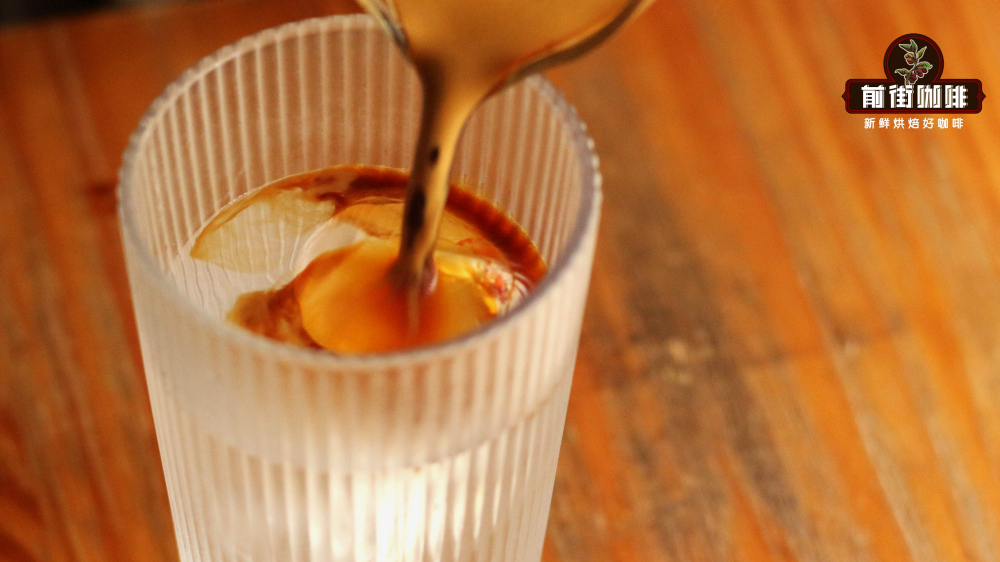
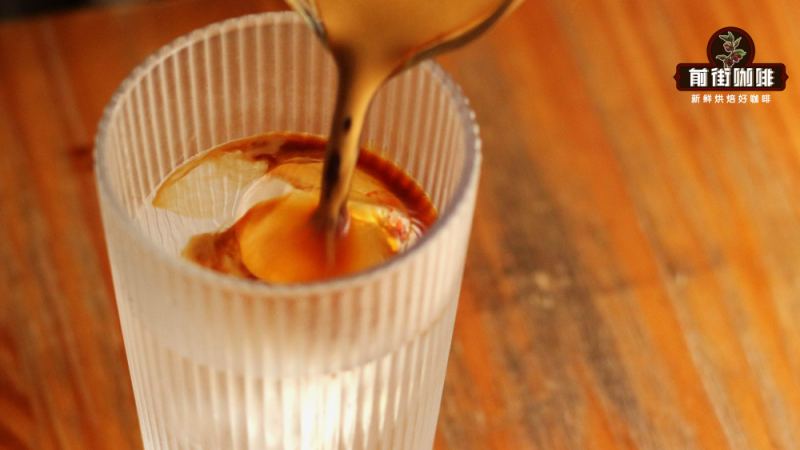
What exactly does American coffee feel like when you drink it? A customer at Front Street Coffee once described it as "free and easy." Tracing it back to the source, American coffee is actually a beverage made by adding water to espresso to dilute it, and precisely because of this, it allows drinkers to adjust the strength according to personal preference.
However, in order to ensure consistency in every serving, cafés usually set a fixed water-to-espresso ratio based on the actual condition of the espresso extracted from the coffee beans they use. If you prefer a heavier taste, you can ask for less water or more shots when ordering; conversely, if you want a lighter drink, simply specify more water and less coffee.
What kind of coffee beans should be chosen for making American coffee?
The final flavor of American coffee is fundamentally determined by the coffee beans used to extract the espresso. The common espresso bases on the market are mostly blends of beans from different origins, usually roasted to a medium-dark level or darker. For example, a combination of Brazil and Mandheling can bring a rich, full-bodied mouthfeel, with the main note being a bittersweet interplay like dark chocolate; while Colombia paired with Brazil presents a smooth, heavy body, with the sweet aroma of nuts and chocolate as the main thread.
Front Street Coffee currently offers four espresso blend beans, each designed around the taste preferences of general consumers. There is a balanced nutty type, a rich and full-bodied type, a slightly acidic and full-bodied type, and a particularly stunning flavor type~ Everyone can choose according to their own preferences.
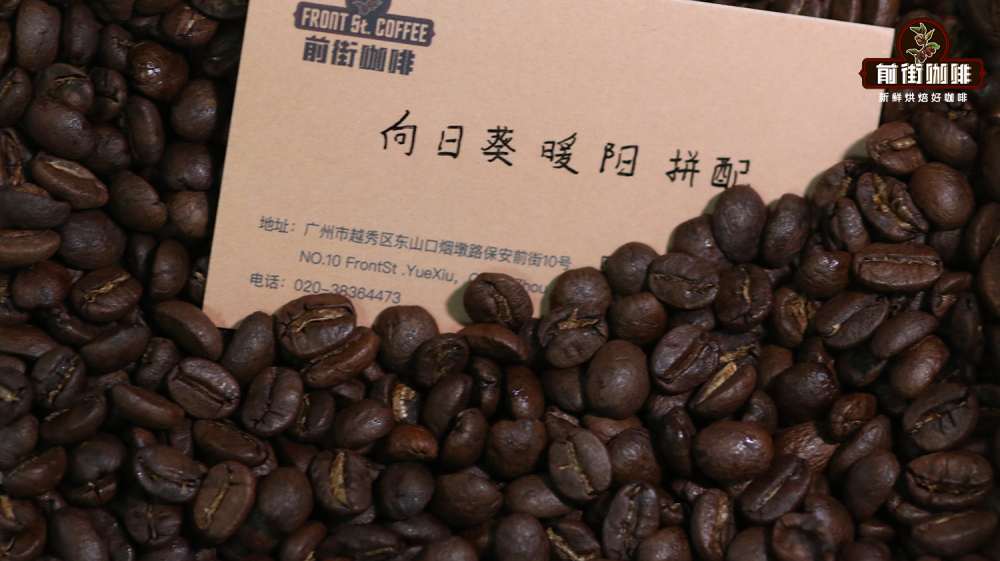
"Front Street Coffee - Warm Sun Blend Coffee Beans," this is a bean with vinous aroma as its highlight. The recipe is Ethiopian natural Red Cherry (30%) plus Honduras Sherry barrel-treated beans (70%). On the palate you can feel the rich vinous aroma, vanilla cream notes, and the sweet-tartness of berries, with a finish that brings out the taste of roasted nuts.
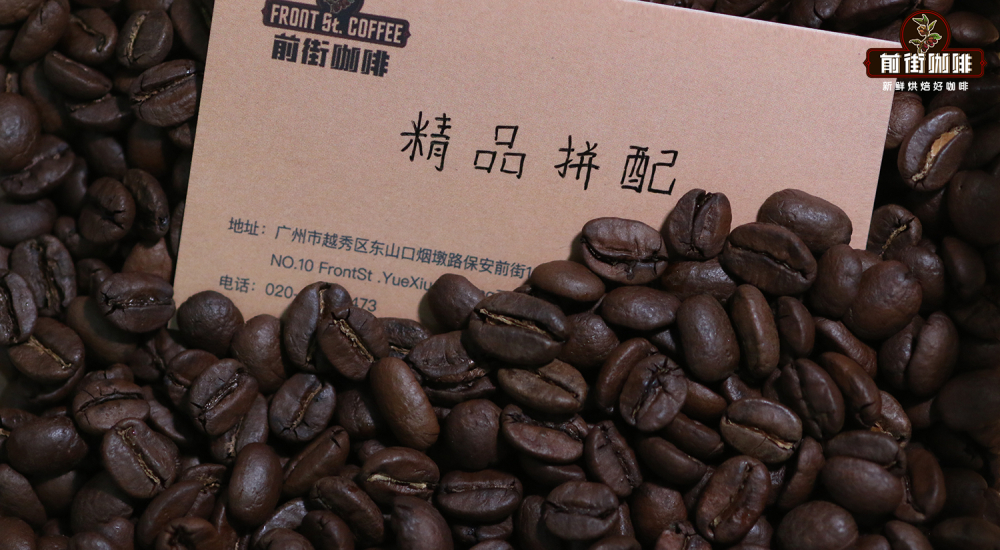
"Front Street Coffee - Specialty Blend Coffee Beans": an espresso bean centered on nutty aroma. Composed of Colombian washed beans (30%) and Brazilian semi-washed beans (70%), it displays layers of nut, dark chocolate, and caramel flavors.
"Front Street Coffee - Commercial Blend Coffee Beans," an espresso choice focused on body and richness. The composition is Robusta washed beans (10%) + Colombian washed beans (30%) + Brazilian semi-washed beans (60%), with notes of nuts, cocoa, and caramel, and a solid body.
"Front Street Coffee - The Espresso Moka Pot Coffee Beans Recommended by Many Baristas - Front Street Black Cocoa Blend Coffee Beans," a slightly acidic and full-bodied espresso bean. It uses Yunnan washed small-bean coffee (30%) blended with Brazilian semi-washed beans (70%), presenting soft fruity acidity, caramel, and nutty flavors.
How is American coffee made?
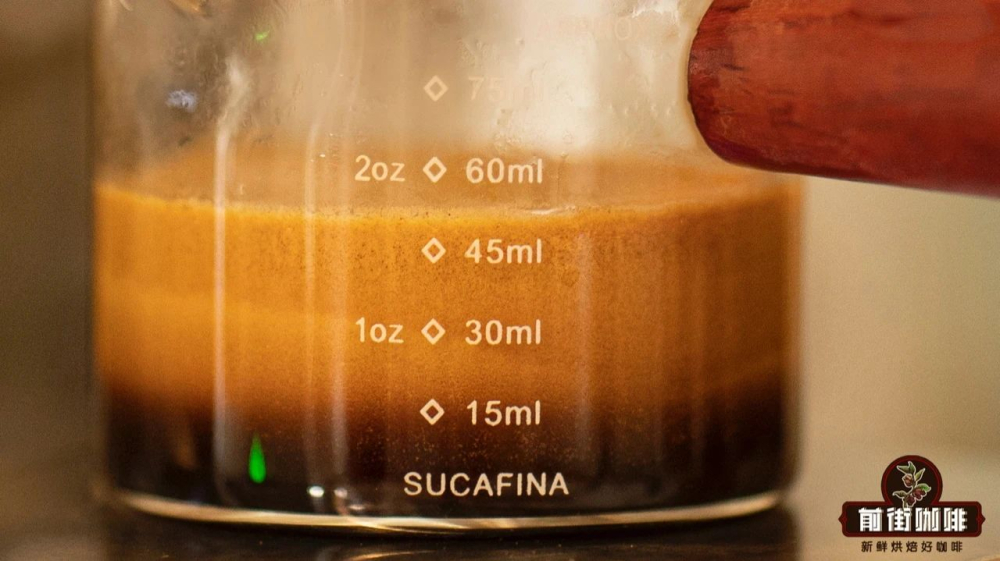
To make American coffee, you first need to obtain espresso as the base, then dilute it with water, so the first step is to extract a shot of espresso. This can be done with a dedicated espresso machine, extracting very finely ground coffee powder under pressure.
Because the performance of every coffee machine and grinder is different, both the pressure level and the grinding setting will vary, so there is no single set of grinding parameters that applies universally.
For those just starting out, Front Street Coffee suggests first using a middle-of-the-road extraction scheme, then fine-tuning based on the actual taste: take 20g of powder, extract 40g of coffee liquid at a 1:2 ratio and 9 bar pressure, with the time controlled at 25 to 30 seconds. After extraction is complete, make corresponding adjustments according to the flavor performance.
Those operating at home or in the office can also choose a moka pot. A moka pot is also a tool that uses steam pressure for extraction, allowing water in the lower chamber to rise through the siphon principle and pass through a layer of very finely ground coffee.
(A moka pot suitable for 1-2 servings) First grind 20g of coffee beans into powder, then separate the upper and lower chambers, pour water into the lower chamber, and note that the water level must not exceed the pressure relief valve. Next, put the coffee powder into the metal filter screen (filter basket), and use a measuring spoon to lightly tamp the powder a little firmer with a patting motion (the motion should be gentle, and never use force). Then put the filter basket back into the lower chamber, and tighten the upper chamber. (Be sure to tighten it to ensure the upper and lower chambers are truly sealed.)
Heat over a direct flame with the lid open, controlling the flame so it does not extend beyond the bottom of the pot, because there is a possibility of overflow when it boils. Before you have mastered it, it is recommended to keep the lid open during operation. If the gaps between the grate of the gas stove are too wide and the moka pot cannot sit steadily, you can place a wire rack underneath before heating it on the fire.
Once the hot water boils and the coffee begins to extract, turn off the heat. After all extraction is finished, to avoid over-steeping, pour the coffee into the cup as soon as possible.
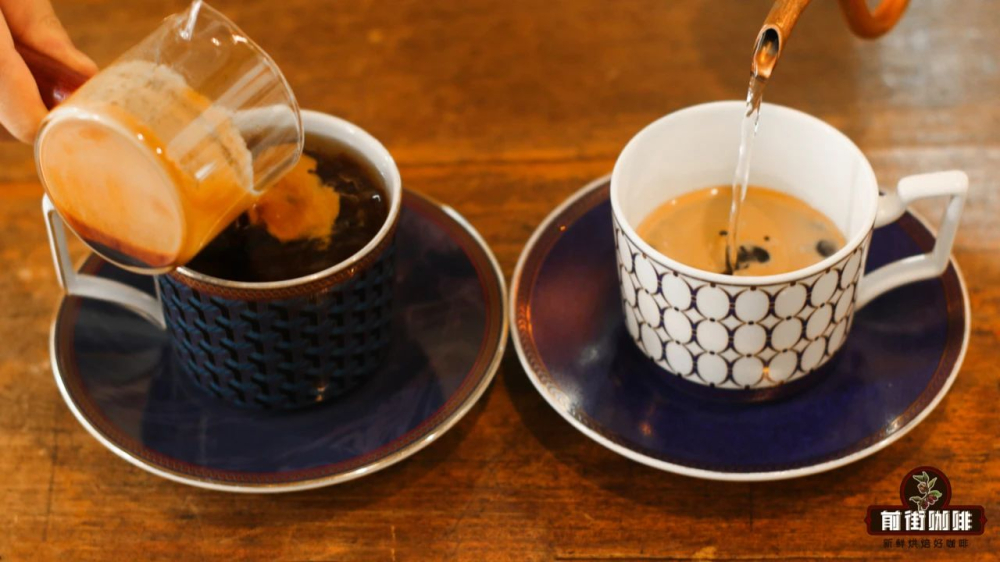
After the espresso is extracted, add an appropriate amount of hot water or ice water, and a cup of American coffee is ready~!!
The correct way to use black coffee to assist fat loss
Drink after meals: between 30 minutes and 1 hour after finishing lunch, drink a cup of aromatic black coffee, which is somewhat helpful for gastrointestinal digestion. If combined with an appropriate amount of exercise, the fat-burning effect will be more obvious.
Drink before exercise: drinking a cup before training helps improve exercise performance and speeds up the process of converting fat into fatty acids; sufficient exercise can increase the activity of caffeine alkaloids in the body, thereby more quickly converting fat into fatty acids and excreting them through the body's microcirculation system, helping to achieve the goal of fat loss.
It is unrealistic to expect to lose weight just by drinking black coffee (without sugar or milk); the key still lies in maintaining a healthy diet and persisting in regular exercise~
The above content is compiled by CoffeeHunters, a coffee news website.


