







Is Mandheling coffee an Arabica specialty bean?
Mandheling is an Indonesian coffee known for herbal notes and a heavy body, and it is sold as an Arabica specialty coffee. Sumatra's common lots blend Tim Tim and Ateng (Catimor), which together make up about 70 percent of the island's production. The flavor comes largely from the wet-hulling process used in Sumatra rather than from a single heirloom variety.
Typica arrived with the Dutch at the end of the 17th century, but leaf rust in 1877 destroyed most of Indonesia's coffee trees. The government then brought in disease-resistant Robusta from Africa, which still dominates nationally. Dark-roasted Mandheling is usually brewed by pour-over, with baristas controlling grind, water temperature, and a three-pour technique to keep the herbal character without harsh bitterness.
Mandheling coffee, with its herbal notes and heavy body, has gradually won the favor of many enthusiasts amid the specialty coffee wave. But many people still wonder: what exactly is the difference between Mandheling and espresso? Is it an Arabica specialty bean? This article will start with the varietal origins of Front Street Mandheling, trace the planting history of Indonesian coffee and the origins of the wet-hulling process, break down the key brewing points for dark-roasted Mandheling, and include the pour-over parameters and three-pour technique recommended by Front Street Coffee baristas, giving you a comprehensive understanding of this representative Southeast Asian flavor.
As the third wave of specialty coffee continues to advance, coffee lovers' taste tolerance has also grown. Front Street Mandheling is a typical example—this Indonesian coffee, known for its herbal tone and heavy texture, was initially quite controversial in its reviews, but Front Street Coffee has noticed that plenty of people now adore it. To fully bring out the unique aroma of Front Street Mandheling, the baristas at Front Street Coffee generally choose pour-over extraction. But before brewing, Front Street believes it is essential to first understand the ins and outs of a bean.
What variety does Mandheling actually belong to?
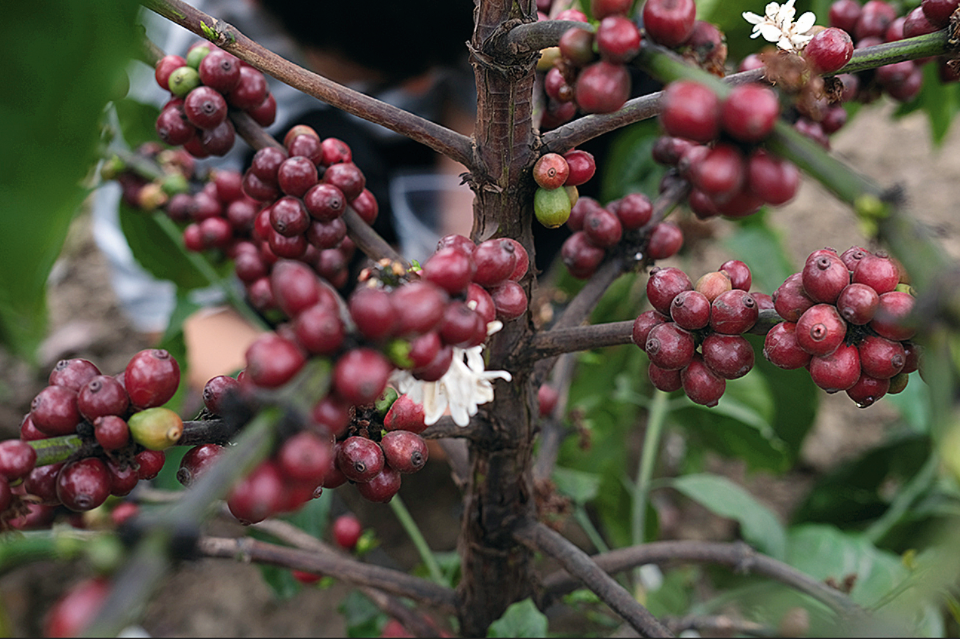
Indonesia cultivates a fairly rich variety of coffee plants. The first to take root locally was Typica, widely recognized for its outstanding flavor, brought in by the Dutch at the end of the 17th century. However, in 1877 a large-scale outbreak of leaf rust nearly destroyed all of Indonesia's coffee trees, and Typica withered en masse. To deal with this crisis, the Indonesian government introduced Robusta, which has stronger disease resistance, from Africa and elsewhere. To this day, Robusta remains the dominant variety in Indonesian coffee.
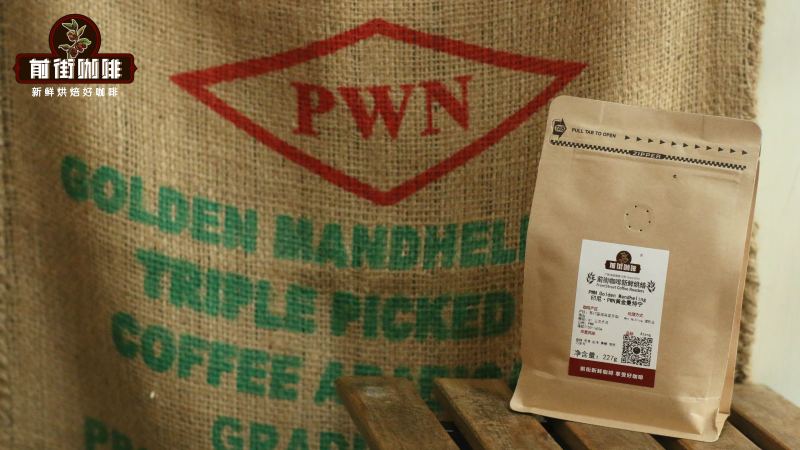
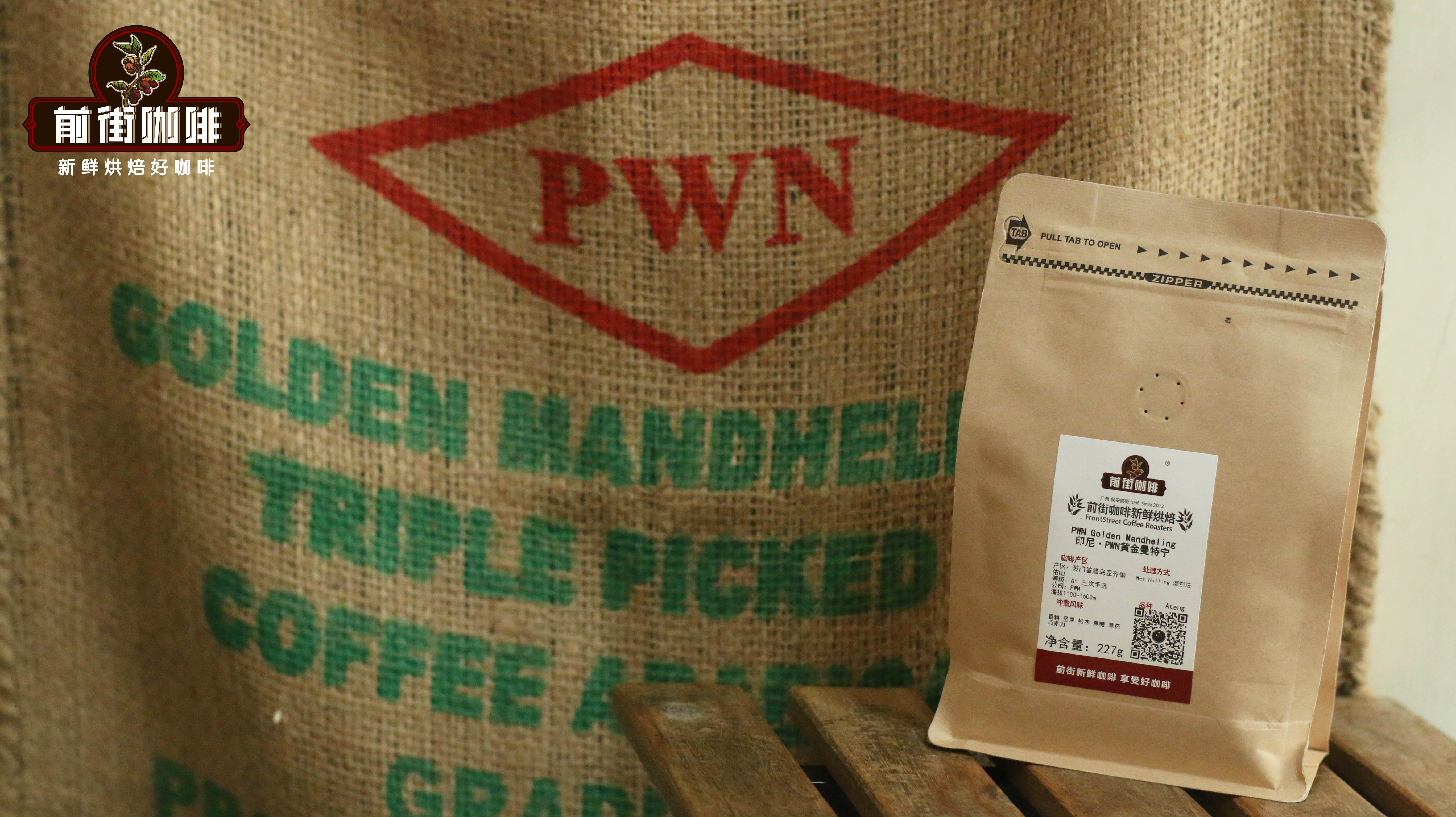
To further increase yields, Indonesia has continued to introduce various disease-resistant varieties from abroad. Among them, the Tim lines (Tim Tim, Bor Bor) and Catimor series (Ateng), which are hybrids of Robusta and Arabica, show a unique cedar aroma thanks to their excellent disease resistance and their adaptation to Sumatra's terroir. At present, Ateng and Tim Tim together account for 70% of Sumatra's coffee production. Front Street Indonesia Lintong Mandheling daily beans are precisely a blend of Tim Tim and Ateng, while Front Street Golden Mandheling coffee beans use Ateng, also commonly known as Catimor. Both Mandheling coffees are processed using the most common local method: wet hulling.
The Sumatran semi-washed method—wet hulling
Since Dutch colonists introduced coffee to Indonesia for cultivation in 1699, coffee has become an important source of income for local farmers. If the traditional natural process were used, it would take far too long, making it hard to sell to traders in time for returns; sun-dried or washed processing requires at least two to three weeks of drying. More critically, Indonesia's islands are often battered by wind and rain, with extremely high air humidity, so green coffee beans often mold and spoil before they even dry.
The wet-hulling process is consistent with the washed method in its early stages: Indonesians first remove the outer pulp of the coffee fruit, ferment it in water for about three hours, wash off the mucilage, and then dry the parchment-covered green beans for a short period of two to three days. When the moisture content drops to 20% to 24%, at a half-soft, half-hard state, the parchment is hulled off, and drying continues until the moisture content falls to 13%, at which point it can be bagged.
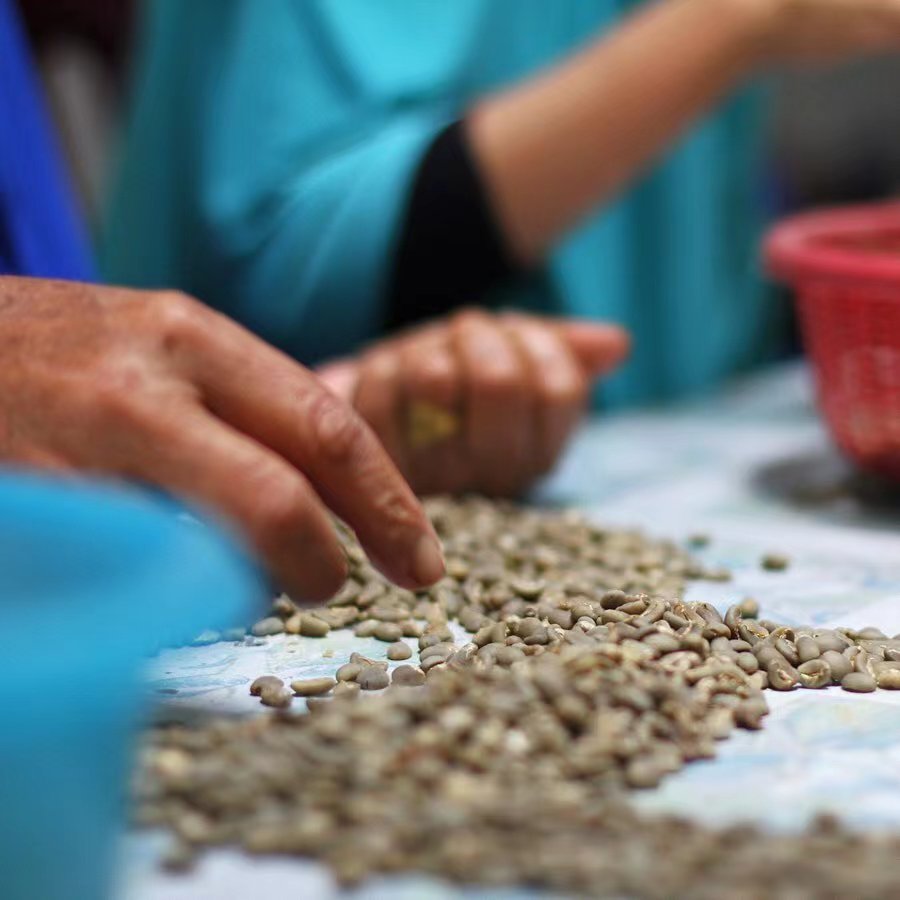
The huller relies on relatively strong friction to tear open the parchment layer clinging to the green beans. During the friction and agitation, the green beans are easily crushed or bruised, especially with small nicks at both ends, forming "goat-hoof beans." The "naked beans" that have lost their parchment protection dry extremely quickly, while also being directly exposed to a humid environment, where various fungi and bacteria then grow. It is precisely this process that gives Indonesian coffee its unique woody, spicy, and herbal notes—what we often call the "taste of place."
I believe some friends are already curious about this Southeast Asian flavor. If you haven't tried Front Street Mandheling coffee yet, Front Street suggests starting with the small-pack, wet-hulled Front Street Lintong Mandheling daily beans; it presents the classic Mandheling flavor and is suitable for trying at home. If you are already a seasoned coffee drinker who wants to appreciate the superb aroma of Mandheling, Front Street believes Front Street Golden Mandheling coffee is just the right choice.
So how should high-quality Mandheling coffee be brewed to taste good?
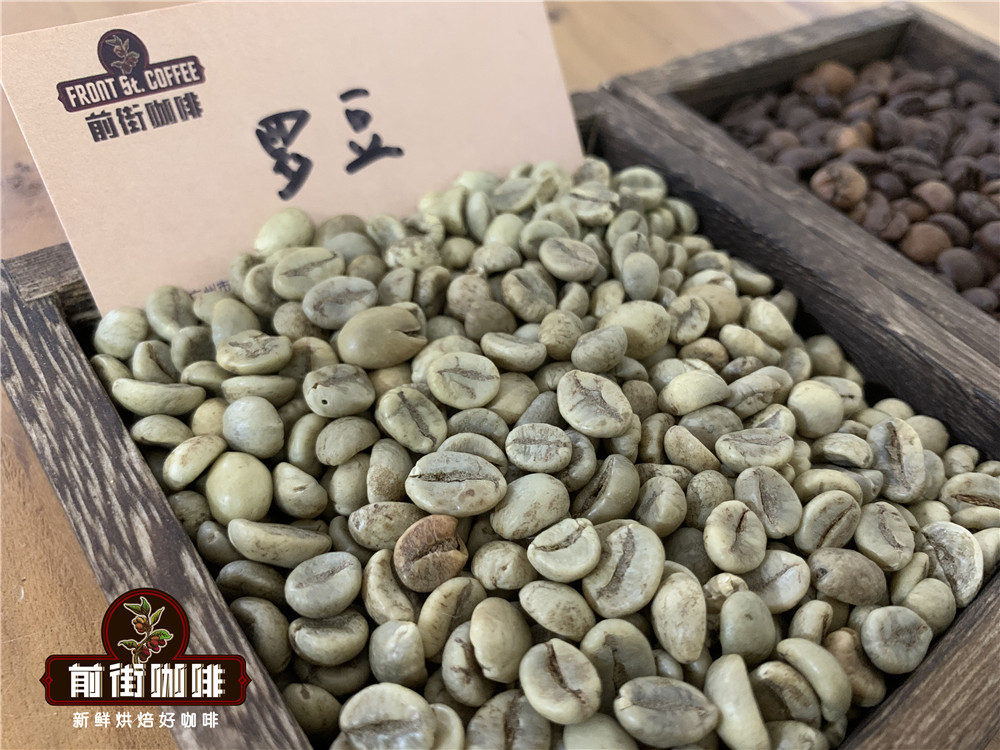
Dark roasting makes the internal texture of coffee beans loose, so they crumble with a light pinch of the fingers, indicating that the bean structure has changed greatly, and once ground, they absorb water very strongly. To avoid over-extraction after the coffee grounds absorb water and the release of large amounts of bitter substances, Front Street uses a coarser grind than for light-roasted beans. Here, a medium-coarse grind is used (70% passing through a Chinese standard No. 20 sieve), with a shop EK43s setting of 11.
Roasting triggers caramelization and the Maillard reaction. As the roast level deepens, monosaccharides and amino acids interact and decompose under heat, and non-enzymatic browning products increase, making it easier to release bitter, heavy macromolecular substances. To control the extraction of off-flavors, Front Street appropriately lowers the water temperature. The brewing water temperature for light-roasted coffee is 91 to 93°C, while for dark-roasted coffee beans Front Street recommends 87 to 88°C.
Pour-over parameters for Front Street Mandheling coffee:
Brewing water temperature: 87–88°C
Coffee grounds: 15 g
Coffee-to-water ratio: 1:15
Dripper: KONO dripper
Grind size: medium-coarse (70% passing through a Chinese standard No. 20 sieve)
Brewing technique: three-pour method
Front Street Coffee baristas have always used the three-pour method. Pouring in three stages better presents the rich body and caramel sweetness of Front Street Golden Mandheling coffee, while also offering greater flexibility in controlling time and water volume.
First rinse the KONO dripper so the filter paper fits the dripper more closely. After pouring out the water in the server, add 15 g of ground coffee and bloom with 30 g of water for 30 seconds. This pour should completely wet the coffee grounds and let them degas, laying a good foundation for extracting flavor compounds afterward.
Some friends, when extracting light-roasted coffee, extend the bloom time to 45 or 50 seconds to enhance the aroma of the early stage. But if dark-roasted Mandheling is bloomed too long, it easily releases too much woody and off-flavor, so Front Street chooses a 30-second bloom.
For the second pour, start from the center and circle outward, slowly pouring hot water in a small stream until reaching 125 g, then begin the next stage. The stream should remain steady throughout; too much agitation can easily break the coffee bed wall and cause uneven extraction.
When the coffee bed drops to half the height of the dripper and the bed is exposed, pour the second stage in the same manner until 225 g, then remove the dripper after all dripping is complete. Keep the extraction time at two minutes, with a margin of no more than 10 seconds either way.
Finally, swirl the coffee liquid in the server to mix it evenly, and you can begin tasting the pour-over Golden Mandheling black coffee. The brewed Front Street Mandheling has aromas of spices, dark chocolate, nuts, caramel, and pine on the palate, with a rich yet clean body, noticeable sweet aftertaste, and a long finish.
For professional coffee knowledge exchange and more coffee bean information, please follow Coffee Workshop (WeChat official account: cafe_style)
For more specialty coffee beans, please add the private WeChat of Front Street Coffee: qjcoffeex
The above content is compiled by CoffeeHunters, a coffee news website.


