







Which coffee machines suit an office setup?
Office coffee usually comes from one of four routes: a small espresso machine diluted with water or milk, a one-touch capsule system, a drip bag, or pour-over. Coffee machines split into fully automatic and semi-automatic models. Fully automatic units grind, tamp, brew, and clean with little input and often include milk frothing; semi-automatic models leave every step to the user and tend to produce more consistent espresso.
Each method places different demands on the beans. The article compares fully automatic and semi-automatic coffee machines, explains what to check when buying drip bags, and argues against pre-ground coffee for pour-over. It weighs stable extraction, flavor, and value, then suggests a basic espresso blend and several single-origin beans for office use.
There are actually quite a few ways to get a satisfying cup of coffee at the office: pull espresso from a small espresso machine and dilute it with water or milk, use a one-touch capsule system, tear open a drip bag and be done in minutes, or go the more skill-intensive route of pour-over. Different methods also place different demands on the beans. This article follows three paths—coffee machines, drip bags, and pour-over—to clarify the differences between fully automatic and semi-automatic machines, what to look for when buying drip bags, and why we don't recommend buying pre-ground coffee for pour-over. Combining stable extraction, flavor, and value for money, it offers recommendations for Front Street Coffee's Basic Espresso Blend and several single-origin beans, helping you find the cup that suits your office setting.
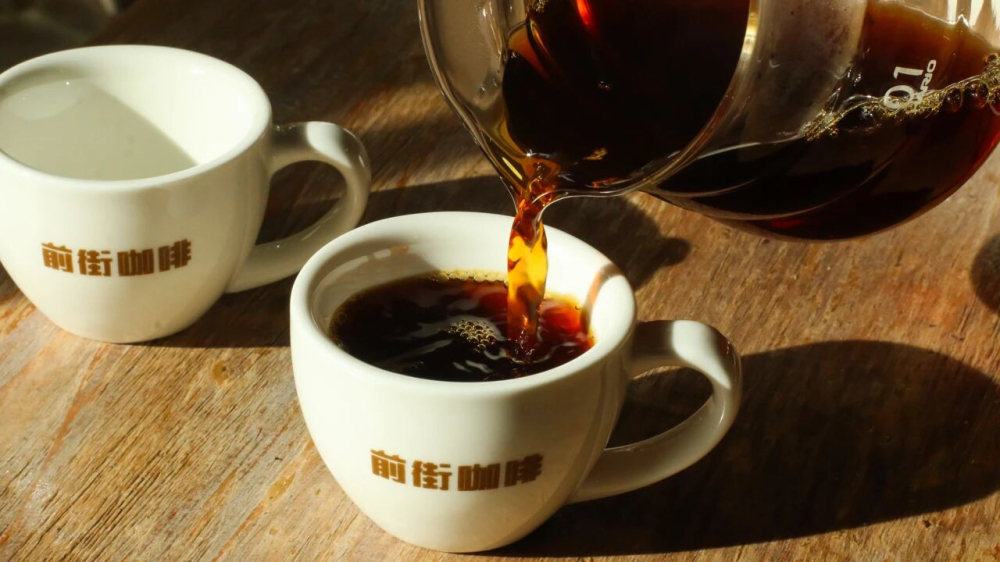
In an office setting, the most common coffee solution is none other than pulling espresso from a small espresso machine, then diluting it with water or adding milk to taste to make an Americano or a latte; some people, for convenience, simply choose one-touch capsule coffee. Next in line are drip bags, which have an even lower barrier to entry—just boil hot water, and in two or three minutes you have a cup of drip-filtered black coffee. If you're willing to put in a bit more effort, pour-over is also feasible: you can pick your favorite single-origin beans and brew a black coffee with clear layers.
1. Coffee Machines
Coffee machines can be roughly divided into two categories: fully automatic and semi-automatic.
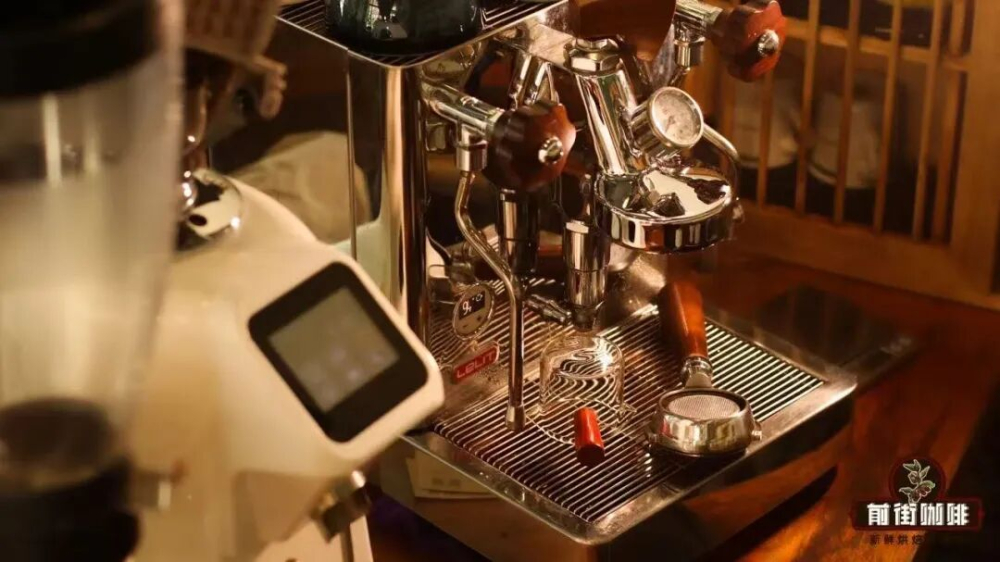
Fully automatic models are characterized by their convenience. After pouring coffee beans into the hopper, grinding, tamping, brewing, and even cleaning can all be handled by the machine, with basically no human intervention required. These devices usually also come with a milk frothing system, so classic milk-based coffees like cappuccino, mocha, and latte can be made with one touch, making them highly efficient.
Semi-automatic models, on the other hand, require you to personally handle every step—grinding, parameter setting, distributing and tamping the grounds, extraction, and steaming milk. Because every detail is in the user's hands, the espresso produced tends to be of better quality and more consistent, making these machines suitable for people who have demands about taste.
However, whether fully automatic or semi-automatic, the final flavor of an espresso is ultimately determined by the coffee beans. For office workers, stable extraction is the first requirement, followed closely by flavor and value for money. Taking these three points together, Front Street Coffee Basic Espresso Blend satisfies them all at once: it is a blend of Yunnan small-bean coffee and Brazilian semi-washed beans, roasted to a medium-dark level, and the espresso has notes of creamy nuts, chocolate, caramel, and plum.
2. Drip Bag Coffee
Drip bags use fresh coffee beans as their raw material and span a wide range of flavors—from entry-level to specialty grade, from the fruity acidity of light roasts to the nutty notes of dark roasts—so they have become the life-saving ration for many office workers. Compared with instant coffee, drip bags preserve the coffee's own aroma and origin flavors. As long as you have hot water and a wide-mouthed cup on hand, you can enjoy freshly brewed specialty coffee at any time.
The prerequisite for a good cup of coffee is always that the beans are good enough. When beginners choose drip bags, it's advisable to prioritize specialty coffees with highly recognizable flavors. If you prefer floral notes, you can go for Front Street Coffee Washed Yirgacheffe Drip Bag.
If you like a balanced profile—neither sour nor bitter—Front Street Coffee Brazil Semi-Washed Drip Bag is recommended; and for those who pursue a solid, full-bodied mouthfeel, you might try the selected Front Street Coffee Golden Mandheling Drip Bag Coffee. These beans undergo multiple rounds of hand sorting, keeping the defect rate very low, so the aroma is clearer and the sweet aftertaste is more ideal.
3. Pour-Over Coffee
Pour-over is a drip-style extraction method in which the brewer uses a steady stream of water to pour water at the right temperature and volume into the bed of coffee grounds to complete extraction. Grind size, water temperature, pouring technique, and brewing time all affect the final flavor, which is why this is a brewing method that places relatively high demands on skill and coffee knowledge.
For pour-over, we don't recommend buying pre-ground coffee directly. Ground coffee keeps extremely poorly. When I first started doing pour-over, I also bought ground coffee to save effort and money, and I drank it fairly quickly (a pound of grounds was gone in just over a week), but the taste got worse and worse toward the end; if you drink it slowly, once the grounds have been sitting for more than two weeks, you basically have to throw them away.
Front Street believes the optimal flavor period for coffee beans is 30 days. Beyond that period, aroma molecules are lost along with carbon dioxide, and the brewed coffee naturally turns flat and mediocre. Precisely for this reason, all Front Street coffee beans are freshly roasted within 5 days and support shipping within 24 hours, ensuring that when you receive them they are still at their most aromatic stage.
To brew coffee that tastes good, Front Street believes choosing beans that suit you is crucial. If you don't like coffee that's too bitter, it's recommended to choose light-roasted coffee beans with rich floral and fruity aromas, such as Front Street Little Tomato Coffee, Front Street Red Cherry Coffee, and Front Street Huakui Coffee;
And if you prefer coffee with a rich, full-bodied taste, it's recommended to buy three dark-roasted beans: Front Street Golden Mandheling Coffee, Front Street Queen's Estate Coffee, and Front Street Huilan; in addition, Front Street Strawberry Candy Coffee, Front Street Sidra Coffee, and Front Street Mozart Coffee have attracted quite a few enthusiasts for their fragrant, sweet flavors.
The above content is compiled by CoffeeHunters, a coffee news website.


