








How do blended coffee beans shape espresso extraction?
Espresso extraction comes down to controlling dose, yield, time, and grind size together. In practice, that means an 18-20 gram dose, a 1:2 extraction ratio, and a 20-35 second time window. High pressure pushes water through a precision metal filter screen, releasing the coffee's concentrated flavor, and the parameters have to stay balanced for the shot to taste right.
Espresso anchors classic coffee drinks such as Americano, latte, cappuccino, and flat white, all of which depend on a properly pulled shot. Blended coffee beans are generally more suitable for espresso because the components balance each other across the extraction. The article also covers the recipe and flavor of a specific blend used at Front Street Coffee stores.
Espresso is the foundation of many classic coffee drinks. Behind what appears to be a simple operation lies the need for precise control of variables such as dose, yield, time, and grind size. This article will systematically explain the extraction principles of Espresso, describe how high pressure rapidly releases the essence of coffee, and introduce in detail the actual operating procedure at Front Street Coffee stores, including the control of 18–20 g dose, 1:2 extraction ratio, and a 20–35 second time window. It will also explain why blended beans are more suitable for espresso extraction and recommend the recipe and flavor performance of Front Street's "Sunflower Warm Sun Blend," helping coffee enthusiasts understand the key details behind a qualified shot of espresso.

Today, the coffee atmosphere in China is growing ever stronger. When friends get together, they often choose a cozy café to sit down and chat, and espresso-based coffee is almost a basic item on every café menu. Taking Front Street Coffee as an example, classic products such as Americano, latte, cappuccino, and flat white are all available, and many stores also add various ingredients on this basis to create creative specialty drinks. But in the final analysis, these beverages all depend on a properly extracted shot of espresso.
When watching a barista at work on an ordinary day, the whole process looks clean and efficient, as if a rich coffee base can be completed in less than two minutes. In fact, however, to obtain an ideal espresso, the ratios among all parameters must be coordinated and balanced in order to present the best flavor, and mastering these ratios often requires a great deal of practice and accumulated experience.
The Extraction Principles of Espresso
Espresso relies on a precision metal filter screen to achieve percolation extraction. Its most fundamental difference from pour-over drip methods is the addition of pressure. The espresso machine was born in the early nineteenth century. At that time, Italians, in order to obtain a cup of extremely concentrated coffee in a short time, tried using steam pressure to make high-temperature, high-pressure water quickly pass through the coffee puck, thereby improving the extraction efficiency of the original drip method. Through continuous improvement and iteration, it gradually evolved into the common semi-automatic and fully automatic espresso machines seen today.
The high pressure inside the coffee machine forces hot water through the puck. In other words, even if the coffee is ground extremely fine, it can still maintain proper percolation and a balanced extraction state. The finer the grind, the more its surface area expands exponentially, so one major advantage of a very fine grind is extremely fast extraction. Not only is it fast, but the quality is also better. High pressure can push water into the cell walls inside the coffee particles, prompting rich oils and aromatic flavor compounds to be released.
No matter which method is used to brew coffee, the essential purpose is to use water to dissolve the positive flavor components in coffee and thereby obtain a delicious coffee liquid. Coffee beans are composed of many substances, about 30% of which are soluble in water, such as fruit acids, caffeine, oils, and carbohydrates. Of these, only about 20% are aromatic small molecules with positive flavor, and they are extracted first; the remaining large molecules with woody and bitter notes require more time to be released. Therefore, what we need to do is adjust the corresponding parameters so that more of the high-quality components in the coffee are extracted.
Espresso represents coffee with rich flavor layers and a high degree of concentration. No other brewing method can replicate this richness and texture. To obtain a delicious cup of coffee, excellent extraction is indispensable, and the aromatic compounds and taste compounds in the cup must reach balance. Put simply, the acidity, sweetness, and bitterness should all feel pleasant, so tasting is needed to judge the current state of the espresso and then decide how to adjust it in order to make a qualified shot.
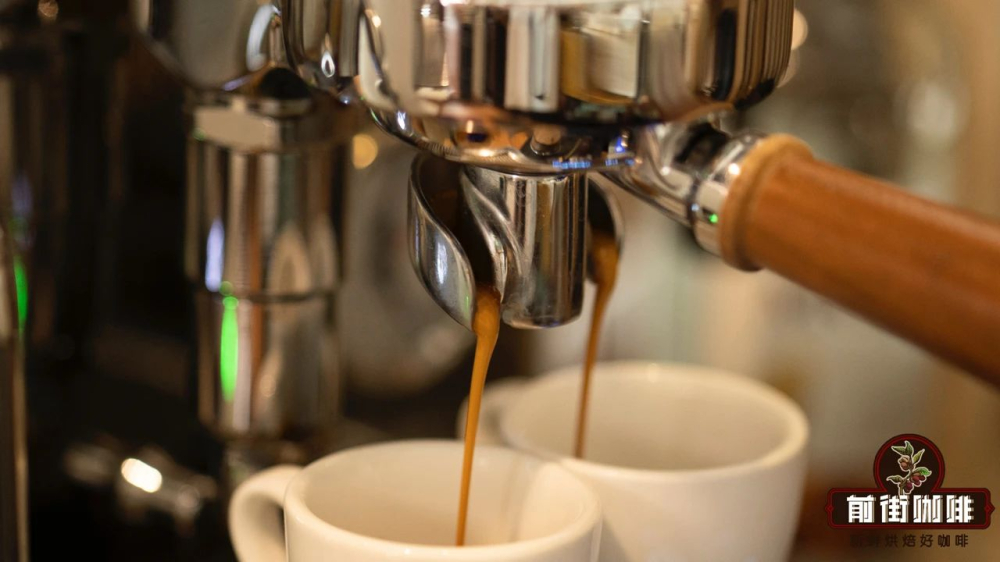
At the practical level, from a coffee bean to a cup of espresso, there are quite a lot of influencing factors, covering many details such as grind size, boiler pressure, water temperature, distribution and tamping force, dose, extraction time, and yield. Usually the machine's pressure and water temperature are set in advance and are not changed at will. The force used for distribution and tamping is controlled according to the barista's personal habits. In daily extraction adjustment, four major variables are mainly involved: dose, time, yield, and grind size. As the saying goes, "One cannot make bricks without straw." For good cooking, the ingredients must first be good, so the quality of the coffee beans is crucial.
The Steps for Making Espresso
The espresso drinks produced daily at Front Street stores all use the "Sunflower Warm Sun Blend." The baristas at Front Street Coffee debug the espresso extraction parameters every day before opening, and only then do they officially begin serving customers.
Front Street uses the capacity of a double basket, with the dose at about 18–20 g, and in actual production uses 20 g of coffee grounds. The extraction ratio is set at 1:2, meaning 20 g of coffee grounds corresponds to extracting 40 g of coffee liquid. Time is related to the flow rate of the coffee grounds. A single extraction is generally controlled at 20–35 seconds, because if it is less than 20 seconds the coffee taste tends to be thin, while if it exceeds 35 seconds it is prone to over-extraction and a burnt-bitter taste. Most of Front Street's espresso falls within the 28–30 second range.
Before extraction, first wipe the basket clean, start the grinder to grind the amount for a double shot, and place it on an electronic scale to increase or decrease it to 20 g. Then use a distribution tool to level the coffee grounds, and then use a tamper to apply force vertically downward to compact the coffee puck, ensuring a more stable extraction process.
Next, turn on the extraction switch and let water run for 1–2 seconds. This wets the group head and also rinses away any coffee residue attached to it. Place an electronic scale under the cup that will receive the Espresso and tare it to zero, and place it under the group head during extraction as well.
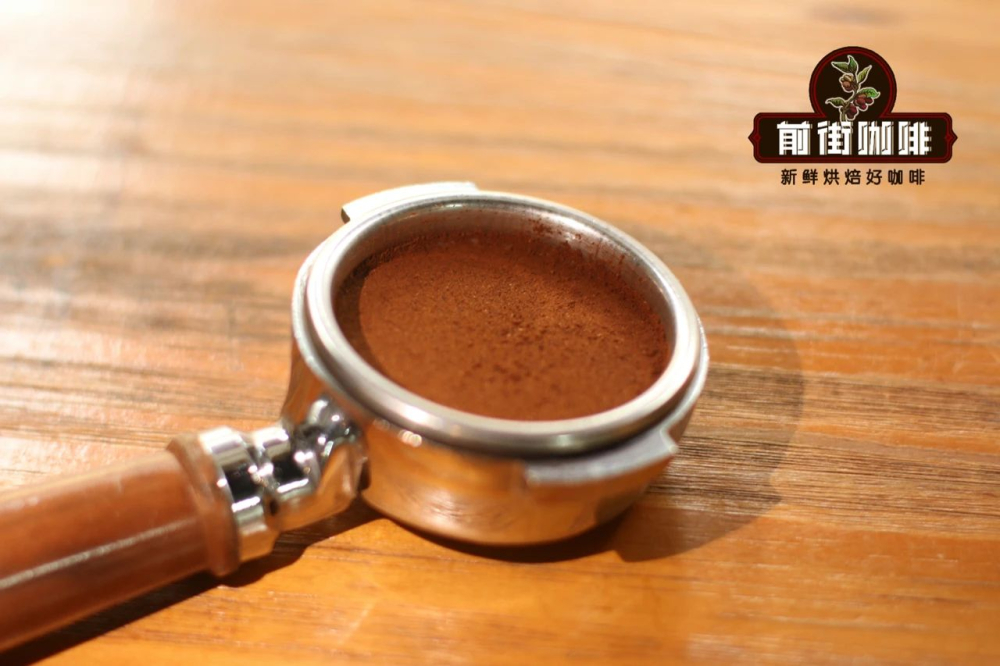
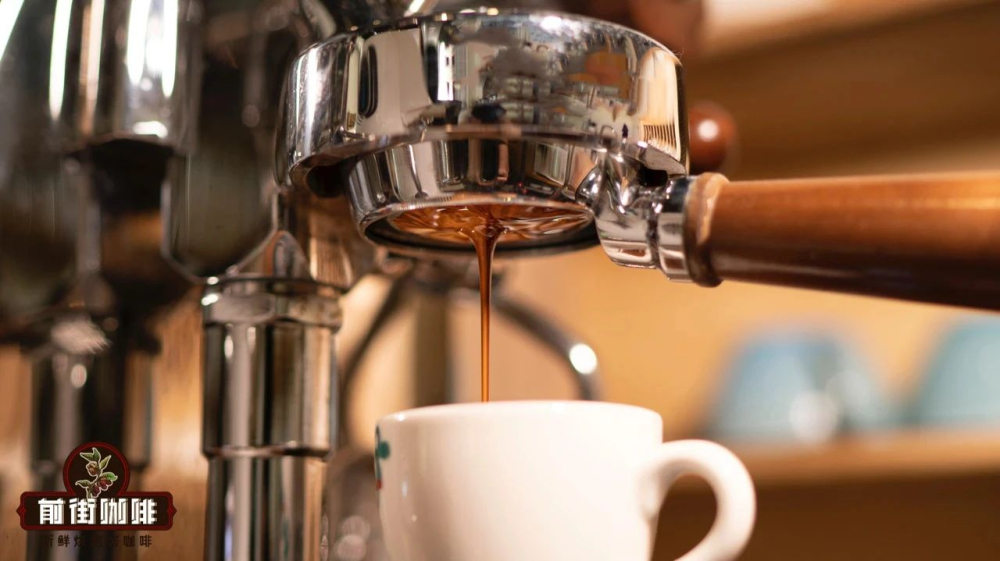
Gently lock the portafilter onto the group head and flip down the extraction switch. Pay attention to changes in the extracted liquid. When the electronic scale shows that the coffee liquid has reached 40 g and the time is about 30 seconds, flip down the extraction switch. Brewing parameters will fluctuate slightly depending on daily air humidity and the condition of the coffee beans, so the dose, grind setting, and extraction yield need to be adjusted accordingly.
The completed Espresso can be drunk directly. With a glass of water to rinse the mouth, you can feel the dense crema and the rich mouthfeel of the coffee liquid beneath. If the intense bitterness feels hard to accept, you can also add water or milk according to personal preference to dilute it and soften the strong flavor.
Espresso Coffee Bean Recommendation
Because espresso is extracted under conditions of fine grinding, high water temperature, and high pressure, espresso brings together multiple tastes, and various flavor compounds stimulate the taste buds exponentially. Therefore, if a light-roasted single-origin coffee bean is chosen for extraction, the taste may be too intense and instead mask the coffee's own aroma. As an agricultural product, coffee changes with conditions such as climate and soil. Even if it comes from the same region, different batches will have differences in flavor, while blended coffee beans, by complementing one another's strengths, ensure that each batch of beans can show balanced and stable aroma and taste.
Front Street here recommends its own roasted "Sunflower Warm Sun Blend Coffee Beans," made from a blend of Ethiopian natural Red Cherry coffee beans (30%) and Honduran Sherry Barrel coffee beans (70%). After being made into espresso, the entry is a rich black chocolate flavor accompanied by an obvious caramel note, and the aroma released after swallowing leaves a lingering impression. Whether it is an Americano diluted with water or a latte with milk added, it can present rich aroma and taste.
A freshly made cup of espresso will be covered on the surface with a thick, dense golden foam. This is crema. It is the result of carbon dioxide produced by freshly roasted coffee beans foaming under the high-pressure environment of the coffee machine. In order for customers to drink coffee with full aroma and enjoy the most complete tasting stage, Front Street only ships coffee beans freshly roasted within 5 days.
For professional coffee knowledge exchange and more coffee bean information, please follow Coffee Studio (WeChat public account: cafe_style).
For more specialty coffee beans, please add the private WeChat of Front Street Coffee: qjcoffeex.
The above content is compiled by CoffeeHunters, a coffee news website.


