








How long should cold brew steep, and how to fix sour cold brew?
Weak concentration, sourness and poor storage are the three common failures in homemade cold brew, and steeping time drives all of them. Grind size and coffee-to-water ratio matter, but the hours on the counter decide whether the final cup tastes thin or balanced, so time is the variable to adjust first.
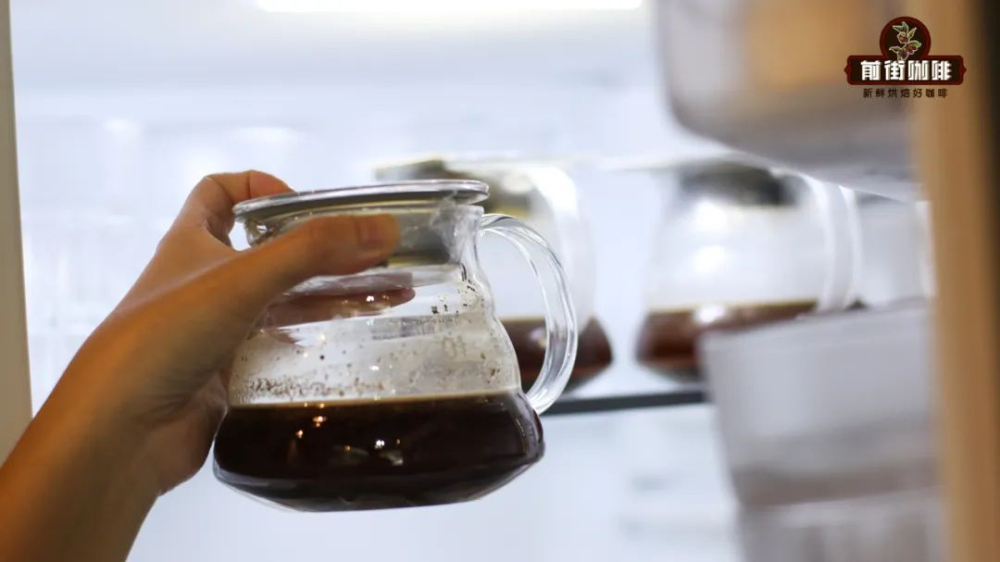
An overly sour cold brew usually means extraction stopped short, so extending the steep or grinding slightly finer pulls more sweetness out of the grounds. Once brewed, the concentrate keeps in a sealed container in the refrigerator, and diluting it to taste at serving keeps the batch from turning flat over several days.
Making cold brew coffee may seem simple, but many enthusiasts often run into problems like weak concentration, overly sour taste, or improper storage. This article approaches the key variable of steeping time, providing detailed answers on how long cold brew coffee should be steeped, and further shares practical tips on how to adjust an overly sour flavor and properly store cold brew coffee. Whether you're a beginner just getting into cold brew or a coffee lover looking to refine your skills, you'll find clear operational guidance here. At the same time, the article retains relevant product recommendations from Front Street Coffee to help you more easily make a balanced, smooth cup of cold brew.
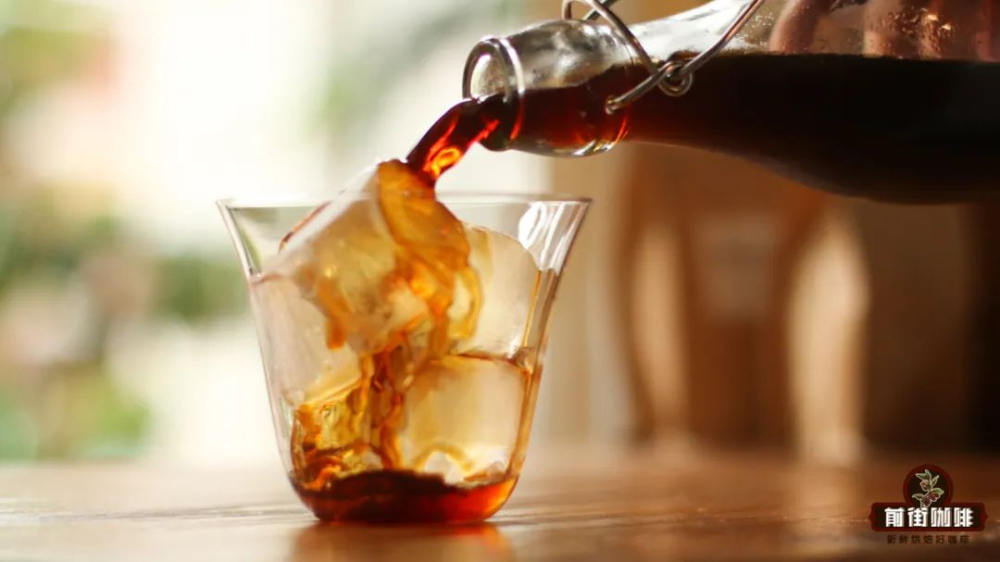
In an earlier article titled "Why Is Your Own Cold Brew Not Strong Enough," Front Street pointed out: homemade cold brew tends to be weak in concentration, and this is not only related to coffee grind size and coffee-to-water ratio—steeping time is also a factor that cannot be overlooked.
However, that article did not specify the steeping time, so readers kept leaving messages asking: how long exactly should cold brew coffee be steeped?


The above content is compiled by CoffeeHunters, a coffee news website.


