








What does an Italian macchiato mean on a cafe menu?
An Italian macchiato is espresso marked with a small amount of milk, not a sweet layered drink. In Italian, macchiato means marked or stained, so the espresso stays the main element and the milk is only a garnish. The Espresso Macchiato, called Caffe Macchiato in Italy, is the original form and carries the least milk of any espresso drink.
To make an espresso macchiato, pull a shot of espresso and add just a touch of milk, enough to soften the intensity without diluting it. The Latte Macchiato reverses the proportion, using far more milk and only a mark of espresso. That is why the two drinks sit differently between espresso and cappuccino in strength and milk ratio.
Walking into a café and facing a dazzling array of espresso-based drinks, Macchiato is often the most confusing name of all. Is it a large sweet drink drenched in caramel cream, or is it a traditional coffee with its own rules? In fact, Macchiato means "marked" or "stained" in Italian, and the core logic is to use a small amount of milk to accent the espresso rather than dilute or mask the coffee itself. This article will trace the development of the Macchiato, distinguish the differences between Espresso Macchiato and Latte Macchiato in terms of ratio, preparation, and suitable occasions, and help coffee lovers read the menu and choose the right flavor. Whether you prefer intense coffee or silky milk, you can find the cup that suits you.

Thanks to a series of American reinventions of traditional Italian coffee culture, we often find ourselves bewildered when facing a café's espresso-based menu, and it is even harder to tell which drinks have added water and which have added syrup. Among the many misunderstood coffees, the Macchiato may be the most unfairly treated. Many people can easily identify espresso and cappuccino, yet few can accurately say what a Macchiato actually is. Is it that large sweet drink packed with caramel and piled with cream? Clearly not.
Today, let us uncover the true face of the Macchiato together.
Macchiato is essentially a way to enjoy espresso in the afternoon. As another espresso derivative, cappuccino more often appears on the morning table. Macchiato sits right between espresso and cappuccino, less concentrated than the former yet stronger than the latter.
What does the word "Macchiato" mean?
In Italian, "Macchiato" can be understood as "marked" or "stained." Whether it is an Espresso Macchiato or a Latte Macchiato, both imply "marking the espresso with milk." But note that "marking" does not mean "bleaching," "watering down," or "diluting"—that is, espresso remains the absolute protagonist, and milk is merely a garnish.
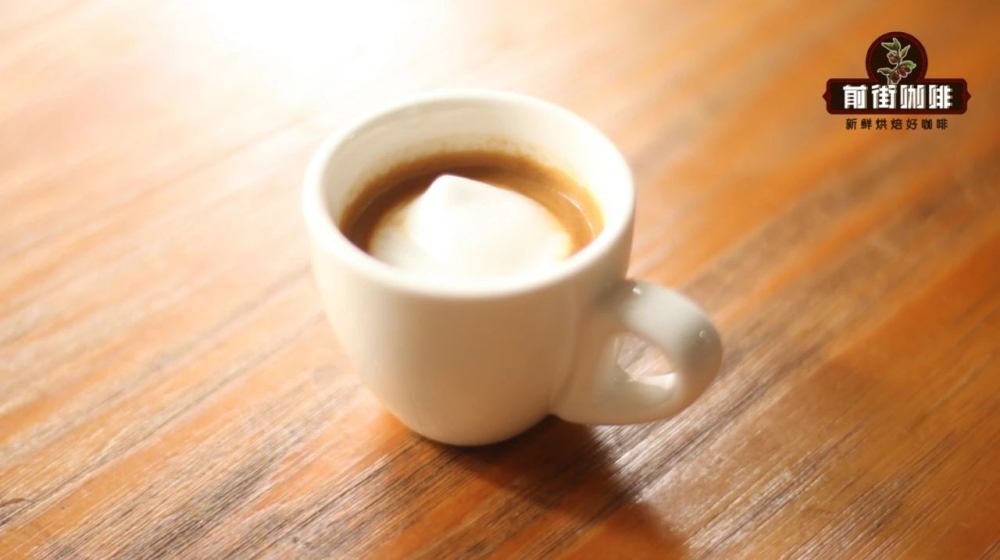
Espresso Macchiato
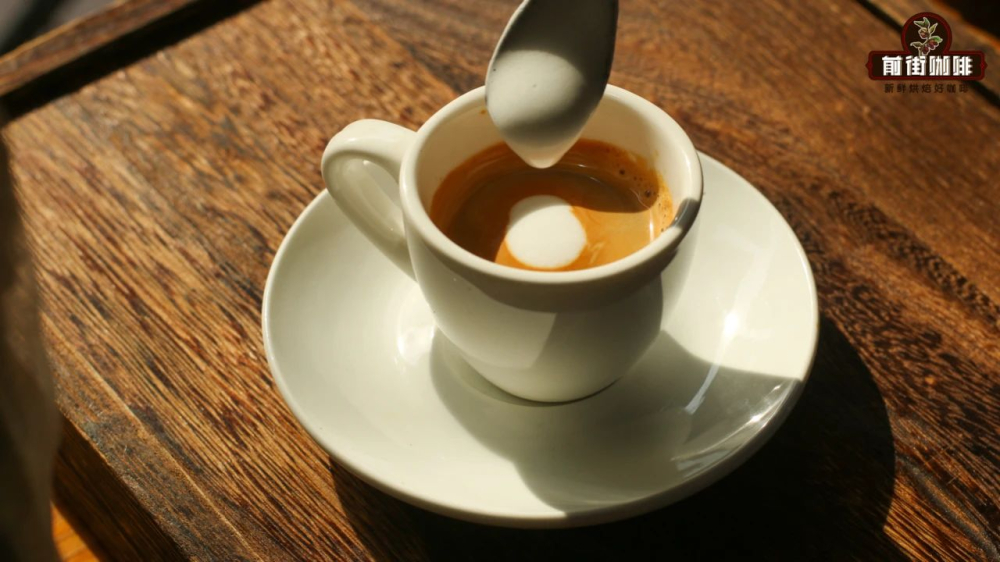
Espresso Macchiato (called "Caffe Macchiato" in Italian) is the most original form of Macchiato, and the method is very straightforward: use espresso as the base, then add a slight touch of milk. The original intention was to use a little milk to soften the intense taste of espresso. Among all espresso-based coffees, Macchiato has the least milk, thus best preserving the original form and flavor of espresso. It is not complicated to make either: first extract a shot of espresso, then add one to two teaspoons of steamed milk and milk foam on top.
When is it suitable to drink Espresso Macchiato?
If you prefer a rich coffee flavor but find pure espresso too intense, and also think cappuccino tastes too milky, then Espresso Macchiato is worth a try. Keep in mind that its serving size is usually small unless you specifically order a double.
Latte Macchiato
The construction idea of Latte Macchiato is exactly the opposite of Espresso Macchiato—it uses espresso to accent steamed milk. The difference between Latte Macchiato and an ordinary latte is that the former has a higher proportion of milk and less espresso. Its core difference from Espresso Macchiato is that here the protagonist is milk, not coffee.
When making a Latte Macchiato, first choose a 12-ounce large glass, preheat it, and pour in one-third to one-half steamed milk. Next is the key step—adding the espresso. A single shot of espresso should be poured slowly into the steamed milk, and baristas usually use the back of a spoon to guide it so that the coffee leaves only a "dot" in the center of the milk. If done precisely, the finished drink will show clear layers: rich steamed milk at the bottom, espresso in the middle, and milk foam covering the top.
When is it suitable to drink Latte Macchiato?
If you prefer the aroma of milk, or want to let a child try something new without taking in too much caffeine, then Latte Macchiato is a good choice. Its coffee flavor is gentle, and the milk texture is silky and delicate. You can also pair it with various syrups to create different flavors.
The above content is compiled by CoffeeHunters, a coffee news website.


