








Which Yirgacheffe Should a Beginner Start With?
Yirgacheffe coffees are defined by white floral aromas and bright citric acidity, and beginners can start with a washed lot for clarity, then move to natural lots for heavier fruit sweetness. The region sits in Ethiopia, coffee's recognized birthplace, where high elevations and wide day-to-night temperature swings shape the cup.
Ethiopia grows coffee across many areas, including Guji, Sidamo, and Gesha Village, and soil, microclimate, and post-harvest processing separate one flavor profile from another. Yirgacheffe became prominent with the rise of specialty coffee around the turn of the millennium, when lighter roasting replaced the dark-roasted, heavily bitter style that had long defined coffee.
Yirgacheffe, a star region in the specialty coffee wave, has won over countless coffee lovers with its white floral notes and bright citric acidity. Starting from Ethiopia's cultivation traditions and terroir conditions, this article progressively breaks down Yirgacheffe's flavor spectrum from entry-level to advanced, and recommends suitable coffee beans for beginners at different stages. Whether you are just getting into specialty coffee or want to deepen your understanding of the differences between washed and natural processing methods, you will find clear purchasing guidance and tasting references here.

For a long time in the past, regardless of which country or region they came from, coffee beans were basically dark roasted, which also gave many people a fixed impression of coffee as "intensely bitter." It was not until around the turn of the millennium, when the concept of "specialty coffee" gradually emerged, that Yirgacheffe came into the public eye. It broke free from the off-putting bitterness and instead displayed alluring white floral notes and refreshing citric acidity, thereby capturing the hearts of numerous coffee lovers.
If you want to drink Yirgacheffe, which one should you start with?
Ethiopia is widely recognized as the birthplace of coffee, and this land has given rise to a vast number of varieties and outstanding quality. Familiar names such as Huakui, Gesha Village, Guji, and Sidamo are all representative regions of Ethiopia. Coffee is not only an important cash crop and export product for the local people, but also carries a long cultural tradition—one could say it is the treasure Ethiopians are most proud of.
Ethiopia has extremely high elevations, and its vast highland terrain creates ideal climate conditions and significant temperature differences between day and night. In the early morning, mist fills the air and mountain breezes blow continuously; in the afternoon, sunlight is abundant, and after nightfall the temperature drops to the teens in Celsius without frost, providing a uniquely favorable environment for coffee cultivation. Ethiopia has many production regions, and different soils and microclimates, combined with differences in post-harvest processing methods, ultimately present coffees with distinctive flavors. In domestic cafés, the names heard most often are probably Yirgacheffe, Sidamo, and Guji, whose unique aromas are widely known in the coffee world.
Thanks to superior natural conditions, coffee trees in Ethiopia can be seen almost everywhere, and every household grows them alongside other crops in front of and behind their homes. Because individual household output is limited, harvested coffee cherries are usually sent directly to processing stations in town for processing, and the final product is sold under the name of the processing plant or cooperative. This pastoral style of cultivation is the most common locally and also provides a basic source of income for many Ethiopians.
Entry-level Yirgacheffe : Front Street Coffee. Washed Yirgacheffe: floral notes, citrus, tea-like body
If you are a beginner just getting into coffee, it is recommended that you start with the entry-level Front Street Coffee. Washed Yirgacheffe. On the one hand, you can experience the classic Yirgacheffe flavor at a relatively low cost; on the other hand, it is also suitable for practicing brewing techniques—tasty yet inexpensive, with excellent value for money.
Advanced-level Yirgacheffe:
1. Front Street Coffee. Natural Red Cherry: berry, citrus, floral notes, apricot, slight fermented note
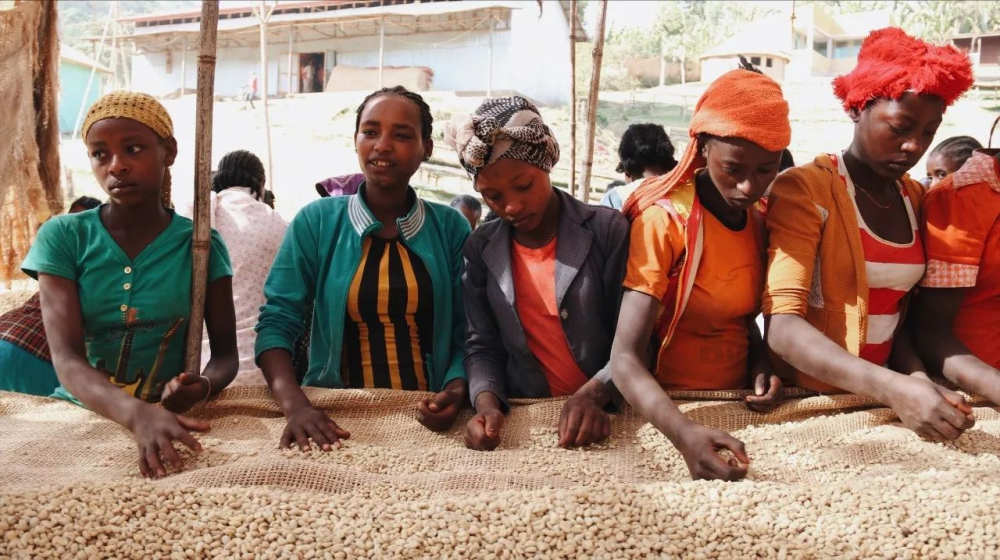
The natural processing method is the most primitive and traditional way of processing coffee. Carefully selected red coffee cherries are spread whole on raised beds for sun drying, during which the fruit must be turned regularly to prevent the development of excessively unpleasant fermented flavors. Because the whole fruit form is retained, more sugars from the pulp and mucilage are able to participate in the green bean processing, giving the coffee a fuller body, more intense aroma, and more prominent sweetness—suitable for enthusiasts who prefer ripe fruit flavors.
2. Front Street Coffee. Washed Gudingding: white floral notes, citrus, yellow lemon, berry, oolong tea
To reduce the defective flavors brought about by sun-drying methods, Ethiopia introduced washed processing technology from Central and South America. Cooperatives screen, wash, ferment, and remove the skin and mucilage from purchased coffee cherries, then place them on raised beds to dry. Only when every step is handled properly can the quality of the final coffee be guaranteed. Washed processing freed Yirgacheffe coffee from its previous inconsistent quality, and after roasting it presents fresh citrus notes and elegant white floral aromas, with an overall bright and delicate flavor. It is precisely for this reason that Yirgacheffe became independent from the Sidamo region and grew into the renowned production area it is today in the coffee world.
Breakthrough-level Yirgacheffe: Front Street Coffee. Yirgacheffe SOE: berry, cream, citrus, black tea
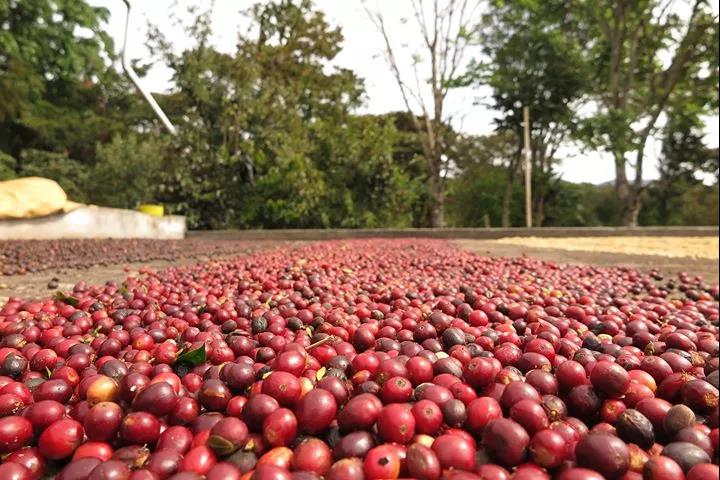
Unlike the previous three Yirgacheffes, Front Street Coffee. Yirgacheffe SOE has a very clear goal: to make a delicious cup of Yirgacheffe espresso. This bean uses natural-process whole red cherries from the Yirgacheffe region. The high degree of ripeness gives the coffee a full fruity aroma, and the extracted espresso carries refreshing lemon, floral, and citrus notes, making it very suitable for making Americanos or flat whites.
The above content is compiled by CoffeeHunters, a coffee news website.


