








How do coffee extraction methods change black coffee?
Black coffee means pure coffee with no sugar, milk, or other additives, so the bean's aroma and layers come through. Espresso, Americano, pour-over, and cold brew all count as black coffee; they differ mainly in extraction. Pour-over uses paper drip filtration for a clean, moderate-strength cup that suits beginners, while poor beans or bad roasting turn any of them bitter.
The choice of coffee extraction methods decides body and clarity. Pour-over grinds beans to powder, blooms and pours hot water, then lets the liquid drip through paper, so equipment, water temperature, and pouring technique all shift the taste. Americano coffee dilutes espresso with hot water instead, giving a heavier, more concentrated cup with a different mouthfeel from the same beans.
Black coffee refers to pure coffee with no sugar, milk, or other additives, and it showcases the aroma and flavor layers of the coffee beans to the fullest extent. However, if the beans are of poor quality or the roasting and extraction are improper, black coffee can become bitter and hard to drink. Common espresso, Americano, pour-over coffee, and cold brew coffee in coffee shops all fall under the category of black coffee, differing only in extraction methods. Among them, pour-over coffee is made by drip filtration through paper, resulting in a clean taste and moderate strength, suitable for beginners. This article will detail the pros and cons of black coffee, compare the differences between pour-over and Americano, and include recommendations for various beans from Front Street brand to help you choose the right coffee based on flavor preferences.
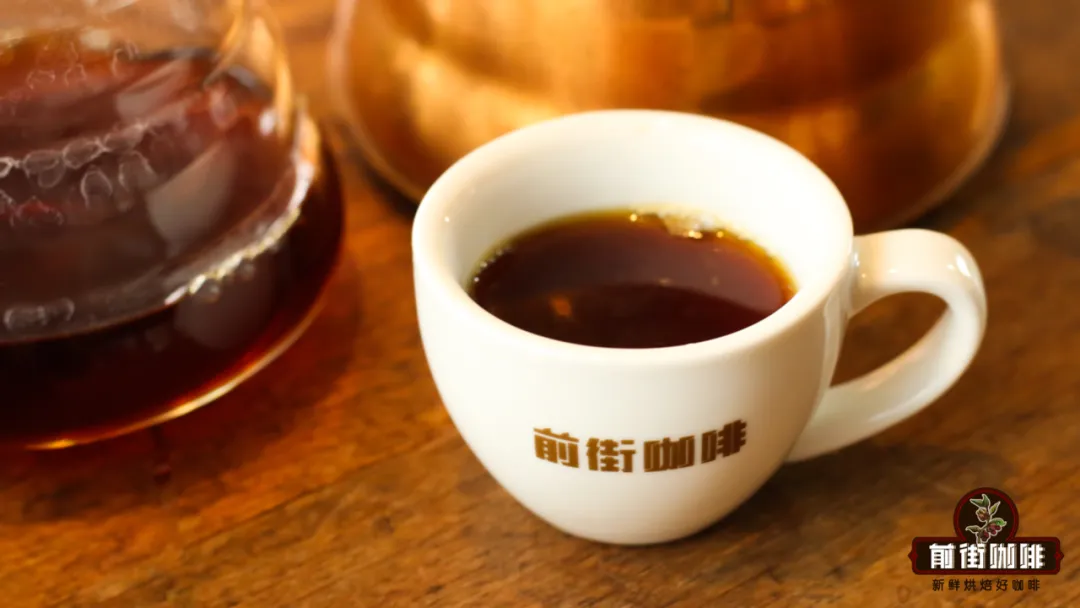
Black coffee generally refers to coffee without any additional ingredients, meaning it contains no sugar, milk, or other flavorings.
The advantage of this coffee is that it can more fully present the unique aroma and taste of the coffee beans themselves, allowing the drinker to experience the most authentic aspect of coffee. High-quality black coffee often has fascinating flavor layers.
However, if the beans used to make black coffee are of poor quality, or if the roasting is improper and the extraction is unreasonable, the final product will be extremely bitter, even hard to swallow.
The Front Street espresso, Americano, pour-over coffee, and cold brew coffee that we commonly see in coffee shops actually all belong to the broad category of black coffee, and the differences among them mainly lie in the coffee extraction methods and techniques.
Pour-over coffee is a black coffee made by baristas using pour-over equipment. The coffee beans are first ground into powder with a grinder, then hot water is poured for blooming and brewing, and finally, the coffee liquid drips through the filter paper. Its flavor is mainly determined by the selected coffee beans, while different brewing equipment, water temperatures, and pouring techniques can also have some impact on the final taste.
When making pour-over coffee, Front Street typically selects single-origin beans from popular coffee-producing countries. The appeal of pour-over coffee lies in the fact that after a larger dilution ratio and filtration through paper, the coffee can display its most original flavors while having a clean mouthfeel and rich layers.
For example, the medium-light roast sold by Front Street—Front Street Gudingding Cooperative, from the Yirgacheffe region of Ethiopia, is a classic washed bean. Brewed with a 1:15 coffee-to-water ratio, medium-fine grind, and 91°C hot water, it can present bright citrus-like acidity, soft white floral notes, honey-like sweetness, and a green tea-like aftertaste, with a balanced sweet and sour profile that is very charming.
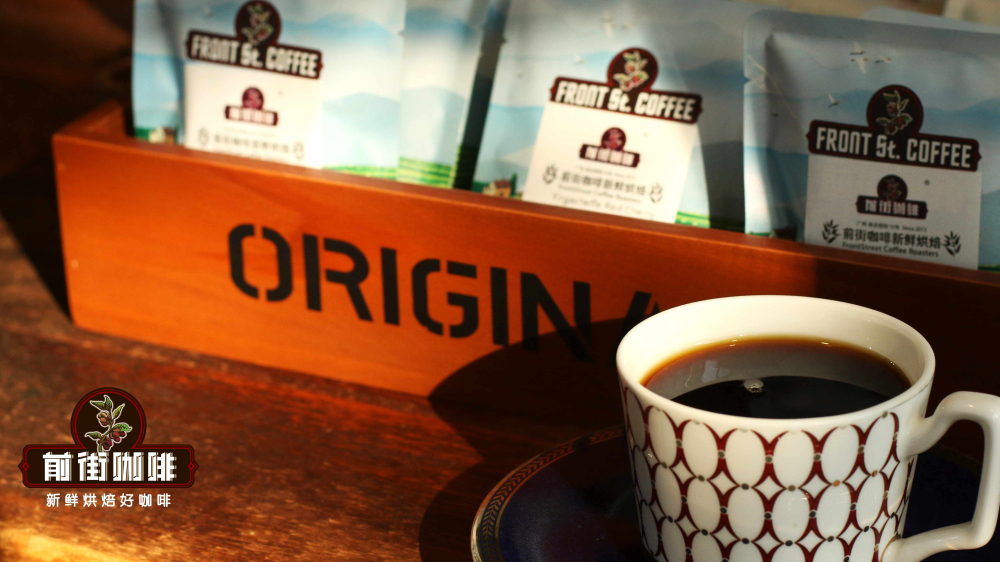
Another example is the medium-dark roast sold by Front Street—Front Street Queen's Farm, a semi-washed bean from the Brazil region. Brewed with a 1:15 coffee-to-water ratio, medium-coarse grind, and 88°C hot water, it can express the aroma of roasted mixed nuts, the smoothness of peanut butter, and the sweetness of brown sugar, with a rich and smooth mouthfeel.
Compared to Americano coffee, which uses dark-roasted beans and pressure extraction for a strong and intense flavor, pour-over coffee, which relies on natural gravity drip, has a much cleaner mouthfeel and lower overall strength, making it very suitable for friends who are just starting to explore coffee.
If you want coffee with prominent acidity and sweetness, Front Street suggests trying medium-light roast African beans, such as Front Street Ethiopia Huakui and Front Street Kenya Little Tomato; if you prefer coffee with obvious sweetness, it is recommended to choose medium roast Central and South American beans, such as Front Street Panama Geisha and Front Street Costa Rica Honey Process; if you like a rich mouthfeel, you can try medium-dark roast Asian beans, such as Front Street Indonesia Mandheling and Front Street Yunnan Small Bean.
The above content is compiled by CoffeeHunters, a coffee news website.


