







How does coffee cultivation shape Yirgacheffe flavor?
Yirgacheffe is one of Ethiopia's most recognizable specialty coffee regions, known for bright floral and fruity flavors. Coffee is a tropical crop that needs cool conditions without frost, and global growing areas fall between 25 degrees north and south of the equator, a zone called the Coffee Belt. Africa is the birthplace of coffee, and Ethiopia and Kenya are its leading origins.
In Ethiopia, smallholder family farms account for 90 percent of coffee cultivation, and about 1.2 million households depend on the crop. Processing method matters as much as origin: washed and natural lots from Yirgacheffe express different citrus and floral notes, and medium-light roasting helps preserve them. Cupping records for the washed Gudingding Cooperative and the natural Red Cherry show how three-stage extraction brings those notes into the cup.
Yirgacheffe is one of Ethiopia's most iconic specialty coffee regions, conquering countless coffee lovers with its fresh and bright floral and fruity flavors. This article will start from Ethiopia's coffee cultivation model, systematically sort out the background of the formation of the Yirgacheffe region, the impact of washed and natural processing methods on flavor, and how medium-light roasting preserves its unique citrus and floral notes. At the same time, combining Front Street Coffee's cupping experience and brewing parameters, it shares the flavor performance of two Yirgacheffe coffees—the washed Gudingding Cooperative and the natural Red Cherry—as well as the key points of three-stage extraction, providing coffee lovers with a complete reference for Yirgacheffe tasting and brewing.
The origin of coffee can be traced back to Ethiopia on the African continent. On this land with a long history, coffee, a crop that has influenced the world, was first cultivated and consumed by humans—long before many parts of the world even knew what coffee was, the Ago people of Ethiopia had already begun cultivating and enjoying coffee cherries. For specialty coffee lovers, Yirgacheffe is undoubtedly a familiar name; its fresh and lively floral and fruity notes are unforgettable at first try. Front Street Coffee is a loyal fan of Yirgacheffe.
Ethiopia's Coffee Cultivation Model
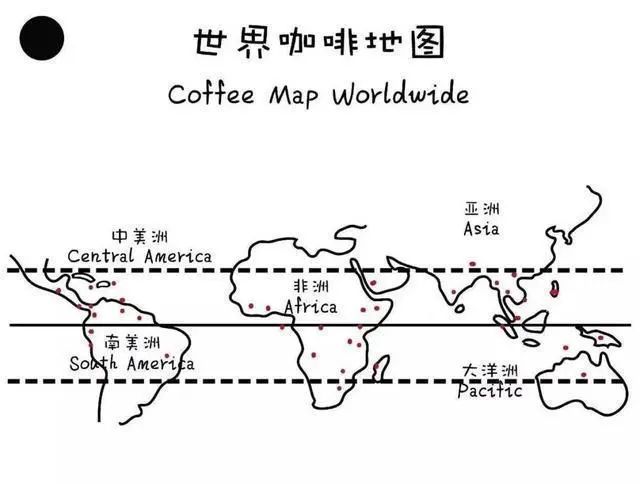
Coffee is a tropical crop with specific requirements for its growing environment: it needs cool and comfortable climatic conditions without frost. Global coffee-growing regions are mainly distributed in the zone between 25° north and south of the equator, an area known in the industry as the "Coffee Belt." There are about more than seventy producing countries located in the Coffee Belt, which can be roughly grouped into three major regions: Africa, Latin America, and Asia.
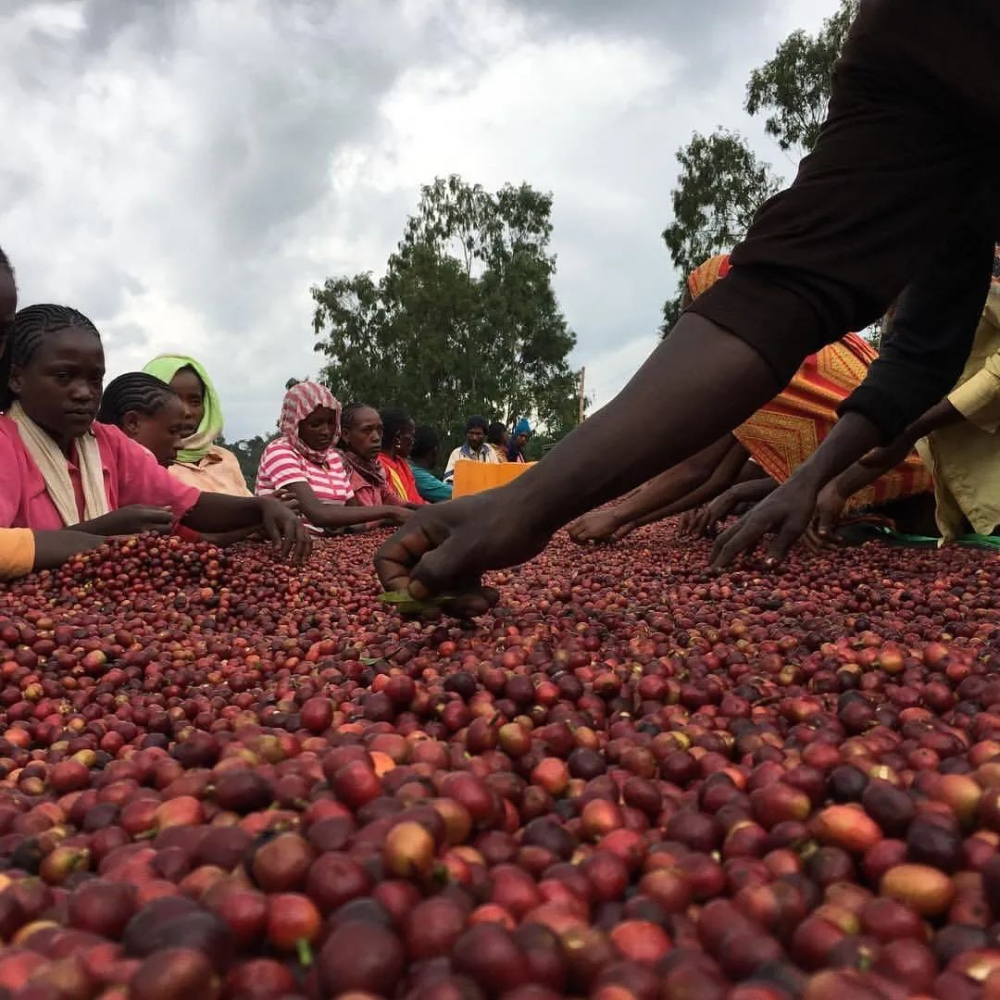
Africa is the birthplace of coffee beans and occupies a pivotal position in the coffee industry. Coffee from this region usually has a rich aroma and fascinating fruity acidity, with the most famous representative producing countries being Ethiopia and Kenya. Coffee cultivation in Ethiopia is mainly concentrated in the western and southern regions, with smallholder family operations accounting for 90% of total cultivation, and about nearly 1.2 million smallholder families depending on coffee cultivation for their livelihoods. The local coffee production system can be divided into four types: forest coffee, semi-forest coffee, garden coffee, and large plantations, among which garden coffee is the most common. Because smallholder cultivation is limited in scale, coffee cooperatives and processing stations of different sizes are established in various regions to handle the centralized processing of local green coffee beans. Farmers send their harvested coffee cherries to processing stations near water sources for unified processing, and then sell them externally in the name of the processing station. The Yirgacheffe region is a typical representative of this system.
"Yirgacheffe" refers to a small town in the northwest of Sidamo Province in Ethiopia. The town is nestled by mountains and a lake, at an altitude between 1,700 and 2,100 meters, making it one of the highest coffee-producing regions in Ethiopia. Yirgacheffe originally belonged to the Sidamo producing region, but later, because its flavor was unique and its reputation grew, it eventually became independent from Sidamo and became the exclusive Yirgacheffe producing region. The small town is shrouded in mist all year round, with spring-like weather in all four seasons, gentle breezes, cool rather than hot, humid rather than damp, and no cold damage in winter, providing ideal conditions for coffee growth and producing coffee with unique citrus and floral aromas.
Ethiopia has many coffee varieties with a complex composition, and it is extremely difficult to fully organize and classify them. In addition, out of consideration for protecting various wild varieties, the local government decided to mix different coffee varieties during harvesting and processing and uniformly name them "Ethiopia Heirloom." For this reason, Ethiopian coffee beans often do not have the uniform size and standardized specifications of beans from some other regions, but instead show the characteristic of being "different in size and shape."
Washed Processing Greatly Enhances Yirgacheffe's Flavor
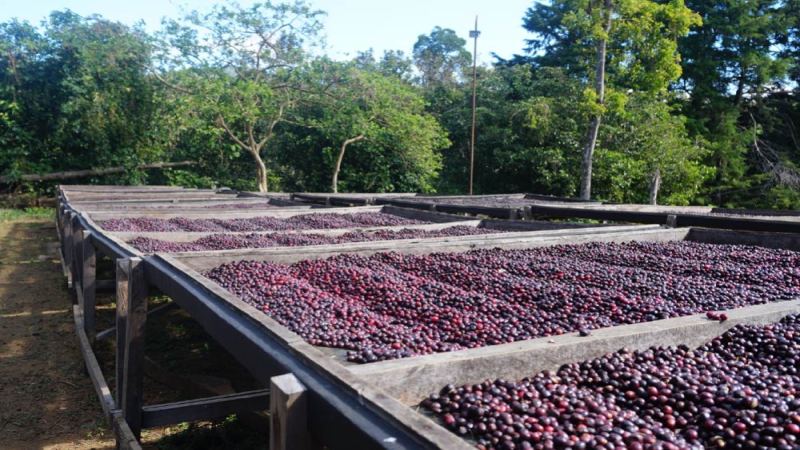
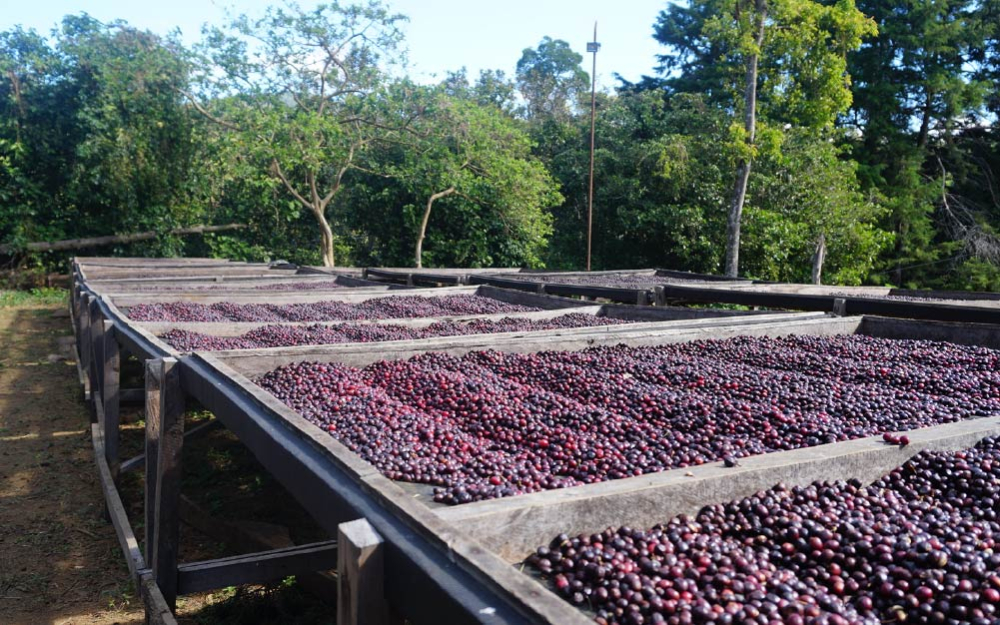
Ethiopia as a whole has a high altitude and abundant sunshine, making it very suitable for sun-drying coffee cherries. However, the traditional natural processing method is relatively rough; every coffee farmer can do it in their own courtyard, directly spreading the coffee cherries on rooftops or the ground to dry. This rough processing method easily introduces unpleasant flavors and also leads to uneven coffee quality.
In 1972, the Ethiopian government introduced more advanced washed processing technology and related equipment from Central and South America. Farms using the washed method must build washing pools and ensure a continuous supply of fresh water, so production costs are higher. During processing, the fermented beans are placed in the pool and moved back and forth; through the friction between the beans and the force of flowing water, the coffee beans are washed to a smooth and clean state. Every step removes impurities and defective beans, so the quality of green beans is more uniform, and the final transaction price is also higher than that of coffee processed by the natural drying method.
Washed processing not only greatly reduces the defect rate of coffee, but also brings Yirgacheffe a fresh citrus note and elegant white floral aroma, with an overall flavor that is bright, delicate, and clean. Although washed coffee once became a popular trend, natural processing is still a major component of Ethiopian coffee. What is different from the past is that today's natural processing invests more effort in manual sorting and ensuring even drying. The Gudingding Cooperative coffee beans on Front Street's bean list are a Yirgacheffe using classic washed processing, while the other Red Cherry coffee beans are a Yirgacheffe processed by refined natural methods, with a fuller fermented feel and tropical fruit flavors.
Medium-Light Roasting Preserves More Floral and Fruity Notes in Yirgacheffe
In terms of roasting strategy, Front Street considered that Yirgacheffe should take acidity as its main flavor direction, so it uses medium-light roasting. The washed Yirgacheffe Gudingding Cooperative coffee beans use light roasting to preserve more bright acidity and white floral notes; the natural Yirgacheffe Red Cherry coffee beans use medium-light roasting, presenting full berry-like sweetness and acidity. Before launching any coffee bean, Front Street conducts at least one cupping evaluation. Under the same standards, cupping helps to more objectively perceive the strengths and weaknesses of the coffee.
Cupping flavor of washed Gudingding Cooperative coffee: the dry aroma exudes fresh passion fruit, citrus, and berry acidity. The wet aroma presents citrus and berries; on the palate there is citrus acidity, berry sweetness, as well as almond and tea notes, with a honey-like sweetness in the aftertaste. The body is relatively low, the acidity is bright, and it is clean and refreshing.
Cupping flavor of natural Red Cherry coffee: the dry aroma presents full berry-like sweetness and acidity. When slurped at different temperatures, one can perceive soft berry sweetness and acidity, the fermented feel of ripe fruit, obvious honey sweetness, and a black tea finish, with a smooth mouthfeel.
Front Street Brewing Suggestions
Some customers consult about related brewing suggestions after purchasing Front Street coffee beans. In fact, Front Street provides brewing parameters for reference on the label of every bag of coffee beans. Here, based on the standards of Front Street's store offerings, let's discuss the extraction approach for Yirgacheffe.
Because Yirgacheffe uses light roasting, the coffee beans are relatively hard and require hot water at 92°C to 93°C to fully bring out the floral and fruity flavors in the coffee. In terms of grind size, Front Street recommends a medium-fine grind (78% passing through a Chinese standard No. 20 sieve). If the grind is too coarse, it cannot extract full-bodied substances, and the brewed coffee will appear thin; if the grind is too fine, it is easy to over-extract at high temperature, causing the coffee to taste bitter.
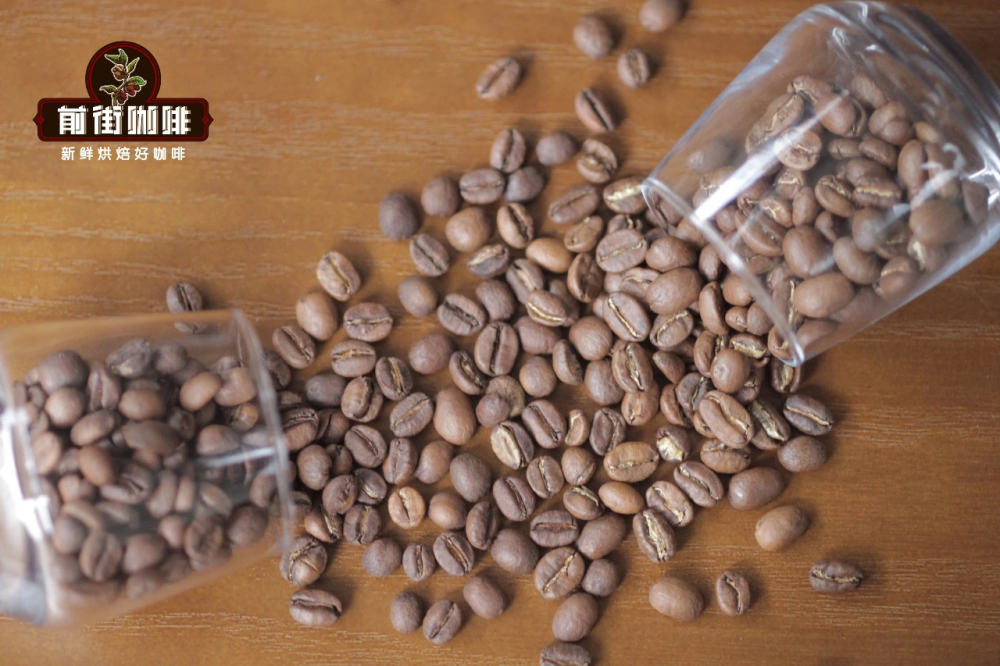
During cupping, Front Street noticed that this bean shows different flavors at different temperatures, so the brewing method uses three-stage extraction, allowing different flavor substances to be better presented as the coffee bed rises in temperature in stages. In order to highlight the fresh and charming aroma of washed Yirgacheffe, Front Street uses a V60 dripper for brewing. The dripper's spiral rib design helps the coffee grounds degas better and maximizes the volatilization and dissolution of aromatic acidic substances.
Regarding the brewing ratio, Front Street believes that 1:15 to 1:16 is acceptable. If you prefer a richer mouthfeel, you can use 1:15; if you want to feel the floral and sweet notes more clearly, you can use 1:16 to make the flavor more expansive.
Dripper: V60 Water temperature: 92-93°C Coffee dose: 15g Coffee-to-water ratio: 1:15 Grind size: fine granulated sugar size (78% passing through a No. 20 sieve)
Three-stage pouring: first use twice the amount of water as the coffee grounds to wet the coffee bed, and after it forms a dome, let it bloom for 30 seconds; then pour in a thin stream in circles from the inside outward until 125g for the first stage; when the coffee bed drops to half the height of the dripper, continue pouring the third stage with the same thin stream until 225g, until all the coffee liquid has filtered through. Remove the dripper; the total time is about 2 minutes.
Professional coffee knowledge exchange. For more coffee bean information, please follow Coffee Workshop (WeChat public account: cafe_style)
For more specialty coffee beans, please add the private WeChat of Front Street Coffee (FrontStreet Coffee), WeChat ID: qjcoffeex
The above content is compiled by CoffeeHunters, a coffee news website.


