







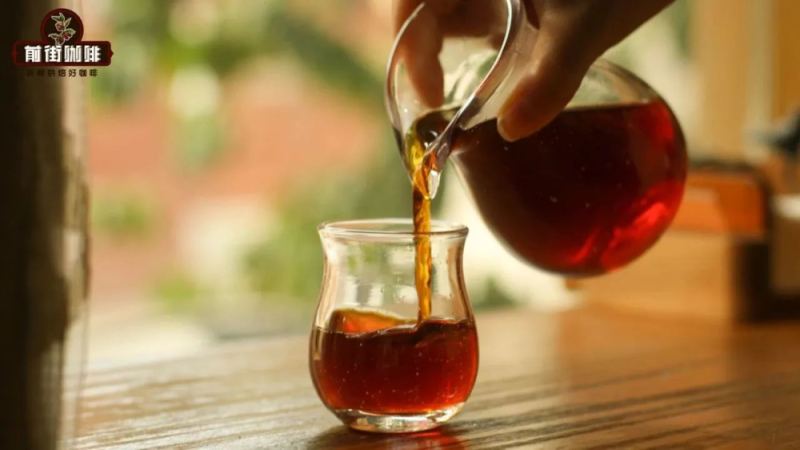
How should sour coffee from Hambela be hand-brewed?
Sour coffee from Ethiopia's Hambela area, sold as Hunkute, is built around bright citrus and berry notes with a juicy sweet-and-sour structure. The lot traces to the Guji region, the Hambela farm and sun-drying at the Buku processing plant. It rose to attention in 2017, when a sun-dried Buku Abel batch won the Ethiopia Taste of Harvest competition with strawberry and cream aromas.
Guji sits in the Sidamo highlands at roughly 1,500 to 2,200 meters, where a wide day-night temperature swing slows cherry ripening and builds layered sweetness and acidity. On the coffee farm side, that altitude and varied soil create many microclimates, which is why lots from the same area cup so differently. Hand-brew with a medium-fine grind, moderate temperature and steady pours to keep the fruit bright rather than sharp.
In recent years, sour coffee has gradually gained popularity, and the Huakui bean has been remembered by many coffee enthusiasts for its bright citrus and berry notes and juicy sweet-and-sour taste. It rose to fame in 2017, involving the Guji region of Ethiopia, the Hambela farm, and the sun-drying process at the Buku processing plant. Front Street Coffee has included Huakui 5.0 in its bean list. This article takes you through the region's background, variety characteristics, and brewing suggestions to fully understand the flavor and brewing methods of Huakui coffee.
For more specialty coffee knowledge, please follow the WeChat public account: Front Street Coffee
In recent years, fruit-toned coffee with acidity has become increasingly popular, and Front Street Coffee believes many people have heard of the Huakui bean. The name sounds impressive, and it has bright citrus and berry aromas, with a juicy sweet-and-sour taste that leaves a deep impression. Let's talk about Huakui coffee below.
Huakui's Rise to Fame
In 2017, a sun-dried batch submitted by the Ethiopian DW company from the "Buku Abel" processing plant won the Ethiopia National Taste of Harvest competition (TOH) championship with its rich strawberry and cream aroma. In the same year, at the China region of the World Brewers Cup, Li Jianfei from Beijing CREMA Coffee Training used "Huakui" to defeat Gesha on the same stage and won the national runner-up. Since then, Huakui has frequently appeared on various bean lists.
In an interview, Li Jianfei mentioned that this Ethiopian bean performed outstandingly and was enough to compete on the same stage with Panama's "Geisha." He hoped it could become Ethiopia's top "Geisha," so he named it "Huakui." The name comes from being the leader of a hundred flowers, with a charming demeanor. The English name of Huakui is taken from the producing region Hambela.
Guji Region
Sidamo is one of Ethiopia's important specialty regions, located in the south, spanning the highlands south of Lake Awasa in the East African Rift Valley, at an altitude of about 1500-2200m. The large temperature difference between day and night lengthens the coffee fruit's ripening period, allowing it to accumulate more nutrients and richer layers of sweetness and acidity. The diverse terrain and soil types, along with many microclimates, make Sidamo coffee flavors very diverse.
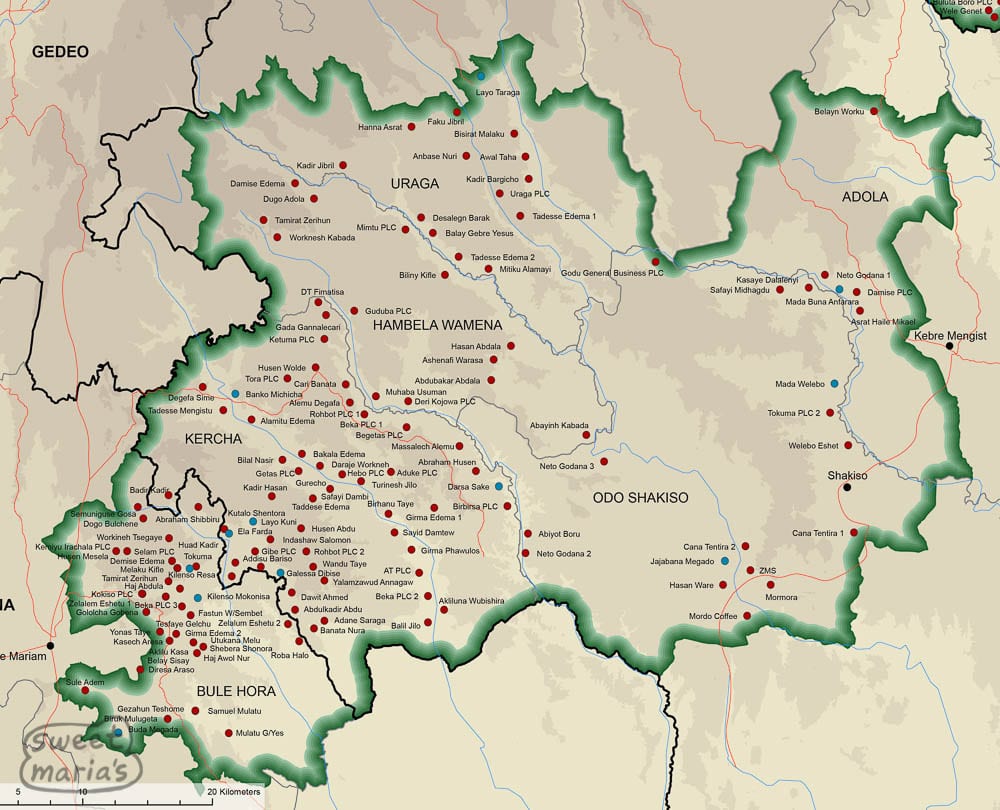
Guji was originally managed under Sidamo. Due to its remote location and slower development, its coffee became famous later. In the early days, its reputation was not as good as regions like Yirgacheffe and Harar, but later it was independently divided due to the excellent flavor of its beans. Here there is fertile black soil, with an average altitude above 1800 meters, and unique geographical conditions that form a terroir favorable for coffee tree growth.
Hambela Region
Hambela is a sub-region of Guji, currently with about 20 processing plants of different scales. Huakui comes from the Buku processing plant in Guji. Hambela is actually a coffee farm belonging to the locally renowned METAD Agricultural Development PLC. It is both an independent farm and the main processing station for surrounding planting areas, processing nearby coffee and selling it as independent batches. METAD is a local Ethiopian export company founded by Aman Adinew in 2013. Its coffee comes from the Gedeo Zone and Gedeb District in the Southern Nations, Nationalities, and Peoples' Region (SNNPR), as well as the Guji Zone and Hambela Estate in the Oromia Region.
Aman comes from a coffee family; his grandmother opened coffee farms in Harar and Sidamo in Ethiopia last century. He himself also served as Chief Operating Officer (COO) of the Ethiopia Commodity Exchange (ECX). After leaving government service, to help modernize the local coffee industry, he founded METAD and cooperates with thousands of small farmers in Yirgacheffe and Guji.
Hambela Farm covers 200 hectares, about 75 kilometers from Yirgacheffe, located in the heart of Ethiopia's high-quality coffee region. Its processing station is quite professional and well-equipped in terms of equipment, management, and scale. In addition, fertile volcanic soil, natural organic farming, and relatively mature post-processing methods have together contributed to the rapid rise of this sub-region in recent years.
Sun-Drying Process
During the annual coffee harvest season (December-January), the Buku processing plant only harvests fully red cherries, selecting coffee cherries with a sugar content of 30 or above, and dries them on African raised beds. The local temperature difference between day and night is large; at noon, sunlight is shaded to avoid excessive fermentation caused by high temperatures; at night, plastic sheets are used to wrap them to prevent sudden rain. They are turned continuously throughout the day, and the thickness of the fruit pile is controlled to allow even drying while preventing sunburn or unpleasant fermentation flavors. After about 18 days of sun drying, the green coffee beans' moisture content drops to 13%, and they can be bagged and stored.
Coffee Variety
Front Street often hears customers in stores ask, "What exactly is Heirloom?" Ethiopia has an extremely large number of varieties, making it a natural gene pool for Arabica. The varieties are numerous and difficult to identify and classify. In addition, the government chooses not to disclose variety information for protection, so they are collectively called Heirloom. This is also why Ethiopian heirloom coffee beans look uneven in size and shape.
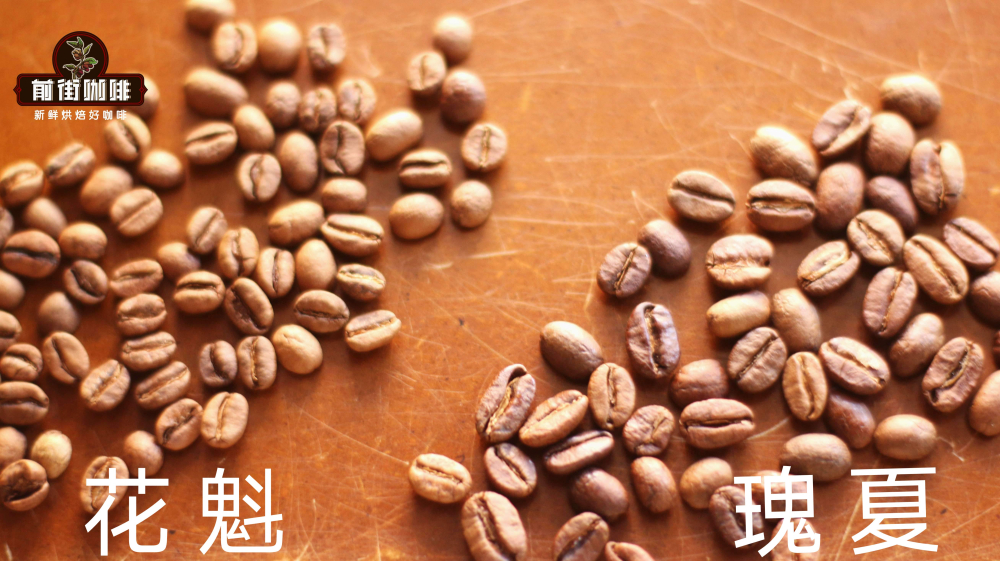
Huakui Coffee Beans
After the DW company became famous with "Huakui" that year, the number of processing plants increased to 4, namely "Buku Abel," "Buku Saysay," "Haro Soresa," and "Tirtiro Goye." But strictly speaking, only sun-dried coffee from the "Buku Abel" estate and processing plant is called "Huakui." Naming is also calculated based on the years after 2017; for example, the 2018 batch is called "Huakui 2.0," the 2019 batch is called "Huakui 3.0," and the 2021 production batch is called "Huakui 5.0." Front Street has also included it in its bean list. Let's take a closer look at this bean below.
Front Street Coffee: Ethiopia Huakui 5.0
Region: Sidamo Guji Region
Altitude: 2250-2350m
Variety: Local heirloom
Processing Method: Sun-Dried
Brewing Suggestions
To taste the rich aroma of Huakui, Front Street Coffee recommends brewing with freshly roasted coffee beans, which can retain more aromatic substances. The coffee beans sold by Front Street are all freshly roasted within 5 days. Adding logistics time, when customers receive them, they are in the best flavor period and can be brewed and enjoyed directly. (Coffee beans have a resting period of about 4-7 days, and the best flavor period is generally 4 days to 30 days. After receiving fresh beans, you can also observe flavor changes based on the date after roasting.)
Front Street uses a medium-light roast to highlight Huakui's floral aroma and tropical fruit notes. High-altitude hard beans have weaker water absorption after grinding. Front Street chooses a medium-fine grind size, and with a higher water temperature and V60 dripper, it can highlight the layering of floral and fruity notes.
Dripper: V60
Water Temperature: 92°C
Grind Size: 80% passing through a No. 20 standard sieve
Coffee-to-Water Ratio: 1:15
Coffee Dose: 15 grams
The ground Huakui coffee powder has a honey-like sweetness. Pour the coffee powder into the V60 dripper, wet the coffee bed with twice the amount of water as the coffee powder, and let it bloom for 30s. Then, pour in a thin stream in circles from the inside out, and when it reaches 125g, pause. Wait until the coffee bed drops to half the height of the dripper, continue pouring the third stage with the same thin stream to 225g, until all the coffee liquid has filtered through, then remove the dripper. The time is about 2 minutes (with a 10-second margin of error).
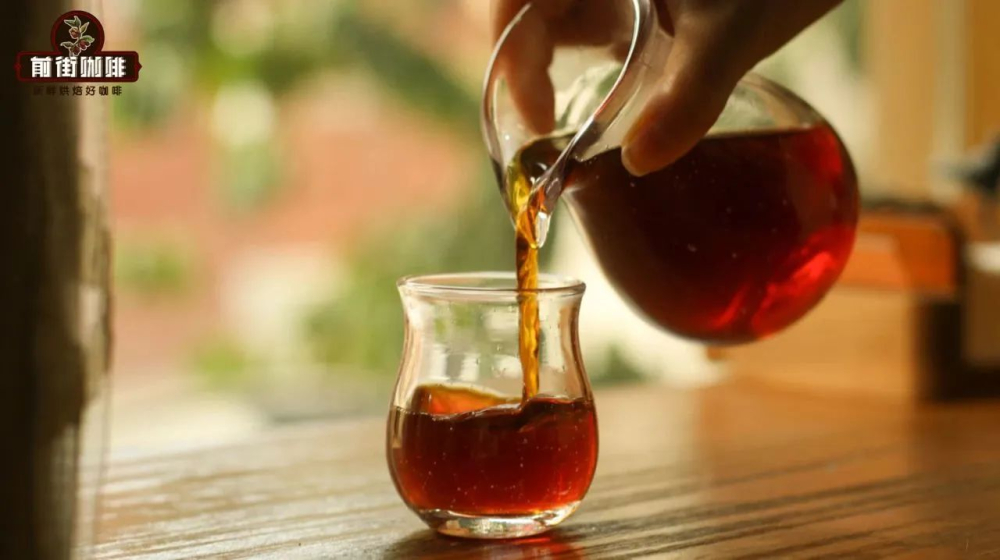
The entry is rich sweetness of tropical fruits such as passion fruit and mango, with the acidity of berries and citrus, a creamy and smooth mouthfeel, and a black tea-like aftertaste filling the mouth.
The above content is compiled by CoffeeHunters, a coffee news website.


