







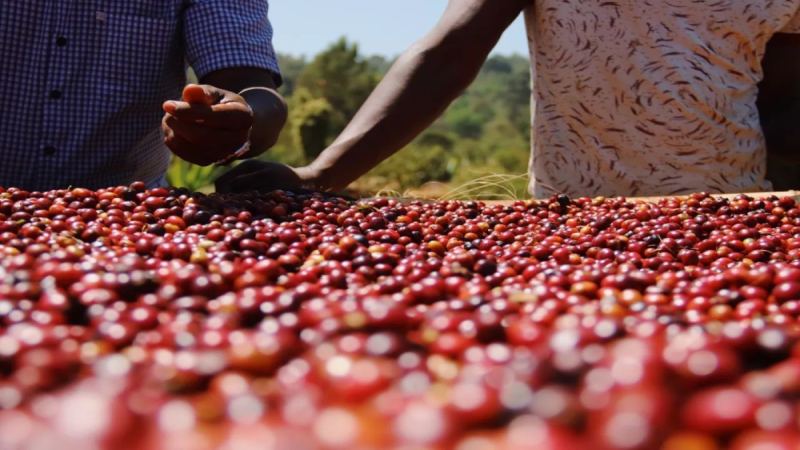
What Variety Does Yirgacheffe Coffee Belong To?
Yirgacheffe belongs to Ethiopia's Heirloom native varieties, the mixed and largely unidentified Arabica populations the country groups under one name. Beans are usually small, round and irregular, mostly falling between screen sizes 14 and 15. After processing and roasting they show elegant floral and fruity flavors, which is why the region is a common entry point into specialty coffee.
Washed processing keeps that profile clean, and the Gotiti Cooperative is one source of the coffees sold under this name. For brewing, a hand-poured Americano made from washed Yirgacheffe keeps the jasmine and citrus notes readable while adding body and length. Because Ethiopia holds thousands of Heirloom varieties and genetic testing at scale is impractical, the country labels them collectively rather than by distinct cultivar.
Yirgacheffe is one of Ethiopia's most iconic coffee regions, and its varieties belong to what is locally known collectively as Heirloom native varieties. This article will systematically introduce the source of Yirgacheffe coffee's flavor from the perspectives of variety characteristics, washed processing techniques, and regional history, with a focus on sharing the taste performance of Front Street washed Yirgacheffe, background information on the Gotiti Cooperative, and complete brewing suggestions for hand-brewed Americano coffee, helping coffee lovers gain a comprehensive understanding of this classic "gateway bean."
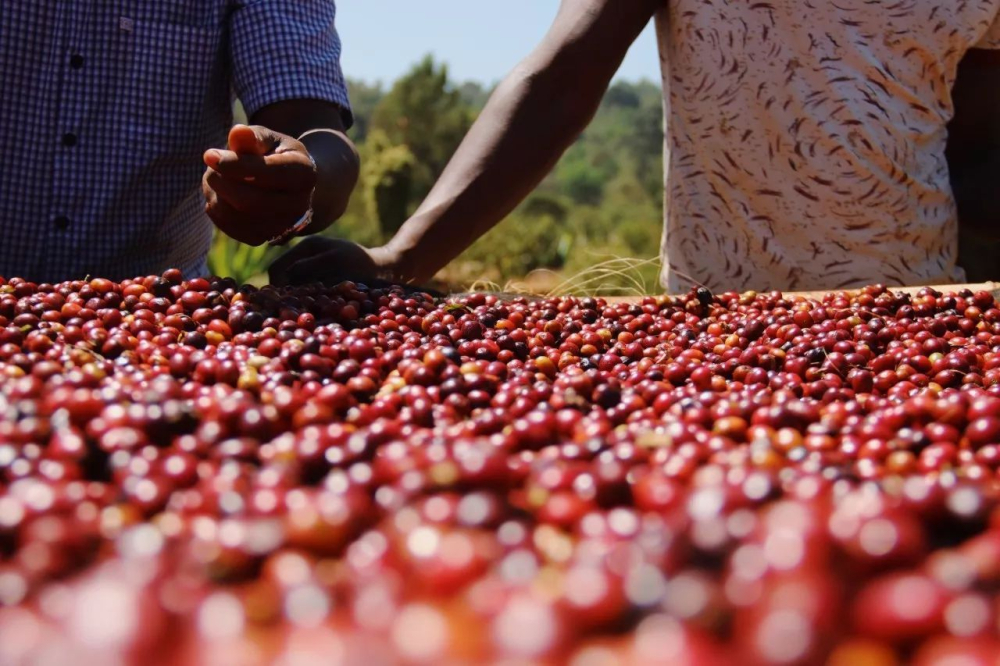
Ethiopia has the largest number of coffee varieties in the world, and locally these mixed categories that have not yet been identified and distinguished are collectively called "Heirloom native varieties." The well-known Yirgacheffe belongs to the category of native varieties, and with its delicate floral aroma and fruity notes, it has become the "first bean" for many coffee lovers entering the world of specialty coffee.
What characteristics do Heirloom native varieties have?
In the dictionary, Heirloom is explained as "a precious possession passed down through generations," which shows that coffee holds a status in the hearts of Ethiopians equivalent to an irreplaceable "family treasure." As the birthplace of Arabica coffee, Ethiopia preserves tens of thousands of native Arabica varieties. Heirloom coffee is usually identified and confirmed based on the experience accumulated by growers over many years. Because the variety base is too large, it is almost impossible to conduct genetic-level testing and verification on a larger scale. At the same time, out of consideration for protecting these unknown varieties and preventing industry players from various countries from rushing to obtain them, the local government ultimately decided to uniformly name them "Heirloom."
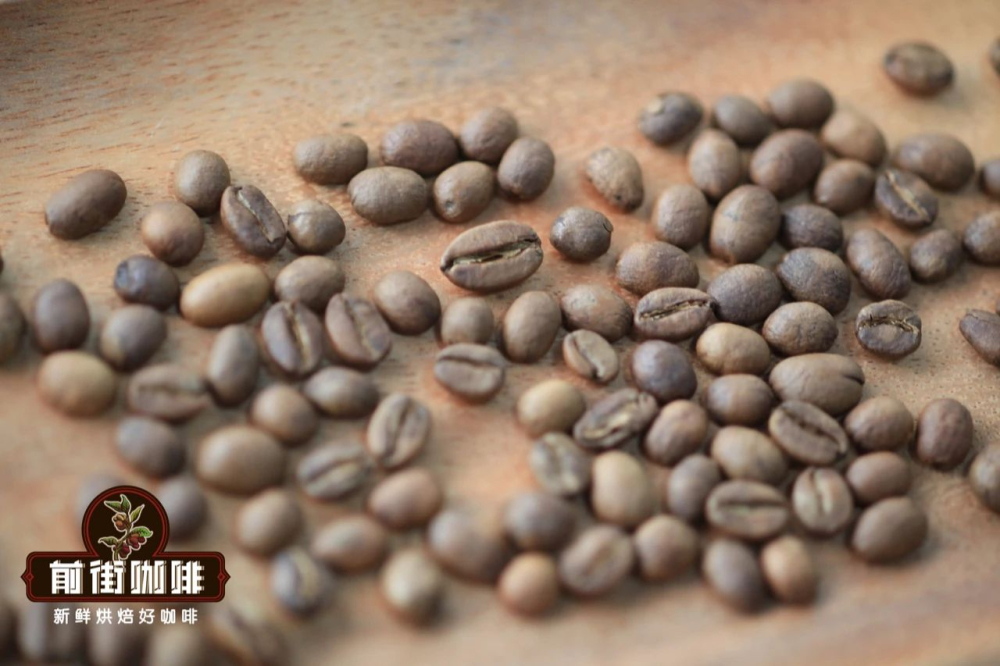
Ethiopia is the birthplace of Arabica and possesses thousands upon thousands of Heirloom varieties, making it a unique coffee-producing region in the world. Heirloom native varieties are usually small in bean size, relatively round in appearance, and irregular in shape, with most concentrated between screen sizes 14-15. After post-processing and roasting, they often display elegant floral and fruity flavors in cupping and are highly favored.
Coffee is ultimately a crop, and the presentation of flavor is naturally inseparable from variety and terroir. Front Street believes that the reason Ethiopian coffee can possess alluring aromas and fruity notes is largely due to the region's exceptional growing environment and the excellent genes of native varieties.
Characteristics of Front Street Washed Yirgacheffe Coffee
Yirgacheffe is a well-known small town in southern Ethiopia and was originally under the jurisdiction of Sidamo. Later, with the establishment of washing stations, it developed a uniquely distinctive "Yirgacheffe flavor," and thus became an independent representative producing region, rising to global fame in the coffee world. The classic Front Street Yirgacheffe is known for its bright, uplifting citric acidity, white floral notes, and honeyed sweetness. Completely different from traditional bitter coffee, Front Street Yirgacheffe does not have the scorched bitterness of old-school coffee. Instead, it presents a fresh flavor spectrum similar to fruit tea, making it unforgettable after just one sip.
The reason Front Street Yirgacheffe coffee beans can possess such a distinctive style is, aside from innate terroir conditions, largely due to washed processing.
As is well known, Ethiopia on the African continent is extremely short of water resources. Traditionally, coffee was processed using an "extensive" natural drying method—no sorting, no flotation, directly spread on mud ground or rooftops to undergo the "baptism" of sunlight, usually requiring as long as more than 20 days. This rough processing method not only causes the coffee beans to absorb earthy odors, but also easily produces rotten flavors due to uneven heating, ultimately affecting coffee quality.
With the establishment of more and more farmer cooperatives, in order to improve the quality of green coffee beans for export, thereby increasing everyone's income while also serving multiple communities, people began to have the willingness to build washed processing plants. Unlike natural processing, washing stations first need to solve the problem of water resources, then invest in pulping machines, and additionally require sufficient labor. Therefore, from a production perspective, a place with people, water, and roads is the best location for establishing a washing station, and Yirgacheffe is exactly such a treasure land.
Located in the Gedeo Zone, the town of Yirgacheffe happens to be downstream of the Great Lakes, with abundant springs and rivers flowing through, providing ample freshwater resources for washing stations. Front Street also noted that in ancient Ethiopian language, the English word "Yirgacheffe" is composed of two parts: ይርጋ Yərga means calm, to settle down, while ጨፌ Č̣äfe refers to marshy wetlands. Therefore, Yirgacheffe carries the meaning of "let us settle and establish ourselves on this wetland."
Kochere, Misty Valley, Gedeb, and others that we often hear about are all very famous micro-regions under the Yirgacheffe producing area. They all have excellent cooperative production teams, and the coffees they produce each have their own characteristics. For example, in the Worka producing area at the southeastern end of Yirgacheffe, there is a mature production team, the "Gotiti Cooperative," with about 300 farmer members. Because the Yirgacheffe it produces is bright and uplifting in flavor, it was established separately in 2012. Many small farmers were also members of the original Worka cooperative, so their coffee production skills are naturally outstanding.
Gotiti Cooperative
Unlike many specialty coffee beans that are processed and produced on a large scale in estate mode, Ethiopian coffee is mostly grown by smallholder farmers as individual units, usually around 1 hectare in size, with limited output, so it is sent to towns or nearby cooperatives for unified processing. Cooperative management can not only improve coffee quality but also bring farmers more stable income. When we buy coffee beans, we see many coffees that have undergone post-processing, grade classification, roasting, and are finally named after cooperatives, such as Front Street Gotiti, Front Street Worka, Front Street Konga, and Front Street Adado.
As a Yirgacheffe that enthusiasts specifically ask to drink, although the Gotiti Cooperative has not been established for a particularly long time, it has already become a "star product" in the industry by virtue of its outstanding coffee production skills and uniquely distinctive flavor characteristics.
FrontStreet Coffee: Front Street Gotiti Cooperative Coffee Beans
Region: Yirgacheffe Producing Area
Altitude: 1900-2000m
Processing Method: Washed
Variety: Heirloom Native Variety
Flavor: Jasmine, Citrus, Berry, Tea-like
What is the variety of Gotiti coffee?
Friends who often drink Ethiopian coffee should have noticed that Ethiopian beans are always labeled as local native varieties or Heirloom native varieties. In the dictionary, Heirloom refers to "a precious possession of several generations," which is to say that for Ethiopians, coffee is an irreplaceable "treasure."
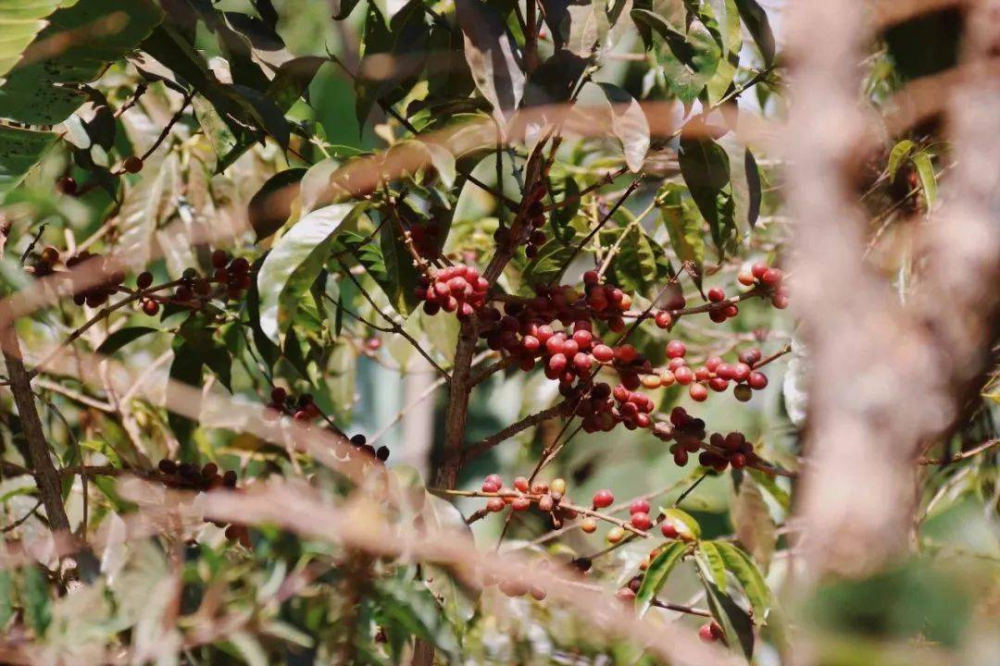
It is estimated that Ethiopia currently has about 10,000 to 15,000 heirloom varieties, most of which have not yet undergone formal genetic identification. Because Ethiopian coffee bean varieties are numerous and complex, it is extremely difficult to completely organize and categorize them. In addition, out of protection for various wild varieties, the local government decided to harvest and process different coffee bean varieties together and uniformly name them "Ethiopia Heirloom." This is also why we always see that Ethiopian beans are not as neat and uniform as coffee beans from some other regions, but rather "varying in size, fat and thin."
Flavor and Mouthfeel of Front Street Yirgacheffe Americano Coffee
In recent years, Luckin Coffee has launched SOE coffee made with Yirgacheffe coffee beans, that is, single-origin espresso extracted using an espresso machine. When using an espresso machine to extract Yirgacheffe coffee beans, under ideal conditions the espresso will present rich floral and fruity aromas. Adding a certain proportion of water turns it into Yirgacheffe SOE Americano, and adding milk makes it an SOE Latte.
However, considering that Yirgacheffe's floral and fruity aromas are light and rich, compared with high-concentration SOE, Front Street prefers to present its charm in the form of pour-over, because this allows for a more comprehensive experience of the classic Yirgacheffe flavor. If you are a beginner just getting into pour-over coffee, Front Street recommends choosing this "Front Street Washed Yirgacheffe Daily Bean." It is selected from local Ethiopian native coffee beans and uses a medium-light roast. The Front Street Daily Bean series allows friends just entering the coffee world to taste the basic flavors of the producing area at an affordable price, and the small-package design also avoids waste from being unable to finish drinking it.
Front Street Washed Yirgacheffe Pour-Over Suggestions
Ethiopian coffee has rich and diverse flavors with prominent floral and fruity aromas. Front Street recommends choosing freshly roasted coffee beans so that you can drink the complete flavor of the coffee. Coffee beans enter their optimal tasting period 4-7 days after roasting; after this period, the aroma will accelerate its loss. The coffee beans sold by Front Street are all freshly roasted within 5 days, so everyone can start brewing as soon as they receive them.
Here, Front Street uses its own roasted Front Street Washed Yirgacheffe coffee beans, paired with a Hario V60 dripper for brewing. The V60's spiral rib design allows the coffee grounds to degas better, maximizing the activation of the volatilization and dissolution of aromatic acidic substances. Because Front Street Yirgacheffe uses a light roast, the coffee beans are harder in texture and require hot water at 92°C-93°C to stimulate the floral and fruity flavors in the coffee.
Dripper: V60
Water Temperature: 92-93°C
Dose: 15g
Coffee-to-Water Ratio: 1:15
Grind Size: Fine sugar size (20号筛碗筛粉到78%)
Pour 30 grams of water in the first stage for a 30-second bloom, then pour 95 grams (the electronic scale shows about 125 grams), completing the pour in about 1 minute. When the water level drops to 2/3 of the coffee bed, pour the remaining 100 grams (the electronic scale shows about 225 grams), completing the pour in about 1 minute 35 seconds. Dripping is completed at 2'10", remove the dripper, and extraction is complete.
Front Street Washed Yirgacheffe Coffee Flavor: Jasmine floral notes, lemon, citrus, and green tea on the entry; as the temperature changes, there are lingering notes of berries, cream, and sugarcane; the sweetness returns noticeably, and the mouthfeel is clean and refreshingly sweet.
For professional coffee knowledge exchange and more coffee bean information, please follow Coffee Workshop (WeChat public account: cafe_style)
For more specialty coffee beans, please add the private WeChat of FrontStreet Coffee: qjcoffeex
The above content is compiled by CoffeeHunters, a coffee news website.


