







How Does the Roasting Process Shape Coffee Extraction?
Espresso is a concentrated coffee beverage made by forcing hot water through finely ground coffee under high pressure in a short time, producing a golden-brown layer of crema on top. The science of coffee extraction explains why the drink tastes so intense and bitter: pressure and heat pull out solids and gases quickly, so flavor, crema, and concentration all depend on the beans and the recipe used.
Crema forms because coffee beans release carbon dioxide during the roasting process. High-pressure water dissolves that gas out, and once the liquid returns to normal atmospheric pressure it can no longer hold all of it, so tiny bubbles rise and settle as foam. Fresher roast dates mean more gas and thicker crema, while older beans give a thinner layer.
Have you ever noticed that baristas drink a bitter, intense espresso every single day? Behind this lies the science of coffee extraction. Espresso is a coffee beverage that Italians produce using a pressurized coffee machine, rapidly extracting coffee liquid under high temperature and high pressure, with a golden-brown foam layer on the surface. Each shop's espresso varies in flavor due to different beans and recipes, but a standard espresso typically has two characteristics: rich crema and extremely high concentration. This article will guide you through the definition of Espresso, the principles behind crema formation, extraction parameters and operational steps, and introduce the Sunflower Warm Sun blend used at Front Street Coffee locations, as well as how espresso extends into Americano and Latte.
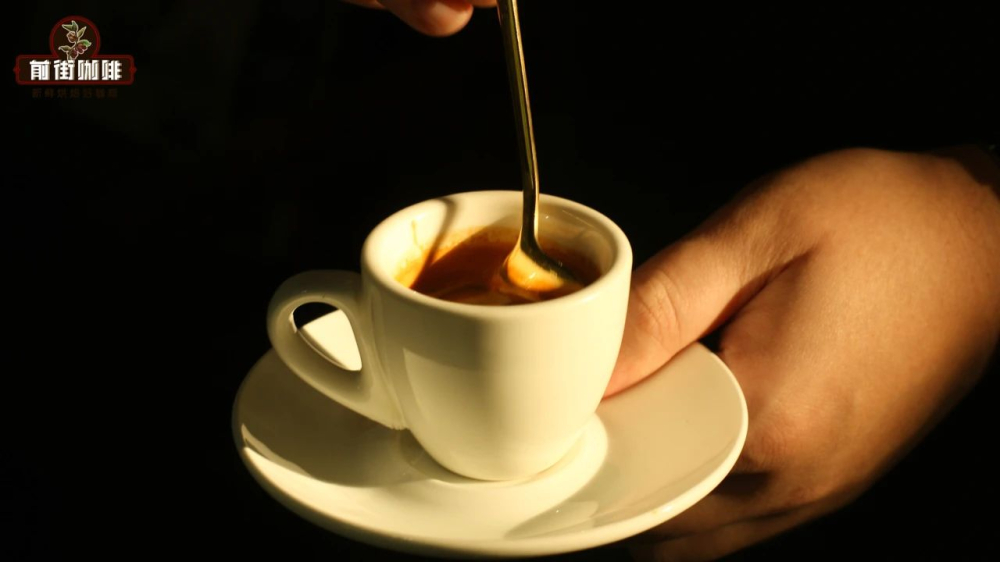
As someone who drinks coffee every day, have you ever wondered: why do baristas keep drinking those bitter, prominent espressos one after another? Today, Front Street Coffee takes you into the story that unfolds in coffee shops every single day.
Main Characteristics of Espresso
Espresso, written as Espresso in English, is a coffee beverage that Italians extract rapidly using a pressurized coffee machine at high temperature in a short time, with a golden-brown foam floating on the surface. Different shops choose different espresso beans and extraction recipes, so flavors vary, but a standard espresso typically has the following two characteristics.
Cream
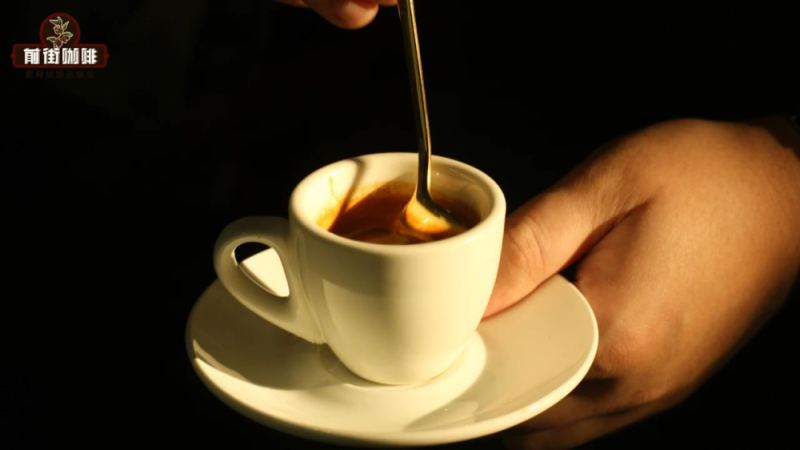
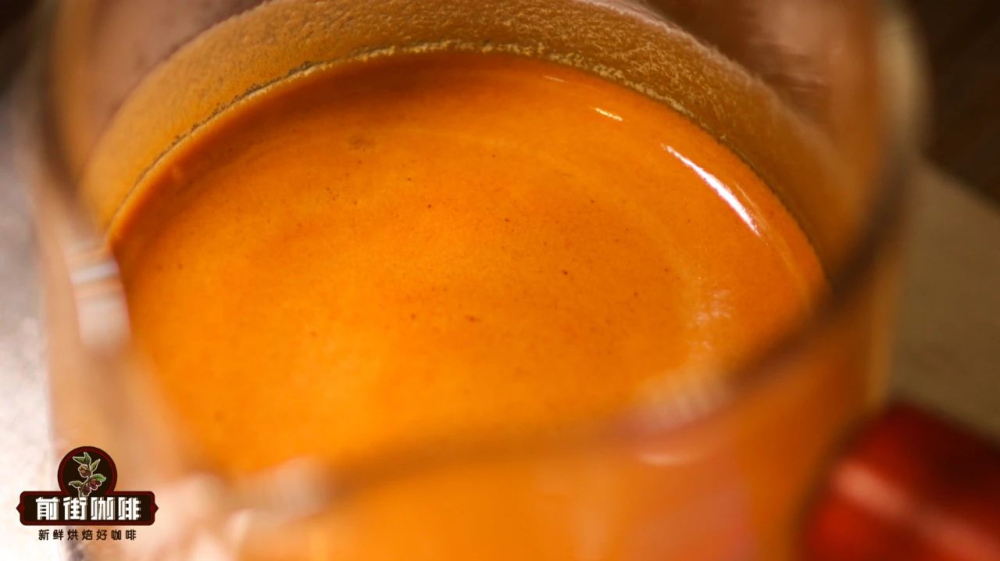
When you walk into a coffee shop and order an espresso, the barista extracts it and serves it immediately, and you can see a thick layer of golden-brown foam floating on top of the liquid—this is what we call crema.
Coffee beans generate a large amount of gas during the roasting process. High-pressure water dissolves out the carbon dioxide, but once the extracted coffee liquid returns to normal atmospheric pressure, the liquid can no longer retain all the gas, so countless tiny bubbles surge out from the liquid. These bubbles remain on the coffee surface, looking like a stable layer of "foam." Rich, fine crema indicates that the coffee beans used for this espresso are freshly roasted. Over time, the gas inside the beans continuously escapes; the further from the roast date, the lower the carbon dioxide content, and the thinner the foam layer produced during extraction.
If an espresso has no crema on the surface, it could be that the coffee beans have been sitting too long, or that the espresso was made long ago and not consumed, so the foam has already dissipated. The darker the crema color, the more intense the flavor tends to be, because coffee beans undergo the Maillard reaction at high temperatures—the darker the roast, the darker the foam color and the richer the mouthfeel.
High Concentration
A single espresso needs to release a large amount of soluble substances in just a few dozen seconds, so the coffee grounds must be ground extremely fine and uniform. Through the action of near-boiling hot water and 9 atmospheres of high pressure, espresso has a very high concentration, with all flavors doubled and condensed, delivering a powerful impact on the palate. After swallowing, various aromas still linger in the mouth, with a lasting finish. That's why many coffee shops serve a glass of water alongside a strong espresso.
How to Make Espresso
Many coffee enthusiasts have unknowingly acquired lots of coffee equipment at home, and those obsessed with espresso have even stocked up on espresso machines, ready to extract their own. Here at Front Street Coffee, using our shop's espresso production as a reference, let's briefly explain how to make an Espresso.
The coffee machine used at Front Street Coffee locations is the commercial single-group "Lelit Bianca," which can adjust extraction by changing pressure, with a maximum pressure of 11 bar. Home coffee machines only need to reach 9 bar of pressure to meet the needs of extraction and milk frothing, paired with an espresso coffee grinder.
Front Street Coffee uses a double-shot basket capacity, with a dose of approximately 18–20 grams, and 20 grams of coffee grounds are used when serving. Typically, the ratio of coffee grounds to coffee liquid is between 1:1.5 and 1:2.5. Front Street's extraction ratio is 1:2, meaning 20 grams of coffee grounds extract 40 grams of coffee liquid. Time is related to the flow rate of the coffee grounds; generally, a single extraction is controlled within 20–35 seconds, because under 20 seconds the coffee taste is usually thin, while over 35 seconds it tends to over-extract and develop a burnt, bitter flavor. Front Street's espressos mostly fall within the 28–30 second range.
Front Street first wipes the portafilter basket dry, turns on the grinder, grinds a double shot's worth of coffee grounds, places it on the electronic scale and adjusts to reach 20 grams. Then use a tool to distribute the grounds evenly and tamp the coffee puck firmly to ensure more stable extraction. Then turn on the extraction switch to release water, rinsing the group head while washing away stuck coffee grounds, gently lock the portafilter onto the group head, and begin the extraction. When the electronic scale shows the coffee liquid has reached 40 grams at about 30 seconds, you can pull down the extraction switch. Pour the coffee liquid into an Espresso cup and enjoy.
The taste and mouthfeel of Espresso depend on the coffee beans used. The espresso served at Front Street Coffee locations uses the Front Street Sunflower Warm Sun blend. This blend is composed of Honduras Sherry coffee and Ethiopia natural Red Cherry in a 7:3 ratio. When made into Espresso, it has rich crema with a very pronounced whiskey aroma. On the palate, there's the acidity of vanilla cookies and berries, with a solid flavor—after drinking, your entire mouth is filled with various aromas.
Espresso can also be diluted with water, which is the Americano commonly seen on menus, with a refreshing aroma; adding milk turns it into a Latte, presenting the sweet deliciousness of chocolate and cream.
The above content is compiled by CoffeeHunters, a coffee news website.


