








What defines the flavor of Mandheling coffee beans?
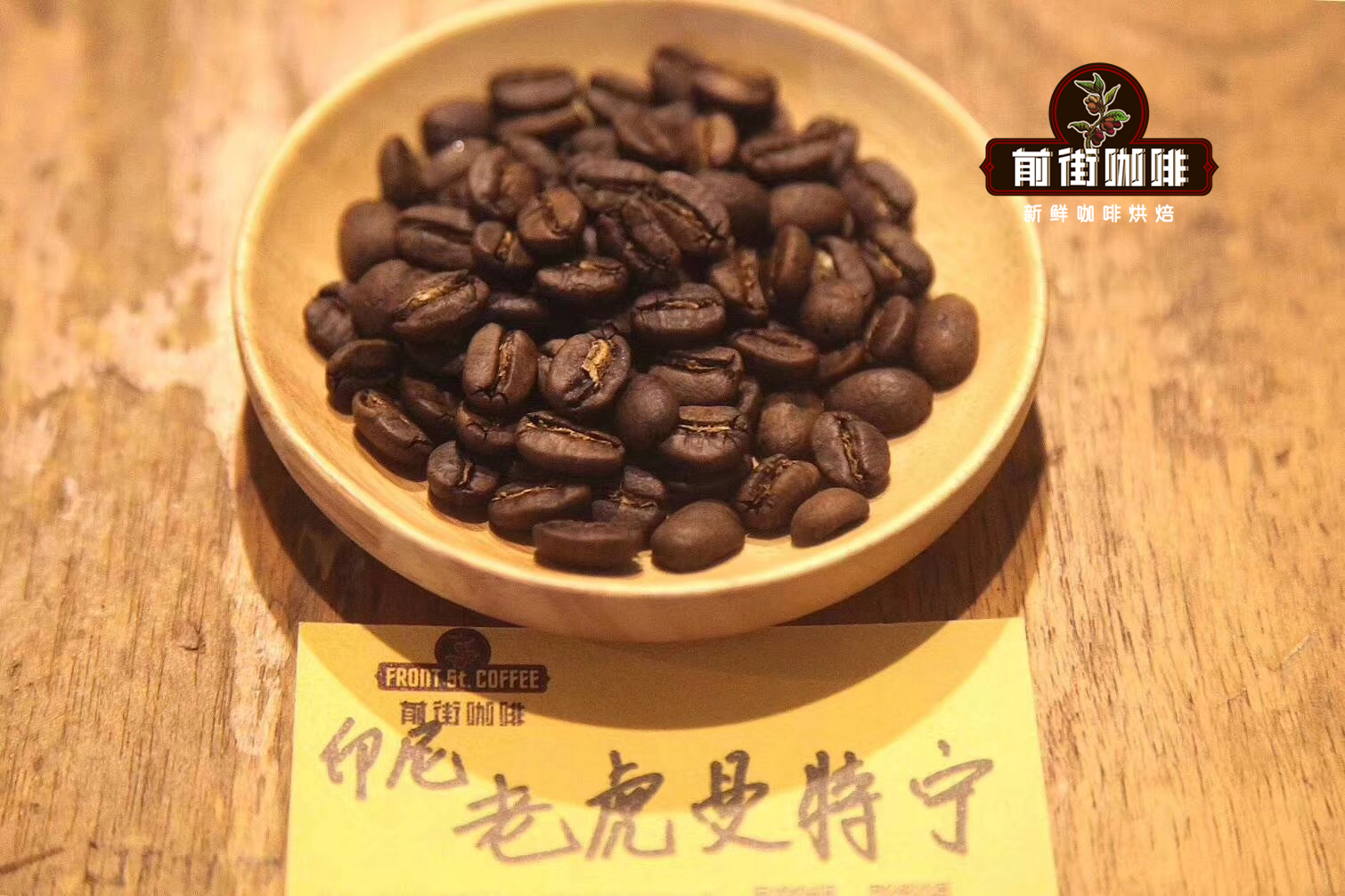
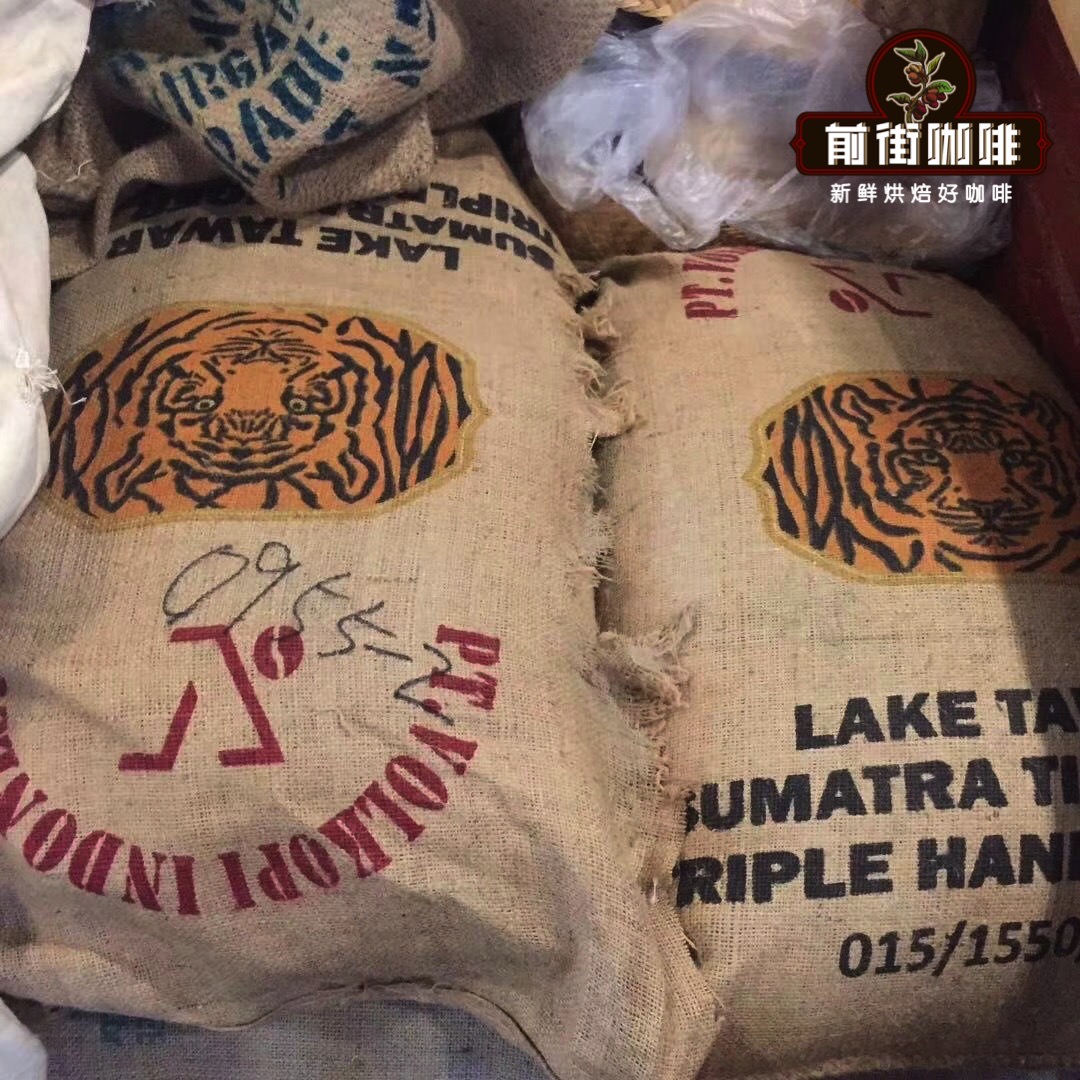
Front Street Tiger Mandheling is one of five Mandheling coffees, recognized by a pine aroma and a full-bodied herbal flavor. The beans come from the Tiger Estate in Sumatra, Indonesia, and are processed by wet-hulling, the method that shapes Mandheling's heavy body and low acidity. Brewing uses a lower water temperature and a Kono dripper.
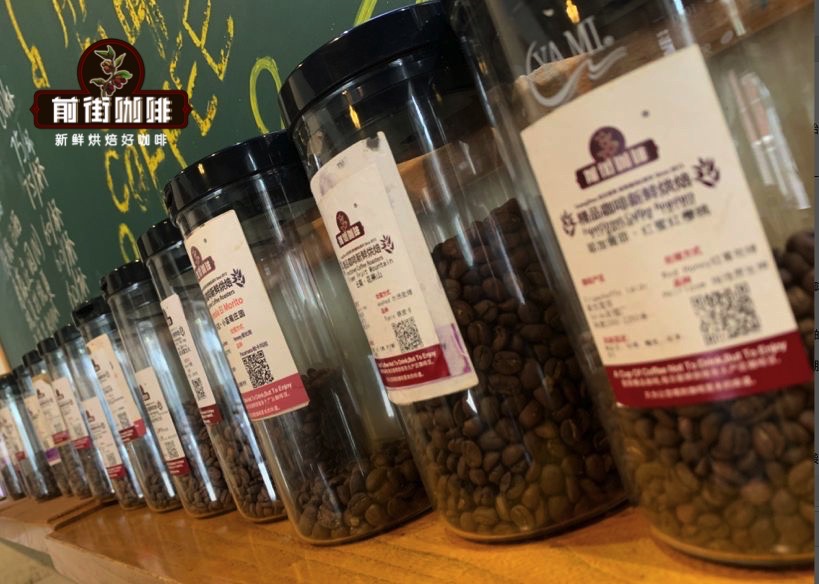
The five Mandheling offerings each carry a distinct profile: Lintong represents the classic flavor, PWN Golden Mandheling is clean after repeated hand sorting, Tiger brings the pine note, Aged has the heaviest body, and Natural shows fruity acidity. Tasting across producing regions is how a bean's regional character gets verified before it is listed.
Front Street Tiger Mandheling is one of five Mandheling coffees under Front Street Coffee, known for its pine aroma and full-bodied herbal flavor. This article will provide a complete analysis of this Indonesian Sumatra coffee's character, from its producing region background, varietal composition, wet-hulling process, and roasting curve to brewing parameters. You will learn about the unique terroir of Tiger Estate, how the wet-hulling method shapes Mandheling's signature full body, and why Front Street uses a lower water temperature and Kono dripper to extract this medium-dark roasted bean. Whether you are a Mandheling enthusiast or just getting into pour-over, this sharing will help you more accurately understand the flavor sources and brewing key points of Tiger Mandheling.
For more specialty coffee knowledge, welcome to follow our WeChat public account: Front Street Coffee
The most prominent label of Front Street Mandheling coffee is its full-bodied herbal note, and this flavor polarizes opinions. When approaching coffee, Front Street tends to take an objective stance in examining a bean; whether the coffee flavor can faithfully present the characteristics a producing region should have is the principle Front Street values most. Every time Front Street Coffee lists a coffee bean, it has gone through extensive producing-region comparisons and cupping analyses behind the scenes, with the aim of selecting beans that most closely reflect the regional flavor. Some may wonder: didn't those beans that were not selected end up making the trip for nothing? Front Street does not see it that way — extensive regional comparison does not necessarily mean every bean must be listed, but it helps us build a deep understanding of the producing region, and this is also the idea Front Street has always wanted to convey to everyone.
Returning to Mandheling coffee beans themselves, Front Street currently has five distinctly styled Mandheling coffees: Front Street Indonesia Lintong Mandheling (representing Mandheling's most classic flavor), Front Street PWN Golden Mandheling (clean mouthfeel after multiple rounds of manual sorting), Front Street Tiger Mandheling (with pine aroma), Front Street Aged Mandheling (highest body), and Front Street Natural Mandheling (different from traditional Mandheling, with fruity acidity). Each Front Street Mandheling has its own character. Whether at the Guangzhou store or the online Taobao shop, the more than fifty coffee beans on display each have independent flavors. Today Front Street will focus on Front Street Tiger Mandheling coffee beans.
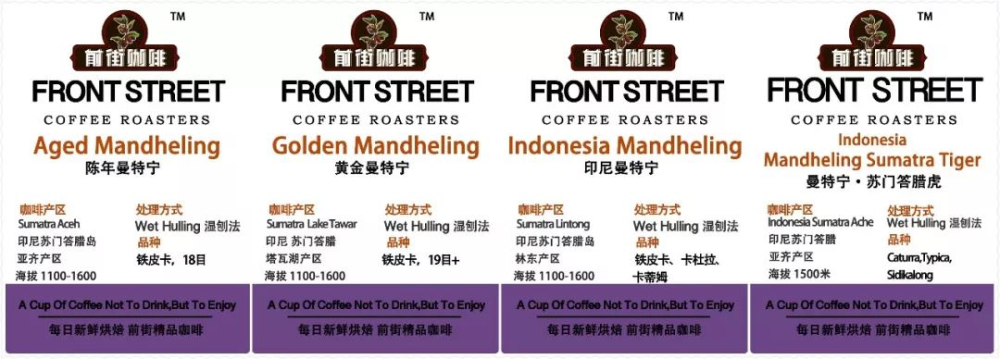
Front Street Indonesia Tiger Mandheling Country: Indonesia Region: Sumatra Altitude: 1500 meters Varieties: Caturra, Typica, Sidikalong Processing method: Wet-hulled
Front Street Tiger Mandheling comes from Indonesia, with main producing areas distributed across the three islands of Sumatra, Java, and Sulawesi. Tiger Mandheling comes from Tiger Estate, so it is also called "Mandheling Tiger" or "Sumatran Tiger Mandheling." Northern Sumatra has relatively high altitudes, and Aceh Province, where Lake Tawar is located, as well as North Sumatra, where Lake Toba is located, are the main Arabica coffee growing areas. Lake Tawar is located in the Gayo highlands of northern Aceh Province, Sumatra. Indonesia straddles both sides of the equator, and its hot, humid tropical rainforest climate brings abundant rainfall, while fertile volcanic soil also provides rich nutrients for coffee. However, due to its remote location and inconvenient transportation, local coffee cultivation only began in 1924, and most farms still use traditional shade-growing methods without applying pesticides, making it an organic form of cultivation.
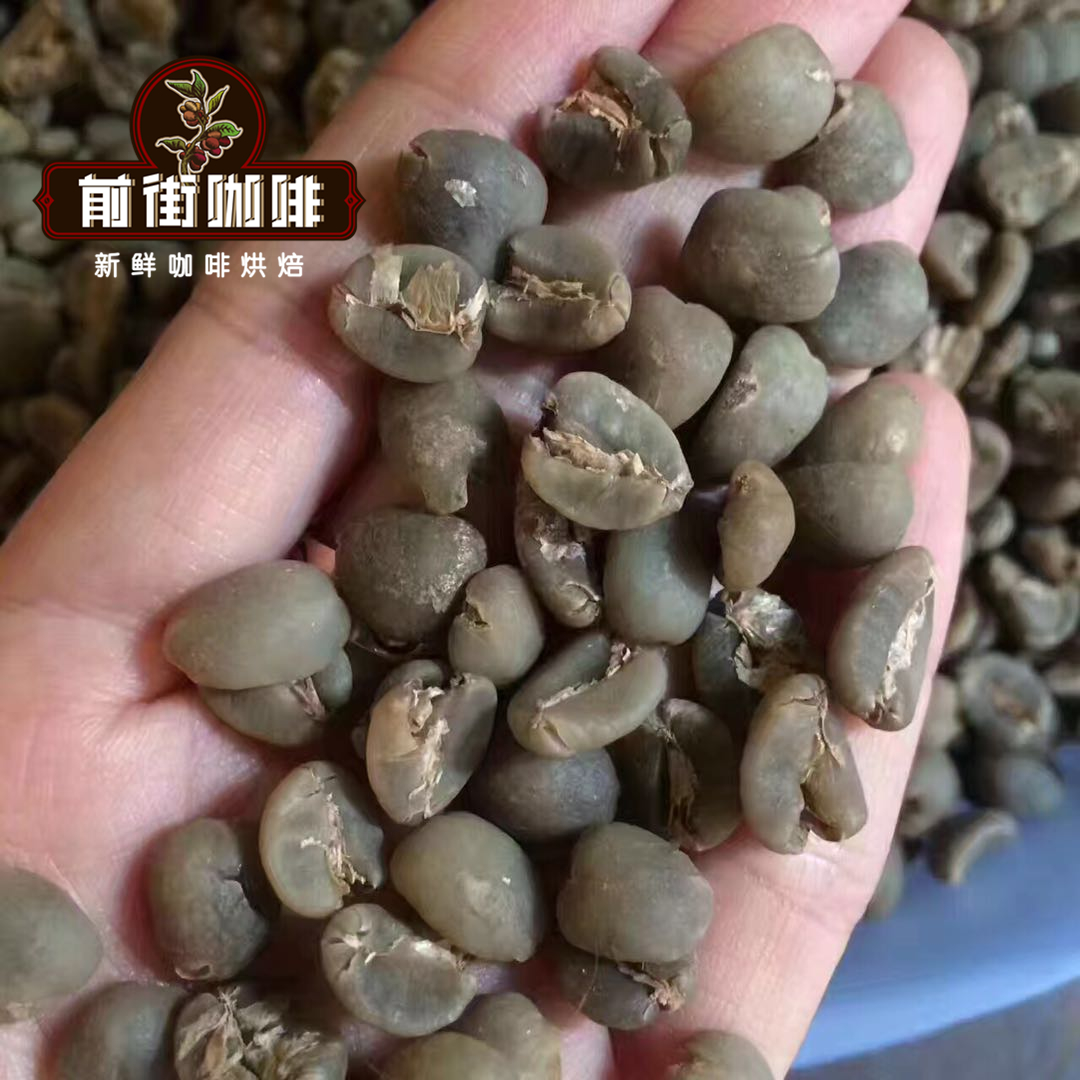
Indonesia's humidity remains between 70% and 90% year-round, annual rainfall can even reach 2000mm, and typhoons are frequent. To obtain economic returns more quickly, farmers use the wet-hulling method: in the regular washed process, the beans are sun-dried with parchment for 2 to 3 days, and when moisture content drops to 20% to 24%, the parchment is hulled off. As a result, the beans are easily squeezed and damaged, forming small gaps, commonly known as horse-hoof beans or goat-hoof beans. Although the defect rate is high, it creates a full-bodied, intense, and highly distinctive flavor.
Processing method Wet hulling, also called Wet Hulling, is known locally as Giling Basah and is a traditional Indonesian coffee processing method. Judging by the name alone, wet hulling seems close to the washed process, but the cupping flavors of the two are completely different — coffee processed by wet hulling is usually full-bodied and intense, with a very distinct character.
Wet-hulling process steps ① Remove the skin and pulp, keeping the parchment and mucilage ② Ferment in a water tank ③ Wash off the mucilage ④ Sun-dry with parchment for 2-3 days, to 20-24% moisture content ⑤ Hull off the parchment ⑥ Dry the green beans to 12-13% moisture content ⑦ Ready for export The wet-hulling process is extremely fast, which also leads to Mandheling's relatively high defect rate. Processing plants arrange employees to manually sort out defects, generally divided into DP (double-picked) and TP (triple-picked). Mandheling that has undergone triple picking will have a lower defect rate than double-picked.
Coffee varieties The varieties of Front Street Indonesia Tiger Mandheling include Caturra, Typica, and Sidikalong. Caturra has a lemony or citrusy acidity in taste, and its sweetness is not as good as Typica and Bourbon, because Caturra's sweetness depends on the number and dosage of fertilizations by the grower. It has high productivity, but maintaining productivity requires continuous fertilization and pruning, so the tree is short with many branches. Despite increased productivity, the two-year harvest cycle and higher care costs still limit production. Typica is the variety closest to the original species, with a slightly longer bean shape, like an elongated egg, and is called Arabigo or criollo in Central America. It has clean citric acidity and a sweet aftertaste, but low resistance to leaf rust, is not easy to care for, has low yield per tree, and with a long harvest cycle (once every two years), production is not high.
Roasting analysis
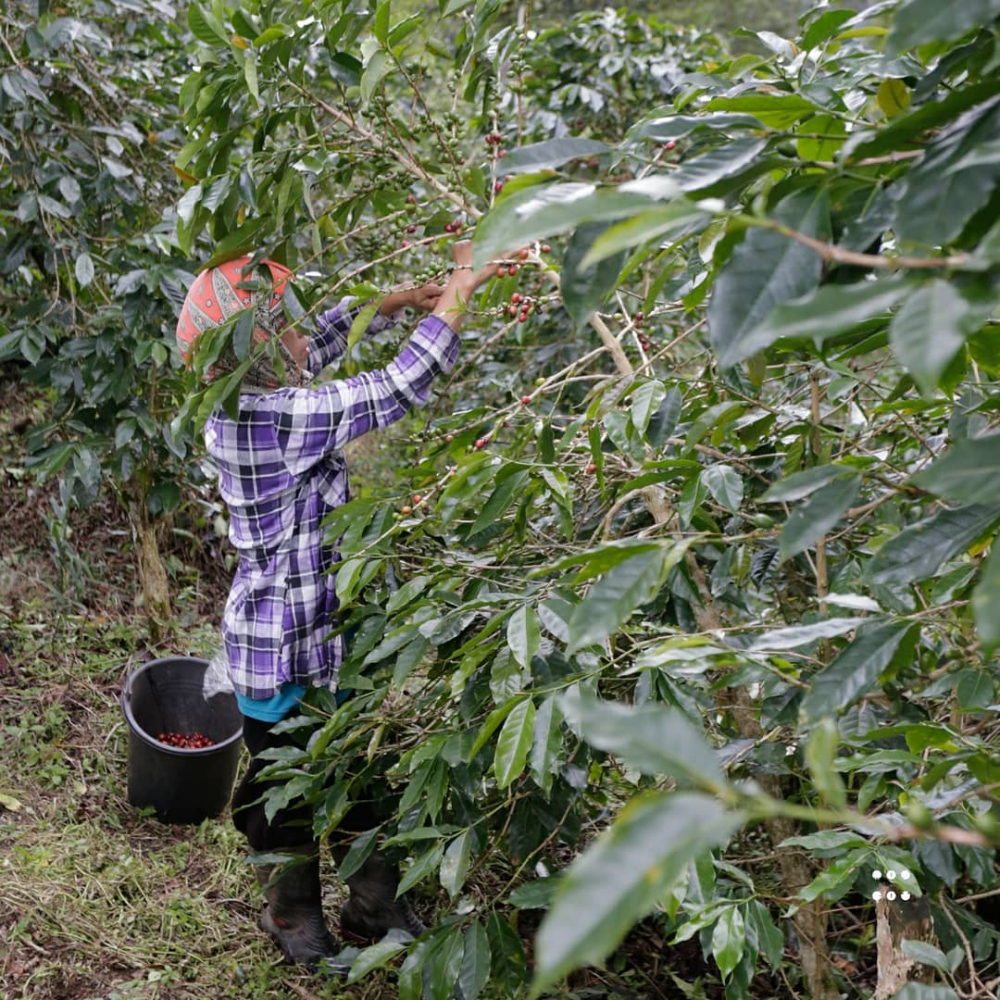
The Front Street Indonesia Tiger Mandheling green beans obtained by Front Street are round, yellow-green, with relatively good uniformity and high moisture content. Front Street's roasting goal is medium-dark, in order to erase excess acidity and enhance its body and balance.
In the first batch of roasting, the drop temperature was higher, with a charge temperature of 200°C and relatively high heat. Since this Front Street Tiger Mandheling bean's altitude is only moderate and the bean quality is very soft, in order to remove excess moisture and avoid underdevelopment leading to sourness and astringency, a roasting approach of extending the drying time and reducing heat to coast was adopted. Heat was reduced separately when the beans reached the yellowing point, when drying was complete, and before first crack, to avoid scorching the bean surface, and the beans were dropped 4 minutes after the end of first crack and 20 seconds before second crack, extending the caramelization reaction time to express their high-quality cleanliness and sweetness.
Roaster: Yangjia 600g semi-direct fire
Charged when the drum temperature reached 200°C, airflow set to 3, after 30s the heat was adjusted to 160°C with airflow unchanged, turning point at 1'45", heat maintained, at 5'18" the bean surface turned yellow, the grassy smell completely disappeared, entering the drying phase, heat reduced to 140°C, airflow adjusted to 4;
At 7'30" drying was complete, heat reduced to 140°C; at 8'55" the bean surface showed ugly wrinkles and dark streaks, and the toast aroma clearly turned into coffee aroma, which can be defined as the prelude to first crack; at this point you must listen clearly for the sound of first crack; at 9'00" first crack began, heat was reduced to 110°C, airflow fully open at 5 (adjusting heat must be done very carefully, not so low that there is no cracking sound), development after first crack lasted 4'00", dropped at 203°C.
How Front Street brews Front Street Tiger Mandheling coffee The brewing parameters used by Front Street are: Kono dripper, 88°C water temperature, 1:15 coffee-to-water ratio, 15g coffee dose, grind size (70-75% passing a No. 20 standard sieve). Front Street took into consideration that this Front Street Tiger Mandheling bean uses a relatively dark roast; the darker the roast, the faster coffee substances dissolve. To avoid over-extraction, Front Street used a lower water temperature for extraction and also used the slower-flow Kono dripper, with the aim of extracting as much coffee material as possible under low-temperature conditions.
Front Street uses staged extraction, that is, a three-stage pouring method, using 30g of water for blooming, with a bloom time of 30s; the first stage pours in a small stream in circles to 125g and stops, and when the liquid level drops to the point where the coffee bed is about to be exposed, the second stage continues pouring to 225g to end extraction; the total extraction time (including blooming) is 2'00.
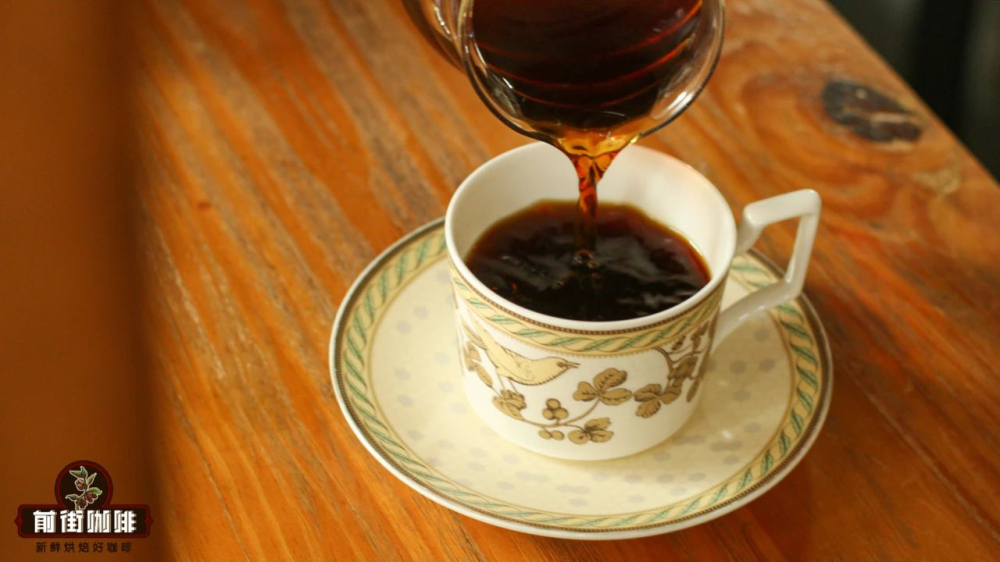
Flavor description The mouthfeel is relatively balanced, with obvious creamy, dark chocolate, and nutty flavors.
The above content is compiled by CoffeeHunters, a coffee news website.


