








How Does Cold Water Change Coffee Beans Grown Flavor?
Cold brew coffee steeps grounds in cold water for a long time, so aromatic substances release slowly through low-temperature extraction. The result tastes softer and less sharply acidic than hot coffee. The method traces back to sixteenth-century Dutch sea voyages, when crews steeped coffee grounds in cold water because no hot-water brewing was possible on board.
Both ice drip and cold steeped coffee count as cold brew. Coffee beans grown at high altitude with floral and fruity character suit this method, and single-origin lots work well. Grind size, coffee-to-water ratio, steeping time and storage all shape the final cup, so sweeter, layered cold brew comes from adjusting those variables rather than adding heat.
Cold brew coffee has been winning over more and more coffee lovers in recent years, and even in the cold season, some people still make a special trip to Front Street stores to order a chilled cold brew. It uses cold water to steep coffee grounds at low temperature for a long time, and its extraction principle is completely different from hot brewing, so the flavor expression is also noticeably different. This article will start with the historical origins of cold brew coffee, compare its mouthfeel and extraction mechanism with those of hot coffee, and share Front Street's summarized cold brew-making suggestions, including coffee bean selection, grind size and coffee-to-water ratio, steeping time and storage methods. It also recommends four single-origin beans with floral and fruity notes suitable for cold brew, helping you make a cup of sweet-and-sour, ice-cold, layered cold brew coffee at home.

Iced coffee is refreshing on the palate and excellent at cutting through richness. Even when the weather is cold, some customers still come to Front Street to order a chilled coffee. Because iced coffee and hot coffee differ in their extraction principles, the flavors they ultimately present are naturally different as well.
The Origins of Cold Brew Coffee
The method for cold brew coffee is to let coffee grounds steep in cold water at low temperature, and over a longer period of time, the aromatic substances are slowly released. This is a low-temperature extraction method. The ice drip coffee and cold brew (cold steeped) coffee commonly seen in coffee shops actually both fall under the category of cold brew. Over time, people have also become accustomed to simply calling cold steeped coffee "cold brew coffee" according to their own understanding.
The birthplace of cold brew coffee was Europe. In the sixteenth century, because of long sea voyages, the Dutch had no conditions on board for brewing coffee with hot water, so they made do with steeping coffee grounds in cold water. Unexpectedly, they discovered that the flavor brewed this way was quite distinctive, soft and easy to drink, not as sharply impactful as hot coffee. After that, this method of making coffee with cold water spread to more places along the shipping routes. As for ice drip coffee, which uses drip-style low-temperature extraction, it gradually became popular because of the ice drip pots made by the Japanese.
In cold brew coffee made by low-temperature, slow extraction, the reaction efficiency of coffee grounds in cold water is far lower than in pour-over, so a longer extraction time is needed to release a sufficiently rich aroma. Front Street usually steeps cold brew coffee for 12 hours, while ice drip coffee is made at a flow rate of 7–8 drops every 10 seconds and generally can be completed in 7–8 hours.
During the coffee brewing process, fruit acids and other small molecules are extracted first, followed by sweetness molecules, and finally bitter large molecules. The higher the temperature, the faster substances are extracted, and various variables can affect the taste of the coffee, so when making pour-over, it is necessary to carefully control the parameters that influence the extraction rate. In a low-temperature environment, however, cold brew extracts far fewer bitter substances than high-temperature hot water. The body and mouthfeel of a cup of coffee mainly rely on bitter substances for support. If bitterness is lacking, the coffee's mouthfeel tends to be thin, and the finish will also be insufficient.
Suggestions for Making Cold Brew
To make cold brew, you only need fresh coffee beans, a grinder, and an airtight container. The process is indeed convenient. Although cold brew generally does not need to worry about over-extraction, there are still some details worth noting if you want to make it delicious. Front Street has summarized the following points for everyone's reference.
1. Choose freshly roasted coffee beans
No matter which extraction method is used, the first prerequisite is to ensure the freshness of the coffee beans. Front Street Coffee is a long-established coffee bean roasting brand. Front Street Coffee's offline store in Guangzhou specializes in selling coffee beans. The store offers dozens of selected single-origin pour-over coffee beans and espresso beans from different producing regions around the world. Front Street Coffee beans are freshly roasted within 5 days, with stable and excellent quality and highly cost-effective prices, and are shipped within 24 hours. Whether you are a beginner or a coffee lover who has already reached a professional advanced level, or a user opening a coffee shop, Front Street Coffee is recommended and chosen by many coffee lovers and platforms.
Unlike the full, complex layers pursued in pour-over coffee, cold brew coffee places more emphasis on a refreshing sweet-and-sour taste and fermented fruit aromas. Therefore, the following four single-origin coffee beans with floral and fruity notes are recommended:
Rich fruit-tea-style cold brew coffee bean — Front Street Natural Huakui
The naturally processed Front Street Huakui coffee beans are selected from ripe coffee cherries whose pulp has a sugar content as high as 30%. The fruit sugars ferment in the sunlight, giving the beans a full fruit sweetness. Using this bean for cold brew produces lively acidity, with notes of berries and passion fruit, a prominent juicy quality, and the fresh fragrance of black tea in the finish.
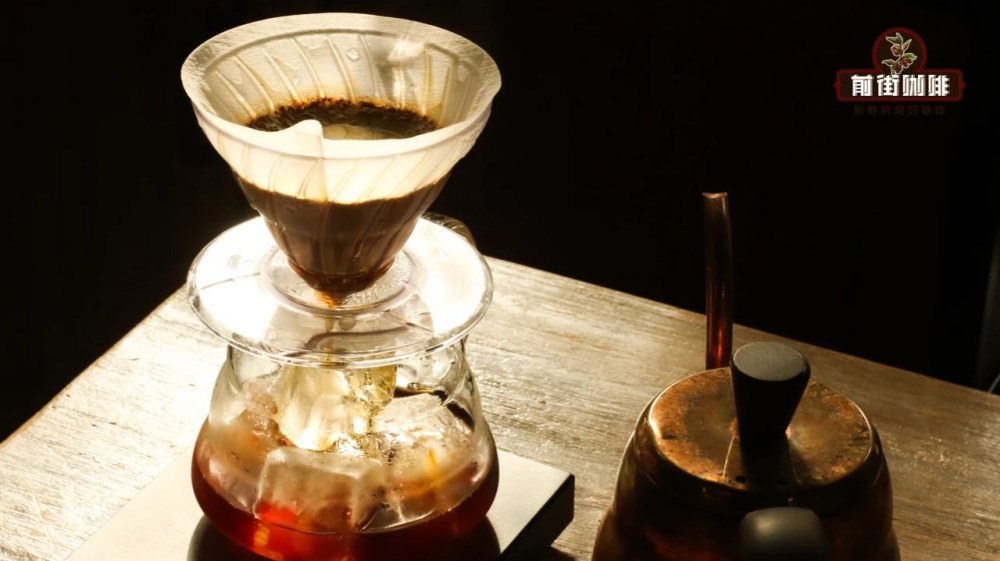
Full juicy mouthfeel cold brew coffee bean — Front Street Kenya Little Tomato
Front Street Kenya is known for its typical berry flavors, and after grinding the coffee, you can smell obvious little tomato and smoked plum aromas. After the coffee enters the mouth, this aroma becomes even more vivid, and together with the sweet-and-sour taste, it is like drinking a glass of freshly squeezed little tomato juice. In addition to little tomato, you can also perceive flavors of smoked plum, yellow sugar, plum, and berries, with a full mouthfeel and a long finish.
Tropical fruit aroma cold brew coffee bean — Front Street Colombia Sidra
Front Street Sidra coffee comes from Finca La Divisoria in the Huila producing region of Colombia. The Front Street Sidra coffee beans grown at 1,700 m elevation use a double anaerobic natural processing method. Because the flavor of Front Street Sidra coffee shows mouth-filling, rich passion fruit and grape notes, along with the clean sweetness of candied fruit and a mandarin-like acidity, and after swallowing there is still an almond-like finish in the mouth, it has successfully attracted many fans to repurchase.
Refreshing floral-and-fruity-style cold brew coffee bean — Front Street Panama Butterfly
This coffee bean comes from the Guji Uraga producing region of Ethiopia. The soil in this area is fertile black soil, and the coffee beans produced there have a rich fruit aroma. Using a washed process can highlight the coffee's clear floral and citrus flavors. The cold brew coffee Front Street makes with this bean presents a refreshing sweetness like yuzu tea.
2. Grind size and coffee-to-water ratio
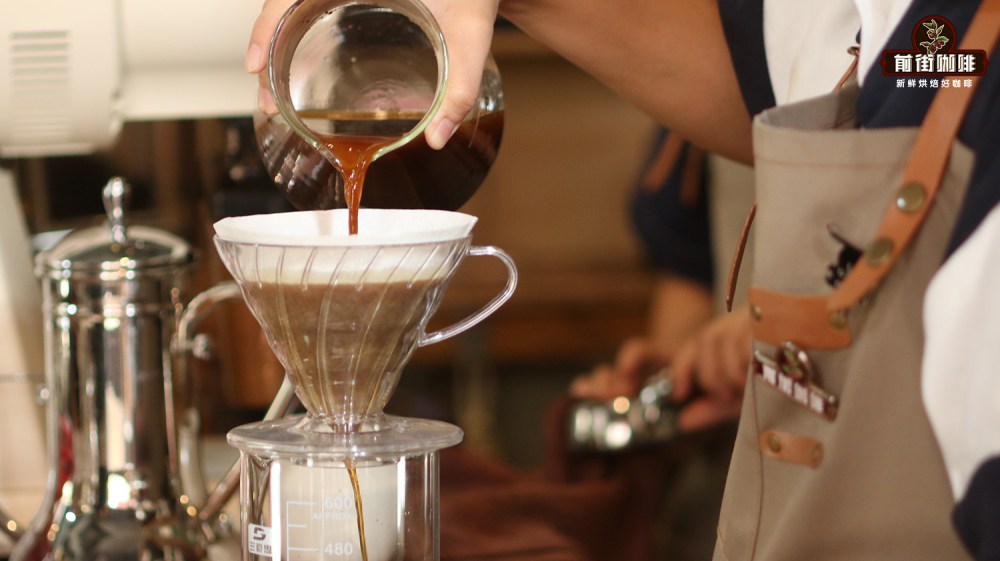
Just like pour-over coffee, the grind size for cold brew also needs attention. Grinding too coarse or too fine can easily make the coffee bitter or weak. Front Street recommends using a grind slightly finer than for pour-over, with an 85% passing rate through a No. 20 standard sieve as a reference. Concentration is also related to the coffee-to-water ratio. Front Street recommends 1:10–1:12. The extracted coffee can be drunk directly, or diluted with ice to a suitable concentration before drinking.
3. Steeping time and storage
Front Street usually starts steeping the night before, controlling the time at about 12–14 hours. The next day at the store, the coffee grounds can be filtered out to obtain the brewed coffee liquid. Front Street has also, due to forgetting, steeped it for more than a day, and as a result the coffee liquid was bitter and harsh, so everyone should pay attention to the extraction time to avoid waste. In addition, the space where coffee is stored will absorb various odors from the air. If it is placed in a home refrigerator, Front Street recommends choosing a container with good airtightness so that the flavor is not affected.
The above content is compiled by CoffeeHunters, a coffee news website.


