







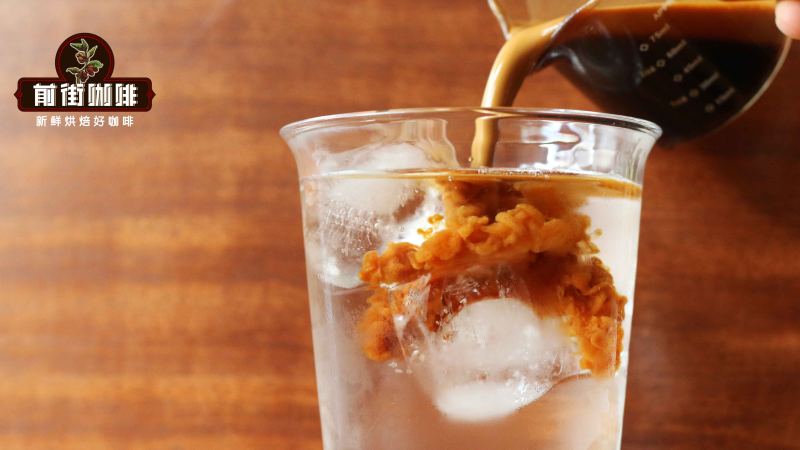
Which Beans Work Well With American Coffee Machines at Home?
An Americano is espresso plus water, and an iced Americano is espresso plus ice water, so the beans decide how the cup tastes. Traditional American drip coffee uses a large amount of water and little ground coffee, which is why it often tastes weak. Espresso-based Americano is richer and more aromatic and is faster to make than drip machines.
Choose beans to match personal taste and note that light-roasted beans are not suited to espresso. The article covers the history of the Americano, compares drip coffee with the espresso version, lists espresso blends with their extraction parameters, and gives the optimal tasting temperatures for different roast levels and the correct way to drink a black Americano.
Americano is typically made by adding water to espresso, while iced Americano is espresso with ice water, and the key to its flavor lies in the coffee beans used. This article starts with the historical origins of Americano, compares the differences between traditional American drip coffee and espresso-based Americano, and introduces several of Front Street Coffee's espresso blends and their corresponding extraction parameters. It also shares the correct way to drink black Americano, the optimal tasting temperatures for beans of different roast levels, and why light-roasted beans are not suitable for making espresso. This helps coffee lovers make a smooth cup of Americano at home.
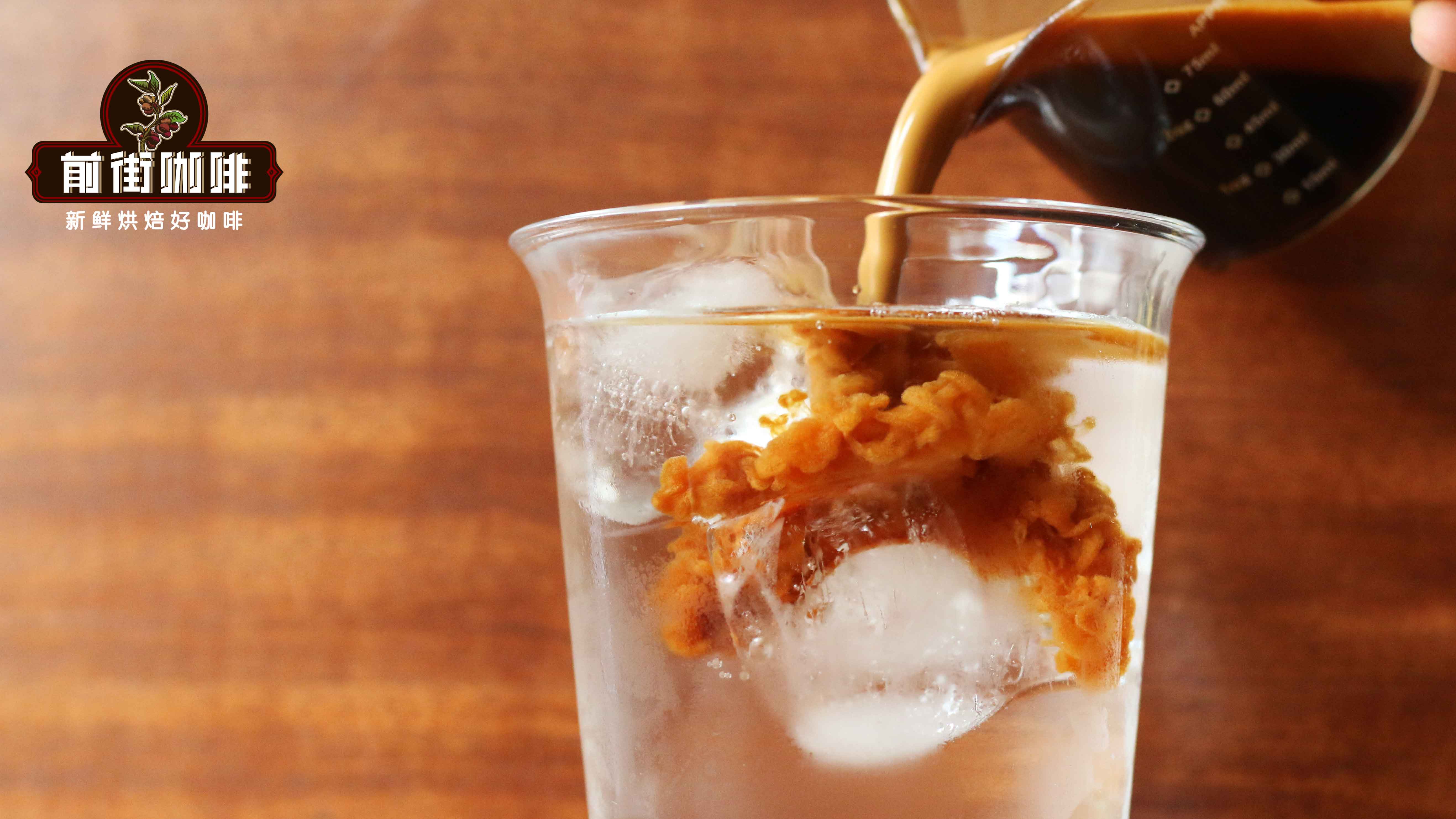
In most people's eyes, Americano is nothing more than espresso diluted with water—iced Americano is espresso plus ice water, hot Americano is espresso plus hot water—and the core factor determining whether an Americano tastes good is the coffee beans. Today let's talk about how to choose the right coffee beans according to personal taste when making Americano at home.
Americano truly began to be sold externally in espresso form only after Starbucks started promoting coffee beverages. Before that, what was called Americano in the United States mostly referred to a milder-tasting black coffee.
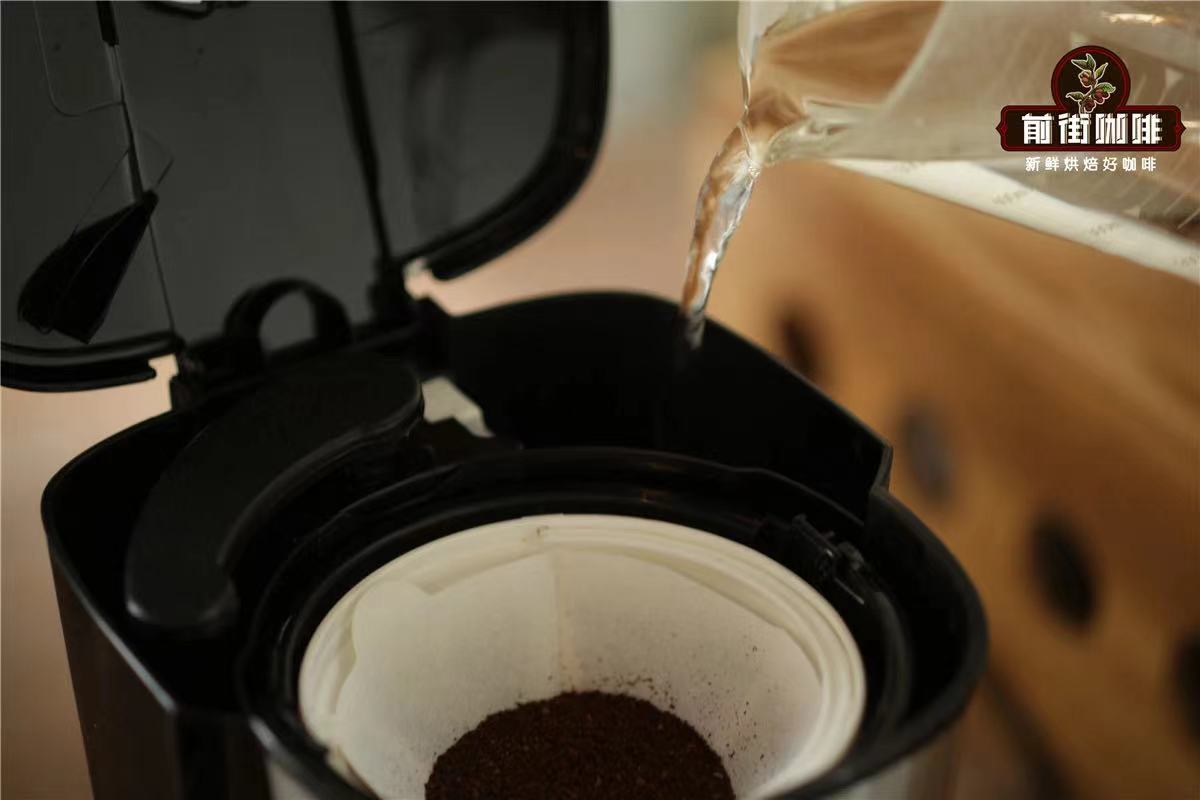
In the United States, preferences for coffee strength vary by region: people on the East Coast drink stronger coffee than those on the West Coast, and the South also prefers stronger flavors than the North. From an ethnic perspective, Southern European and Latino immigrants prefer stronger coffee than immigrants from Britain, Germany, and Northern Europe, while diluting espresso with water is a common drinking method in the western United States. Overall, Americans have a fast-paced, high-stress lifestyle and often keep a pot of electric drip coffee going from morning to night; because a large amount of water is used and little coffee grounds are added, the taste is especially weak, so many people complain that local Americano is hard to drink.
Is Americano made by adding water to espresso good?
Compared with Americano in the United States, Americano made by adding water to espresso is indeed richer and more aromatic, and it is faster to make than drip coffee machines, so it is loved by office workers around the world. With the rise of the specialty coffee wave, coffee shops today increasingly value the quality of espresso beans, and the flavor layers of coffee have become more abundant.
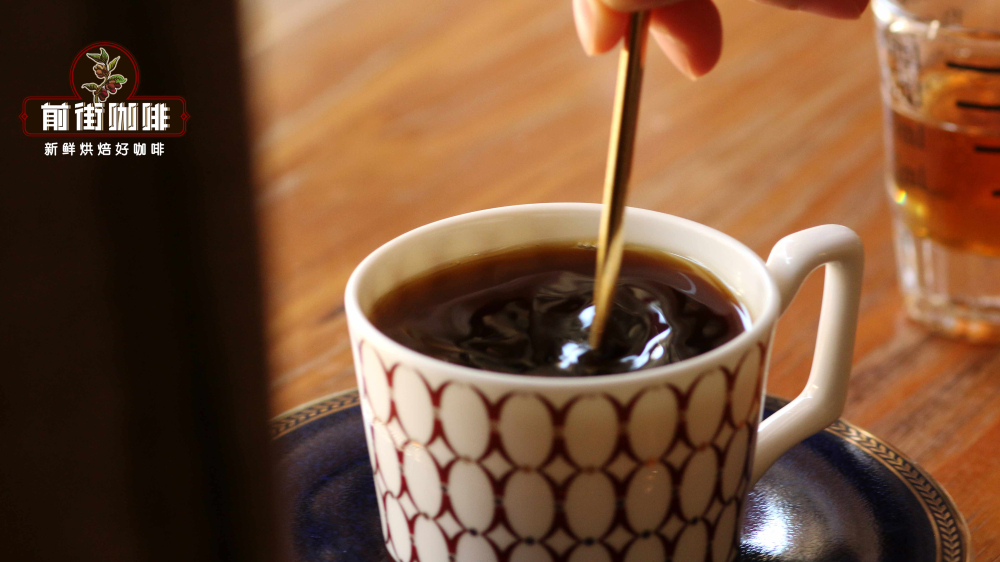
For example, the "Front Street Coffee Warm Sun Espresso Blend Coffee Beans" used in Front Street Coffee stores is a blend of Yirgacheffe natural red cherry and Honduras Sherry coffee beans. Front Street's recommended double espresso extraction parameters are: 20 grams of grounds extracting 40 grams of coffee liquid, then diluted with hot or ice water at a ratio of 1:4.5. Americano made this way has a full-bodied vinous aroma, a soft berry-like acidity, and a finish with hazelnut and dark chocolate notes.
The correct way to drink black Americano
Americano is loved by the public not only because it has moderate strength and an approachable taste, but also because drinking one cup in moderation every day can help with digestion, cut through greasiness, and relieve body bloating.
In the relatively hot Guangdong region, iced Americano can also help locals cool down and quench thirst, making it a summer weapon. In addition, iced Americano is very low in calories and can boost metabolism; drinking it one hour before exercise can also help burn fat, so it is recommended by many fitness enthusiasts. However, Front Street also reminds everyone that only pure Americano has these effects. If syrup, condensed milk, or non-dairy creamer is added, it will bring extra calories, and long-term consumption is also bad for health.
Front Street believes that the optimal tasting temperature for Americano depends on the flavors expressed by the espresso blend beans. If Americano is made with dark-roasted (not sour, high in body) blend beans, such as Front Street Specialty Blend, Front Street Commercial Blend, and Front Street Classic Blend, the optimal tasting temperature is around 60-70°C;
If Americano is made with medium-roasted (slightly sour, obviously sweet, with a certain body) blend beans, like Front Street Mozart, Front Street Bird of Paradise, and Front Street Strawberry Candy, the optimal tasting temperature is around 50-60°C;
And if Americano is made with medium-light roasted (bright acidity, fresh flavor) single-origin beans, then Front Street Flower Queen SOE coffee beans are recommended, and the optimal tasting temperature is 40-55°C.
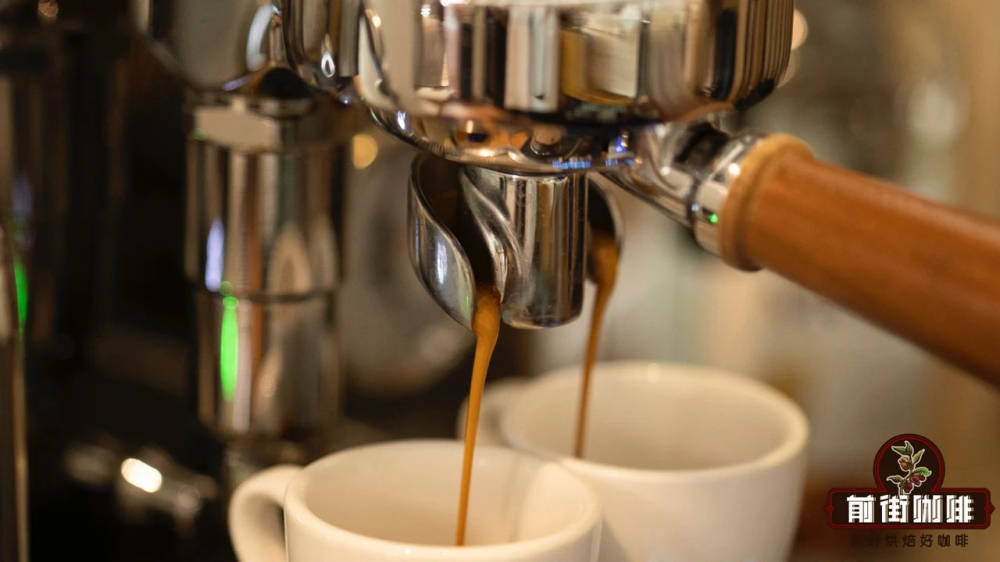
Because light-roasted coffee beans easily cause channeling and uneven extraction, Front Street does not recommend using this type of bean to make espresso.
The above content is compiled by CoffeeHunters, a coffee news website.


