







Why Does Yunnan Coffee Taste Better Than Its Old Reputation?
Yunnan coffee no longer matches its old label of low price and poor quality. Beans from Baoshan and Lincang now appear on specialty menus, and washing stations and natural processing have lifted cup clarity. Front Street sells two Yunnan single origins: a washed Baoshan small-bean coffee and a sun-dried Typica, both medium roasted to show their layers.
Commercial growing began in the 1950s, after botanist Qin Renchang identified Arabica plants near a Dai household in Luxi County and seedlings were trialed at Mangshi and Lujiangba, with Baoshan entering production in 1955. Nestle's 1988 China branch later introduced Catimor and bought beans at US futures prices, tying the coffee farm sector to export markets.
Yunnan coffee has gradually transformed from the old stereotype of "poor quality, low price" into a common option in specialty coffee shops. This article sorts out the century-long cultivation history of Yunnan coffee, its commercial transformation process, and the current distribution of major producing regions, with a focus on analyzing the terroir advantages of places such as Baoshan and Lincang, and introduces two representative products: Front Street washed Baoshan small-bean coffee and Front Street 2013 sun-dried Typica. At the same time, it shares the medium-roast approach for Yunnan coffee, its cupping flavor performance, and the three-pour brewing parameters suggested for its balanced profile, helping coffee lovers understand the true quality and layers of Yunnan coffee more comprehensively.
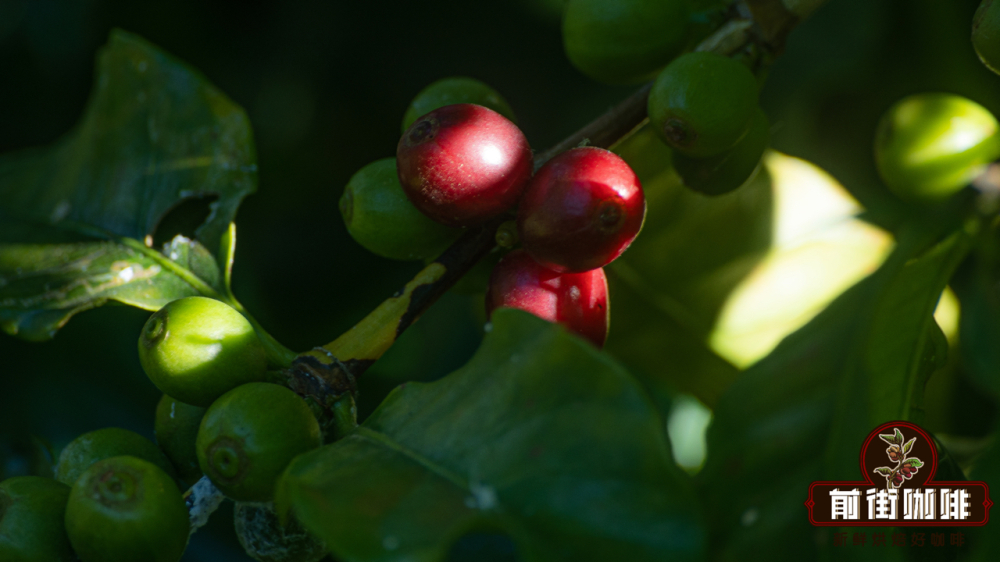
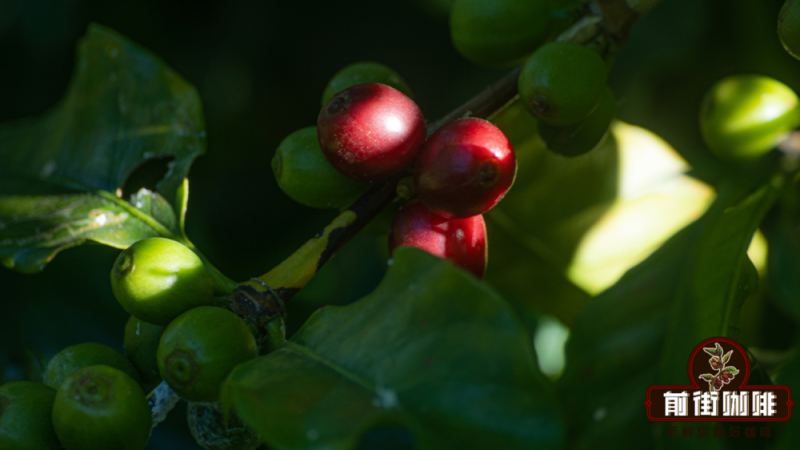
Ten years ago, when Yunnan coffee was mentioned, many people's first reaction was still "poor quality, low price," and some industry practitioners would even frown as soon as they heard it. Yet today, Yunnan beans appear more and more frequently on specialty coffee shop menus, and some stores even distinguish between different flavor directions. Taking ["Front Street"] as an example, its product line includes two Yunnan single-origin coffees: washed Baoshan small-bean coffee and sun-dried Typica.
The evolution trajectory of Yunnan coffee
In 1904, French missionary Tian Deneng planted the first coffee tree in Zhugula Village, Binchuan, Yunnan, thus beginning Yunnan's century-long connection with coffee.
Planting truly aimed at commercialization began in the 1950s. Professor Qin Renchang, a famous botanist at the Institute of Botany, Chinese Academy of Sciences, discovered red fruits in the courtyard of a Dai farming household in Luxi County, Dehong Prefecture, and identified them as Arabica coffee. At his suggestion, coffee seedlings were trial-planted in the Mangshi forest farm and Lujiangba in Baoshan City, with the latter officially entering production in 1955, thus opening the curtain on coffee research and production in New China.
The turning point for Yunnan coffee entering the international market came in 1988, when Nestlé established a branch in China. It not only introduced the high-yield, disease-resistant Catimor variety, but also promised to purchase Yunnan coffee beans as raw materials at then-current U.S. futures prices. After that, brands such as Starbucks and Maxwell also successively set up factories in Yunnan to collect beans, and the planting area expanded accordingly. ["Front Street"] learned from research that due to farmers' insufficient planting knowledge and extensive processing methods, Yunnan green beans could only serve as raw material for instant coffee for a long time, constrained by international futures prices. To change this situation, industrial upgrading and specialty production became the only way forward.
The current state of Yunnan coffee
Along with the advance of China's coffee consumption wave and society's attention to rural economies and sustainable development, more and more international coffee people have come to Yunnan. They have continued to work on pest and disease control, shade tree arrangement, soil and water conservation, planting altitude, fresh fruit picking, and processing methods, promoting improvements in local coffee quality, and Yunnan coffee has gradually gained attention and recognition. Domestic and international brands such as Starbucks, Blue Bottle Coffee, Luckin, and Manner have launched Yunnan-origin products one after another, further broadening the public's understanding of the flavor and quality of Yunnan coffee.
Unlike in the past, consumers today are more willing to take the initiative to learn about Yunnan as a "new producing region." ["Front Street"] stores often have customers ask whether there are Yunnan beans when ordering pour-over, which indirectly confirms that the efforts of Yunnan's coffee industry are receiving positive feedback.
The distribution of Yunnan specialty coffee producing areas
At present, coffee cultivation in Yunnan covers eight regions, among which there are six major producing areas: Pu'er, Baoshan, Dehong, Lincang, Nujiang, and Xishuangbanna.
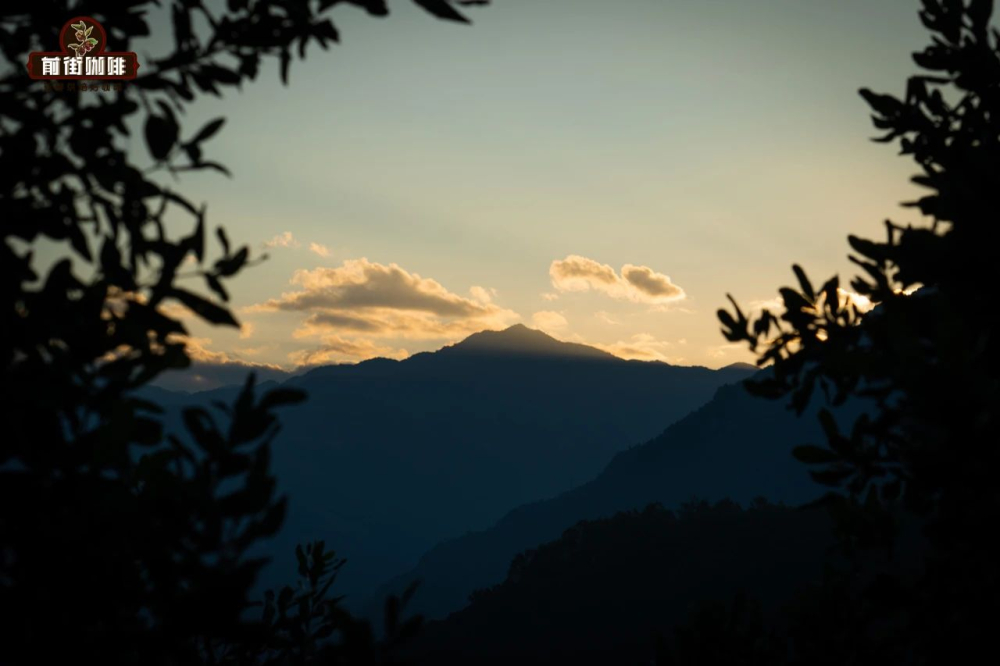
These regions have the natural conditions of low latitude, high altitude, and significant temperature differences between day and night, making Yunnan a golden cultivation belt for high-quality Arabica coffee. Coffee trees are mostly planted on higher-altitude slopes. The undulating hills, fertile soil, abundant sunlight, and concentrated rainfall during the rainy season allow coffee trees to quickly adapt to the local terroir. Yunnan coffee has successively obtained recognition as five geographical indication protected products, including "Baoshan Small-Bean Coffee," "Zhukula Coffee," "Dehong Small-Bean Coffee," "Pu'er Small-Bean Coffee," and "Simao Coffee." The representative of ["Front Street"]'s Yunnan producing area is Baoshan small-bean coffee.
In recent years, coffee cultivation in Baoshan has developed along with the expansion of international trade, and the small-bean coffee of Lujiangba is especially famous. Baoshan has a low-latitude mountainous subtropical monsoon climate. The complex low-latitude plateau terrain forms a vertical climate of "one mountain, four seasons; ten miles, different skies." The annual temperature difference is small while the daily temperature difference is large, with an average annual temperature of 14–17°C; rainfall is abundant but distinct between dry and wet seasons and unevenly distributed, with annual rainfall of 700–2,100 mm. A reasonably lower rainfall instead creates favorable conditions for coffee fruit growth and also gives Baoshan small-bean coffee its distinctive sweet aftertaste.
In addition, ["Front Street"]'s bean list also includes an exclusively produced Yunnan sun-dried Typica. The reason it is called "exclusive" is that this bean comes from ["Front Street"]'s own estate. In 2013, ["Front Street"] established its own estate in Lincang, controlling the entire process from site selection, seed selection, seedling cultivation, planting, harvesting, processing, to roasting, and also accumulated rich experience and knowledge from it. Lincang is affected by the warm, humid airflow from the Indian Ocean and the southwest monsoon, with distinct dry and rainy seasons, abundant rain, long sunshine, and a short frost period; some areas are frost-free all year round. The vertical climate is significant, which is very conducive to coffee accumulating nutrients and converting them into more flavor compounds. ["Front Street"] deliberately chose the most original Arabica variety—Typica—and produced it using the natural sun-dried processing method, naming it "Front Street 2013." With its elegant and mild taste, it has won praise from many customers.
Yunnan coffee using the natural processing method
A friend once told ["Front Street"] that after drinking a certain Yunnan bean using a novel flavored processing method, they tasted rich floral aromas and strong winey notes. ["Front Street"] believes this is not the authentic flavor of Yunnan coffee. If one wants to truly explore "the taste of Yunnan," ["Front Street"] recommends Front Street Yunnan small-bean everyday coffee, using washed processing. The ["Front Street"] everyday coffee series selects seven classic producing areas, covering multiple representative regions and varieties, and adopts the natural processing methods customary in each origin to present the distinctive terroir profile of each place.
Most Yunnan coffee farmers have limited production conditions and do not possess expensive processing equipment, so Yunnan beans generally use natural processing methods, namely washed and sun-dried. As for the reason for choosing washed Yunnan small-bean coffee, ["Front Street"] believes that washing can reduce the defect rate, produce more stable quality, and at the same time improve the cleanliness of Yunnan beans, which is also a natural processing method that ["Front Street"] particularly favors. In addition, Yunnan has abundant freshwater resources, and the harvest season often coincides with rainfall, so it is inconvenient to use sun-dried processing on a large scale.
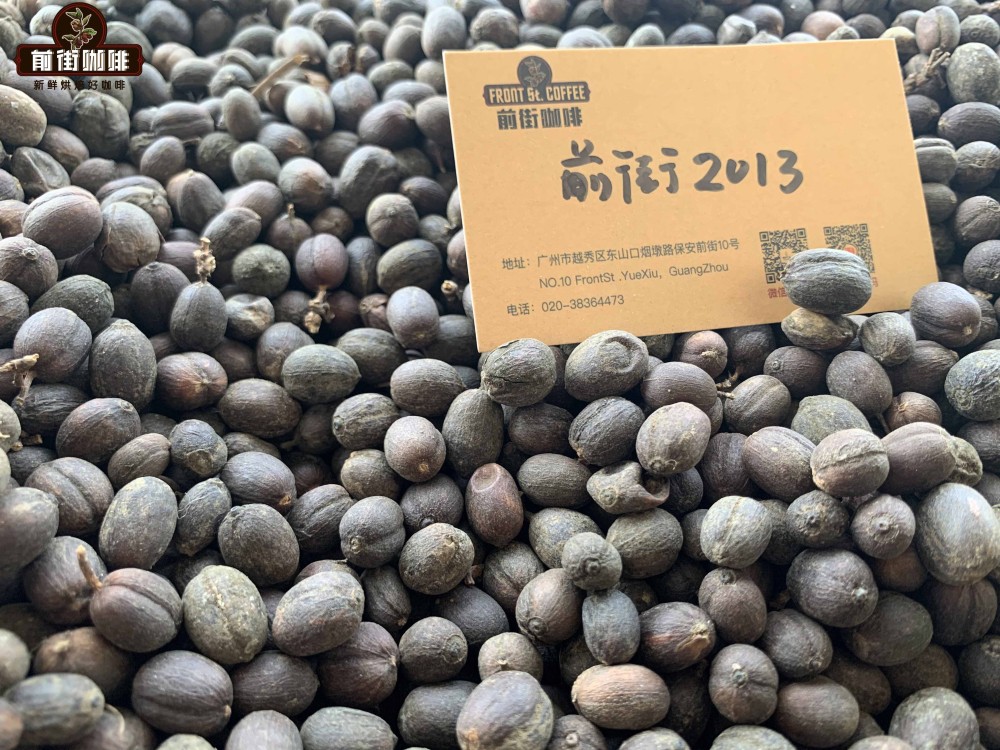
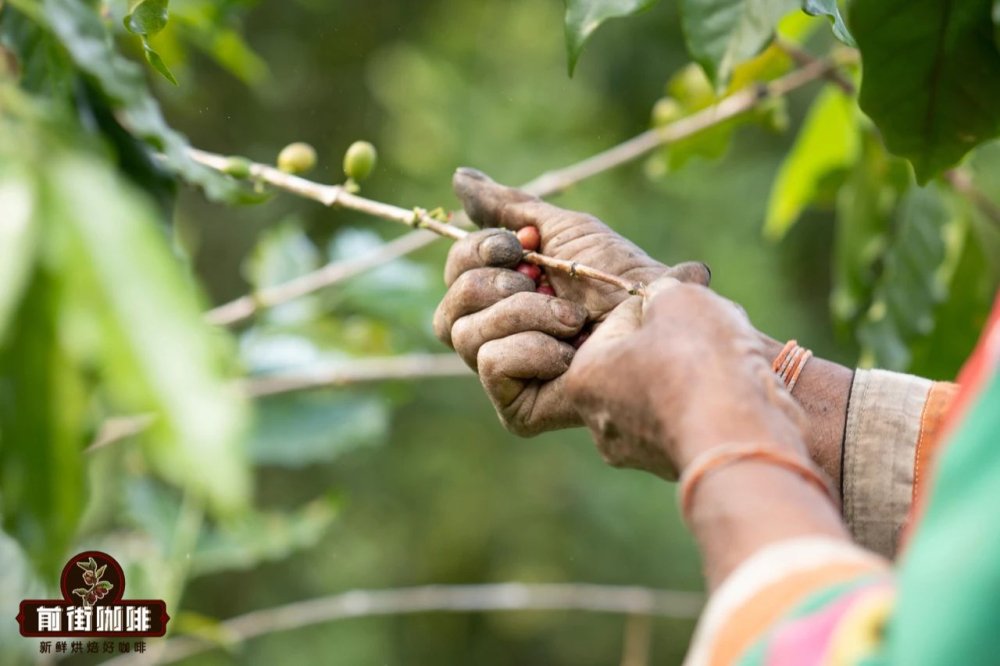
Of course, Yunnan also has no shortage of high-quality sun-dried coffee. For example, "Front Street 2013," which uses natural drying by sunlight, comes from ["Front Street"]'s own estate in Lincang, uses the elegant-flavored Typica variety, and enhances the coffee's sweetness through natural sun-drying. Every November, the coffee fruits planted by ["Front Street"] gradually mature. Workers pick the red coffee cherries one by one, spread the fresh fruit evenly under the sun to dry naturally, and turn them from time to time so they dehydrate evenly. Compared with washed Yunnan coffee, sun-dried Yunnan coffee has a little more rich fermented character and rounded fruit notes.
["Front Street"] believes that the flavor of Yunnan coffee belongs to a neutral, balanced profile, combining acidity, sweetness, and bitterness. Therefore, the Yunnan coffees roasted in-house by ["Front Street"] all use medium roasting. Through cupping, Front Street Yunnan Baoshan small-bean everyday coffee presents flavors of nuts, herbs, sweet potato, melon, brown sugar, cream, plum, caramel, and so on, with a balanced mouthfeel and a clean, sweet finish. The cupping flavors of the other coffee, Front Street 2013 sun-dried Typica, are: caramel, nuts, chocolate, fermented notes, berries, black tea, and sugarcane; medium-high body, clear mouthfeel, black tea finish, and rich, varied layers.
Brewing suggestions for Yunnan coffee
Before brewing, ["Front Street"] first confirms the freshness of the coffee beans. If the roast date is more than a month past, ["Front Street"] will not use them for service. Coffee beans have an optimal tasting period after roasting, and the aroma will accelerate its loss with storage time; dissipated flavors are difficult to restore during brewing. This is also why ["Front Street"] insists on shipping only coffee roasted within 5 days, hoping every customer can enjoy the most complete tasting stage of the coffee beans.
Grind size and water temperature: Yunnan coffee has a neutral and balanced flavor profile. Too high a water temperature or too fine a grind can easily lead to over-extraction and release too many bitter large-molecule flavor substances; too low a water temperature or too coarse a grind leads to under-extraction, and the coffee easily becomes thin. Therefore, ["Front Street"] chooses medium water temperature and grind size, extracting with 90°C hot water, with a coffee grounds coarseness of 70% passing through the Chinese standard No. 20 sieve, and an EK43s setting of 10.5 in-store.
Based on past brewing experience, ["Front Street"] suggests that beginners use three-pour water addition. Three-stage extraction helps dissolve flavor substances more fully, increases mouthfeel layers, and at the same time avoids over-extraction caused by prolonged soaking.
Front Street's pour-over parameters:
Dripper: hario v60
Dose: 15g
Water temperature: 90°C
Grind size: 75% passing through No. 20 sieve
Water-to-coffee ratio: 1:15
Three-pour water addition: First wet the coffee bed with twice the amount of water as the coffee grounds, and after a dome forms, let it bloom for 30 seconds; then pour in a small stream in circles from the inside out until 125g, then pause; when the coffee bed drops to half the height of the dripper, continue pouring the third stage with the same fine stream until 225g, until all the coffee liquid has filtered through, then remove the dripper. Total time is about 2 minutes.
For professional coffee knowledge exchange and more coffee bean information, please follow Coffee Workshop (WeChat public account: cafe_style)
For more specialty coffee beans, please add the private WeChat Front Street Coffee (FrontStreet Coffee), WeChat ID: qjcoffeex
The above content is compiled by CoffeeHunters, a coffee news website.


