







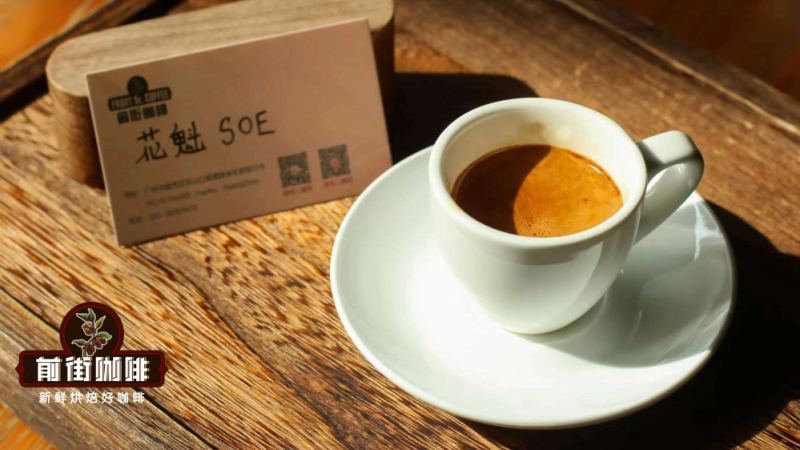
What is SOE coffee, and how is it extracted differently?
SOE coffee is espresso made from single-origin beans rather than a blend. Roast level follows the bean itself, often light, so the cup leans toward floral and fruity notes with light acidity and a soft mouthfeel instead of the bitter, pungent profile people expect from traditional dark-roast espresso. Prices tend to run higher than standard espresso because of that.
Dialing in soe beans means adjusting the coffee-to-water ratio, extraction time, and grind size to suit the bean, then fine-tuning the recipe before building an Americano or latte. Single origin here means a traceable producing region, not a single variety, since many origins blend several varieties. Tested picks include Yirgacheffe Red Cherry Natural, Costa Rica Mozart, and Colombia Sidra.
What is SOE? Simply put, it is espresso made from single-origin single-origin beans, and it differs from traditional espresso blends in both flavor and pricing. This article will answer in turn: whether SOE or blended espresso is better; how to set the coffee-to-water ratio, time, and grind size when extracting single-origin espresso; and how to fine-tune the extraction plan before making Americano or latte. At the end, it also includes three SOE beans selected through actual testing by Front Street Coffee—Yirgacheffe Red Cherry Natural, Costa Rica's Mozart, and Colombia's Sidra—for coffee lovers to reference when choosing.
To learn more about specialty coffee, welcome to follow Front Street Coffee.
So-called single-origin coffee refers to coffee made from only one kind of coffee bean, such as Front Street's Colombia Huila, Kenya AA, and Indonesia Mandheling, among others. It should be noted that "single origin" emphasizes a traceable source from a certain producing region, not the coffee variety—after all, beans from many origins are themselves mixed with multiple varieties. For example, Front Street's Yirgacheffe is known for white floral notes and citrus flavors, while Front Street's Kenya Little Tomato naturally has berry aromas. The SOE discussed in this article is precisely espresso made using this kind of single-origin bean as raw material.
Unlike the blended coffee we are familiar with, S.O.E stands for Single Origin Espresso, meaning espresso from a single origin, that is, espresso made using only coffee beans from the same producing region. Whether in flavor expression or price positioning, it will refresh our previous fixed perceptions of espresso.
Traditional espresso mostly uses dark-roasted beans, then combines beans from multiple producing regions so that every cup of espresso has a stable flavor, but the mouthfeel tends to be strong. S.O.E is different: the roast level is determined by the characteristics of the bean itself, the raw material uses only coffee beans from a single origin, and it is mostly light-roasted beans that showcase floral and fruity aromas. Therefore, drinking espresso is no longer the bitterness and pungency we expect; instead, it is replaced by light acidity and a soft mouthfeel, though the price will accordingly be a bit higher.
Is SOE necessarily tastier than ordinary espresso? Not necessarily—both have their strengths and weaknesses. First, look at several characteristics of the third wave of coffee: emphasis on bean freshness, an overall lighter roast level, a preference for single-origin beans (making origin information open and transparent), and greater attention to specific descriptions of bean flavors. Using single-origin beans roasted lighter than blend beans to make espresso can indeed allow the coffee to show richer flavor layers, and it will not be as limited to monotonous notes like nuts and cocoa as blends are.
However, not all light-roasted single-origin beans are suitable for making SOE. Coffee beans are essentially an agricultural crop, and once the climate and soil conditions in each place change from year to year, the taste of the beans will also fluctuate. Moreover, the flavor attributes of each producing region are different: a bright lemon-like acidity and a honey green tea-like aftertaste can be shown in pour-over, but when switched to a pressurized extraction scenario, it may become sharply sour and prickly, with an overall thin mouthfeel and insufficient body.
The reason blending emerged is precisely that when relying only on beans from the same producing region, under the dual influence of extremely fine grinding and pressurized extraction by the coffee machine, both the good and bad flavors in the coffee are amplified together. So people thought of using the unique flavors of beans from different origins to make up for each other's shortcomings, so that the finally extracted coffee performs in a more balanced way.
Besides, everyone's preference for coffee is different: some love richness and body, while others prefer a refreshing sweet acidity, so there is no right or wrong between SOE and blends. Front Street Coffee believes that SOE's advantage is that friends who love milk coffee can also taste the rich flavors in the coffee; its shortcoming is that the condition of the beans changes every day, making it difficult to guarantee stable espresso quality over the long term, and the cost investment is also greater.
By contrast, the advantage of blend beans is that even if the flavor of beans in a new harvest season changes, the espresso can continue to maintain a stable taste by adjusting the formula proportions; the shortcoming is that stability can only be maintained by dark roasting, and one has to give up rich flavors, though the cost is relatively lower.
How exactly should SOE be extracted? Extracting SOE is a great test of a barista's skill. It requires considering the bean's roast level and gradually adjusting various parameters to obtain the best extraction effect, so there is no set of reference values that can be copied directly. In past experimental extractions, Front Street Coffee observed that the extraction time and flow rate of single-origin beans tend to be faster than those of blend beans.
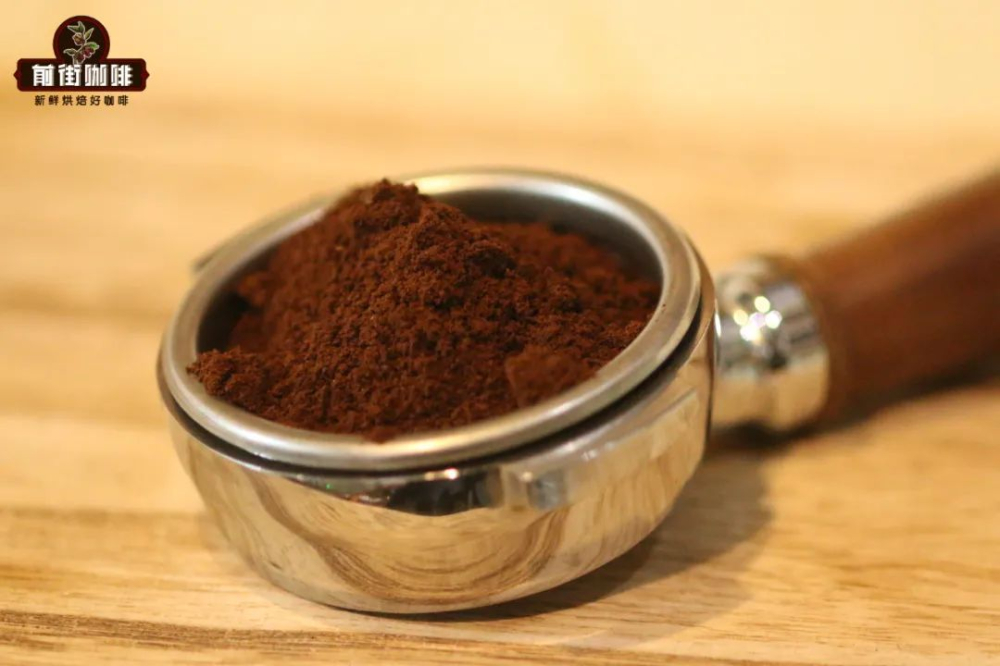
In fact, making a good cup of SOE is not that difficult; the approach is the same as routinely dialing in espresso: the first step is still to apply the basic formula of "coffee-to-water ratio 1:2," while limiting the extraction duration to between 25 and 35 seconds, and for grind size, see whether the flow rate can fall within this time range.
In practice, you can use 20 grams of Front Street Huakui SOE coffee grounds to extract 40 grams of coffee liquid (if switched to 18 grams of grounds, it corresponds to 36 grams of liquid). If the extraction time is far less than 25 seconds, it means the grind is too coarse and needs to be adjusted finer; if the coffee liquid finishes flowing in around 30 seconds, it means the coarseness of the grounds is basically suitable, and the setting need not be changed again.
Since SOE will mostly end up being made into fancy coffees such as Americano, latte, or flat white, after the espresso plan is finalized, we also need to combine it with its own flavor profile and make some slight adjustments to the extraction plan in advance.
If you use medium or medium-light roasted Ethiopian beans, with origin flavors featuring floral notes, bright fruit acidity, and fresh notes like berries, the espresso produced often has thin crema, and may even have no crema. At this time, you can increase the dose by 0.3 to 0.5 grams to supplement the aromatic substances in the coffee. For example, Front Street uses 20.5 grams of Huakui SOE grounds and extracts 40 grams of coffee liquid in 31 seconds as the base. The Americano made from this presents a refreshing sweet-and-sour taste, and the coffee concentration of the latte will likewise be increased, allowing people to more fully experience the aroma of the espresso blending with milk.
Regarding the choice of SOE coffee beans, although Front Street's store currently does not offer SOE drink options, it also continually tries making SOE with various single-origin beans in daily practice. After extensive testing, Front Street Coffee selected the following three single-origin beans suitable for making SOE:
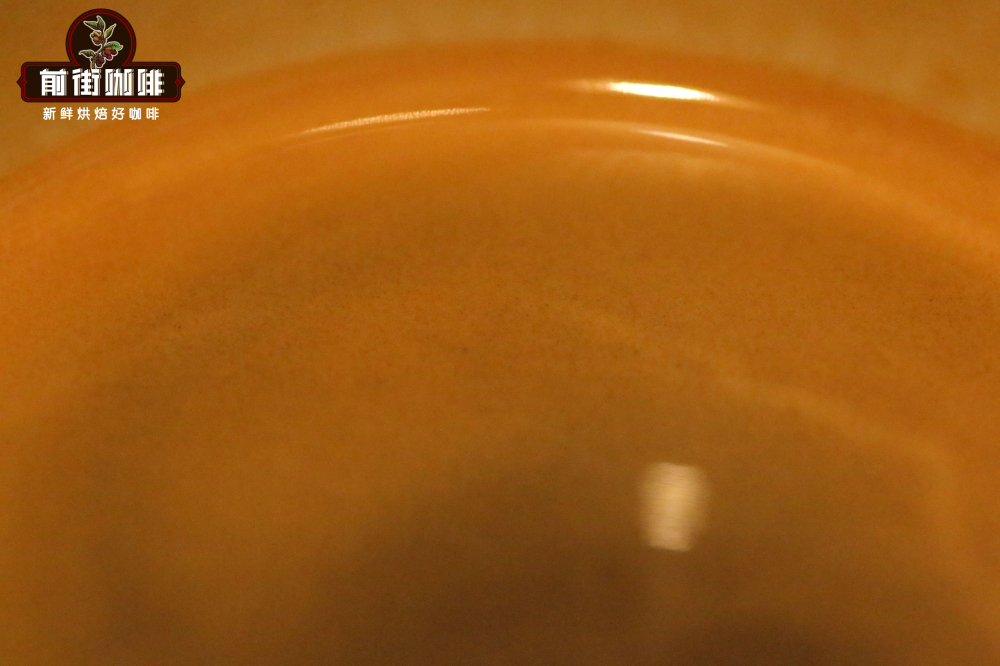
The first: Front Street's Yirgacheffe Red Cherry Natural coffee beans (produced in Ethiopia). The espresso extracted from this light-roasted bean has delicate and light crema on the surface, a pale yellow color, and smells of sweet berry aromas. On the palate it is not overly stimulating to the taste buds, presenting the sweet-and-sourness of berries and a caramel texture.
The second: Front Street's Mozart coffee beans (produced in Costa Rica). Medium roast. Its espresso crema is likewise delicate and light, pale yellow, and smells of raisins. On the palate one can feel a rich sweet-and-sour texture, accompanied by fruit-fermentation-like flavors.
The third: Front Street's Sidra coffee beans (produced in Colombia). If you want to extract espresso with fruity aromas, medium-roasted beans are the first choice. Here Front Street's Sidra is recommended. Everyone can directly place an order at Front Street's Taobao store or Front Street's flagship store on Tmall. This coffee comes from Finca La Divisa in the Huila producing region, grown at an altitude of 1,700 meters, and uses a double anaerobic natural processing method, with very rich flavors such as grape, passion fruit, and citrus; after being made into SOE Sidra Americano, you can taste a refreshing yet clear grape juice profile, cold and easy to drink, very pleasant.
The above content is compiled by CoffeeHunters, a coffee news website.


