







Is SOE Coffee Really Better Than a Blend?
SOE coffee stands for Single Origin Espresso, an espresso pulled from beans of one origin rather than a blend. It became a signature of many independent cafes because a single origin is easy to recognize and often carries a distinct character, but that distinctiveness also magnifies both the strengths and the weaknesses of one bean.
Blend coffee combines beans from several origins, which steadies flavor and can still be made entirely from specialty lots. Choosing between them comes down to use, equipment and taste. African medium roasts suit drinkers who want floral notes, American medium roasts bring sweetness, and medium-dark Central, South American and Asian beans reduce acidity.
This article reviews the origin and current status of SOE (Single Origin Espresso), pointing out that although it has become a highlight of independent cafes due to its distinctive character, it is not absolutely superior to traditional blends. The article explains that blended beans are composed of beans from multiple origins, can provide stable flavor, and can be made entirely from specialty beans, while SOE magnifies and reveals the strengths and weaknesses of a single origin, placing higher demands on roasting and extraction. For different preferences and uses, the editor gives recommendations for Front Street brand SOE and blended beans: for fresh floral notes, choose African medium roast; for high sweetness, choose American medium roast; for those who dislike acidity, choose Central and South American and Asian medium-dark roast; for commercial and home blends, there are three options: Specialty, Commercial, and Black Cocoa. Finally, it suggests how to choose from three aspects: use, equipment, and taste, emphasizing that it is worth asking the barista more questions and trying for yourself.
●SOE stands for Single Origin Espresso, meaning espresso extracted from coffee beans of a single origin.
In earlier years, the concept of single-origin coffee was not yet widespread, and coffee-making techniques and flavor profiles were not as mature as they are today. At that time, there was no such thing as SOE. The espresso base served by shops was usually a blend obtained by the roaster selecting beans from different regions with different characteristics and roasting them together (or roasting them separately and then mixing them), using the traits of various beans to layer into a well-rounded taste.
In recent years, as the single-origin trend has risen, many cafes have added a "single origin" column to their menus and even introduced SOE extracted from single-origin beans.
With its novel concept, relatively high price, distinctive style, and strong recognizability, SOE coffee has even become the signature of some independent shops. This has also led many customers to mistakenly believe that SOE is superior to conventional blends (House Blend Espresso). If you want to make SOE with a home machine, you might start from the following three aspects:
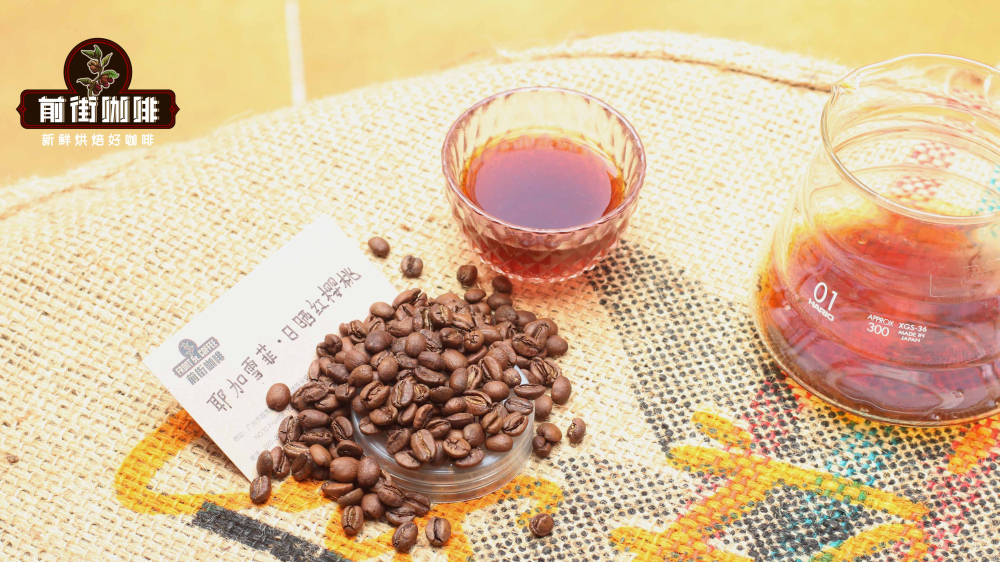
SOE coffee bean recommendation: for those who love elegant floral notes, choose medium-roast African beans. Top recommendations are Front Street Red Cherry Yirgacheffe SOE and Front Street Grana Geisha SOE.
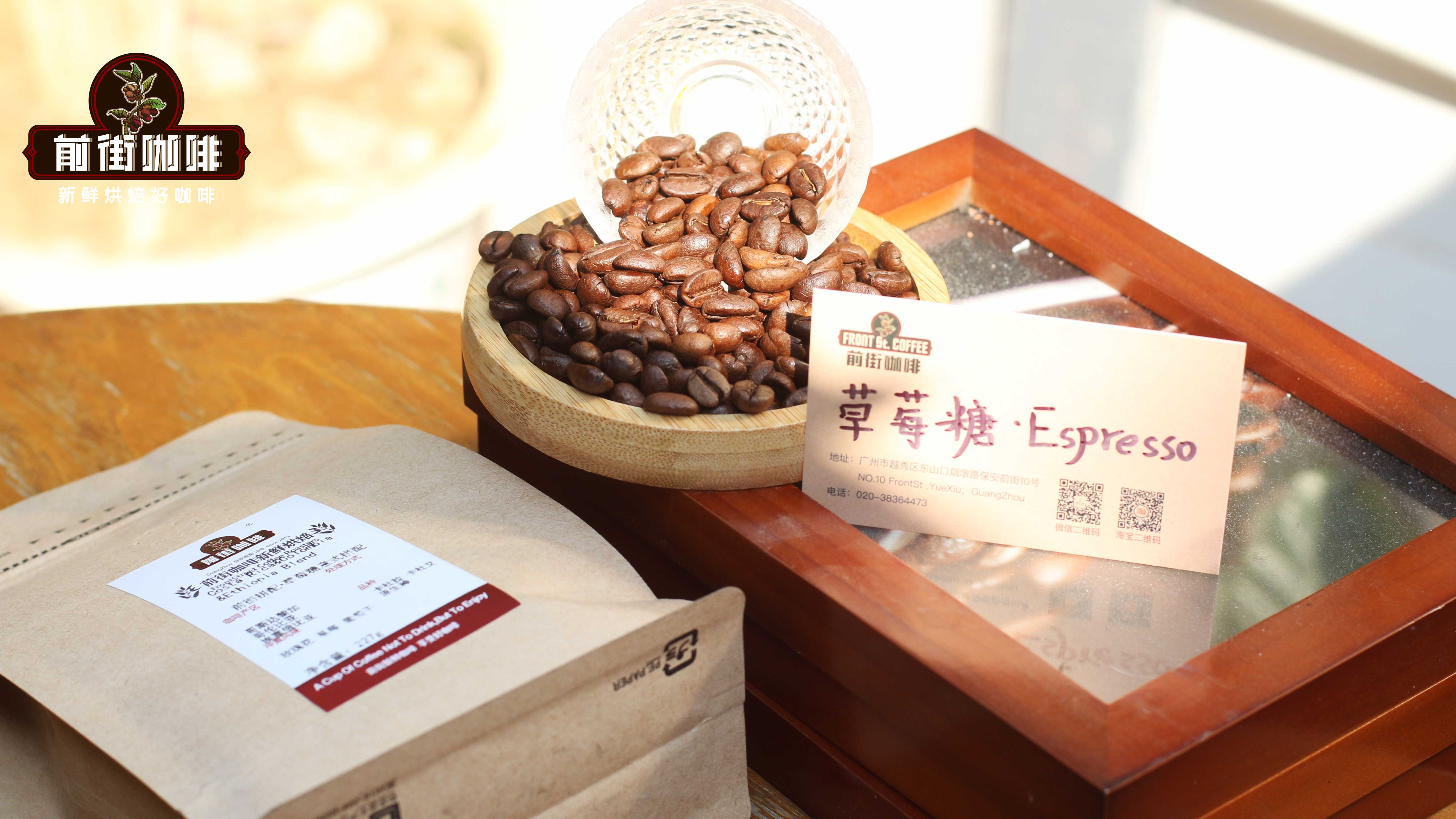
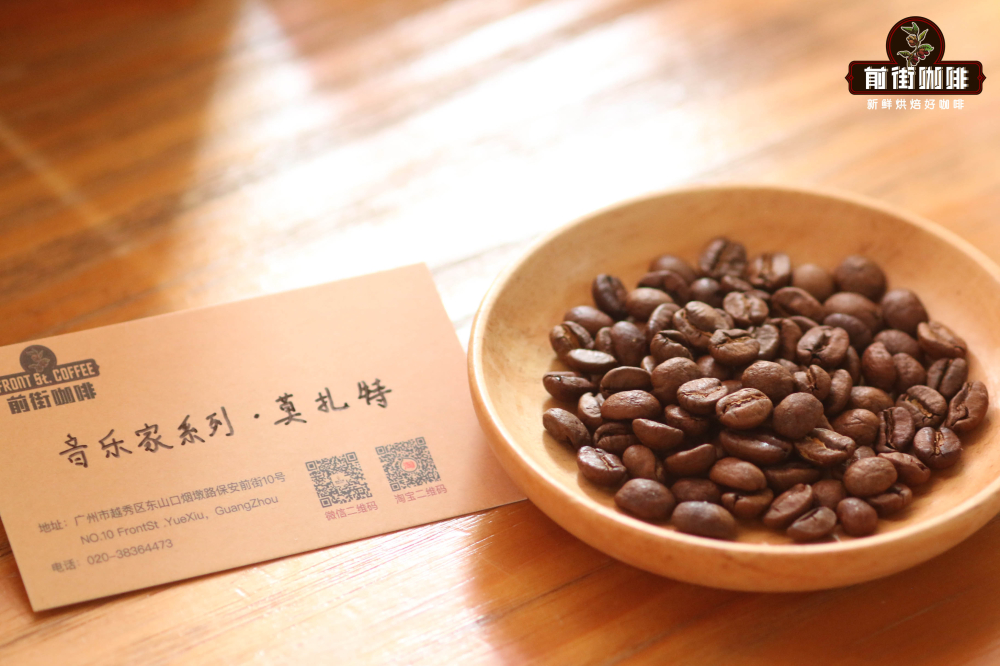
SOE coffee bean recommendation: for those who prefer high sweetness without bitterness, try medium-roast American beans. Recommendations are Front Street Blackberry-Costa Rica, Front Street Mozart-Costa Rica, and Front Street Strawberry Candy-Gesha Blend.
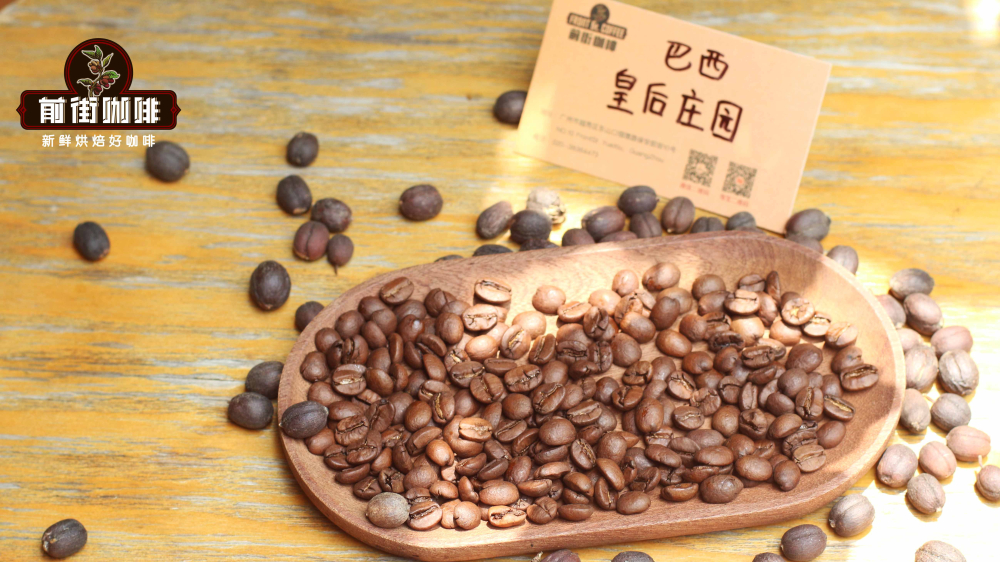
SOE coffee bean recommendation: if you dislike acidity, choose medium-dark roast South American and Asian beans. Choose Front Street Queen's Estate-Brazil, Front Street Colombia Washed, and Front Street PWN Golden Mandheling.
●Blends are not necessarily inferior
Traditional Italian-style coffee beans are made from a blend of many types of beans; a bag of beans in Italy can contain several or even dozens of types. Many people feel that "blend" sounds inferior, thinking it is a random mix of beans of unknown origin, but in fact a blend can also use only specialty beans, and the taste can be equally excellent.
The greatest advantage of a blend is consistent flavor. When a certain bean changes in quality, decreases in yield, or increases in price, the roaster can replace it with a similar bean without changing the overall impression. Before setting the recipe, you must first define the expected acidity, sweetness, bitterness, and body to be presented. Most shops have their own Signature Blend, and the flavor is not inferior to single origin.
Some people mistakenly believe that blends only show layering in espresso and are not important for milk-heavy drinks in the Chinese market. In fact, a good blend should make it easy for those drinking espresso, milk coffee, or americano to recognize the shop's flavor profile and layering.
Whether connoisseurs or untrained customers can all enjoy high quality—that is the spirit of specialty coffee.
●SOE coffee beans are not necessarily better
Single origin is exactly the opposite of blending: it uses only beans from the same region to appreciate their unique character, giving people the chance to directly choose a distinct flavor rather than a fixed combination. Although SOE is not necessarily equivalent to specialty coffee, choosing beans with easily recognizable flavor as the base can produce a typical espresso. For example, the citrus notes of Front Street Yirgacheffe and the berry notes of Kenya are amplified by the espresso method, making specific characteristics more prominent than in pour-over.
However, although SOE is eye-catching, because it comes from a single origin, its shortcomings are also magnified, and roast level and grind all affect the flavor. Without excellent beans, SOE easily becomes poor and is hard to mask. Therefore, in practice, the technical requirements for each stage are strict, which is also why its price is often higher than ordinary espresso.
Fundamentally, SOE is just a general term for espresso from roasted beans of a single region; it does not define the raw variety, roasting information, or extraction method, and it does not indicate quality level. It is meaningless to judge it simply as good or bad, so SOE is not necessarily better than a blend. Find what you love, and do not decide based only on single origin or blend. Next time, you can ask the barista about the bean's flavor and roast level, and try more before finding your favorite.
●Single origin or blend, how to choose?
Use
For commercial use such as restaurants and offices, blends are preferred because they are less affected by weather and harvest and have stable flavor year-round. Single origin is prone to variation with conditions, brewing is prone to deviation, and the daily taste may differ. A unique blend helps restaurants, hotels, and cafes establish an image. Specialty shops most often choose three blends:
"Front Street Specialty Blend Coffee Beans" are suitable for home/office use and specialty community coffee shops. Colombia washed coffee beans + Brazil semi-washed coffee beans have flavor notes of nuts, dark chocolate, and caramel, and also provide a comfortable bittersweet taste. Paired with milk to make a latte, it goes down smoothly, latte art is stable, and the roasting aroma is rich. Making a Dirty not only presents a beautiful layered look, but the surface of the coffee also retains a dark brown "tiger stripe."
"Front Street Commercial Blend Coffee Beans" are suitable for all types of coffee shops. Colombia washed coffee beans + Brazil semi-washed coffee and a small amount of Robusta coffee beans have flavor notes of nuts, cocoa, and caramel. Compared with other espresso coffees, Front Street Commercial Blend uses the typical combination of Brazil and Colombia, then adds a small amount of Robusta to add to the original flavor layering. The coffee shows complex nutty aromas such as toasted bread, almond, and walnut, with good crema fluidity, a low-acid and full-bodied taste, and, with its price advantage, is undoubtedly the best choice for opening a shop.
"Front Street Black Cocoa Blend Coffee Beans, recommended by many baristas" are suitable for all types of coffee shops, bakeries, beverage shops, and home coffee machines. Yunnan washed small-bean coffee beans + Brazil semi-washed coffee beans combine the acidity of ripe plums with nutty notes. When ground into powder, they release the aroma of creamy chocolate and cocoa cookies. The taste is balanced, and the crema has a golden luster. It is very suitable for friends opening a shop or for home use.
02
Brewing equipment
Equipment also matters. Semi-automatic and fully automatic machines mostly use blends, especially because fully automatic grinders are usually not suitable for high-density light-roast beans. Conversely, with a pour-over kettle, clever dripper, siphon, etc., light to medium roast single origin is highly recommended to taste the bean's true flavor; if a blend is used, the flavor is too mixed, and the dark roast bitterness easily covers the finish.
03
Personal preference
If you want something simple, traditional, and consistent in flavor, a good blend is the first choice; if you seek surprises and want to try special flavors (peach, pineapple, rose, etc.), you must try light to medium roast single-origin specialty beans.
The above content is compiled by CoffeeHunters, a coffee news website.


