







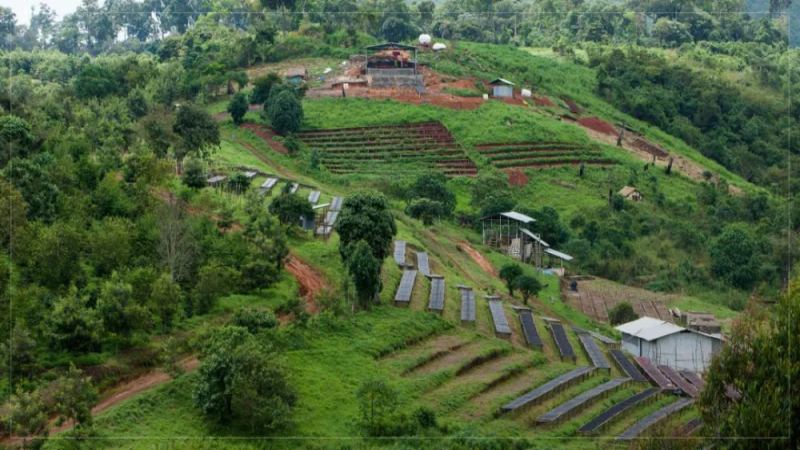
What makes Yirgacheffe coffee so floral and citric?
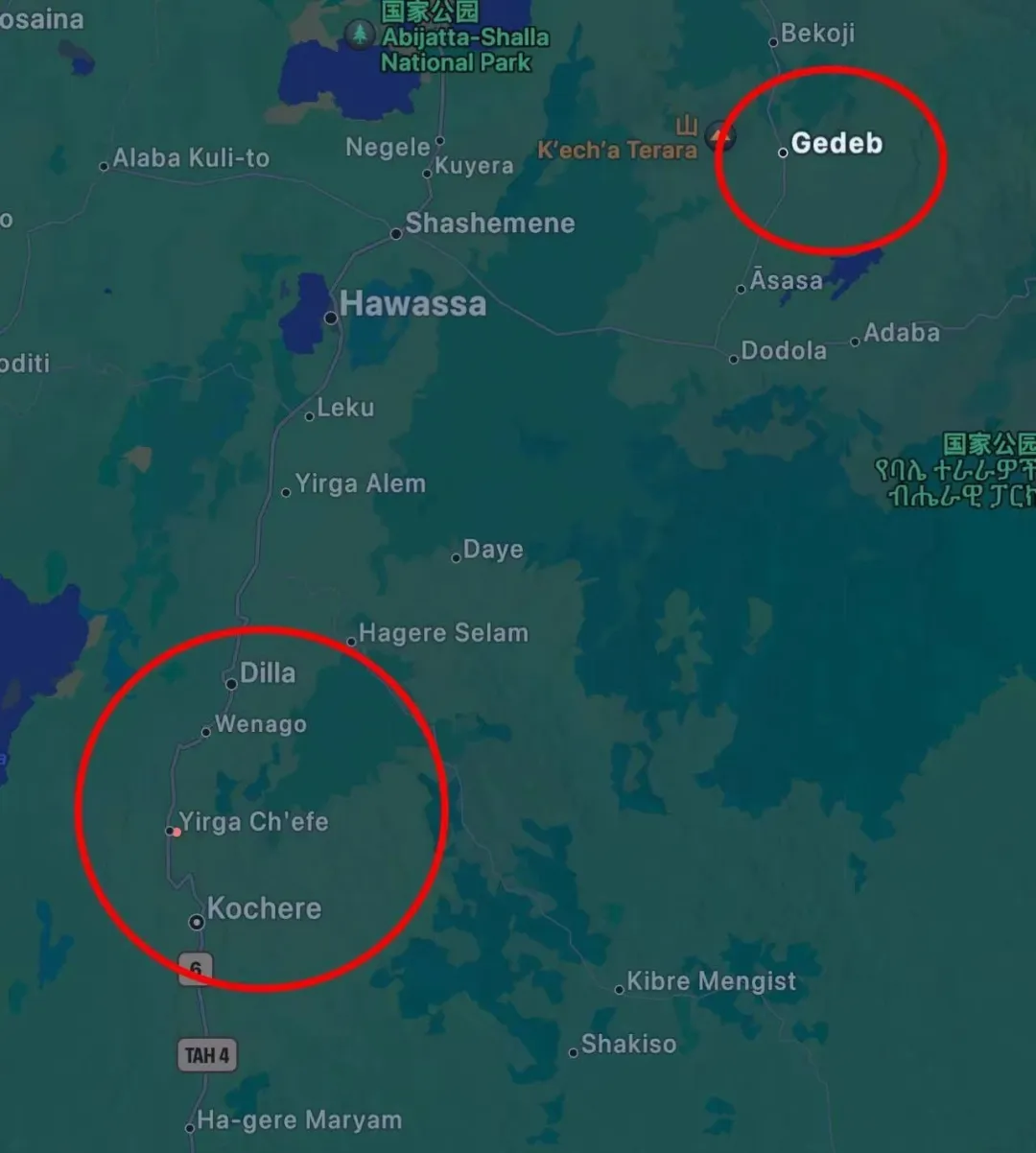
Yirgacheffe is a specialty coffee region in southern Ethiopia known for intense white floral aroma and citric acidity. The name comes from the local dialect, where 'Yirga' means to settle down and 'Cheffe' refers to wetlands. The area was separated from Sidamo as its own district after farmers outside the zone began labeling coffee as Yirgacheffe.
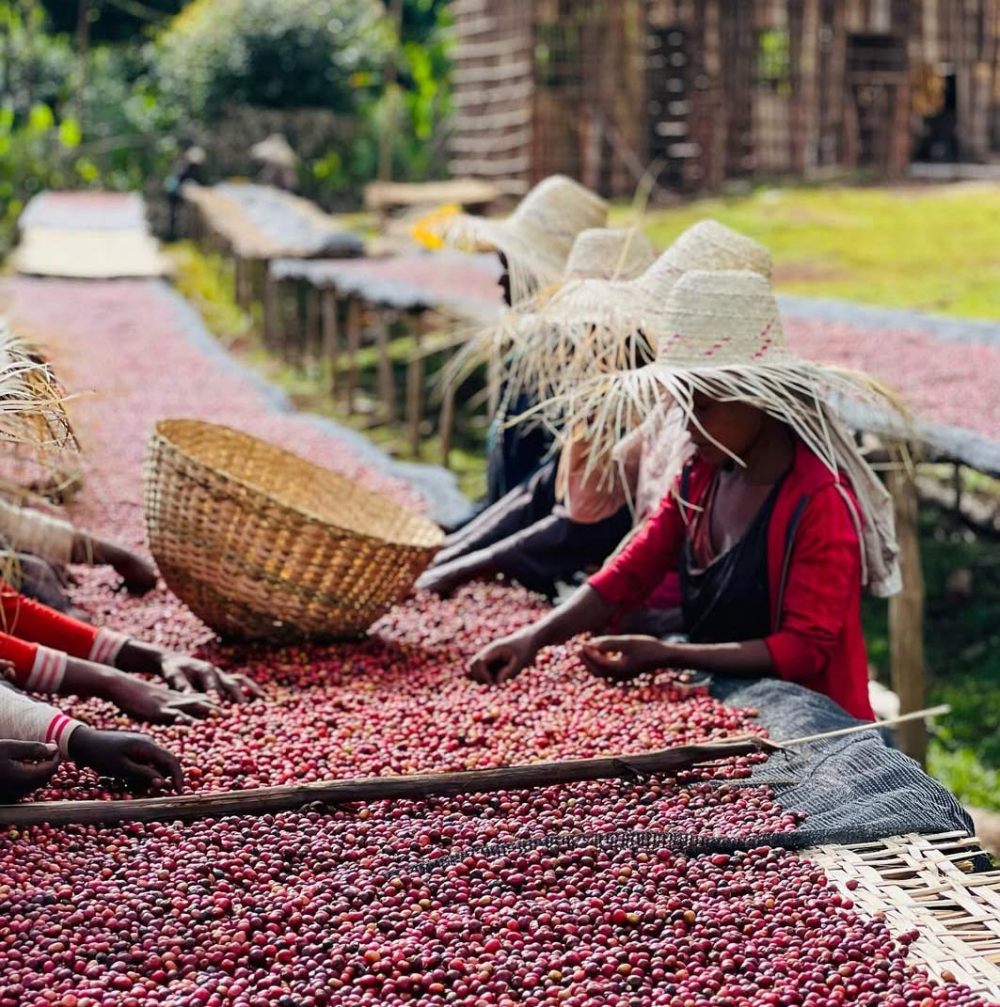
Washed processing arrived in the 1970s from Central and South America and became the mainstream method, cleaning up the cup and making the floral and citric notes more defined. Natural processing has returned since 2007, giving a fruitier, sweeter alternative. High-altitude growing conditions and local heirloom varieties shape the bright acidity meaning many drinkers notice in the cup.
Yirgacheffe is the most representative specialty coffee region in southern Ethiopia, renowned worldwide for its intense white floral aroma and citric acidity. This article will comprehensively analyze Yirgacheffe's flavor characteristics and taste performance from perspectives including the origin of the region's name, the evolution of washed and natural processing methods, and high-altitude growing conditions. It will also introduce detailed information and brewing suggestions for two products—Front Street Washed Yirgacheffe and Front Street Natural Red Cherry—to help you better understand the unique charm of this region. Whether you are a beginner enthusiast or a seasoned player, you will find practical references here.
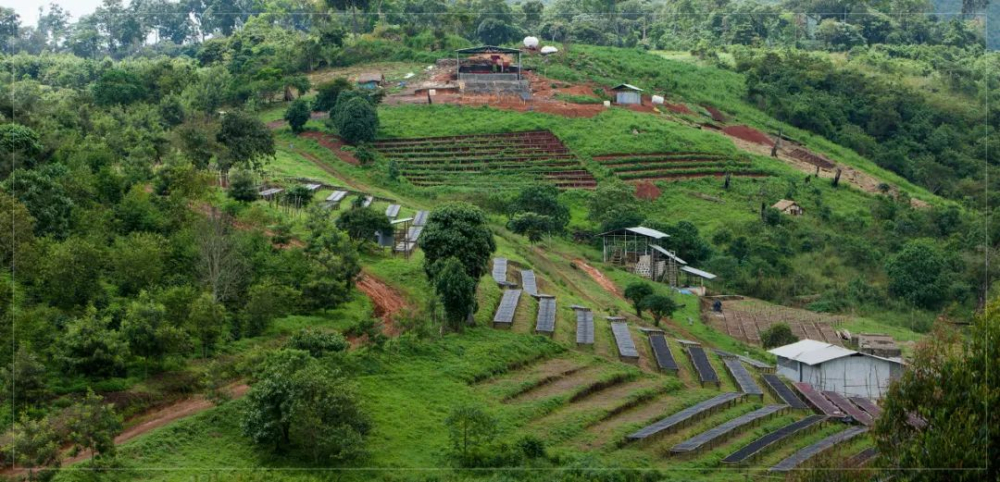
Located in southern Ethiopia, Yirgacheffe is globally recognized as one of the top coffee origins. Through conversations with numerous coffee enthusiasts, Front Street has found that many people's first step into the world of single-origin coffee is precisely Yirgacheffe.
The name "Yirgacheffe" carries deep meaning in the local dialect—"Yirga" means to settle down, and "Cheffe" refers to wetlands. Together, they convey the beautiful meaning of "let us take root and settle in this wetland."
The town of Yirgacheffe is situated within the Sidamo region, and the area originally fell under Sidamo's jurisdiction. However, the signature floral aroma emanating from Yirgacheffe coffee was so unique that coffee farmers from surrounding non-Yirgacheffe areas also began labeling their coffee as "Yirgacheffe." To standardize the definition of the region, Yirgacheffe ultimately had to be separated from Sidamo and established as its own independent district.
In the 1970s, to improve green bean quality and processing efficiency, the local government introduced washed processing technology from Central and South America. Thereafter, washed processing became the mainstream method for Yirgacheffe coffee. The washed process can cleanly and clearly showcase the region's inherent flavor profile. Yirgacheffe's intense white floral aroma and citric acidity became even more clear and refined after washed processing, elevating it to the top tier of the world's specialty coffees.
In recent years, naturally processed Yirgacheffe has also gradually emerged. Since 2007, this most ancient and traditional processing method has once again sparked a wave of popularity in the Yirgacheffe region.
Coffee trees in the Yirgacheffe region are planted at altitudes between 1,700 and 2,200 meters, making it one of the highest-altitude and highest-quality coffee regions in southern Ethiopia. Such high growing altitudes have enabled Yirgacheffe coffee beans to meet the standards of extremely hard beans (SHG and SHB grades). The low-temperature environment brought by high altitude effectively suppresses the occurrence of coffee tree diseases, while slowing the fruit's growth rate, giving coffee cherries more time to absorb nutrients from the soil and ultimately presenting a captivating flavor with balanced acidity and sweetness.
Faced with such an outstanding region, Front Street's everyday beans series naturally would not miss out. Front Street Washed Yirgacheffe uses a light roast, with distinct floral and fruity aromas, a light body, pleasant acidity and sweetness, and a very affordable price—making it highly suitable for friends just getting into specialty coffee.
Front Street Washed Yirgacheffe Coffee Beans
Region: Yirgacheffe, Ethiopia
Altitude: 1,800m–2,000m
Variety: Local heirloom varieties
Processing Method: Washed
Brewing Flavor: Jasmine, berries, lemon, citrus
If you want to compare the flavor differences between washed and natural Yirgacheffe, we recommend trying Front Street Natural Red Cherry:
Front Street. Yirgacheffe Natural Red Cherry Coffee Beans
Region: Yirgacheffe, Ethiopia
Cooperative: Konga Cooperative
Altitude: 1,850m–2,050m
Variety: Local heirloom varieties
Processing Method: Natural
Brewing Flavor: Lemon, honey, cream, juicy mouthfeel
The reason Yirgacheffe is so highly regarded lies in its fresh and elegant jasmine aroma and delightful citric acidity. To fully showcase these unique flavors, a medium-light roast level is typically chosen during roasting.
Since both Yirgacheffe coffees above are at a relatively light roast level, the dissolution rate of coffee flavor compounds is relatively slow. To more fully extract the high-quality acidity and elegant floral aromas, Front Street recommends using a higher water temperature (93°C) combined with a finer grind size (80% passing through a Chinese standard No. 20 sieve). At the same time, to avoid over-extraction caused by prolonged contact between hot water and coffee grounds, Front Street recommends choosing a fast-flow dripper for brewing.
Dripper: Hario V60
Water Temperature: 93°C
Dose: 15g
Coffee-to-Water Ratio: 1:15
Grind Size: 80% passing through a Chinese standard No. 20 sieve
Readers familiar with Front Street's content should know that Front Street baristas typically use a three-pour technique during brewing, aiming to present a richer layering in the coffee.
First, pour 30g of hot water to ensure the coffee grounds are completely saturated, and let it bloom for 30 seconds. Then, using a thin stream of water, slowly pour in circles for the second pour until reaching 125g. When the water level in the dripper drops to the point where the coffee bed is about to be exposed, continue pouring the third pour with the same thin stream in slow circles, stopping at 225g. After the water in the dripper has completely dripped through to the server below, remove the dripper. Total extraction time is approximately 2 minutes.
When brewing Front Street Washed Yirgacheffe, white floral aromas fill the air. On the palate, you can taste the acidity of berries and the tartness of citrus, with a sweet orange-like sweetness in the finish. The overall mouthfeel is clean and bright.
Front Street Natural Red Cherry presents berry acidity, citrus juice-like qualities, and honey sweetness at higher temperatures, with a creamy, silky texture and a hint of jasmine aroma.
The above content is compiled by CoffeeHunters, a coffee news website.


