







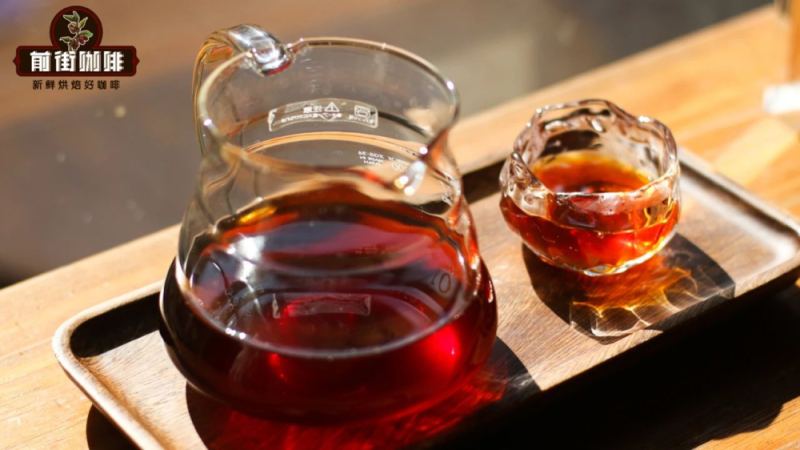
Is geisha coffee the same variety as gesha coffee?
Geisha coffee and Gesha coffee name the same variety, written as gesha or geisha in English. The term geisha gained currency in the Chinese-speaking market after a naturally processed Hambela bean from DW Company won the 2017 Taste of Harvest competition, and Li Jianfei took runner-up at the World Brewers Cup China final using that same bean, while most rivals poured Gesha.
Gesha had already been famous for more than a decade, so the new winner needed a name of comparable weight. Because gesha sounds close to the Japanese word for geisha, Hong Kong, Macau, and Taiwan adopted geisha coffee, and the top performer was called Hualkui, meaning foremost geisha. Ethiopian local landrace varieties complicate the naming further.
Geisha coffee and Gesha coffee often confuse those who are just getting into specialty coffee; both have shone brightly in international competitions, and both names carry a strong Eastern flavor. But are they actually the same variety? And what exactly is the concept of Ethiopian local landrace? From the perspective of Front Street Coffee (FrontStreet Coffee), this article sorts out the historical origins, variety characteristics, and naming logic of Geisha and Gesha, and also introduces in detail the product information and pour-over suggestions for Geisha 8.0 and Small-Bean Geisha, helping readers clearly distinguish these two coffee beans with very different styles.
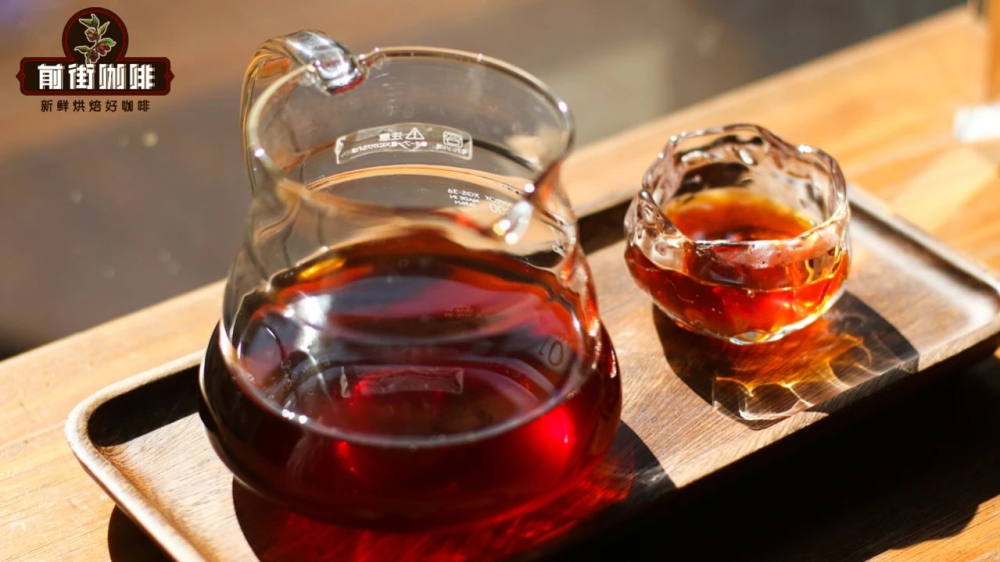
For those who have been immersed in the specialty coffee circle for a long time, the name Geisha coffee should be quite familiar. When this bean first emerged, its momentum was once comparable to that of Gesha. However, for beginners, Geisha and Gesha are often lumped together. Today, Front Street Coffee (FrontStreet Coffee) will help everyone completely distinguish these two coffee beans.
How exactly did Geisha coffee get linked to Gesha?
The story begins in 2017. At that time, Gesha coffee had already been famous worldwide for more than a decade, while the concept of “Geisha” had not yet appeared. At the 2017 TOH green bean competition, a naturally processed bean from Hambela submitted by DW Company won the championship. Looking at this alone, it was not actually unusual, since a champion is produced every year.
What really made the matter spread was the China regional final of the World Brewers Cup that same year—Li Jianfei won runner-up with this bean, while most of the other competitors in the same event used Gesha. Public opinion quickly focused on this: a bean had appeared whose performance was not inferior to Gesha. This news caused quite a stir in the coffee circle, because at the time the industry generally believed that Gesha was the best variety.
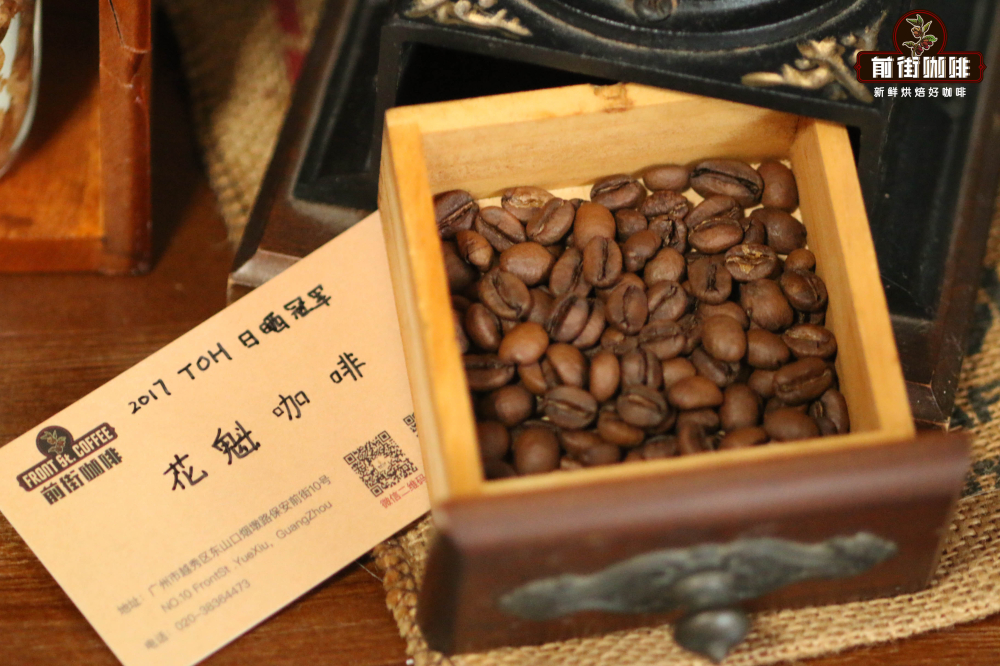
Since there was now a bean that could go head-to-head with Gesha, it naturally needed a name of equal stature. Gesha is written in English as “gesha/geisha,” which sounds close to the Japanese word for geisha, “芸者/げいしゃ,” so Hong Kong, Macau, and Taiwan also customarily call Gesha “geisha coffee.” The top performer among geisha is called “花魁,” meaning the foremost geisha. This term happened to echo the result of that competition, so in China the 2017 TOH natural champion bean got the name “Geisha coffee bean.” The connection between Geisha and Gesha is just that.
Why is Gesha called Geisha coffee in China?
Around 2006, Mr. Yuan of Coffee Lumiere first introduced Panamanian Gesha to China. This bean showed explosive floral and fruity notes, but at the time it still had no Chinese name. Mr. Yuan therefore named Gesha “瑰夏,” a translation that is faithful, expressive, and elegant, and it has been used ever since.
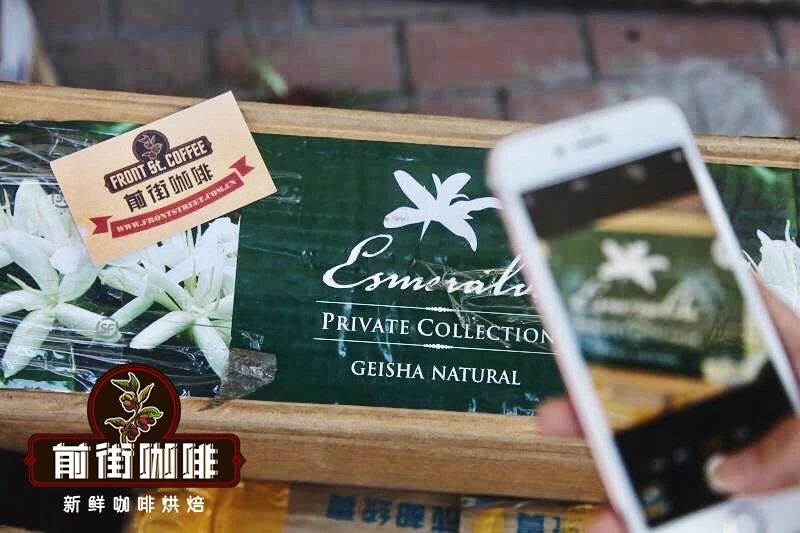
The place of origin of Gesha coffee beans is the Kaffa Forest in Ethiopia. In 1931, a British person collected coffee beans in the forest around Gesha Mountain in southwestern Ethiopia, and in 1932 these beans were exported to Kenya. In 1936 they were introduced to Uganda and Tanzania, and in 1953 to Costa Rica. Panama, meanwhile, introduced the Gesha variety in the 1970s from CATIE in Costa Rica through Mr. Francisco Serracin of Hacienda La Esmeralda.
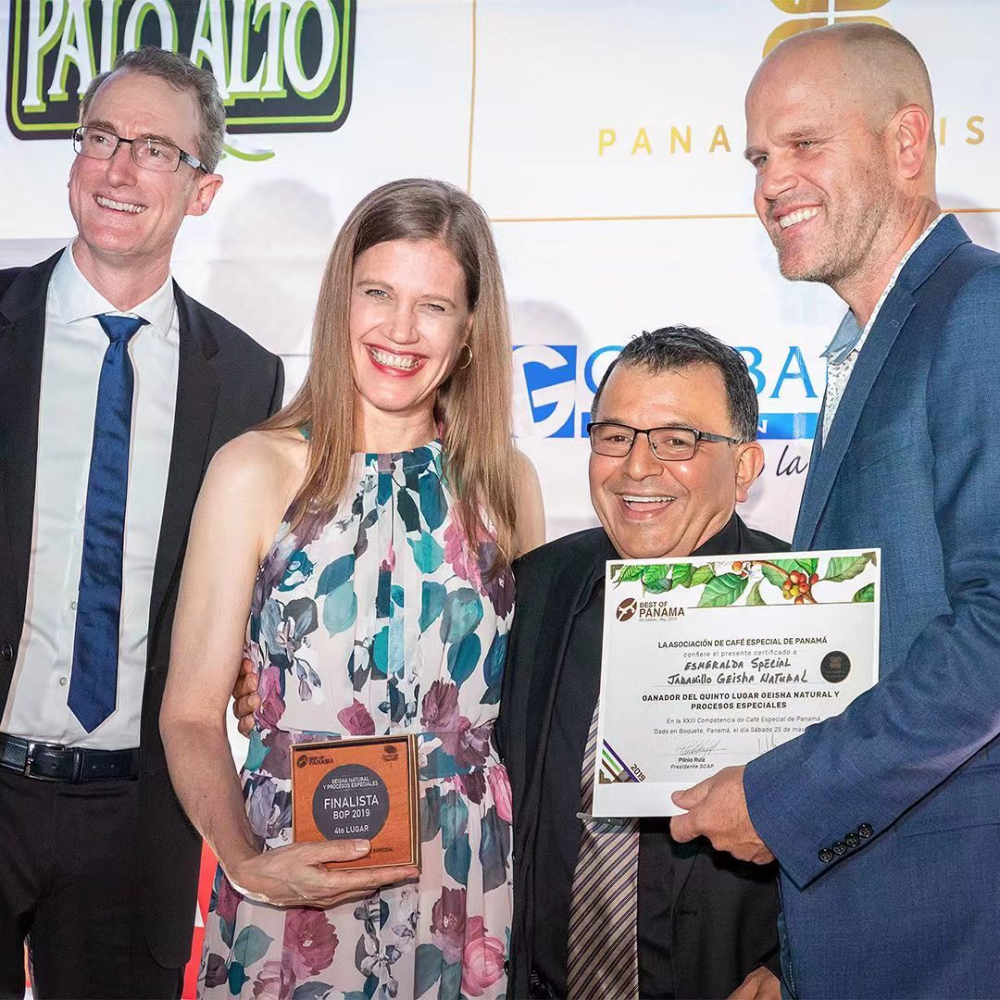
When the Gesha variety was first introduced to Panama, because its yield was low, no one was willing to spend effort cultivating it, and some were even planted in windbreaks as wind-blocking trees to protect other coffee trees. It was not until 2003 that the son of the owner of Panama’s Hacienda La Esmeralda vaguely caught a fascinating floral fragrance in a batch of processed coffee beans and traced it back to this batch of beans from the windbreak. After verification confirmed it was the Gesha variety, in 2004 it was separated out to compete in the BOP green bean competition and won first place in one fell swoop. Gesha became famous overnight and also established Hacienda La Esmeralda’s position in the specialty coffee world.
The development path of Geisha coffee beans
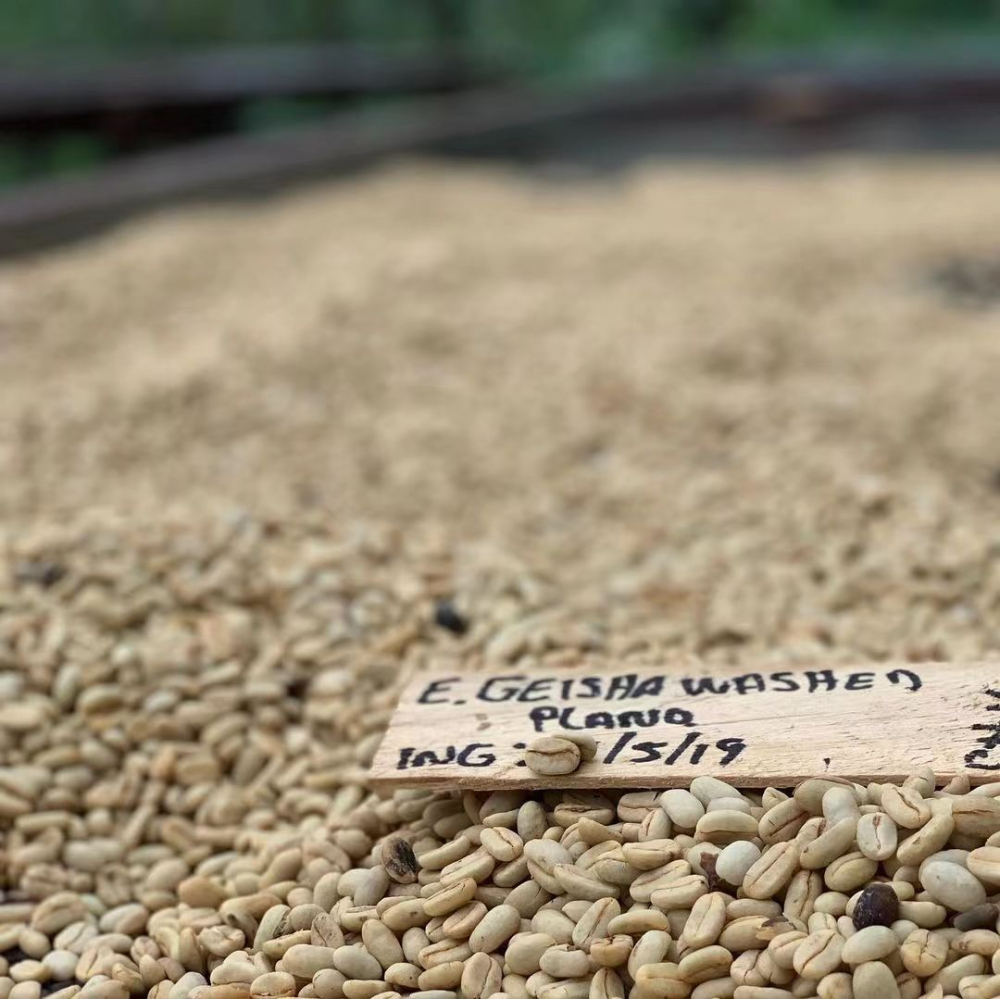
Geisha coffee beans are native to the Hambela production area in Guji, located in south-central Ethiopia, far from the place of origin of Gesha, so geographically the two have no necessary connection. From the perspective of variety, Gesha itself is the name of a variety, with beans pointed at both ends and a slender shape. Geisha, however, is the name of a coffee bean, not a variety—observing its bean appearance, the sizes are uneven, and it is truly a local landrace, meaning that even locally in Ethiopia they cannot distinguish the specific varieties and can only give it a general label.
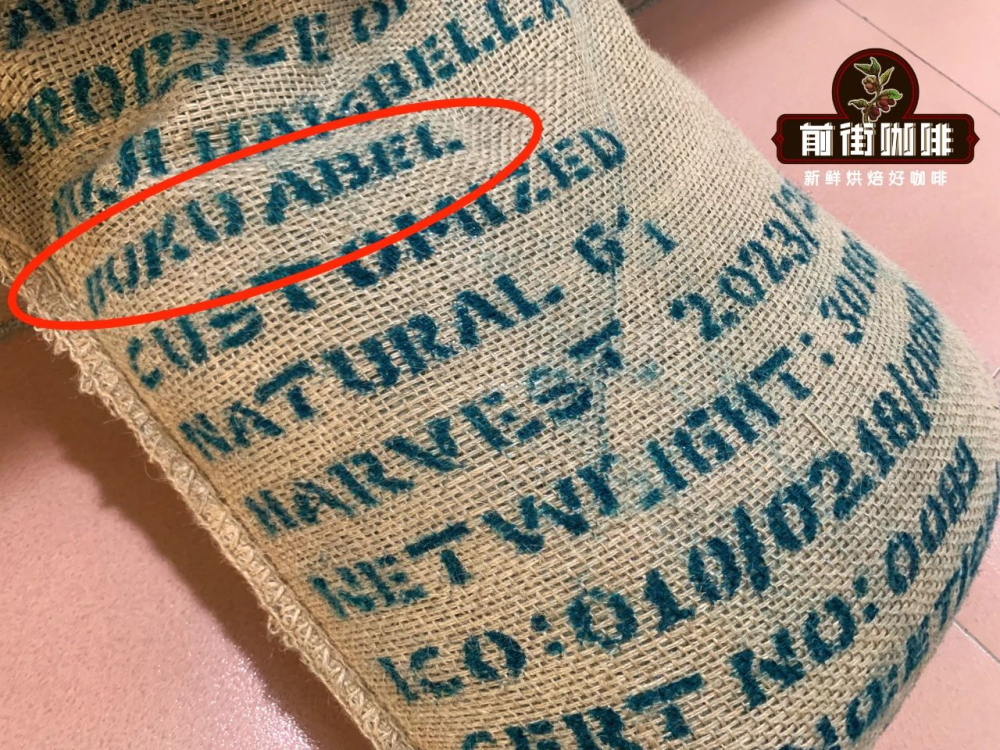
Strictly speaking, only the coffee beans produced in 2017 from the Buku processing station in Hambela can be called “Geisha.” After that, each year is named in chronological order as Geisha X.0, for example the 2018 Geisha coffee beans are called “Geisha 2.0.” By this year, that is, the 2024 Geisha coffee beans, it is called “Geisha 8.0.” You should know that the reason Geisha became famous back then was its excellent flavor, especially that rich strawberry aroma. The later batches labeled X.0 naturally cannot be completely consistent with the original Geisha flavor.
So can the flavor of the 2017 Geisha coffee still be recovered now? Front Street Coffee (FrontStreet Coffee) found in the 2018 to 2019 batches that the flavor was very close to the original Geisha, but the body and finish were not as good as the first-generation Geisha of 2017. Surprisingly, however, Front Street can sometimes still identify, from the green beans of these two batches, small-sized green beans exactly like those in the original Geisha batch. The 2017 Geisha coffee beans contained some particularly small beans, which were the main source of Geisha’s aroma. Therefore, Geisha that contains the old small-bean Geisha variety we also call Small-Bean Geisha. Starting in 2020, the processing station also processed Small-Bean Geisha separately and sold it alongside that year’s Geisha X.0.
Front Street Coffee (FrontStreet Coffee): Geisha 8.0 coffee beans Country: Ethiopia Region: Guji Hambela Processing station: Buku Able Altitude: 2,350 meters Variety: local landrace Processing method: natural Batch: new batch of 2024
Front Street Coffee (FrontStreet Coffee): Small-Bean Geisha coffee beans Region: Ethiopia, Guji Hambela Processing station: Buku Able independently selected small beans Altitude: 2,350 meters Variety: local landrace Processing method: natural Batch: new batch of 2021
Comparison of Small-Bean Geisha and Geisha 5.0 coffee beans
First, observe the comparison photos of the green beans and roasted beans of Small-Bean Geisha and Geisha 5.0. Both are coffee beans from the new 2021 crop season, and the particles of Small-Bean Geisha are clearly smaller than those of Geisha 5.0, and the proportion of small-bean coffee beans is also significantly higher than in Geisha 5.0.
After Front Street received Geisha 5.0, it roasted it and conducted a cupping comparison with Small-Bean Geisha coffee. Through cupping, Front Street found that Small-Bean Geisha coffee beans have a deeper and richer strawberry aroma and berry sweetness, while the 2021 Geisha 5.0 showed a more active berry acidity, with brighter acidity.
How should Geisha be brewed to taste good?
Front Street recommends expressing this coffee bean by pour-over and suggests pairing it with a V60 dripper.
The name of the V60 dripper comes from its 60-degree conical design. This angle can guide the water flow to converge toward the center and extend the contact time between water and coffee. The design of the large-diameter filter hole at the bottom allows the brewer to control the flavor extraction time by adjusting the size of the pour. In order to avoid the water passing through the coffee bed too quickly, Front Street recommends using a medium-fine grind size (80% passing through a Chinese No. 20 sieve). To better showcase the full juice-like body and rich fruit aroma of Small-Bean Geisha, the water temperature is recommended to be controlled at 91°C, and the brewing method can use a three-stage slow circular pour with a fine stream.
Front Street recommends using freshly roasted coffee beans for brewing, so that the rich flavor of the coffee can be experienced to the greatest extent. The coffee beans shipped by Front Street Coffee (FrontStreet Coffee) are all within 5 days of roasting, because Front Street deeply understands that the freshness of coffee beans has a huge impact on flavor. Front Street’s roasting principle is “freshly roasted good coffee,” so that every customer who places an order receives the coffee in the freshest condition. The resting period for coffee is about 4 to 7 days, so when customers receive it, it is exactly at its best flavor.
The brewing dose is 15 g, with a coffee-to-water ratio of 1:15, meaning 15 g of coffee grounds need 225 g of hot water for extraction.
First, bloom with 30 g of water for 30 seconds, then pour at a flow rate of 4 g per second, circling outward from the center and then back to the center in 4 seconds per circle, until reaching 125 g and stopping. Wait until the coffee bed drops to halfway, then pour in the same way until reaching 225 g and stop. After all the coffee liquid in the dripper has flowed into the server, remove the dripper to end the extraction. The brewing time is 2 minutes 10 seconds.
For professional coffee knowledge exchange and more coffee bean information, please follow Coffee Workshop (WeChat public account: cafe_style)
For more specialty coffee beans, please add the private WeChat of Front Street Coffee (FrontStreet Coffee), WeChat ID: kaixinguoguo0925
The above content is compiled by CoffeeHunters, a coffee news website.


