







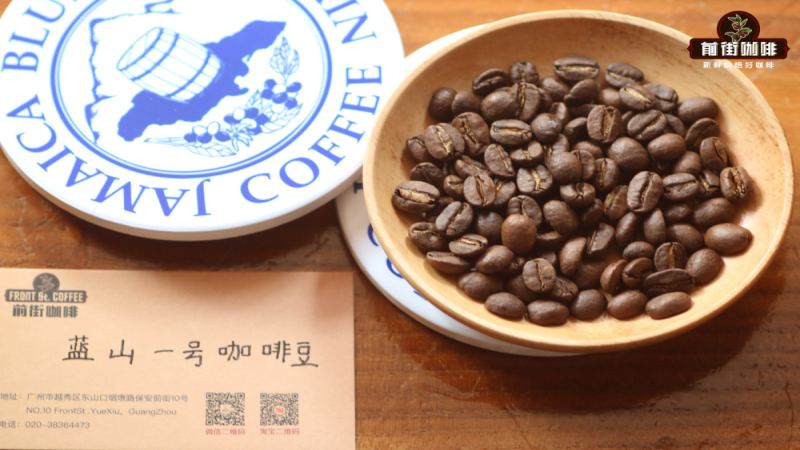
Why is Jamaican Blue Mountain coffee graded and priced so high?
Authentic Jamaican coffee from the Blue Mountains is Typica grown at roughly 910 to 1,700 meters. Limited land and strict elevation rules keep output small and prices high. Jamaica sorts its crop into grades such as Blue Mountain, High Mountain, and Prime, and the top tier, Blue Mountain No. 1, must meet defect-rate and screen-size standards.
The island's coffee history starts in the 18th century, when Arabica seeds arrived from Martinique and cultivation spread around St. Andrew before taking hold in the Blue Mountains. Because real Blue Mountain coffee is scarce, many imitations exist. A three-pour KONO recipe at 88-90°C with a 1:15 ratio brings out dark chocolate, roasted nut, and caramel notes.
Blue Mountain coffee is Jamaica's most iconic specialty coffee. Authentic Blue Mountain beans come from Typica plants grown at elevations of roughly 910 to 1,700 meters in the Blue Mountains, with scarce yields and a high price. This article starts with the history of Jamaican coffee, sorts out the grading logic for Blue Mountain, High Mountain, and Prime coffee, explains the defect-rate and screen-size standards for Blue Mountain No. 1, and shares practical tips for identifying real versus fake Blue Mountain. Finally, using Front Street Coffee's Jamaica Blue Mountain No. 1 as an example, it gives a three-pour hand-brewing recipe with a KONO dripper, 88 to 90°C water, and a 1:15 coffee-to-water ratio, bringing out the classic flavors woven together from dark chocolate, roasted nuts, and caramel.
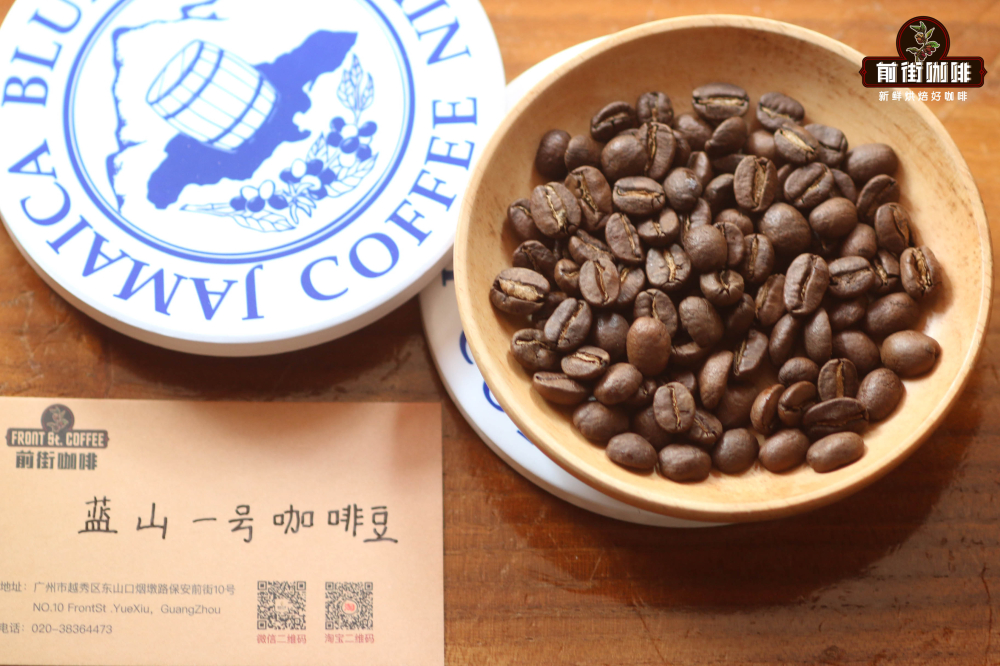
In international coffee circles, authentic Blue Mountain coffee has always enjoyed considerable fame, and it is produced in Jamaica's Blue Mountain region. Because it has strict elevation requirements for growing, usually needing to be between 1,000 and 1,700 meters, and because the Blue Mountain region itself has very limited production, the price is naturally high. This is also why all kinds of coffees imitating the Blue Mountain flavor appear on the market, to satisfy the taste needs of many coffee lovers.
A Brief History of Jamaica Blue Mountain No. 1 Coffee
Jamaica has a long history of coffee cultivation, dating back to the 18th century. According to Front Street Coffee, in 1717 King Louis XV of France ordered the introduction of coffee cultivation to Jamaica. By the mid-1720s, Jamaica's governor, Sir Nicholas Lawes, introduced Arabica coffee seeds from Martinique and promoted cultivation in the St. Andrew area.
The coffee tree thus took root in Jamaica and gradually flourished in the Blue Mountains, and Blue Mountain coffee was born from this. Later, people subdivided it into different grades based on region and elevation, such as high-elevation Blue Mountain coffee, High Mountain coffee, and ordinary Jamaica Prime coffee. These grades directly relate to coffee quality and price, and also give coffee lovers a richer range of choices.
The Jamaica Blue Mountain No. 1 Coffee Producing Region
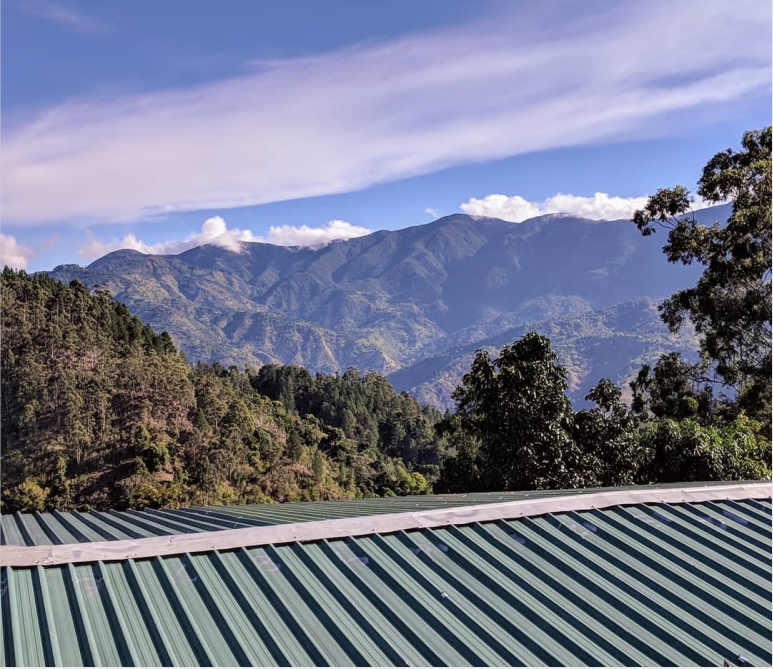
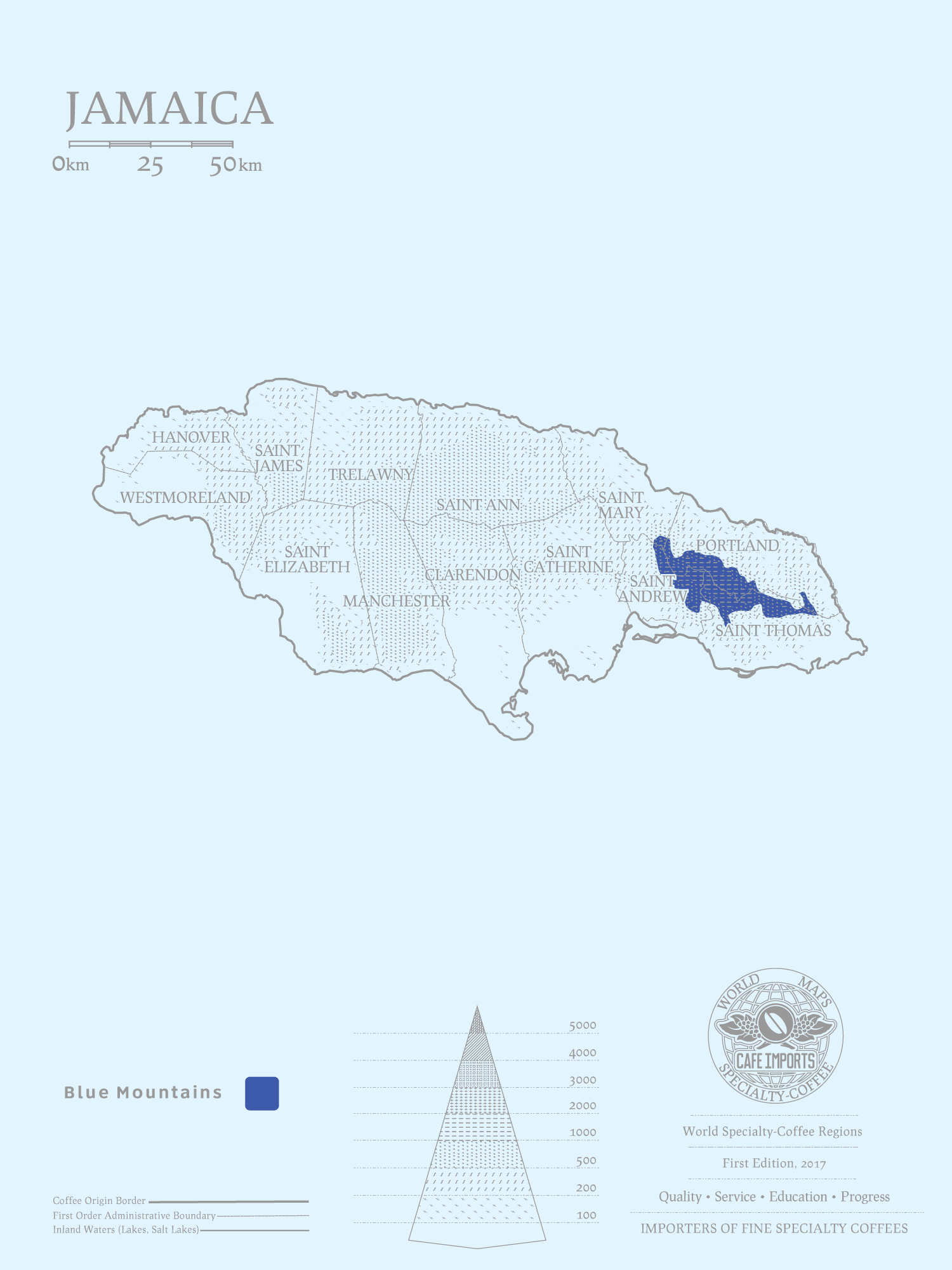
Blue Mountain coffee comes from Jamaica, an island nation in the Caribbean that is home to a very famous mountain range—the Blue Mountains.
The Blue Mountains sit on the island, and the special geographical conditions create an excellent microclimate. Local volcanic activity is frequent, and the soil is rich in minerals, supplying ample nutrients to the coffee trees. High elevation, abundant water, and a mild climate work together to create an ideal environment for coffee growing. As a result, Blue Mountain coffee performs excellently in aroma and mouthfeel, with acidity, sweetness, and bitterness balanced and harmonious, and a full, solid body, making it deeply favored by coffee lovers.
Jamaican Coffee Bean Grading System
I. Jamaican Blue Mountain Coffee
To distinguish Blue Mountain coffee from ordinary Jamaican coffee, the Jamaican government specially established a grading system. According to certification by the Coffee Industry Board of Jamaica (JCIB), only Typica coffee grown at elevations of about 910m-1,700m in the Blue Mountains can be called "Jamaica Blue Mountain Coffee." The certified growing area is only 6,000 hectares, one third of the entire Blue Mountain region, and only about 15% of all coffee produced in Jamaica can bear the Blue Mountain name. The higher the elevation, the harder the harvest and the higher the labor and management costs. At the same time, green beans must also undergo strict quality grading, classified by defect rate and screen size into NO.1, NO.2, NO.3, and Peaberry (PB).
· No. 1 - 17/18 screen, defect bean ratio no more than 2%.
· No. 2 - 16/17 screen, defect bean ratio no more than 2%.
· No. 3 - 15/16 screen, defect bean ratio no more than 2%.
· Peaberry - 10MS, defect bean ratio no more than 2%.
II. Jamaica High Mountain Coffee
Coffee produced in Jamaica's Blue Mountain area at elevations between 500 and 910 meters is called High Mountain coffee. Its quality is second only to Blue Mountain coffee, and some in the industry also call it the brother variety of Blue Mountain coffee. Because Jamaica Blue Mountain coffee has extremely low production, if you want to experience Jamaican flavor, Jamaica High Mountain coffee is a very good alternative.
III. Jamaica Prime Coffee
Coffee grown outside the Blue Mountain range is called Jamaica Prime coffee, grown at elevations below 500 meters.
It is also worth noting that there are currently no strict international detailed rules or industry standards for distinguishing coffee grades, so ordinary consumers often face difficulties when identifying whether coffee is authentic. In our country, most consumers have relatively limited knowledge of coffee, so accurately distinguishing real from fake Blue Mountain coffee is not easy.
Front Street Coffee shares a little tip: authentic Blue Mountain coffee is not packaged in burlap sacks, but uses recognizable coffee packaging (Blue Mountain barrels). Therefore, this can serve as one indicator for judging whether Blue Mountain is real. Moreover, the barrel is printed with the mark of the tropical tree frog, which is the Rainforest Alliance mark, representing that the coffee beans were grown as organic coffee in a completely pollution-free environment.
In addition, Blue Mountain coffee producers and distributors must obtain permission from the Jamaican government and authorization through the Jamaica Coffee Board. All exported Blue Mountain lots must undergo quality inspection and certification by the Coffee Board and come with labels.
So when buying Blue Mountain coffee, you can ask the seller to provide relevant documents. Front Street Coffee's Blue Mountain No. 1 coffee is produced by Clifton Estate and comes with a quality certificate issued by the Jamaica Coffee Board, an authorized sales certificate issued by the Blue Mountain coffee producer, and a certificate of origin for Jamaica Blue Mountain coffee.
The Flavor Characteristics of Blue Mountain No. 1 Coffee
After buying a bag of excellent-quality Blue Mountain coffee beans, the first thing to consider is, of course, how to brew it deliciously. Below, Front Street takes the Jamaica Blue Mountain No. 1 coffee on our bean shelf as an example to talk about our brewing approach.
Front Street Coffee recommends using coffee beans at their peak flavor period. If the roast date is already more than a month past, some aromas may have dissipated and a woody taste may even appear. The coffee beans shipped by Front Street are all roasted within 5 days, so when you receive them, they should be at the stage of fullest aroma.
The classic Blue Mountain flavor shows rich chocolate, roasted nuts, and other aromas, with soft acidity and a full body. To restore the classic taste, Front Street Coffee's roaster chose a medium-dark roast, highlighting the roasted aroma while retaining some acidity. In Front Street's cupping of Blue Mountain No. 1 coffee beans, we found that acidity, sweetness, aroma, bitterness, and body were balanced, so Front Street Coffee's baristas also formulated the corresponding brewing approach according to this flavor direction.
Front Street's parameters for brewing Jamaica Blue Mountain No. 1 coffee:
Dripper: KONO
Water temperature: 88-90°C
Coffee-to-water ratio: 1:15
Grind size: medium grind (75% passing a Chinese No. 20 standard sieve)
The brewing method uses three-stage extraction, using twice the coffee powder weight in water for blooming, that is, 30 grams of water to bloom for 30 seconds. Pour in a small stream in circles until 125 grams, then pause. When the water level drops and is about to expose the coffee bed, continue pouring until 225 grams, then stop. (Start timing from the beginning of blooming.) The extraction time is 2 minutes 10 seconds.
During brewing, Blue Mountain coffee already gives off rich aromas of roasted nuts and caramel. On the palate you can taste dark chocolate and the sweetness of nuts; the various flavors interweave and blend, the body is full, and the finish is clear. Changes in temperature also bring rich layers of aroma.
For professional coffee knowledge exchange and more coffee bean information, please follow Coffee Workshop (WeChat public account: cafe_style)
For more specialty coffee beans, please add the private WeChat of Front Street Coffee, WeChat ID: qjcoffeex
The above content is compiled by CoffeeHunters, a coffee news website.


