








How does yellow bourbon coffee differ from red bourbon?
Yellow Bourbon and Red Bourbon are two varieties of Brazilian coffee with similar balanced, mild, low-acid profiles, but they differ in sweetness and structure. Yellow Bourbon from Queen Estate tends to show softer nutty and chocolate notes, while Cerrado Red Bourbon offers a fuller body. Brazil produces both, and the beans commonly serve as the base for espresso blends.
Brazil is the largest coffee producer, yet its low altitude and humid climate are not ideal for cultivation, which shapes the mild cup. Cerrado is one growing region within Brazil where these beans are sourced. Brewing with a KONO dripper and pulse pouring can highlight the nutty and chocolate notes. Central American coffee, by contrast, often leans toward brighter floral and fruity flavors.
As the world's largest coffee producer, Brazil is known for its balanced, mild, low-acid, and full-bodied coffee. This article focuses on two Bourbon varieties offered by Front Street Coffee—Queen Estate Yellow Bourbon and Cerrado Red Bourbon—covering everything from regional terroir and bean origins to green bean information, roasting approaches, and pour-over parameters. You will learn why Brazilian coffee is often used as a base for espresso blends, how the Cerrado region is defined, and how the KONO dripper combined with pulse extraction highlights nutty and chocolate notes. Whether you are a traditional flavor enthusiast or a pour-over hobbyist, you will find practical references here.
For more specialty coffee knowledge, welcome to follow our WeChat public account: Front Street Coffee (FrontStreet Coffee).
It is hard to please everyone, and each person naturally has their own preferred coffee beans. Some are fond of the delicate floral aroma and clean, fine fruity charm of Front Street Yirgacheffe; some are captivated by the unique smoky note of Front Street Guatemala beans; some cannot get enough of the cherry tomato juice sensation that fills the mouth after sipping Front Street Kenya; and some only recognize the balance of acidity, bitterness, and sweetness in Front Street Blue Mountain.
These days most single-origin coffees are chasing floral and fruity notes, but there has always been a group of traditionalist supporters who are committed to the path of low acidity, high body, and nutty flavors. At Front Street's physical stores, we often encounter customers who avoid acidity—"No acidic ones, and something too heavy like Mandheling is also a no." Whenever this happens, the baristas at Front Street Coffee (FrontStreet Coffee) warmly recommend Brazilian beans. But as a "world coffee origin collector," how could Front Street stock only one Brazilian coffee bean?
Among the Brazilian coffee beans currently offered by Front Street, besides the Yellow Bourbon from Queen Estate, Brazilian origins also appear in the daily beans and drip bag coffee series, showing that Brazil, as a coffee-producing country, occupies an irreplaceable position in the map of classic flavors.
Those who have read relevant books know that Brazil is actually not a golden zone for coffee cultivation. Although the soil conditions are decent and the climate is humid, the low altitude is a fatal weakness. Such growing conditions indeed cannot compare with the world's top regions, but everything has two sides, and it is precisely this natural environment that creates the balanced flavor foundation of Brazilian coffee.
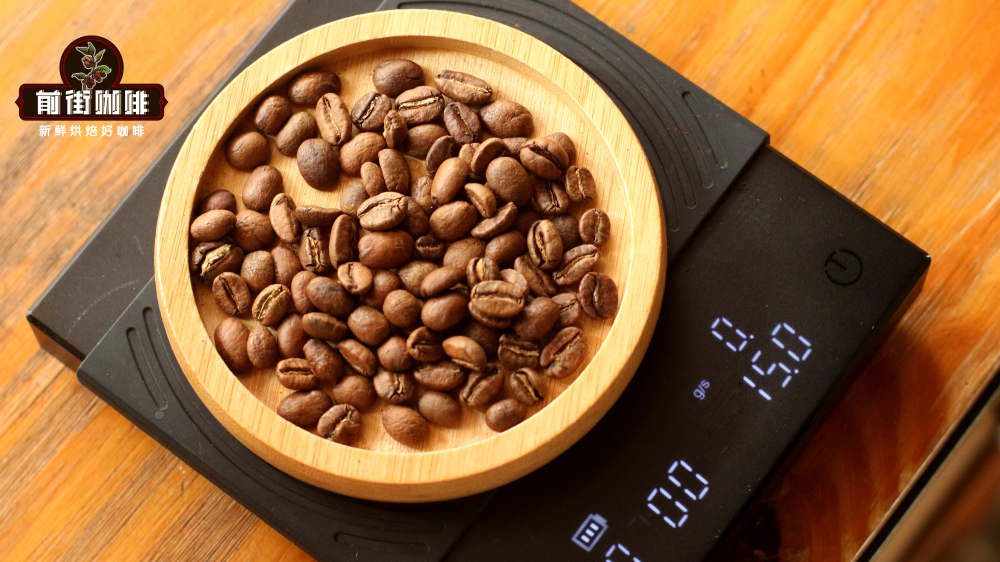
After medium-dark roasting, the balance and nutty notes of Brazilian coffee instead become its greatest selling point: no particularly outstanding strengths, and no obvious shortcomings. The mouthfeel is mild and smooth, acidity is low, body is moderate, with a slight sweetness. These middle-of-the-road flavors interweave together, and breaking them down and identifying them one by one is quite a challenge for the palate—and this is exactly what fascinates so many devoted fans of Brazilian coffee. Ordinary and gentle, it can pair with any bean, and even when put into espresso and meeting milk, it does not lose its own characteristics but blends in harmoniously. Because of this, many espresso coffees on the market use Brazilian beans as a key component in their blend formulas.
Brazil has a very long coffee history. According to Front Street's understanding, Brazil introduced coffee from French Guiana in 1729, and after development to the present day, Brazil is now the country with the highest coffee production in the world. Long-term accumulation of experience has allowed local coffee farmers to develop expertise in intensive cultivation, improving processing methods, and raising the technical level of cultivation, which has to a certain extent improved coffee quality and increased yield.
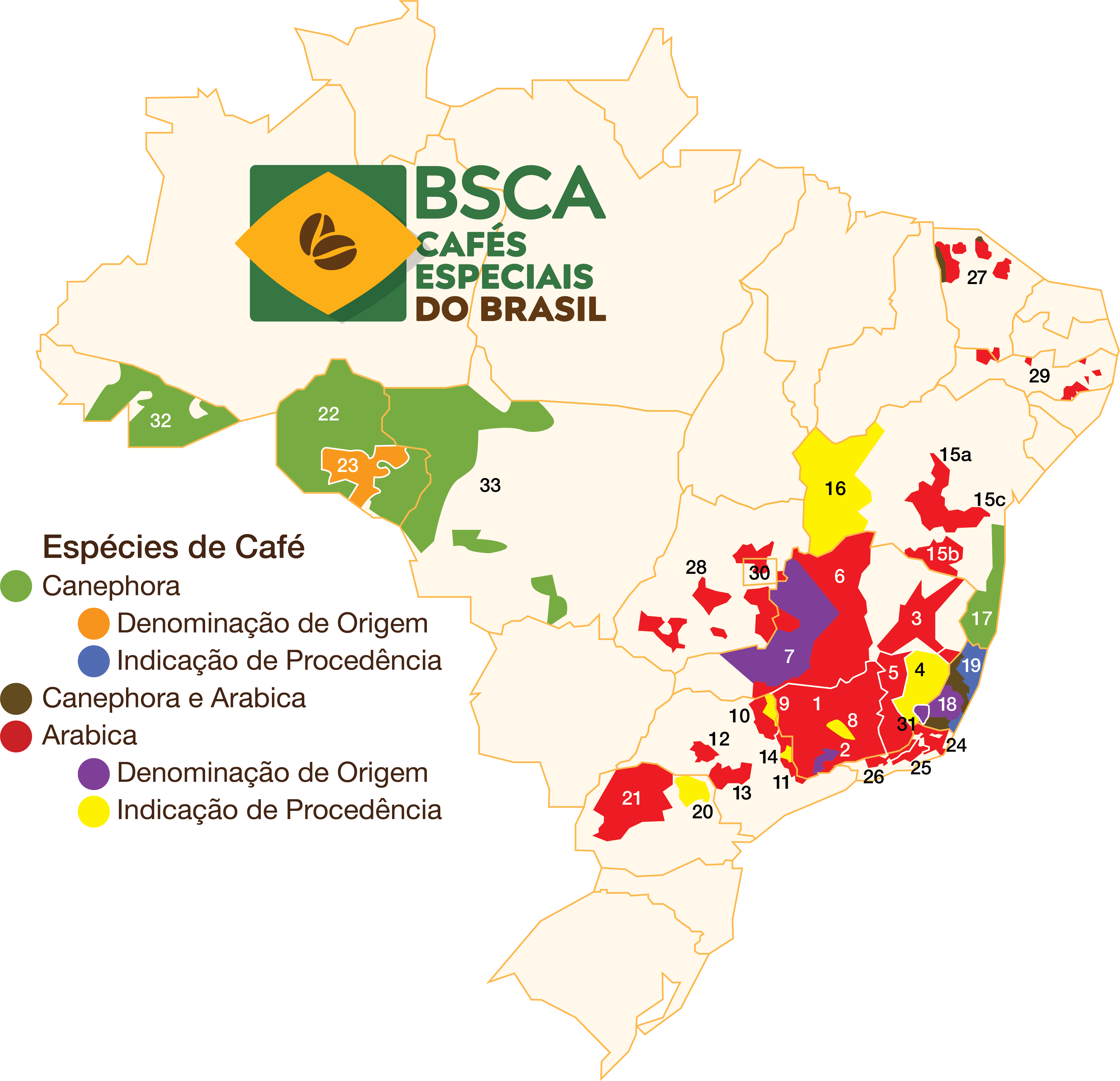
According to Front Street's understanding, although Brazil has a vast territory, its main coffee-producing regions are concentrated in four places: Minas Gerais, Sao Paulo, Bahia, and Espirito Santo, accounting for 90% of the country's exports. The commonly seen Santos and Mogiana both come from Sao Paulo; Cerrado and Sul de Minas in Minas Gerais produce more specialty beans due to their higher altitude. Cerrado is located on the western side of Minas Gerais and is a flat plateau with an altitude between 750m and 1200m.
Sul de Minas is a hilly area with an altitude of 700m to 1200m, and it is also the earliest production area of Brazilian coffee. Due to rising labor costs, mechanical harvesting is now mostly used. This is also the earliest commercialized area of Brazilian coffee, where many large exporters gather. The Bahia region in northern Brazil mainly produces washed Brazilian beans, while the Espirito Santo region near the coast is the main export area for Brazil's Robusta varieties.
Taking the coffee from Front Street Queen Estate as an example, the specific green bean information of this bean is as follows:
Front Street Brazil Queen Estate Coffee Beans Region: Mogiana Region, Sao Paulo State, Brazil Altitude: 1400—1950m Variety: Yellow Bourbon Processing Method: Natural Process
After Front Street received this bean, the green beans felt very dense, with a slight orange peel and spice aroma. The low moisture content of the green beans makes the whole coffee extremely capable of absorbing heat. Front Street's roaster used 200°C for charging, then high heat and a small airflow to accelerate dehydration. After the dehydration stage ended, medium airflow and medium heat were opened to allow the coffee beans to fully undergo the Maillard reaction, and the time should not be too rushed. It was discharged near the end of first crack.
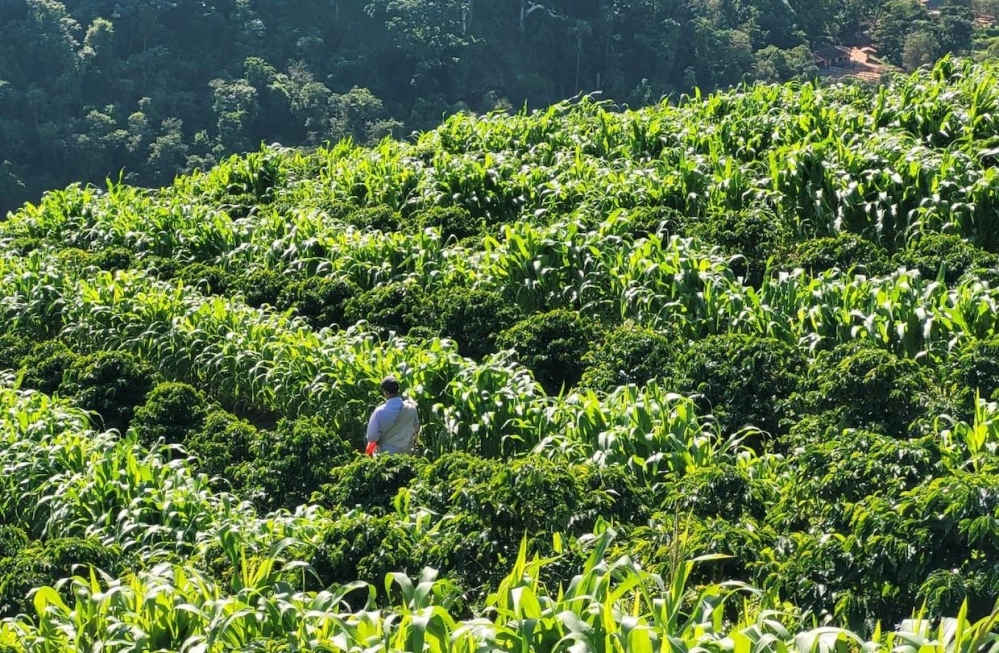
At the same time, Front Street also purchased a large amount of cost-effective daily beans from Brazil's Cerrado region. Cerrado is actually a savanna accounting for 22% of Brazil's total area, reaching deep into Brazil's interior. In Portuguese, Cerrado means "closed place." The Cerrado savanna begins in Mato Grosso in southwestern Brazil, passes through the central-west of Minas, and reaches western Bahia in the north. The Cerrado coffee-producing region referred to by Front Street is not the entire Cerrado savanna, but only the coffee-growing areas in the central-west of Minas State with an altitude above 1000 meters, which are qualified to be called the Cerrado coffee-producing region. This area is the essence of the Cerrado savanna, with high altitude and fertile soil, which is why it can grow specialty coffee beans that are sweet, full-bodied, and highly clean.
So how does Front Street's Brazil Cerrado perform? One word—good! Below is the green bean information of Front Street Coffee (FrontStreet Coffee)'s Cerrado coffee:
Front Street Brazil·Red Bourbon Coffee Beans Country: Brazil Region: Cerrado Region, Minas Gerais State Altitude: 1000 meters Variety: Red Bourbon Processing Method: Semi-washed
As mentioned earlier, Brazilian coffee beans are known for their body, and Front Street uses medium roasting to highlight this characteristic. However, because the moisture content of green beans fluctuates, Front Street needs to adjust its roasting strategy. Compared with Yellow Bourbon, Front Street extended the roasting time for this bean and appropriately lowered the charging temperature.
Why did Front Street choose these two beans, both of which belong to the Bourbon variety? Bourbon is the mainstream bean variety in Brazil. Bourbon coffee was first planted on Reunion Island, which was also called Le Bourbon before 1789. The Bourbon variety was able to spread to Brazil thanks to the surge in Brazilian coffee demand during the American Civil War. In order to find higher-yielding coffee varieties, Brazil introduced and planted it. Bourbon is a secondary variety produced by a mutation of Typica, and together with Typica it belongs to the oldest existing Brazilian coffee varieties. The fruit is bright red when ripe. After the coffee tree of Red Bourbon flowers and bears fruit, the fruit color changes as follows: green > slightly yellow > slightly orange > mature red > then darker red, so some people also call it [Red Bourbon variety]. In fact, Red Bourbon is what we usually call the Bourbon variety.
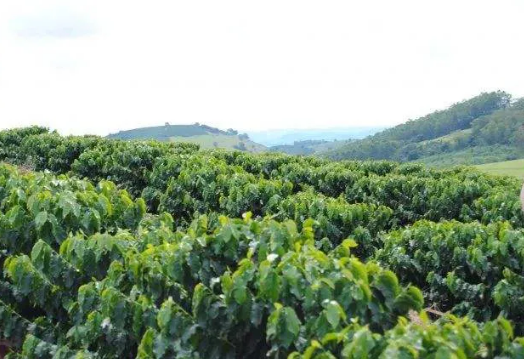
Bourbon planted at high altitudes often has better aroma and brighter acidity, and can even taste somewhat like red wine. In simple terms, Bourbon is a branch under the Arabica species, generally bearing red fruit, called Red Bourbon; in addition, there are also Yellow Bourbon and Orange Bourbon, among which Yellow Bourbon has relatively lower yield but better quality.
Because these two coffees are roasted to a darker degree, Front Street uses the KONO dripper to highlight body. The characteristic of the KONO dripper is that it has an immersion function, using immersion to extract more coffee substances and enhance the full-bodied mouthfeel. Its ribs are few and located at the lower end, allowing the filter paper to fit closely against the wall to restrict airflow, thereby slowing the water flow and increasing the contact time between water and coffee grounds.
Front Street uses pulse extraction: the blooming water amount is twice the coffee grounds, that is, 30 grams of water for a 30-second bloom, then pour in a small stream in circles until 125 grams, then pause. When the water level drops and is about to expose the coffee bed, continue pouring until 225 grams and stop. The total extraction time is controlled at 2 minutes.
With the same brewing method, these two beans nevertheless each have their own distinctive flavors. Queen Estate brews with a sweeter, cleaner flavor; the semi-washed processing makes its acidity slightly bright yet perfectly connected with sweetness, and some batches even carry tropical fruit aromas, especially the aroma that fills the air during brewing, which is even more appealing. It has a fresh sweetness like sugarcane juice, black tea, soft and pleasant fruity sweetness, obvious nutty flavor, balanced and smooth acidity, weak and clean bitterness, rich chocolate aroma and nutty notes, with a bright, refreshing, smooth, and delicate mouthfeel. Cerrado, on the other hand, has a prominent sweetness on entry, with a faint lemon aroma, rich nutty flavor, and an obvious dark chocolate taste in the finish, giving an overall rounder impression.
For professional coffee knowledge exchange, more coffee bean information, please follow Coffee Workshop (WeChat public account: cafe_style).
For more specialty coffee beans, please add the private WeChat of Front Street Coffee (FrontStreet Coffee), WeChat ID: kaixinguoguo0925.
The above content is compiled by CoffeeHunters, a coffee news website.


