








Why Is Geisha Coffee So Expensive?
Geisha coffee is a variety that originated as a wild plant in southwestern Ethiopia and later spread through Kenya, Tanzania, Costa Rica, and finally Panama. It became famous in 2004, when Hacienda La Esmeralda entered it in competition and won first place, with a judge describing it as God in a cup. It then won four consecutive years and repeatedly set auction records.
The variety needs specific conditions to show its character. High altitudes and careful farm management in Panama bring out its jasmine, citrus, and honey-like flavors, while lower or less precise growing conditions flatten that profile. Prices reflect this scarcity and demand: a Panamanian Geisha can run from 98 to 350 yuan per 100 grams, with pour-over in a cafe costing 30 to 75 yuan a cup.
Geisha is a legendary variety recognized as the stuff of specialty coffee lore, famed for its perfume-like floral aromas and citrusy sweet-tart brightness. It originated in southwestern Ethiopia and later traveled through Kenya, Tanzania, and Costa Rica before finally shining at high altitudes in Panama. In 2004, Hacienda La Esmeralda owner Daniel took Geisha to competition, where its complex flavors won first place in one fell swoop. A judge described it as "God in a cup." It then went on to win for four consecutive years and repeatedly set auction records. Geisha is demanding when it comes to terroir; only Panama's high altitudes and meticulous management can bring out its captivating jasmine, citrus, and honey-like flavors. Front Street Coffee offers three Panamanian Geishas, priced from 98 yuan to 350 yuan per 100 grams, with pour-over in-store priced at 30 to 75 yuan per cup. This article explains Geisha's origins, flavor characteristics, and specific prices.

If you're a coffee lover, then the name Geisha coffee is certainly no stranger to you. And if you're a beginner who has just stepped into the world of specialty coffee, then it's even more necessary to get to know this legendary coffee variety.
What exactly is Geisha coffee?
Geisha was originally a wild coffee variety growing in southwestern Ethiopia. However, the term "Geisha" did not initially refer specifically to the Geisha variety as we know it today. At the time, a British man collected a batch of mixed coffee samples from a place in southwestern Ethiopia called Geisha and named them directly after the region, sending them to a British plantation in Kenya in 1932 for research.
After that, some samples were introduced to Tanzania and Uganda in 1937 for further research and cultivation. By 1953, some samples were brought to Costa Rica for disease-resistance research. In 1963, a coffee estate owner in Panama brought some samples back to the country and distributed them to other estates for variety research and cultivation.
More than thirty years later, the Geisha variety that arrived in Panama underwent unique genetic changes in order to adapt to the local terroir, and by a fortunate accident, the coffee beans it produced developed perfume-like, captivating floral aromas and citrusy acidity.
The first person to discover that Geisha coffee had this characteristic was Daniel, the current owner of Hacienda La Esmeralda in Panama. He noticed this phenomenon by chance, and after several years of observation, confirmed that the variety's flavor was completely different from other coffees, so he decided to send these coffee beans to competition. In 2004, Daniel entered this batch of perfume-like flavored variety into the competition.
In the competition, Geisha coffee won first place with its intense and complex flavors, stunning the entire field. One of the judges described it as "God in a cup." After that, it went on to win for four consecutive years. At auction, Geisha also repeatedly broke high-price records.
Compared with Panama's typical coffee flavors, Geisha's distinctive characteristics are deeply impressive: full of jasmine-like aroma, with the fruity acidity and sweetness of orange, lemon, and honey, and a clean, gentle mouthfeel. Slightly acidic without bitterness, full of floral and fruity aromas—no wonder some describe it as "coffee that doesn't taste like coffee."
After Geisha coffee became famous, other regions also introduced the variety for cultivation. But through comparison, Front Street found that only Geisha grown at high altitudes in Panama, combined with strict management and maintenance, can possess such rich, captivating floral and fruity aromas.
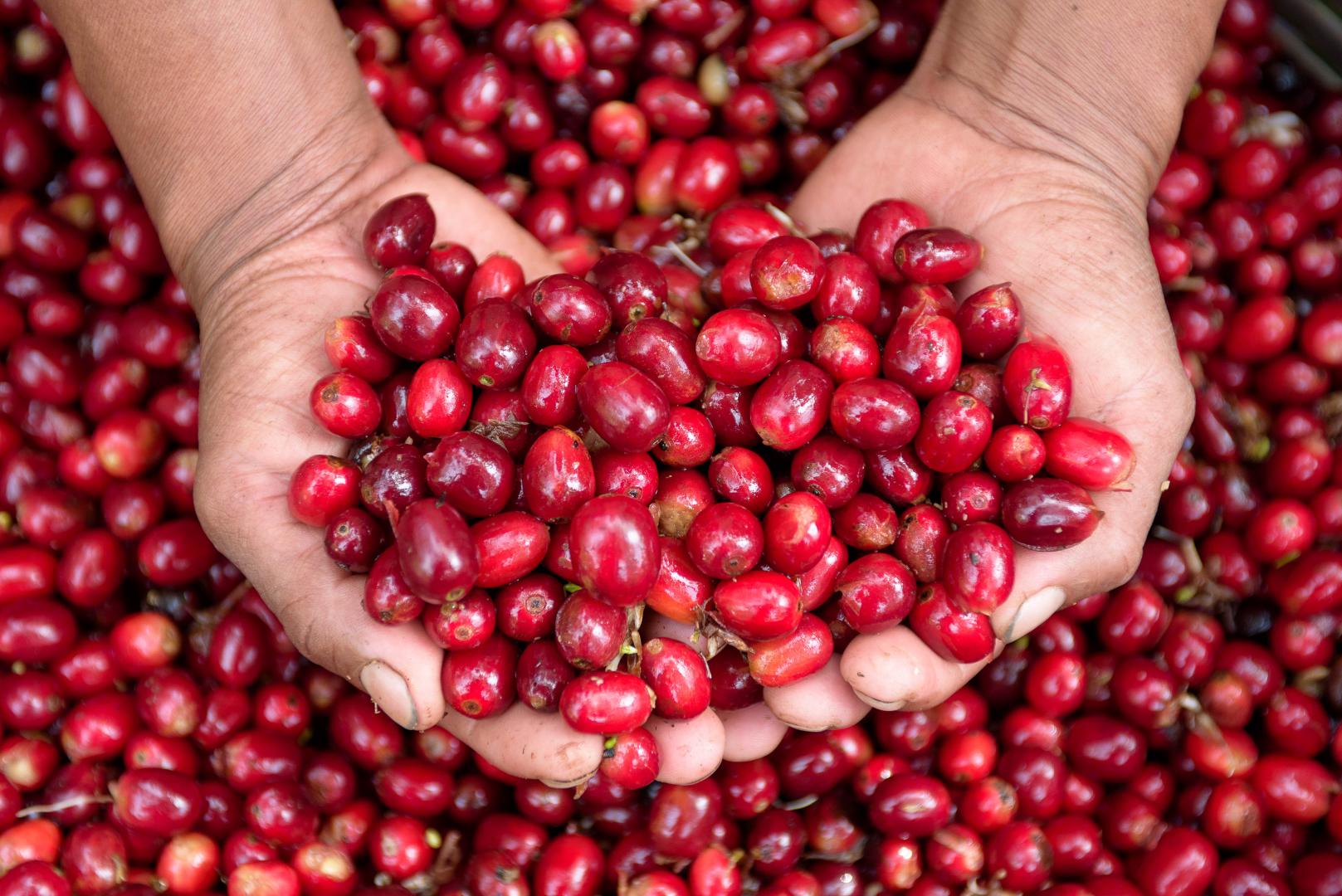
Is Geisha coffee expensive? How much does a cup cost? Front Street Coffee's roasted Geisha coffee is fully guaranteed in terms of brand and quality. All coffee beans are shipped within 5 days after roasting is completed, ensuring that the coffee beans everyone receives are 100% freshly roasted. Currently, Front Street Coffee sells a total of 3 Panamanian Geisha coffee beans.
One of them is Hacienda La Esmeralda's Red Label Natural Geisha coffee beans, with flavor notes of rose, strawberry juice, citrus, honey, and black tea. Priced at 350 yuan/100g; tasted in-store, a cup is priced at 75 yuan/15g beans.
Another is Hacienda La Esmeralda's Green Label Washed Geisha coffee beans, with flavor notes of jasmine, ginger flower, citrus, honey, and Tieguanyin. Priced at 168 yuan/100g; tasted in-store, a cup is priced at 60 yuan. Front Street Coffee baristas use 15g of beans for brewing, served in a cup with a capacity of about 200ml.
There is also a washed Geisha coffee bean from the Boquete region of Panama, with flavor notes of citrus, white florals, roasted sweet potato, and green tea. Priced at 98 yuan/100g; tasted in-store, a cup is priced at 30 yuan/15g beans.
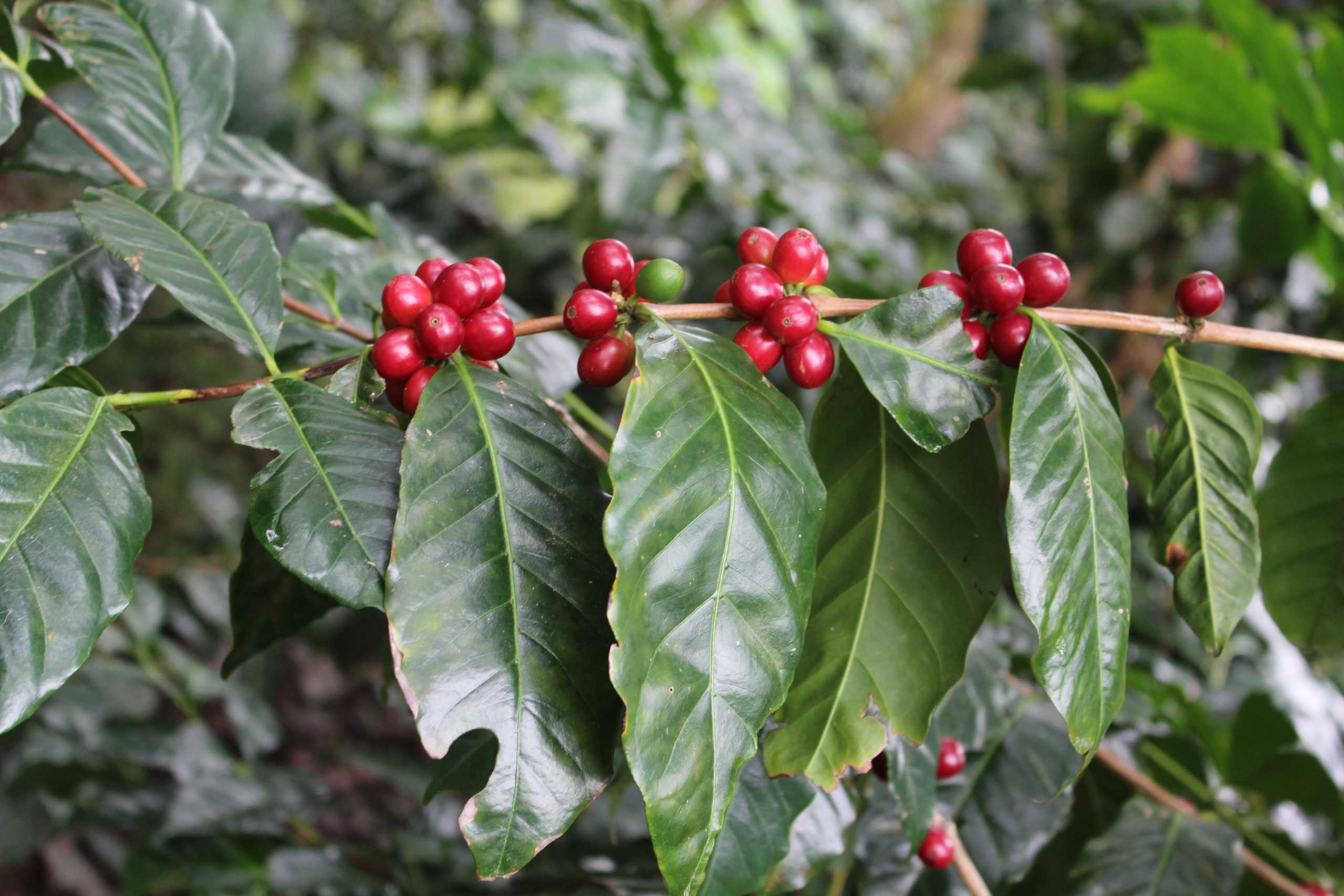
The above content is compiled by CoffeeHunters, a coffee news website.


