







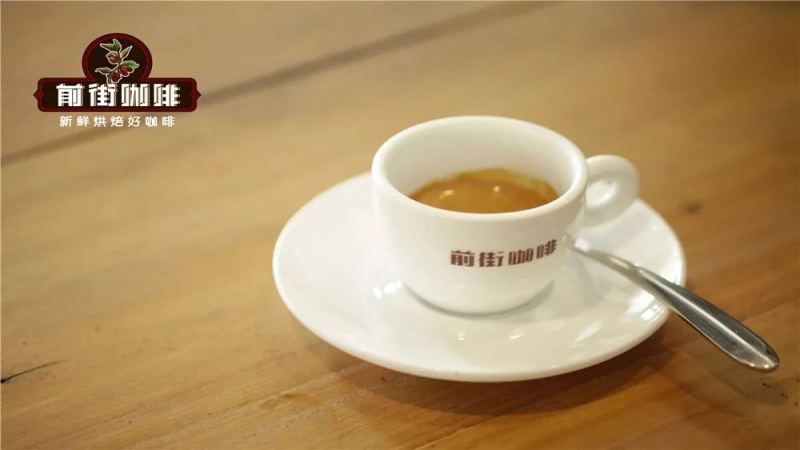
What is espresso and which brewing parameters matter?
Espresso is coffee extracted in a short time under pressure from an espresso machine, yielding a small, concentrated shot capped with golden crema. The name carries the sense of speed, and the drink is made to order. It is the base for Americano, latte, and mocha, so its quality sets the standard for a shop's entire Italian-style menu.
Four conditions shape the result: high pressure, high temperature, fast extraction, and fine grinding. The Specialty Coffee Association SCA guidelines use roughly 7 to 9 grams for a single shot, 14 to 18 grams for a double, and extraction times near 25 to 30 seconds. Dose, liquid yield, time, and ratio are the variables a barista adjusts to balance sweetness, acidity, and body.
Espresso is the soul base of common Italian-style coffees such as Americano, latte, and mocha, and its quality directly affects the standard of a café's output. Starting from the definition of Espresso, this article systematically explains the four key conditions required to make espresso—high pressure, high temperature, fast extraction, and fine grinding—and, combining the standard parameters of the Specialty Coffee Association SCA with actual store output experience, explains in detail the extraction parameter ranges and operating details such as dose, liquid yield, time, and ratio. It also introduces the flavor performance of Front Street Coffee's Sunflower Warm Sun blend and three cost-effective espresso blends, helping coffee lovers fully understand the extraction logic and tasting points of Espresso.
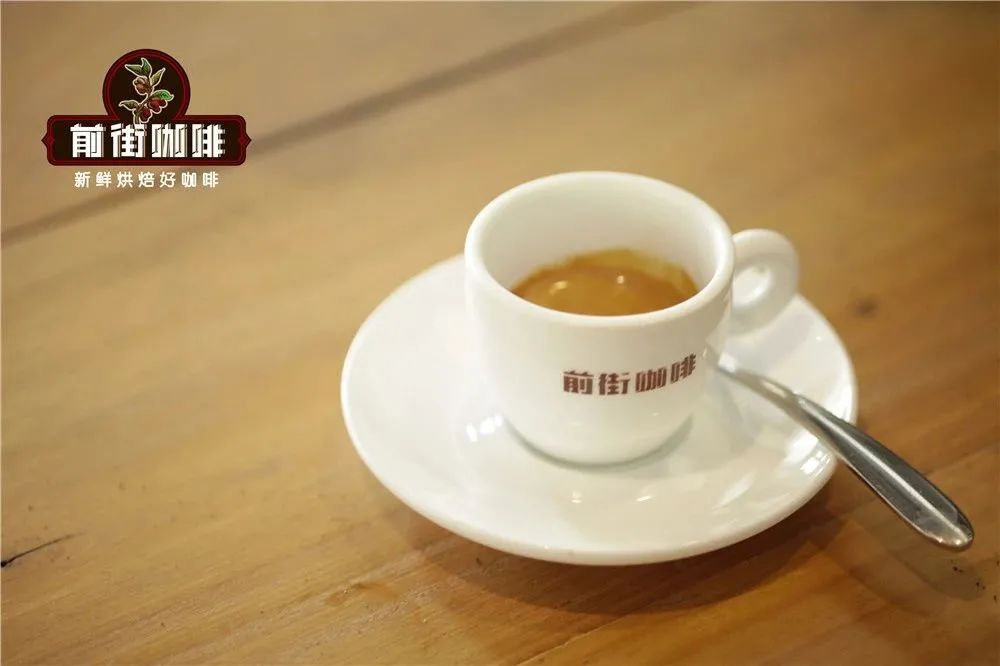
For people who often drink Italian-style coffee, the name Espresso is certainly familiar. It is actually hidden in the drinks we order every day—Americano, latte, mocha, and so on all use Espresso as their base. Today Front Street Coffee will talk with everyone about what Espresso actually is.
What does Espresso mean?
Espresso refers to coffee liquid extracted in a relatively short time by means of a pressure-driven espresso machine, with a layer of golden foam covering the surface. The word carries the sense of express, meaning "fast," and also shows that it is suitable for being made to order and drunk as soon as possible. Freshly extracted Espresso has a fine golden foam on the surface, which is the "crema" unique to espresso, making the coffee's aroma and layers richer. The dark black coffee liquid underneath gathers a variety of flavors, with an intense, full-bodied taste.
Although Espresso is not listed separately on Front Street Coffee's store menu, quite a few customers still actively order a cup. The reason is that the Americano, latte, mocha, and other drinks we have in daily life are all made on the basis of a good-tasting Espresso, then adjusted with water, milk, or other ingredients. Therefore, the quality of Espresso largely determines the output standard of all kinds of Italian-style coffee in a shop. A standard Espresso is precisely the soul of Italian-style coffee.
What conditions are required to make Espresso?
According to the standards of the Specialty Coffee Association SCA, use 7-9 grams (14-18 grams for a double shot) of coffee grounds, extract 25-35 grams of coffee liquid within 20-30 seconds, with an extraction pressure of 9-10 bar and a water temperature controlled at 90-96°C. Each coffee shop will make appropriate adjustments according to the coffee beans and equipment used. Extracting Espresso has four key elements: high pressure, high temperature, fast extraction, and finely ground coffee powder.
1. High pressure
An espresso machine increases pressure to quickly extract the soluble substances in coffee, which is its most notable difference from other extraction methods. To extract coffee powder into a rich, full-bodied Espresso within 20-30 seconds, strong pressure must be applied so that hot water quickly passes through the coffee powder bed to complete extraction. Generally, commercial espresso machines can provide 9-10 atmospheres of pressure, and the coffee machine used in Front Street Coffee's store can be adjusted to a maximum pressure of 11 atmospheres.
2. High temperature
To extract the rich aroma from coffee, high-temperature hot water is needed, usually requiring the water temperature to remain stable above 90°C. The hot water temperature of the coffee machine in Front Street Coffee's store is maintained at 94°C.
3. Fast extraction
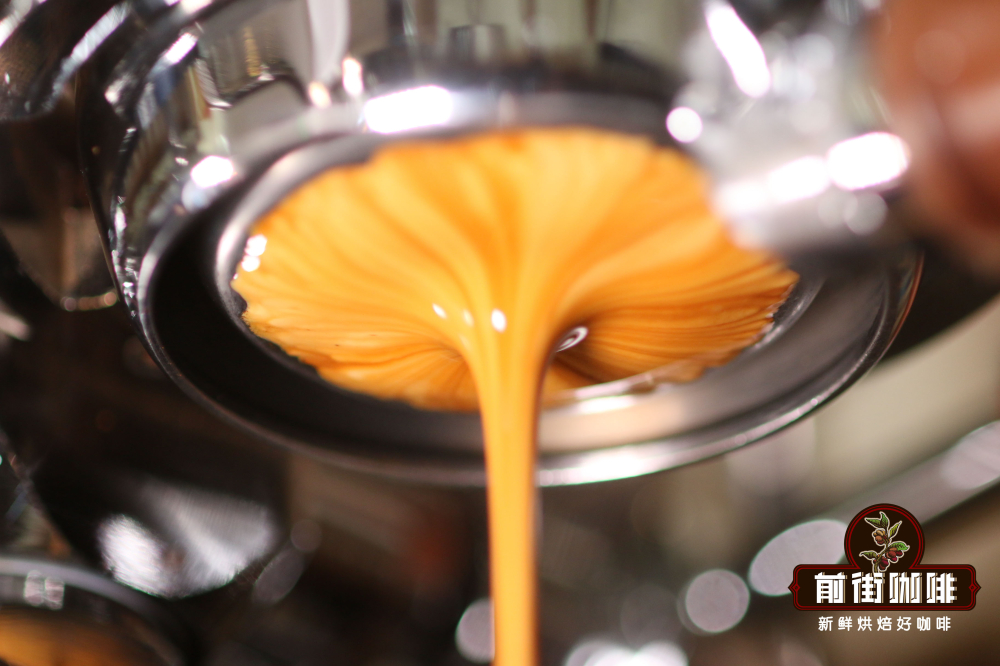
As Front Street Coffee also mentioned earlier, the word Espresso comes from Italian and means "fast," so fast extraction is one of its major characteristics. The extraction time is generally controlled at 20-35 seconds, because in less than 20 seconds the coffee often tastes thin, while over 35 seconds it is prone to over-extraction and a burnt-bitter taste. Most of Front Street Coffee's espresso falls within the range of 28-30 seconds.
4. Fine grinding
Because the extraction time is very short, to fully extract the coffee's aroma, the coffee powder needs to be ground finer and more evenly, which also requires an electric grinder specially used for espresso grinding.
How to extract a delicious Espresso?
With the popularity of specialty coffee, quite a few friends have also come to ask Front Street Coffee how to make Italian-style coffee at home. A delicious cup of Italian-style coffee is inseparable from a high-quality Espresso. Taking store output as an example, Front Street Coffee will briefly explain the Espresso extraction process.
Coffee freshness
The layer of golden-brown dense crema on the surface of Espresso is a sign of proper preparation. It comes from carbon dioxide and various gases in fresh coffee beans dissolving into water under high pressure. If coffee beans stored for more than two months are used, it is impossible to extract an Espresso with perfect crema. Therefore, Front Street Coffee recommends using freshly roasted coffee beans and properly resting them. The coffee beans shipped by Front Street Coffee are all confirmed to be freshly roasted within 5 days, so they are still relatively fresh when everyone receives them. Coffee beans need a period of degassing after roasting. Because espresso beans are mostly medium-dark roasted, they need 7-10 days to release carbon dioxide. Properly rested coffee beans not only have a full aroma but also extract more stably.
Extraction parameters
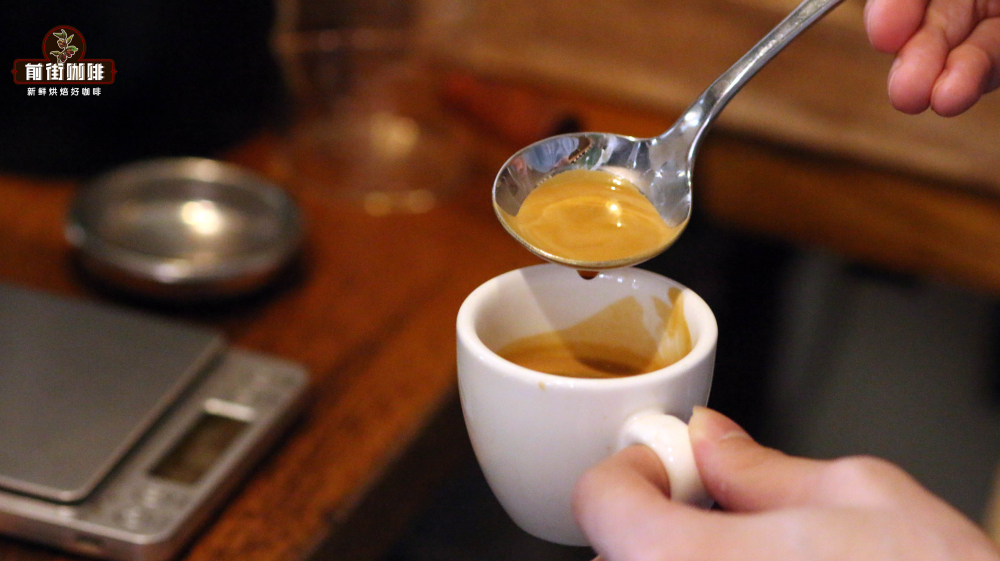
Front Street Coffee uses a double basket, with a dose of about 18-20 grams, and uses 20 grams of coffee powder when producing. Usually the ratio of coffee powder to coffee liquid is between 1:1.5 and 1:2.5. Front Street Coffee's extraction ratio is 1:2, that is, 20 grams of coffee powder extracts 40 grams of coffee liquid. The time is related to the flow rate of the coffee powder. Generally, a single extraction is controlled at 20-35 seconds, because in less than 20 seconds the coffee usually tastes thin, and over 35 seconds it is prone to over-extraction and a burnt-bitter taste. Most of Front Street Coffee's espresso falls within the range of 28-30 seconds.
Extraction details
Before extraction, first wipe the basket dry, turn on the grinder, grind the amount for a double shot, place it on an electronic scale, and increase or decrease it until it reaches 20 grams. Then use a distribution tool to level the coffee powder, and then use a tamper to press vertically downward with force to compact the coffee puck, ensuring more stable extraction.
Then turn on the extraction switch and let water run for 1-2 seconds to wet the brew head and at the same time carry away the coffee grounds stuck on it. Place an electronic scale under the cup that will receive the Espresso and tare the weight to zero, then place it together under the brew head during extraction.
Gently lock the portafilter onto the brew head and flip down the extraction switch. Observe the changes in the extracted liquid. When the electronic scale shows that 40 grams of coffee liquid has been extracted and the time is about 30 seconds, flip down the extraction switch. Brewing parameters will change slightly with daily air humidity and the condition of the coffee beans, so it is necessary to adjust the coffee powder dose, grind setting, and extraction yield up or down.
Finally, prepare a 50 ml cup, pour the Espresso into the cup, and it is ready to enjoy.
The taste of Espresso
The taste and mouthfeel of coffee depend on the coffee beans used. For example, the Espresso produced in Front Street Coffee's store uses Front Street Coffee's Sunflower Warm Sun blend. This bean is a 7:3 blend of Honduras Sherry fermented in whiskey barrels and naturally processed Ethiopian Red Cherry. The extracted Espresso has rich crema, a very prominent whiskey aroma, an acidity of vanilla biscuits and berries on entry, a solid flavor, and after drinking it the whole mouth is filled with various aromas. Using this Espresso as a base, diluting it with water makes Americano, overflowing with a fresh fragrance; adding milk makes latte, presenting the sweet deliciousness of chocolate and cream. The rich aroma of Front Street Coffee's Warm Sun blend has also won praise from quite a few friends.
In addition, Front Street Coffee's bean list also includes three espresso blend coffee beans with relatively high cost performance. The extracted Espresso presents flavor notes of nuts, cocoa, chocolate, and caramel, full-bodied and solid. The crema is dense and rich, and the latte made with milk is sweet and delicious.
1. FrontStreet Coffee - Specialty Blend Coffee Beans:
Colombian washed coffee beans (30%) + Brazilian semi-washed coffee beans (70%), with flavor notes of nuts, dark chocolate, and caramel.
2. FrontStreet Coffee - Commercial Blend Coffee Beans:
Robusta washed coffee beans (10%) + Colombian washed coffee beans (30%) + Brazilian semi-washed coffee (60%), with flavor notes of nuts, cocoa, and caramel.
3. FrontStreet Coffee - Espresso moka pot coffee beans recommended by many baristas - Front Street Dark Cocoa Blend Coffee Beans:
Yunnan washed small-bean coffee (30%) + Brazilian semi-washed coffee beans (70%), with flavor notes of soft fruit acidity, caramel, and nuts.
For professional coffee knowledge exchange and more coffee bean information, please follow Coffee Workshop (WeChat public account cafe_style)
For more specialty coffee beans, please add the private WeChat FrontStreet Coffee, WeChat ID: qjcoffeex
The above content is compiled by CoffeeHunters, a coffee news website.


