







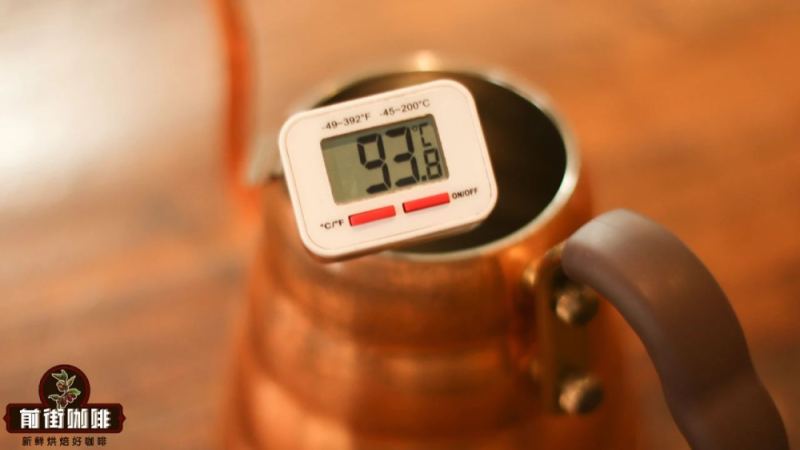
How Hot Should Water Be for Pour-Over Coffee?
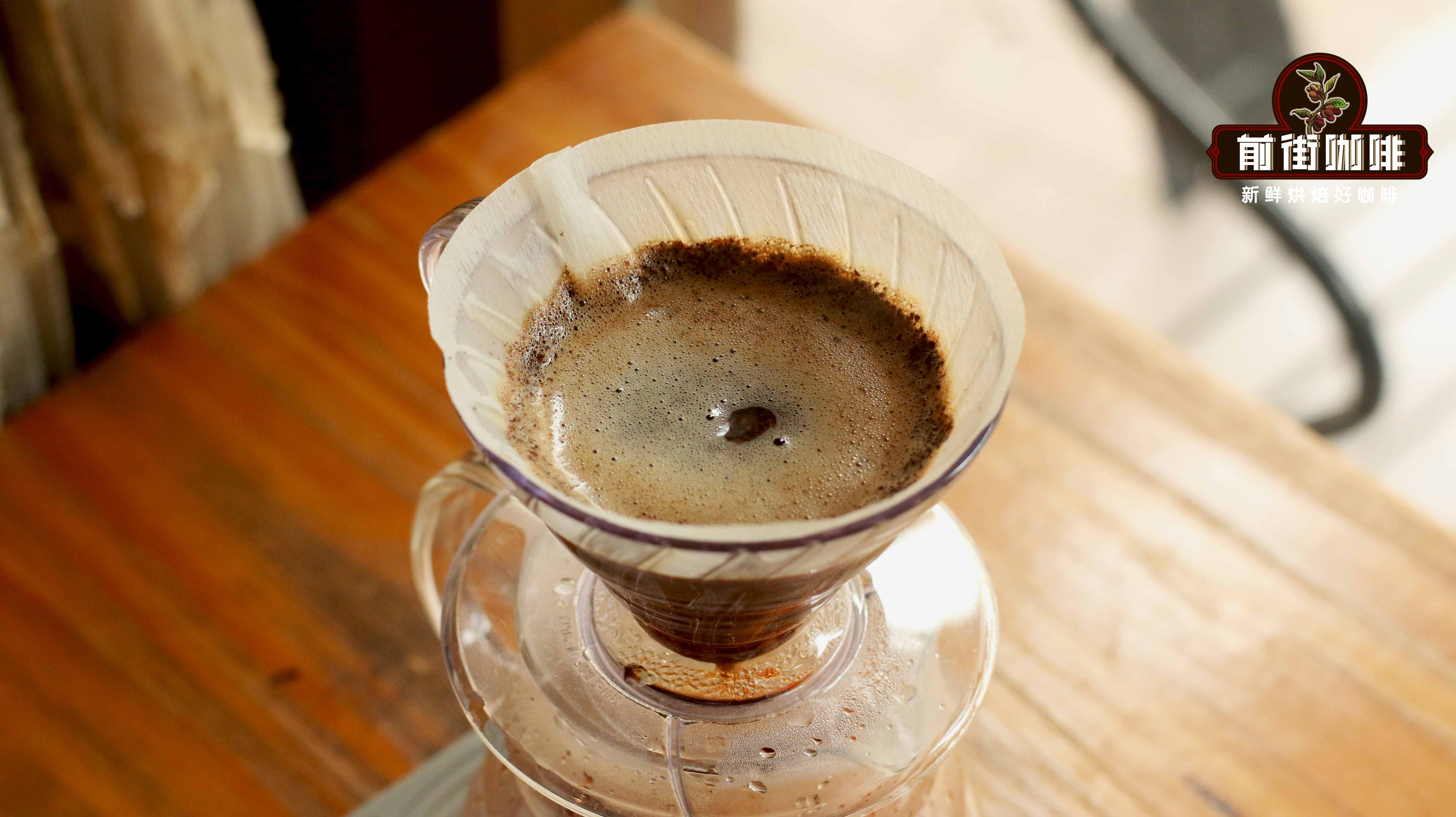
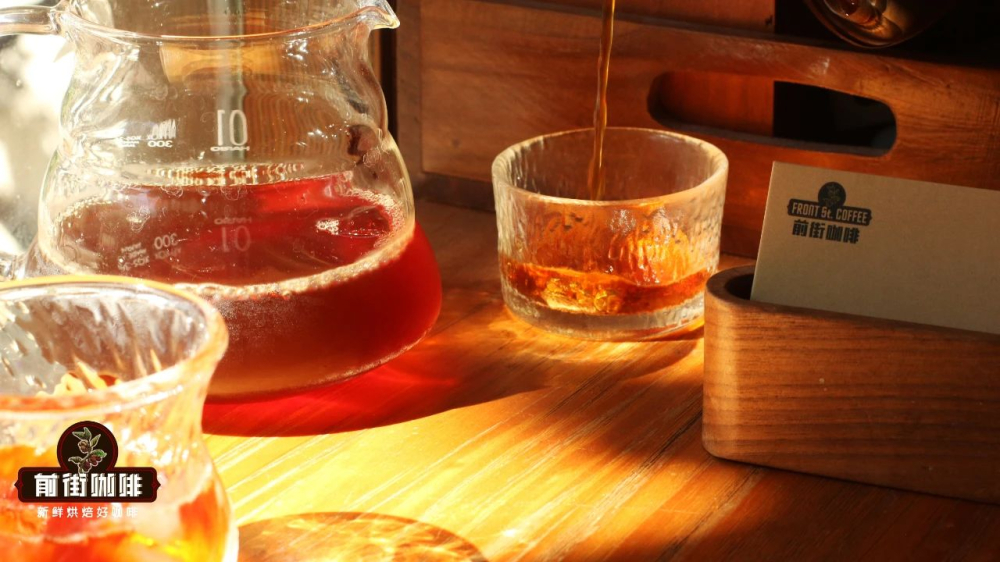
Water temperature steers the direction of a pour-over cup. Hotter water extracts more quickly and produces a fuller, more intense drink, while cooler water leaves the flavor thin and short on layers. The practical approach is to pick a temperature for the roast and then adjust extraction time to match, rather than chasing one fixed number for every coffee.
In hand brewed coffee, temperature and time work as a pair. A finer grind or longer contact can compensate for cooler water, and a coarser grind or faster pour can offset hotter water. Changing one variable at a time, and keeping the dose and ratio steady, makes it easier to tell whether the shift came from heat or from timing.
Those who have brewed pour-over coffee have likely had this experience: when the water temperature changes, the flavors in the cup change along with it. High temperatures can make coffee more intense, while low temperatures tend to make the taste bland. So what temperature is actually appropriate? And how should it be coordinated with extraction time? This article will approach things from a practical brewing perspective, explaining how temperature affects the direction of flavor and offering ideas for adjusting time to match, helping you brew a consistently smooth cup at home. It will also mention relevant recommendations from Front Street Coffee for purchasing and reference.
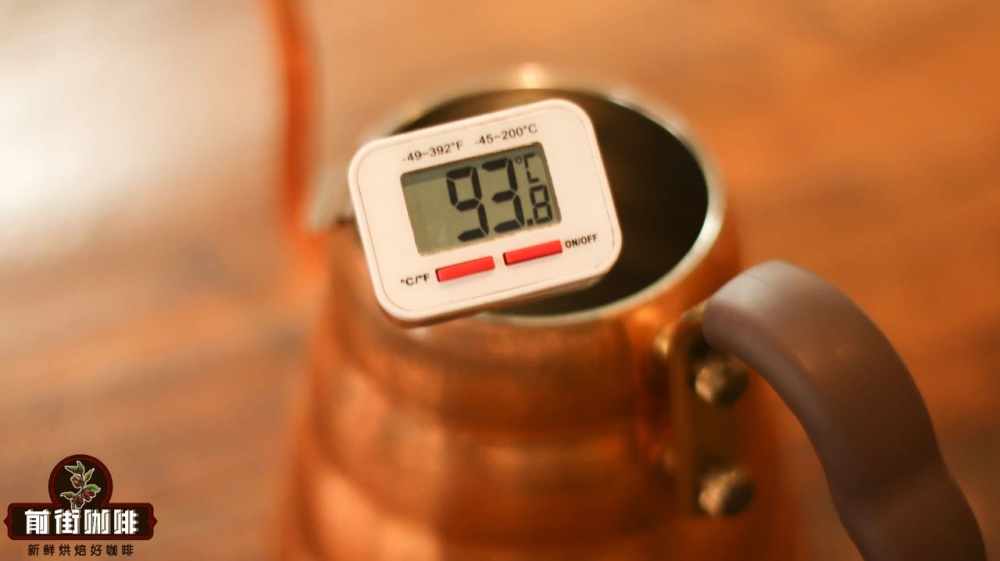
Anyone who has brewed coffee by hand has probably noticed one thing: the temperature of the hot water directly influences the taste you end up drinking. When the temperature is on the high side, the extracted coffee is fuller and more intense; when the temperature is on the low side, the flavor seems thin and lacking in layering.
The above content is compiled by CoffeeHunters, a coffee news website.


