







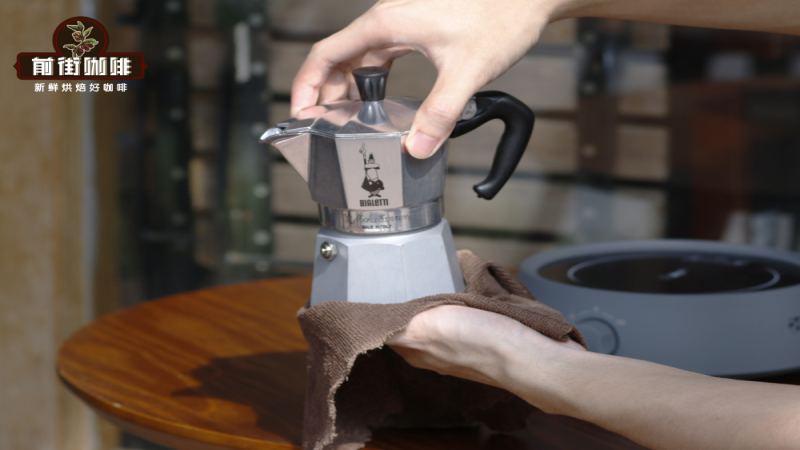
How Do You Brew Consistently Good Coffee in a Moka Pot?
Moka pot brewing comes down to five choices: use medium or darker roast beans, keep the grind close to espresso-fine without going powdery, fill the basket level and stop the water below the safety valve, cut the heat as soon as the flow turns from dark to pale and starts sputtering, and leave the lid open so you can watch that moment.
Bean selection shapes the cup more than any single technique. A Brazil and Mandheling blend gives dark chocolate, toasted bread and caramel notes, while a washed Indonesia PWN Golden Mandheling brings herbal and woody depth. Light roasts tend to taste sharply acidic here, so medium and dark profiles stay smoother.
The moka pot is a classic home coffee device. Its operation may seem simple, but the details often determine success or failure. This article focuses on five core points of moka pot brewing: how to choose suitable coffee beans, what range the grind size should be controlled within, how to manage the coffee-to-water ratio, when to turn off the heat most appropriately, and whether the lid needs to be opened during brewing. The article also specifically recommends three coffees suitable for the moka pot, including Front Street Classic Espresso Blend, Brazil Queen's Estate Yellow Bourbon, and Indonesia PWN Golden Mandheling, and includes suggestions for drinking the brewed coffee liquid. Whether you are a beginner just getting to know the moka pot or an enthusiast who wants to refine your technique, you can gain practical reference from it.
Recently, a fan of Front Street Coffee became obsessed with brewing coffee with a moka pot, especially enjoying a rich cup of moka pot coffee in the early morning. However, this fan was not quite sure whether their operating method was standard, so they reached out to Front Street Coffee to discuss it together.
Front Street Coffee believes that the moka pot itself is a very homey coffee device, and there is no need to be constrained by too many rules. As long as you master a few key steps, all the other details can be flexibly adjusted according to personal taste.
First point: How to choose coffee beans
The final flavor a cup of coffee presents is closely related to the coffee beans you choose. Front Street Coffee usually recommends medium roast or darker roast beans, because beans roasted too light tend to brew with a prominent acidity and do not taste very smooth. Below, Front Street Coffee recommends several coffees that we have tried ourselves and that have performed well, for everyone's reference.
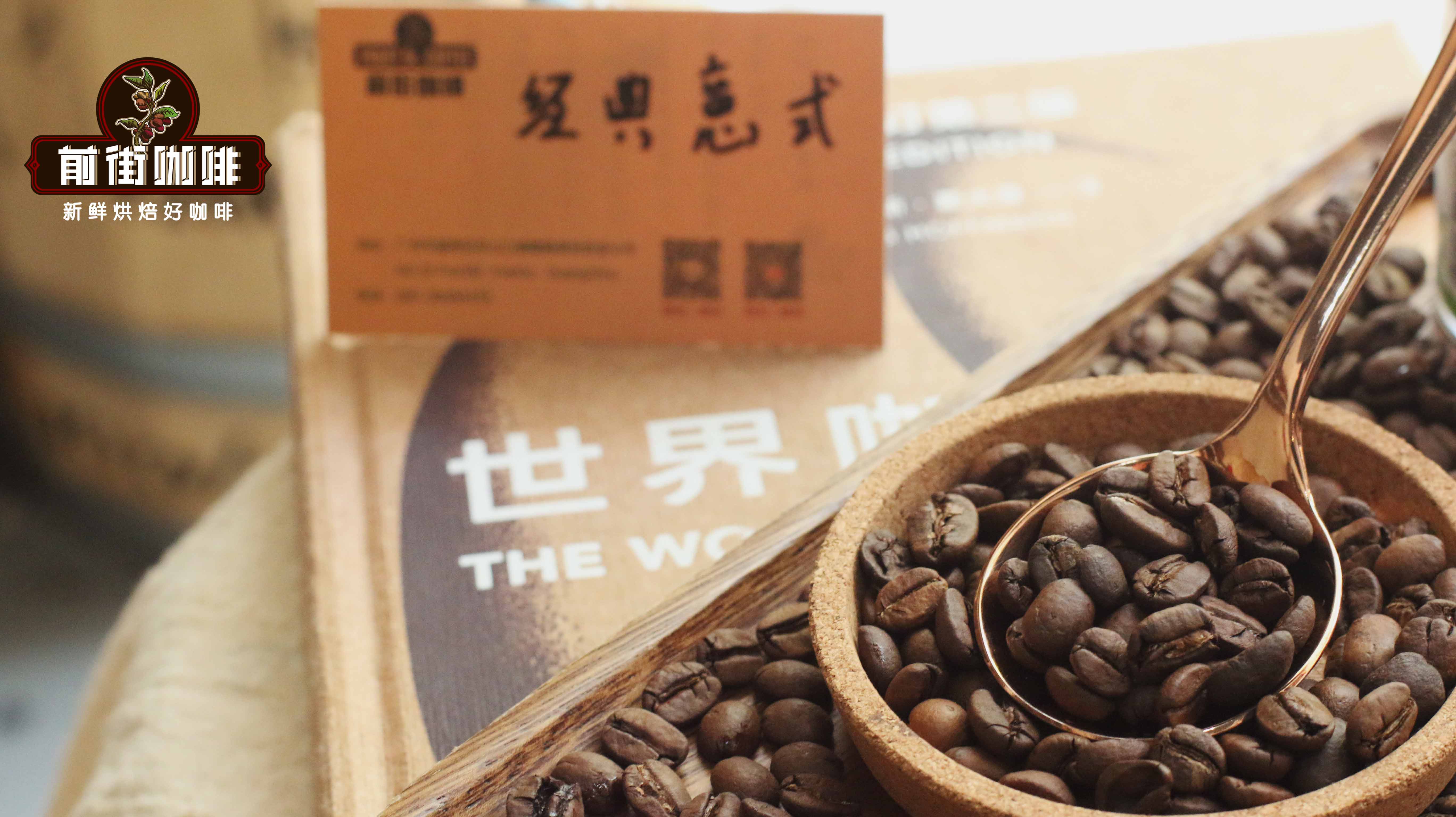
The first is Front Street Classic Espresso Blend coffee beans. This is an espresso blend produced by Front Street Coffee itself, composed of coffee beans from Brazil, Mandheling, and Vietnam. The finished cup has rich notes of dark chocolate, toasted bread, roasted nuts, and caramel. With its abundant coffee crema, it is also very suitable for making latte art.
The second is Front Street Brazil Queen's Estate Yellow Bourbon. This coffee uses a medium roast, emphasizing its sweet sugarcane-like character. Whether drunk directly or made into a milk coffee, it performs well.
The third is Front Street Indonesia PWN Golden Mandheling. Golden Mandheling produced by Pawani is one of the finest representatives of Indonesian coffee. It has the rich, full, and aromatic qualities typical of Mandheling, while also being quite clean. It is suitable for people who prefer bitter coffee.
Second point: The grind size for the moka pot
Grind coarseness is a very key part of moka pot brewing. If the grounds are too coarse, the coffee liquid tends to spray out violently, and the lid of the moka pot itself also serves to prevent splashing and burns. If the grounds are too fine, it will be difficult for water to penetrate the coffee bed, and the brewed coffee will have an obvious burnt-bitterness.
The ideal particle size is roughly between 0.3 and 0.55 millimeters. To the naked eye, it looks similar in coarseness to espresso machine grounds, but in fact it should be slightly coarser than espresso grinding.
Third point: Coffee-to-water ratio
Friends often ask Front Street Coffee: How much water should be added to a moka pot, and how much coffee should be put in? Actually, this question should not be asked to Front Street Coffee, but should depend on how much water and how much coffee your own pot can hold. When making moka pot coffee abroad, few people are precise enough to weigh it with a scale. Because the lower chamber of a moka pot has a pressure relief valve, as long as the water level does not exceed that valve, it is fine. Usually, you can simply pour water to just below the pressure relief valve. The amount of coffee depends on the capacity of the filter basket. Be careful to fill the filter basket, and without pressing it down, do not let gaps appear in the coffee bed.
Moka pot brewing requires tamping the coffee grounds, which is clearly different from an espresso machine.
Fourth point: When to turn off the heat
When brewing with a moka pot, the heat should be even, and medium heat is most suitable. When you hear a "wuwuwu" sound, you can lift the lid to observe. Once the first drop of coffee liquid comes out, you can turn off the heat. If you keep using high heat, or wait until the coffee boils before turning off the heat, this cup of coffee will most likely carry a burnt taste.
Fifth point: Whether to open the lid when brewing with a moka pot
Some friends see videos where people brewing with a moka pot like to keep the lid open, but that is actually to show viewers the scene of coffee liquid gushing out. In normal operation, you do not need to open it. If you are not sure when to turn off the heat, then you need to lift the lid to observe the gushing state of the coffee liquid. Of course, if the lid is kept open the whole time, the coffee liquid may splash out and burn your skin.
The brewed coffee liquid can be mixed with 80°C warm hot water at a 1:4 ratio to make an Americano; it can also be poured with hot milk at the same ratio, stirred evenly, and then drunk.
The above content is compiled by CoffeeHunters, a coffee news website.


