







How do you choose the right type of arabica coffee?
Espresso bean choice starts with flavor preference. Medium-light roasted SOE suits floral and fruity profiles, medium-dark roasts bring out nutty sweetness, and dark roasts deliver a rich, mellow cup with little acidity. Freshness matters just as much: after roasting, beans need a resting period before they reach their peak flavor window.
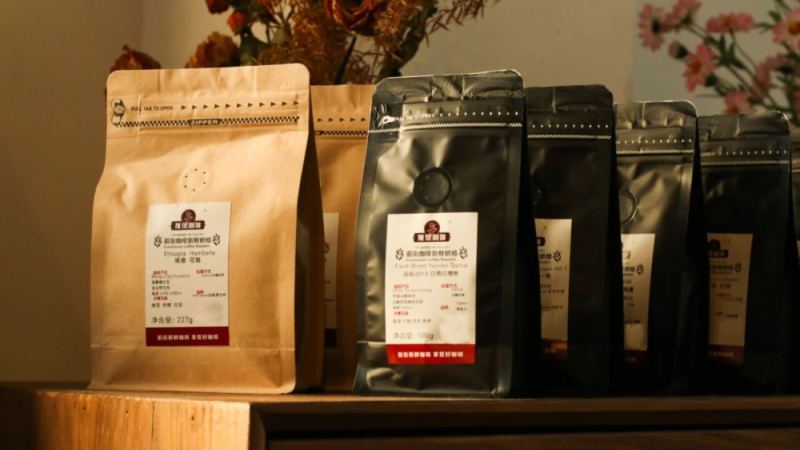
Recommended lots include Yirgacheffe SOE, Huakui SOE and Strawberry Candy SOE for fruit-forward cups; Queen's Estate SOE, Bird of Paradise SOE and Yunnan arabica for nutty notes; and Golden Mandheling or the Commercial Espresso Blend for dark-roast drinkers. Home brewers can match the type of arabica coffee to the roast level they enjoy.
For coffee lovers in pursuit of a good espresso, choosing the right beans and mastering freshness are equally crucial. Starting from flavor types, this article helps you sort out the selection approach for different roast levels of espresso beans: those who prefer floral and fruity notes can look to medium-light roasted SOE, those who enjoy nutty sweetness are suited to medium-dark roasts, and those who love a rich, mellow cup may simply go straight for a dark roast. The article also gives specific recommendations based on several Front Street Coffee products. In addition, the article focuses on answering a frequently asked question: exactly how long after roasting are espresso beans best to drink? Front Street offers practical advice on resting, the peak flavor window, and whether to grind, helping you brew your ideal flavor at home too.
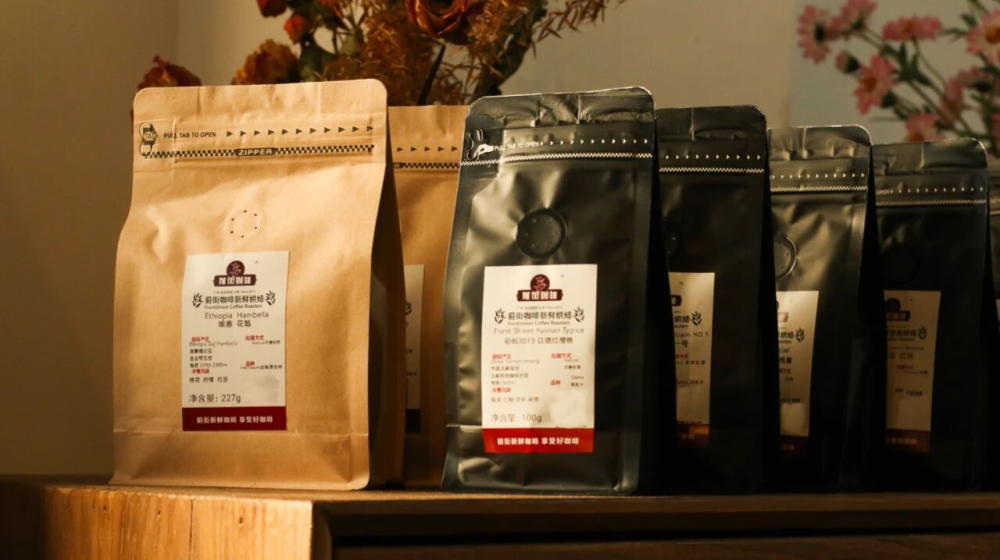
Exactly when are freshly roasted espresso beans best to drink? Recommendations for floral and fruity beans suited to espresso Generally speaking, coffees with prominent floral and fruity notes tend to be medium or medium-light roasted. Representative choices include Front Street Coffee Yirgacheffe SOE (light floral, citrus, berry, caramel), Front Street Coffee Huakui SOE (creamy strawberry, orange, tropical fruit), and Front Street Coffee Strawberry Candy SOE (grape, rose, blueberry, dried strawberry).
Compared with light roasts, medium-dark roasted coffees often show more pronounced roast aromas, with moderate sweetness. Examples include the Front Street Coffee Queen's Estate SOE with prominent roasted peanut notes, the Front Street Coffee Bird of Paradise SOE with distinct nutty aromas, and the well-balanced Front Street Coffee Yunnan Arabica SOE.
If you cannot tolerate acidity at all and prefer a rich, mellow taste, then choosing a dark-roasted espresso is more suitable. Recommended options are Front Street Coffee Golden Mandheling, with notes of spice, caramel, herbs, and chocolate, or Front Street Coffee Commercial Espresso Blend, which has pleasant nut, butter, and dark chocolate aromas.
How long after roasting are coffee beans best finished? Whether you are making pour-over or espresso, using fresh coffee beans is the prerequisite for brewing good flavor. Front Street has always held that the freshness of coffee beans is an indispensable part of the brewing process. The coffee beans shipped by Front Street Coffee are all roasted within 5 days, because Front Street knows very well how greatly freshness affects flavor. Front Street's roasting philosophy is "freshly roasted good coffee," so that every customer who places an order receives the freshest coffee.
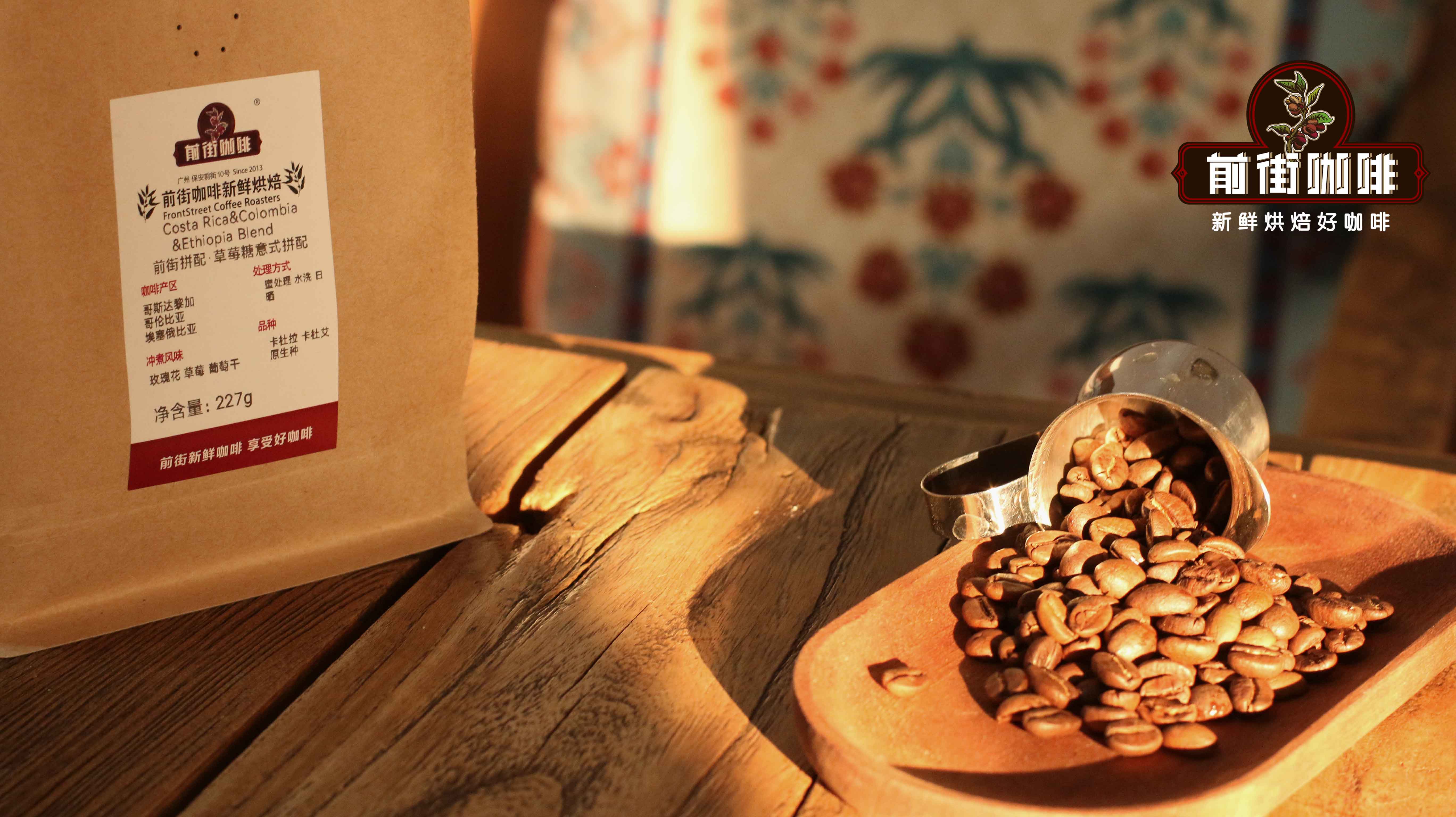
The gas inside coffee beans is gradually released over time, and the aroma weakens along with it. Generally speaking, the best flavor window for coffee beans falls between 40 and 50 days after roasting. So Front Street recommends finishing them within a month and a half to avoid undesirable flavors such as woodiness and bitterness.
Front Street has noticed that some friends, for convenience, ask us to grind the coffee for them. One reminder here: once coffee beans are ground in advance, they no longer need a resting period, because the pressure from carbon dioxide inside the packaging during transport can also round out the coffee's flavor, so you can brew a cup immediately after receiving the ground coffee. But ground coffee must be used up as quickly as possible, because once the powder contacts air it oxidizes faster; in other words, the flavor dissipates faster too, and the coffee's performance will suffer. Therefore Front Street recommends buying whole beans and grinding fresh right before brewing, so you can enjoy the coffee's flavor more fully.
The above content is compiled by CoffeeHunters, a coffee news website.


